

All anglers have their confidence lure or their go-to bait. For some, it's a crankbait, others like a spinnerbait, and a few will live and die with the jig and pig. All have their place throughout the season or perhaps even a day of tournament fishing.
My confidence bait is the tube, and my favorite presentation method is the drift and drag. It can be a slow, tedious process if you haven't done your homework before tournament day. You have to know where the productive water is. Otherwise, you end up fishing a lot of dead water searching for fish. Once you know an area (which can be a couple of hundred meters in diameter) that bass frequent because they will roam in search of forage, you should only start your drift and drag presentation.
Patience, at this point, is the most effective tool you can put into service. You know conditions are suitable for the bite. You know your color choice has been produced in the past at this very spot. You know the fish are down there. It's just a matter of time. The action may start right away or take a few minutes to begin, but it will start.
Once the bite is on, it's essential to identify the bite. Are the bass aggressive and waste no time in ravaging your bait? Do they nip the tentacles of your tube before gulping the whole bait? A few good strikes or near misses will tell you soon enough.
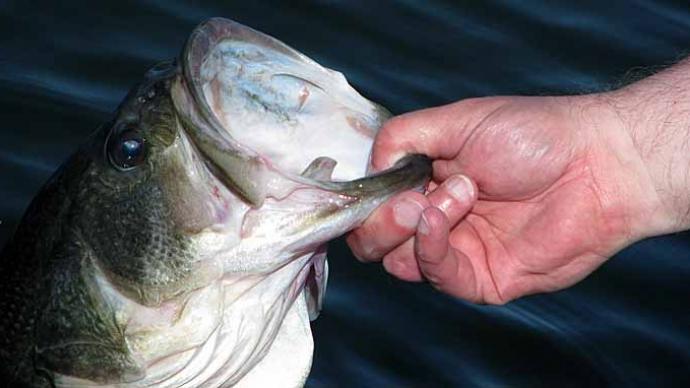
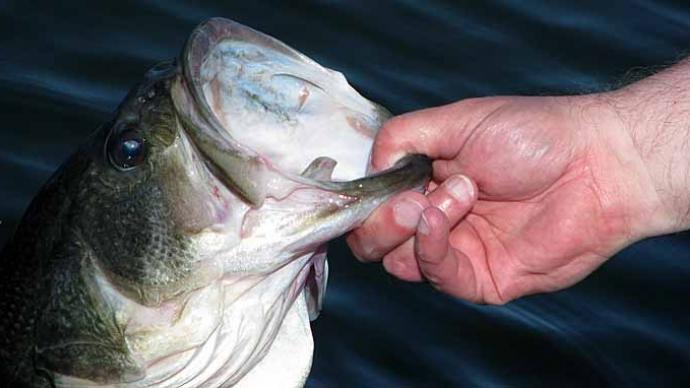
This is where patience comes into play. I see many anglers set the hook, only to miss. Once the hookset is missed, they drop their arms and rod in disgust and reel the tube in for another cast or drop. Do not reel your bait in on the miss! I can't stress that enough. If you have missed the set, open the bait or free spool on your reel and drop it back into the fish immediately. Most often, the tube spirals slowly downward, right back into the face of the bass, and most times, the bass is there to attack it once more.
At this point, you cannot get frustrated and pull your bait to the boat. In many cases, if the bass is short-biting, the fish will hit the tube repeatedly until it is inhaled out of frustration. I have had bass hit my tubes three and four times consecutively after I have missed the hookset, just by dropping it back into their face for another attack. The result? At least 80% of those 'missed fish' are brought to the livewell and eventually to the weigh-in.
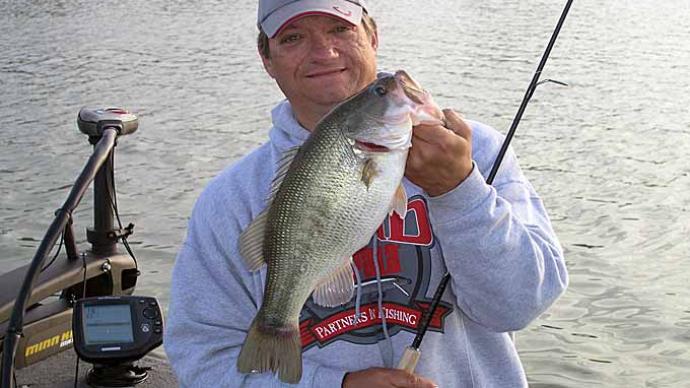
In addition, and more often than not, there are other bass in the area that follow the first fish to the bait and will attack the tube if the first fish should drop or miss it, through your error on an early hookset or by theirs on the missed attack. These 'opportunists' are generally the larger of the fish in the school. Usually, the first fish to take your lure is the smaller or medium-sized bass, as competition for food can be high in some areas. The 'opportunist' is usually larger because he takes the easy meal, the injured baitfish, or craw and doesn't expend a whole lot of energy having to chase his meal down.
I use this analogy in my seminars; "What would you rather do at dinner time if your wife isn't around, take an hour to prepare a gourmet meal yourself or make a quick run through the drive-thru at your favorite fast-food place?" The answer is fast food. The same goes for the bass. Save your time and energy, go for the easy meal.
Being patient on the missed hook-set, and we all miss at times (probably more than we would like to admit), is key to dropping large fish in the livewell. Fish on!