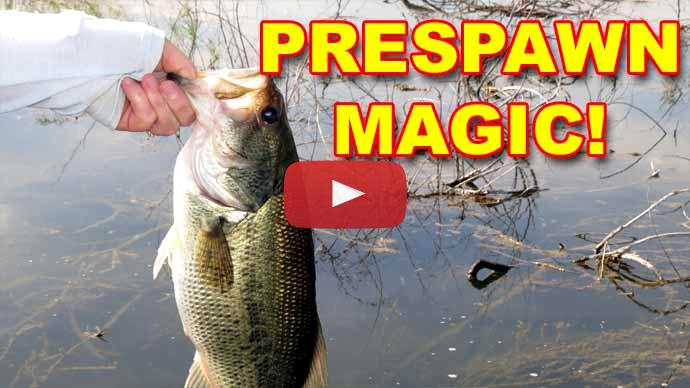
Hey guys, Bassmaster Elite Series Pro Wes Logan here. Even though it’s 75° and sunny where I am today, I want to talk about wintertime grass fishing, one of my favorite ways to catch bass—especially on grass lakes. When I say “winter,” I’m referring to late December through February, when water temps are coldest and fish are in a 100% pre-spawn pattern. They’re staging, feeding up, and preparing to move shallow to spawn, and this window offers some of the most rewarding—though sometimes challenging—fishing of the year.
When I target grass in winter, area is more important than bait. You want to focus on places just outside major spawning grounds—like depressions, ditches, or deeper pockets in flat creeks. These areas are bass highways, where fish stage up before moving to shallow flats to spawn. Grass is typically sparser this time of year, but in healthy grass lakes, there’s still plenty of cover. What I’m really looking for are holes in the grass—open spots the size of a boat surrounded by hydrilla or milfoil. These bare spots may be hard bottom, clay, shell, or just places where grass didn’t grow. Whatever the reason, they create their own micro-ecosystems: plankton settles there, attracting baitfish, crawfish, and bluegill—which, in turn, attracts bass. Sometimes fish will sit directly in the hole; other times, they’ll set up on the grass edges to ambush prey.
Aside from clean holes, I also look for sparser grass areas—spots where the grass thins out compared to surrounding mats. This transition zone often holds the most concentrated fish. Once I find an area like this, I keep my bait selection simple but strategic, leaning heavily on reaction baits that help me cover water efficiently.
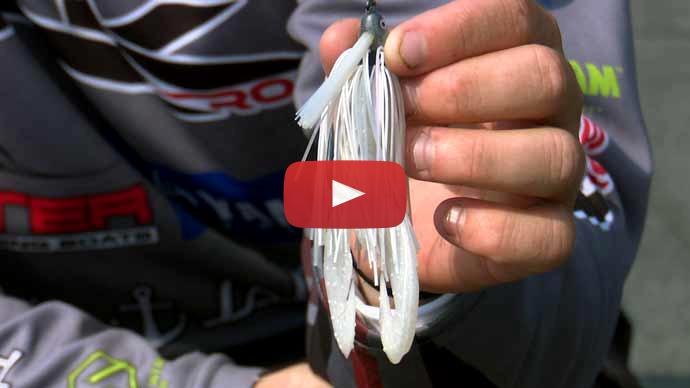
The #1 bait in my winter grass arsenal is a vibrating jig—specifically, a JackHammer. I’m not sponsored by them, I just believe it’s the best chatterbait on the market, and I buy them myself because I trust them in tournaments. I pair it with two types of trailers depending on the profile I want. For a crawfish look, I go with a Zoom Z-Craw Jr., especially with colors like fire craw, green pumpkin red, or black/blue. When I want to imitate baitfish, I use a Zoom Shimmer Shad. Keep in mind, crawfish are more active than you might think in winter—they’ll even climb grass stalks and jump from one to another. That’s why ripping or feathering a chatterbait through grass mimics natural crawdad movement and triggers big bites.
When choosing chatterbait size, I stick with 3/8 oz or 1/2 oz, depending on grass thickness and depth. I’ll go heavier if I need to get through deeper grass, lighter if I’m staying up higher in the column. The key is to feather it through the grass, not just rip and snatch aggressively. Most bites come when the bait flares free and settles again.
The #2 bait I rely on is a jerkbait, which has become a staple for bass anglers year-round thanks to forward-facing sonar. But even without sonar, jerkbaits are deadly in the winter because they offer a completely different look than a lipless or chatterbait. I can keep them just above the grass by adjusting line size or weighting, and they’re great for ticking the top of submerged grass beds. My retrieve is classic: jerk-jerk-pause, but I always pay attention to cadence, letting the bait suspend and tempt sluggish winter fish into reacting.
One important thing to remember: winter grass bass group up. You’re not going to catch one here and one there—you’re looking for schools, little wads of fish. That’s why covering water is crucial. If I catch one on a flat, I’ll mark a waypoint and then fish tight circles—50 to 100 yards—around that spot. Usually, there’s a group, and you can fire up the school and get multiple bites. If I don’t catch another one in 15-30 minutes, I’ll move on and continue scanning.
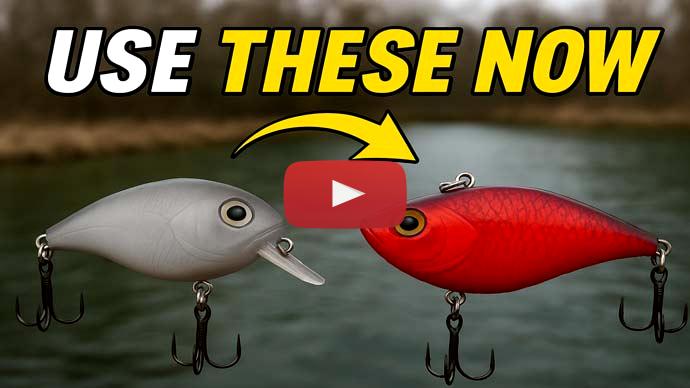
Another great bait for winter grass is a lipless crankbait—it’s right up there with the vibrating jig and jerkbait when it comes to efficiency. All three excel at covering water and triggering reaction strikes. I don’t like dragging baits in winter grass—jigs, Carolina rigs, or worms—because you’re hunting for concentrations of fish, not picking apart isolated targets. These power-fishing tools are just more effective for that mission.
Color selection in winter is fairly straightforward: I stick with white/shad colors, black and blue, and fire craw. If I had to start with one, it would be fire craw—it’s incredibly effective from Alabama to Texas to the Great Lakes in cold-water grass situations. It mimics crawfish perfectly and just gets bit.
So that’s my winter grass fishing game plan: focus on staging areas outside spawning flats, target holes or thin patches in the grass, and cover water efficiently with chatterbaits, jerkbaits, and lipless cranks. It can feel like searching for a needle in a haystack, but once you find them, it can be lights out fast. And here’s one final tip: bass tend to return to the same wintering areas every year. If you find a school now, there’s a good chance they’ll be close to that same spot next year. So next time you hit your local lake in the winter, fish the grass smart, stay patient, and good luck out there.