

In bass fishing, most talk is usually centered around the three major species: largemouth, smallmouth, and spotted bass. These are the most common, and although they are not present in every region, they are widespread enough to receive the most attention. They are all great targets for bass fishing and have their unique idiosyncrasies, but several more subspecies of bass live in some parts of the country that can be very fun to catch.
These "other" species are just as fun as the more common species, and if you get the chance to target them in their home regions, you've got to give it a shot. There's even the chance to try to catch them all or attempt the "bass slam," as several groups have done in the past. It's a worthy "bucket list" for anyone who loves bass fishing, provided you're willing to travel and try your luck at crossing all of them off your list. Here's more about these other bass species and where to find them.
Guadalupe Bass
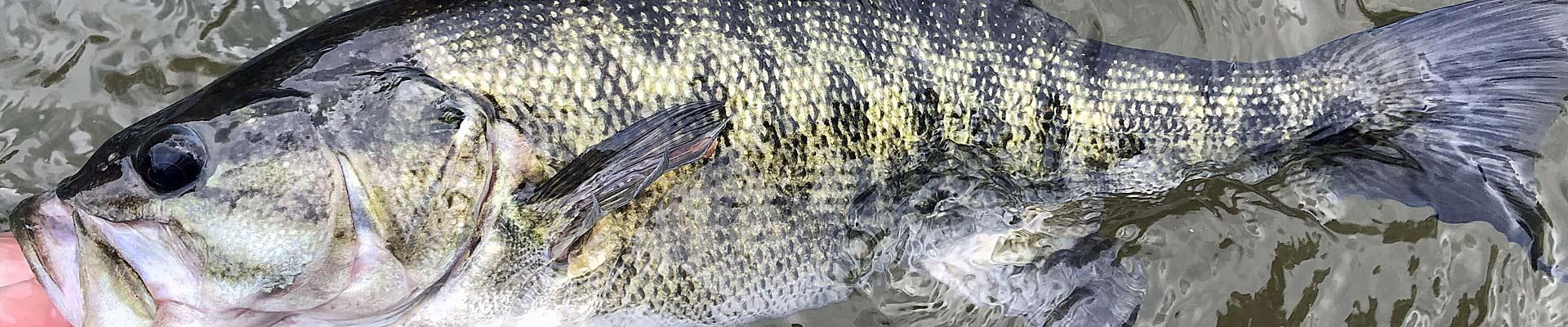
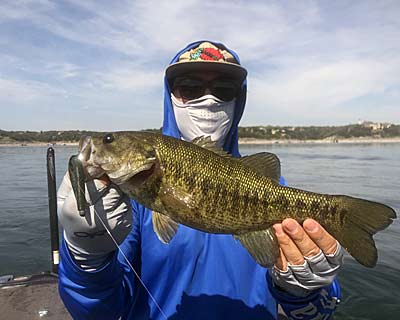
Native to Central Texas in the Guadalupe, Colorado, and other small rivers and connected lakes, the Guadalupe bass is a fearless fish that acts like a mix of a smallmouth and spotted bass. They are very aggressive, and even though they don't get huge, they put up fight quite the fight. They are the state fish of Texas and are always fun to catch, even though they are much smaller than their largemouth cousins.
The world record is only 3.71 pounds, and commonly, they are relatively small, with most weighing around a pound or so. They can be found in lakes such as Travis, Austin, LBJ, and Buchanan, among others, in Central Texas. However, they are just as at home in moving water and prefer creeks and river systems, which are ideal places to catch them. They also love rocky shorelines. They are aggressive enough that most standard bass lures will work well, but jigs, tubes, and crankbaits are good for catching "Guads."
Shoal Bass

Another river fish, the shoal bass, can be found in parts of Georgia, Alabama, and Florida in the Apalachicola, Chattahoochee, and Flint Rivers. This includes sections of the popular Lake Seminole, located on the Florida-Georgia border. These unique bass love creeks and rivers and look similar to smallmouth at first glance; they also act like them on the end of your line as they pull with all their might. They are willing to bite most standard bass lures, but because they live in creeks and rivers, moving baits fished in the current around rocks, and current breaks are an excellent approach for catching a shoal bass.
In 2020, the shoal bass was named Georgia's official state riverine sport fish, and significant efforts have been made to keep the bass thriving in their native range. Since they are native fish with a limited range, the state recommends catch-and-release fishing to help preserve the species. Another issue is that they share the same habitat and forage with non-native Alabama bass, which compete for the same resources and also spawn with them, resulting in the hybridization of the species.
The Redeye and Suwannee Bass
The redeye bass is typically a small fish and the smallest freshwater species. A monster redeye wouldn't even be a legal keeper in most states for largemouth, with anything over 12 inches considered a trophy. This small bass can be found in Georgia, Alabama, Tennessee, and small areas in South Carolina.
Because they are smaller, small lures similar to panfish lures may be your best chance to catch one if they are on your list. They love rocky streams in the Coosa River drainage but can be found in several other river systems. They resemble smallmouth bass in certain ways, but their distinctive red eyes give them their name.
Florida is known as a bass fishing mecca, but their Suwanee bass is a unique species to target if you find yourself in the "Sunshine State," as they can only be found here and in some sections of Georgia. They don't get very big, with the world record weighing 3.89 pounds and typically weighing around a pound.
They love river systems and are used to current, so targeting them is best with the same approach you would use to target other bass in river systems. In Florida, they can be found in the Suwannee, Santa Fe, and Ichetucknee Rivers, and they have a unique coloring that includes browns, olives, and hints of turquoise blue, particularly during spawning.
The Spotted Bass Subspecies
The different subspecies of Florida-strain and northern strains are well-known among largemouth bass, but spotted bass also have distinct subspecies. There are three of them: northern spotted bass, Witchita spotted bass, and Alabama bass. They all look the same, with spotted markings down their sides and similar markings and colors to their largemouth cousins.

The Alabama bass grows larger than other species and can reach quite large sizes in California lakes and many southern reservoirs. This bass strain was designated as its species in 2008, and there is now record-keeping for both the northern spotted bass and Alabama bass. The world record Alabama bass is 11 pounds, 4 ounces.
If you ever get the chance, the "other" bass species are a worthy target. They are all unique species with limited range and beautiful colorations that make them a nice change of pace from just catching largemouth or smallmouth bass.