

I come from an underequipped clan, the angling equivalent of tourists climbing Mount Katahdin in Keens. We fished with yard sale baitcasters and short, steel rods, eventually reaching relative Nirvana with Zebco 404s atop pistol-gripped fiberglass rods. We could only dream of the chrome-plated Zebco 33s.
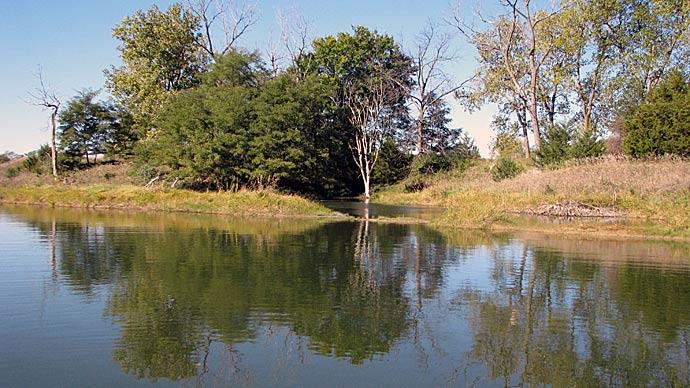
We were equally underequipped about bass savvy, knowing just enough to keep us casting. Two-trick ponies, we popped Creek Chub Plunkers and dragged Creme pre-rigged worms over mucky farm pond bottoms. Not surprisingly, our catches underwhelmed. We never surpassed a two-pound bass until my brother and I happened upon a small pond while scouting on our police auction bikes.
We took a few minutes to comb our hair with my brother's black comb before knocking on the door. Combing wasn't easy for me, for my hair was thick and windblown, but this small act charmed Mrs. A., the landowner, who'd been watching us from inside.
When she permitted us to fish, she explained, "I always tell folks they can't fish, but I saw you comb your hair. That was real work, wasn't it?"
And then she smiled, so I did too.
I did much more than smile when I promptly hooked a bluegill, which was swallowed by a bigger bass than I’d ever landed. I lost the bass when it released the bluegill, but that second when the never-hooked bass thrashed inches from the shore meant Mrs. A.’s pond had hooked me. I dropped my rod and ran to my brother, chittering the play-by-play of what had just happened.
We proceeded to catch several fine bass and asked Mrs. A. if we could return.
"Now and then," she replied, which elevated the pond's status even more, for not only did the pond hold bass big enough to swallow a big bluegill, but the infrequent fishing made it rare and rare things are precious.
So, “now and then” it was, as I always counted five weeks between visits, marking the calendar through spring, summer, and fall. One spring day on a scheduled visit, we bicycled a good five miles through a snow squall before the wind beat us back.
It was there that I caught my first 17” bass and then my first 18” bass and then my first 19” bass and on and on. The pond was little, but its fish, both bluegills and bass, were consistently chunky. After years of 14” and 15” fish, the 17 and 18-inchers were beshemoths to us.
Eventually, my brother faded off to college, so I asked Mrs. A. if my dad could also fish.
"Just the two of you," was her answer, still rightly protecting her tiny pond.
Three years later, I faded away to college too, returning home less and less, but one late October afternoon, I was home and my dad asked, “Wanna go? Wanna call her?”
There was no need actually to name Mrs. A., and yes, I wanted to go. So, we loaded the car one last time to fish, not stating that it would be the last time, but understanding in our guts that it was.
Being the final trip, I watched accordingly. On prior trips, I chattered all the way there, sharing where I'd fish and what I'd cast, and my dad did too, but this last trip, we were silent. I wanted to remember all that I could.
Our station wagon had a bench seat, and my father draped his meaty arm on the back of the seat. I smiled, looking at his forearm muscles. It was the very arm that had once pulled me from an icy creek when I lost control of my sled, and the ice broke, and I started sinking into the running water beneath. The same arm that grabbed my brother when he accidentally opened a car door and was about to fall out while we were underway.
Contemplating that life-saving arm and how, going forward, it would be farther and farther from me, mine was a melancholy smile, for sure, but melancholy rarely gets its due in the spectrum of emotions, as it honestly straddles bitter and sweet.
Descending the hill that preceded the pond, I watched for the beast. A German Shepherd lived at the bottom of that hill, and that dog long terrorized my brother and me on our bikes, but passing it one last time, when it was old and slumped on its lawn with no bikes to chase, made me smile again, waffling now between grief and gratitude.
Mrs. A. seemed older too, as older adults often seem the same for many years and then suddenly age. Seeing that we were also older this time, it was her turn for a melancholy smile.
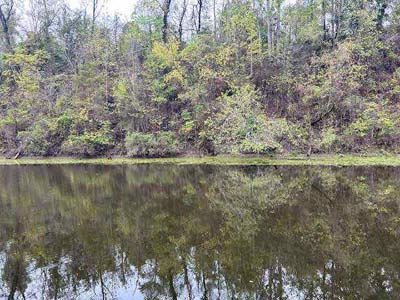
As that day was due, I continued to witness and remember walking down the slope to the pond. Mrs. A's husband had died the preceding year, so the grass was cut less. It was so long and luxurious with the recent rains that it muffled our footfalls. I looked to the left and saw the little dock where bluegills gathered. I looked to the right and saw the pond tapering into the trees. We cast, but no bass rose to our baits. It didn't matter; we soon sat and talked about bass past.
We laughed when my dad talked about landing his biggest, a dark and glossy 18.75-incher that he landed by backpedaling up the slope, falling twice. It was the same slope where we sat. And then he dialed back to much older memories, telling me stories from his farming boyhood.
Once he and his brothers found an old tire. It was a time when old tires still had value. So, they tied a rope to the tire, set it beside the road, and then hunkered in the corn, holding the other end of the rope. Whenever a car stopped to snag the prize, they pulled the tire into the corn. One driver gave chase, and my father and uncles ran through the corn too, laughing and pulling the tire behind them. I was happy to hear that my dad was once a rascal.
Those boys got their hands on a Model T. It had no body, just the chassis, four wheels, and a motor. They got it running, and in a time when there were far fewer cars, they'd take it for long drives, grinning all the way in the ultimate convertible.
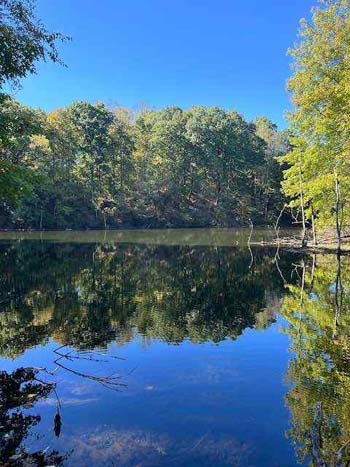
Then we just watched the water. It was black in that shrinking autumn light. Black is the best color for water, for black shrouds the bass and makes them even more mysterious.
Finally, my father said, “Let’s walk.”
There was an old road where the pond tapered into woods, and we walked that. We'd always known it was there, but had been too busy catching bass and bluegills ever to wander away. It cut through an abandoned orchard, and the apples had fallen, wormy, and bunched on the ground. My dad picked the two best and dug for his Schrade pocket knife in his pocket. He carefully cut the good bits of the apple, and we walked and crunched the surprisingly sweet meat. We were long past words. Just an abandoned road, apples, a father, and his daughter. It was nearly dark when we returned to Mrs. A.'s home.
“You’re welcome anytime,” she said.
We were long past “now and then.”
Sadly, we were also just past returning, but before that coming winter's snow fell. All the following winters' snowfalls, I had squirreled away my dad's thick arm, the German Shepherd, Mrs. A., the uncut grass, the glossy, black water, the old road, the fallen apples, and our bittersweet skunking.