

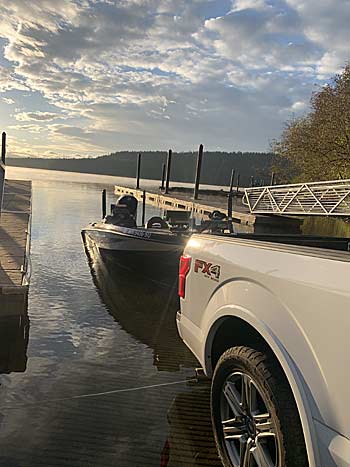
Early spring bass fishing is often decided before the boat ever touches the water.
Spooling fresh line and reorganizing tackle is the easy part. The real work is making sure minor problems don't become major issues that end your season before it ever begins.
In the past few seasons, professional anglers have dealt with onboard fires, lost props at the ramp, charging systems that failed mid-day, and cold-water immersion scares.
Sometimes things just happen. But many of the problems that occur on the water begin weeks earlier, when simple inspections are skipped.
It’s not the guys with the newest electronics or tackle who show up ready in March. It's the ones who spent the winter checking their rigs, making sure everything's ready for a safe, trouble-free season.
Why Pre-Season Prep Matters (Wake-Up Calls From the Pros)
Early-season breakdowns rarely come from major mechanical failures. More often, they come from small parts no one thought to check.
In one recent tournament, a camera battery caught fire during competition. Fortunately, fire extinguishers and a well-designed battery system kept the damage from becoming far worse.
In another case, a pro angler lost a prop at the launch ramp after swapping props between boats and forgetting to tighten the nut. The fishing day ended before it ever began.
And a third pro went for an unexpected swim in 51-degree water trying to recover a rod, only avoiding hypothermia because spare dry clothes were on board.
The pattern is always the same. The disasters come from the “boring” checks.
Boat & Rigging Prep (What to Reset Before Opening Day)
A boat that’s been sitting all winter will remind you of everything you forgot the second you hit the water.
Start with a walk-around on dry ground. Look closely at the hull and transom for stress cracks, blisters, loose fittings, or anything that doesn't look quite right. Minor issues now turn into expensive ones later.
Plastics & Fittings:
Cold weather is especially tough on plastics. Livewell fittings, hoses, spray heads, and float switches become brittle during freeze-thaw cycles.
A cracked fitting or a stuck float switch might seem minor in the driveway, but it can become dangerous when water starts to build in the bilge.
Hardware & Fasteners:
Metal hardware deserves the same attention. Transom bolts, jackplate fasteners, and prop hardware can loosen over time. Even if everything looks secure, put a wrench on it and make sure.
Lower Unit & Gear Lube:
Lower-unit service is something a lot of guys skip — and regret. Changing the gear lube isn’t just lubrication. Milky oil is often the first sign of a leaking seal that can destroy a lower unit if ignored.
Fuel & Additives:
Fuel systems are another common early-season problem. Ethanol breaks down rubber lines during storage. I learned that expensive lesson a few years back.
Surgery kept me off the water one winter, and I left untreated fuel in the system. By spring, the fuel line had gummed up, sending trash straight into the engine. Yep - winter prep matters.
Battery Maintenance & Charging Systems:
Charging systems may be the most overlooked system on any boat. With today’s bass rigs featuring multiple graphs and 24- and 36-volt trolling motors, batteries only work as well as the system that charges them. Clean the terminals and load-test your batteries before you trust them on the water.
Safety Gear That Saves Lives
Early spring is still a dangerous time of year to be on the water.
Winter is winding down, but cold shock and hypothermia are still very real risks when water temperatures are below 60 degrees.
U.S. Coast Guard accident data consistently shows that most boating drowning victims were not wearing life jackets — a statistic that becomes deadly in cold water.
Fire extinguishers should be charged, unexpired, and mounted where the driver can reach them instantly.
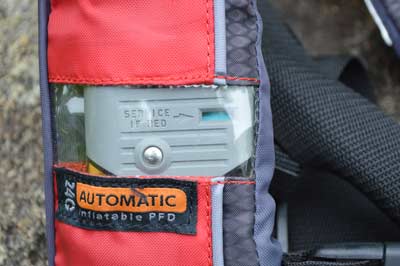
Inflatable life jackets should be inspected and recharged.
Kill-switch lanyards should be tested. Don’t just assume they work.
Flares and air horns matter more early in the season than almost any other time.
Fog, low light, and light boat traffic create conditions where being seen and heard can prevent serious accidents.
A basic first-aid kit is another piece of safety gear many anglers forget until they need it. At a minimum, a basic first aid kit should include:
- Waterproof bandages and adhesive tape
- Gauze pads and roller gauze
- Antiseptic wipes or spray
- Antibiotic ointment
- Pain relievers
- Medical scissors
Hooks, cold hands, and wet decks are a bad combination. Having these items on hand could mean the difference between a minor inconvenience and an end to your day.
Communication, Navigation & Electronics Backup
We all rely on electronics — but how prepared are we when they fail?
I spent many years on the water from South Florida to Alaska, and I’ve been in more than one situation where help was the only thing that mattered.
Being able to reach out is not an option. It’s a necessity.
Cell phones should always be protected in waterproof cases and backed up with a power bank. They should also be tethered to something solid in the boat to prevent them from falling overboard or bouncing around and breaking.
On large or remote lakes and rivers, I choose to carry a handheld VHF radio. Satellite trackers, personal locator beacons, or EPIRB units are more expensive but well worth the expense when your life is on the line.
Navigation systems need to be updated before the first low-light launch. Update map cardsusing the manufacturer's software or the in-unit update feature.
Outdated contours or shifting channels can catch you off guard in low light.
Refresh the sonar software. Newer versions often fix bugs and add features that help in low-light or stained water.
Trailer & Launch Equipment (Where Many Breakdowns Start)
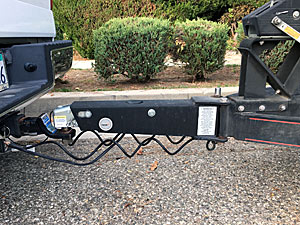
Many early-season breakdowns happen before the boat ever reaches the water.
Trailer bearings and hubs take a beating during winter, especially after repeated freeze-thaw cycles. I’ve personally spent more than one morning on the side of the road wishing I had followed my own advice.
Lights and wiring should be checked well before tournament morning. Talking fishing with buddies at the ramp is a lot better than explaining your broken trailer lights to local law enforcement.
Winch straps, safety chains, and bow eyes are easy to forget until one of them fails. Don’t forget to check them too.
Rod, Reel & Tackle Reset
Once the boat and trailer are good to go, you can give all of your attention to the fun stuff—fishing gear.
Rod guides develop cracks that fray the line. Drags left locked down compress during storage. Bearings dry out. A quick cleaning and a little oil now will save you time and aggravation on the water.
The Non-Traditional Gear Experienced Anglers Never Forget
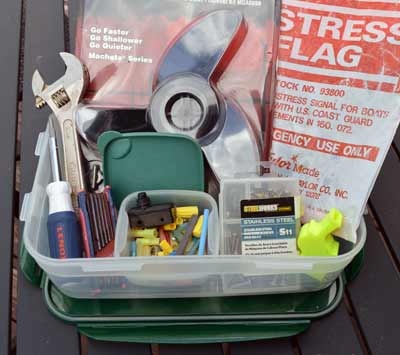
Beyond rods and reels, most veteran anglers carry a small “parts box” for the problems no one plans for.
A few pieces of “save the day” spare hardware — prop nuts, drain plugs, cotter pins, and shear pins — can save an entire trip.
A compact tool kit with a prop wrench, sockets, electrical tape, zip ties, and spare fuses should cover most on-water repairs you will encounter.
A Practical Pre-Season Bass Prep Checklist
Finish your winter prep with one final systems check before the first launch:
Boat & Rigging:
Inspect the hull and transom; replace worn prop hardware; change lower-unit oil; inspect fuel systems.
Safety & Survival:
Test fire extinguishers, replace flares, inspect life jackets and kill switches, and restock first-aid and thermal gear.
Electronics & Power:
Load-test batteries, verify charger output, update sonar and GPS software, and pack backup power.
Trailer & Transport:
Grease bearings, test lights, inspect tires and straps, and carry roadside tools.
Gear & Tackle:
Service reels, replace line, reorganize tackle systems.
Preparation Is the Real First Cast
Early spring bass fishing rewards anglers who put in the effort and prepare like professionals.
The guys and gals who spend the most time on the water in March and April are the ones who treated winter like spawning season.
Before the first launch of the year, the best investment you can make isn’t a new rod, reel, lure, or graph.
It’s preparation.
Ed Crocker is a bass angler and fishing writer from West Virginia, writing for beginner-to-intermediate anglers. He shares practical advice on seasonal bass patterns, tackle, boat prep, and on-the-water safety, helping anglers spend more productive days on the water.