

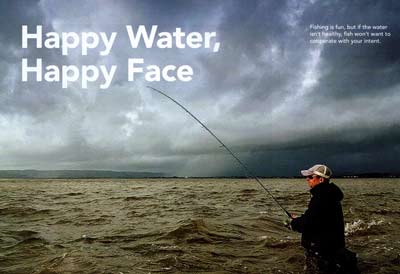
There's something deeply satisfying about stepping to the shoreline of a clear, healthy lake. Whether you're casting a line at sunrise, cruising in a jon boat, or just soaking in the view of a beautiful sunset from the dock, the quality of the water sets the tone for what follows.
Around here, we call it "happy water; happy face," and once you experience the difference, you'll understand why.
Big Water, Big Responsibility
Lakes and ponds, whether big or small, have many moving parts to manage. Depth zones increase the likelihood of thermal stratification. Runoff means greater exposure to nutrients. Sunlight and wind influence water quality.
Lakes may look serene on the surface, but underneath, they're always changing. Leaves, grass clippings, and fertilizer flow in during storms. Algae blooms come and go with the seasons.
Without proper management, these inputs accumulate over time, fueling plant overgrowth and compromising the natural balance.
Nutrients like phosphorus and nitrogen don't just disappear. They fuel the growth of algae and aquatic weeds, which then die, sink, and decay. That decay uses up valuable dissolved oxygen and creates muck at the bottom of the lake. Over time, the muck layer thickens, fish habitats degrade, and water clarity drops.
Nature won't allow those nutrients to go to waste; they're typically recycled into something else green. Hence, more plants or algae blooms.
Every Day Fishing is a Good Day-Some days are just better "catching days" than others.
Now imagine this: It's a perfect day. The sky is calm, the weather is stable, and your tackle box is loaded. But after hours of casting, you come up empty. Maybe it's not your gear or your skill, maybe it's the lake, or is it? That's one of the unsolved mysteries of fishing.
What we do know is that fish are sensitive to their environment. Poor water quality doesn't necessarily kill fish directly, but it can trigger a chain reaction of stress, oxygen loss, and other stressors that can put a fish population at risk. Low oxygen levels make fish lethargic.
In other words, if the water isn't in good shape, the fish probably won't be either.
A properly maintained lake, on the other hand, supports active, feeding, and thriving fish. Aeration systems help stabilize water chemistry and oxygen levels throughout the system. Biological treatments help break down excess nutrients before they can cause trouble. And thoughtful shoreline management keeps invasive plants in check.
When these systems are in place, the entire food chain, right up to the fish on the hook, works better.
Maintenance: Not Just for Emergencies
One of the biggest mistakes landowners make is waiting for a problem before acting. Treating lake management like a fire alarm, only reacting when something's already gone wrong, misses the real value. Don't react, be proactive.

Preventive care is key, regular water monitoring, visual inspections, physical and mechanical cleaning and consistent use of tools like diffused air, use of biologicals such as beneficial bacteria and enzymes, as needed weed and algae control treatments, can make all the difference. A little effort, spread over time, helps avoid big issues later.
What to Do?
Your job, or our job, is to make sure the water is healthy. Every day the water isn't healthy is a step backward and tough to make up.
Frankly, when water quality deteriorates, it's not necessarily something that occurs overnight. It's a build-up, a collection of parameters that come together. Look at it as the ingredients of a recipe, maybe not your favorite...or maybe it is. Add a few cups of this, a pinch of that, the wrong oven temperature, and the result isn't quite what you want. Like a bad soufflé, your pond can come out flat, compromising its health and the health of its occupants.
Where to start?
Start by being aware. Pay attention to inputs. Pay attention to water coloration. Pay attention to fish behavior. Notice when plants are growing. Take time to understand the types of plants, where they grow, and how dense they are.
If you can do that, you are being proactive. When you see something you don't understand, call someone who knows more than you do.
The Payoff
A clean, healthy lake isn't just about catching fish. It's about creating an ecosystem where everything works as it should. It's about making memories, protecting property value, and enjoying the outdoors. So, whether you're managing a five-acre pond or a fifty-acre lake, remember: when the water's happy, the wildlife is happy, and the people can enjoy it and can't help but smile.
Patrick Simmsgeiger is the Founder and President of Diversified Waterscapes, Inc., based in Laguna Niguel, California. A licensed Aquatic Pesticide Applicator, Landscape Contractor, and Certified Lake Manager, Patrick brings rare expertise across the entire spectrum of aquatic management. From product research and development to manufacturing, application, and treatment, he is one of the industry's professionals with hands-on mastery at every stage of aquatic treatment.
Reprinted with permission from Pond Boss Magazine