

For your northern waters, have a plan in place to get your fish in the best shape possible. You know that having happy water is the most essential part of your struggle to have a successful winter and produce healthy fish.
But if your fish don't go into winter with plenty of energy stores in the form of fat, they'll metabolize their flesh. That weakens the fish to the point that some of them will perish.
Even cold-blooded creatures don't really like frigid water. They need all the help they can get.
What to do?
The first job is to manage aquatic plants. If they aren't serving a solid purpose for the fishery, now is the time to take action. If they are harboring lots of baitfish and nice-sized insects, leave them be.
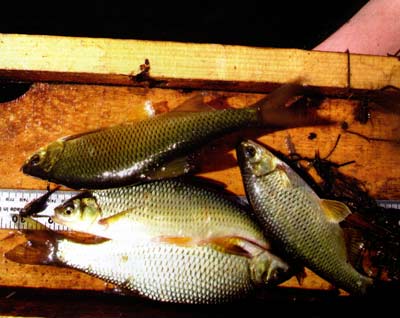
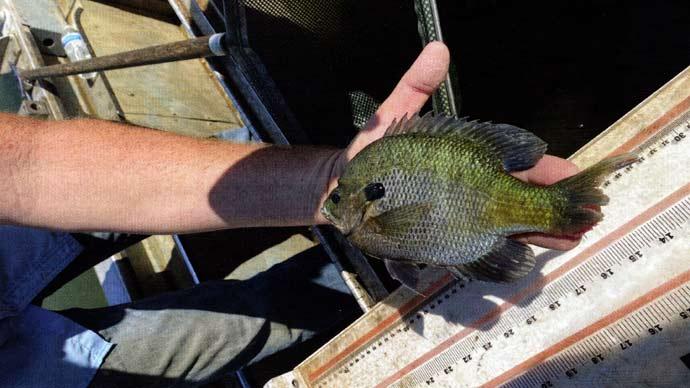
Weigh and measure your target species. See how your fish compare to standards. Those numbers are available in past issues of Pond Boss, as well as other online sources. As long as your fish measure 90% or better at this point in summer, you are probably fine...heavy on the word "probably".
Be culling those underweight fish now through fall. If they measure less than 90%, turn them into ceviche or some other delicacy. It's okay to eat some of your fish.
Sample your food chain. It should be escalating right now. Nature's mission is to grow enough food for your predator fish to be able to eat and grow fast in the upcoming fall months.
If you have a high predator population, consider harvesting those fish and supplementing with baitfish. In northern ponds, look at fish such as golden shiners or emerald shiners. Contact the nearest fish hatchery and ask for their advice on what's available.
If your predators need a bump up in food, do it.
One caveat: don't buy something that doesn't fit into the native fish populations. Don't buy red swamp crawfish from Louisiana or rusty crayfish from anywhere. The momentary gain of feeding your fish some exotic species is soon offset by the ecological harm you are at risk of causing.
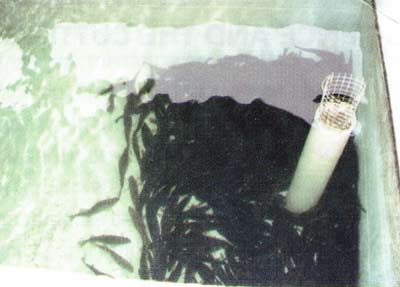
To get a boost from your existing forage fish, consider feeding a high-protein feed, even if just for a short six or eight weeks. Make sure the first ingredient on the tag is fish meal, not some grain-based fish food.
Here's another tip...consider feeding your insect larvae. Yes, that can be a thing...a few pounds of cottonseed meal could be the jumpstart your water needs to boost the success rates of larval insects, such as dragonfly or damselfly larvae. They may not directly eat cottonseed meal, but what their favorite foods eat will dine nicely, even if just for a few weeks.
If you can figure out how to push your food chain up a notch between now and Thanksgiving in your northern waters, you'll have a good recipe for sending your fish population into the cold months in much better shape.
That will make for better ice fishing, some wintertime meals for you, and a healthier population of fish coming into spring next year.
Reprinted with permission from Pond Boss Magazine