


Spring is here, and that means the bass are spawning. Exactly when it happens depends on where you live, the weather this year, and many other factors. There is no general date for when the bass will spawn, and not all bass will spawn at once, so this process can drag out over several weeks or even months.
There are also phases before the bass spawn, and immediately after that, excellent bass fishing opportunities will be available if you know how to approach them.
Pre-Spawn Bass Fishing
Before the bass move to shallow water to spawn, they will stage in areas leading into these areas. The fishing can be excellent when you get around pre-spawn bass because they know that they need to eat as much as possible before their annual ritual. It’s also a time of year when you can catch some big bass, as the biggest fish in the lake have their guard down a little as they have spawning on their mind.
Some of the best areas to locate pre-spawn bass are often found by working backward, meaning looking at where the bass will spawn and then turning around and going a little deeper. If you are familiar with popular places where bass spawn on your home waters, work from there back towards the main lake or river and try to intercept these bass coming towards you. On a new body of the lake, look for protected pockets, backwaters, and other places that bass could use to spawn, and then look for points, deeper docks, and other areas that bass could use to stage before they move up to spawn.
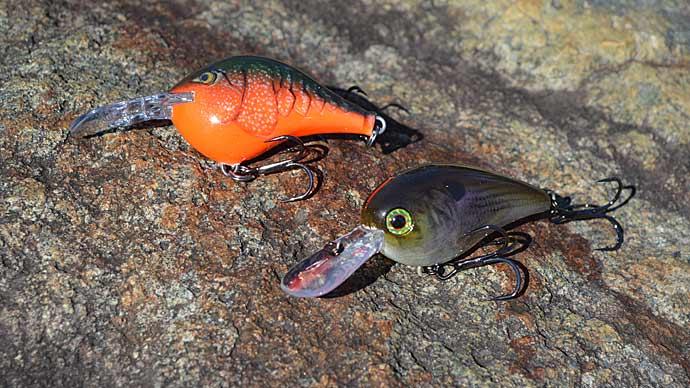
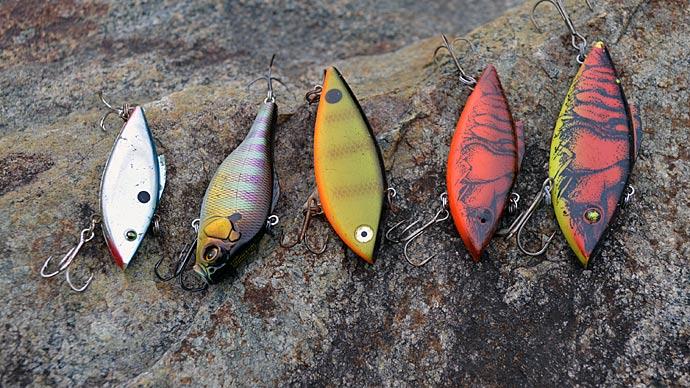
There are many different ways to catch pre-spawn bass, but some tried-and-true favorites are crankbaits, jigs, ChatterBaits, and jerkbaits. All four of these lures have been staples for anglers for years this time of year and continue to produce bass every spring.
Spawning Bass
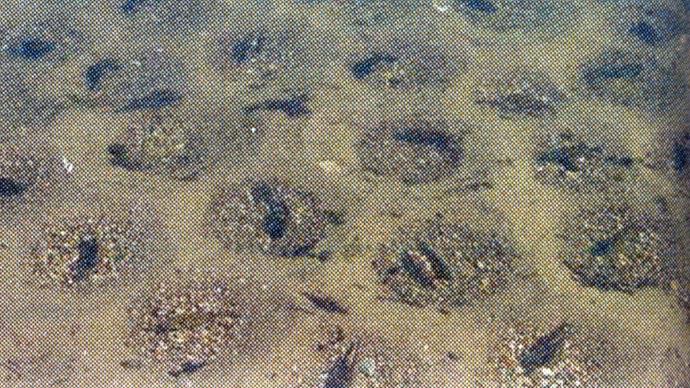
Targeting spawning bass can be controversial because some anglers prefer not to interrupt bass at this time, but some skill is still involved with catching these bass. Just because you can see them does not mean they will be easy to catch, and it sometimes takes quite a bit of time to get them to bite. It’s also good practice to get it back in the water quickly so it can return to its bed if you plan to release it.
One of the most crucial things about catching spawning bass is locating them, as many will be hidden very well. Once the water temperature hits the low 60s, start looking for bedding bass. This is where a good pair of polarized sunglasses helps to scan and search for spawning bass. Often, the bigger fish spawn in slightly deeper water and can be hard to detect at first glance.
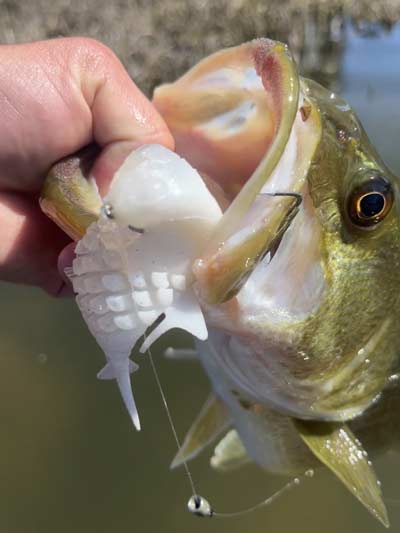
There are many approaches for catching spawning bass, and many different lures will work, but generally, repeated casts to the spawning area are what will get the bass to trigger and finally bite. Some of the best baits for this are small creature baits on a Texas-rig, a tube, and a drop-shot rig. These are fantastic baits for targeting bedding bass, and many anglers prefer a solid white lure to stand out and aggravate the bass, and make it easier for the angler to see when the bass has engulfed the bait.
Tackling the Post-Spawn
After the bass spawn, they are tired and hungry but can also be a little temperamental. This is why many anglers refer to this time as the “post-spawn funk” when things aren’t quite normal, and the bass can be a little lethargic, but there are still some great chances to catch piles of bass when they are done spawning.
This is a time of year when many bass move to slightly deeper water and tend to group up more, so you can get on a school of bass and catch a pile of them in a hurry with fast-moving baits like crankbaits, spinnerbaits, and topwaters. Often, bass spawning in shallow pockets and coves will head to deeper water and rest at the first available point that offers everything they need: food and shelter. Some prime places to look are the first few points leading into deeper water, docks with deeper water, or brush piles and rocks not too far away from where the bass were spawning just a week or two ago.

Male bass will stick shallow a little longer and guard the fry, and you’ll see them protecting the clouds of tiny bass for a few weeks. This is a good time to catch those bass with topwaters, frogs, small jerkbaits, and other baits that pose a threat to their offspring.
Another great opportunity to catch bass after they spawn is to capitalize on the baitfish spawns. After the bass spawn, their forage does the same. Bluegill are a prime target for bass any time of year, but when the bluegill are on beds, bass will often roam together in groups or “wolf packs” as they raid the shallows. Bass will surely be nearby if you find bedding bluegill. Some of the best ways to fish in these areas are with topwater poppers, frogs, and wacky rigs.
The shad spawn is another phenomenon that happens after the bass spawn, and the fishing can be incredible when it happens. Shad spawn at night along hard surfaces like docks, seawalls, bridges, and riprap and will continue until the first hour or so of the morning. If you are there when it happens, the bass will be feasting, and anything that looks like a shad will get bit. Swim jigs, spinnerbaits, jerkbaits, and topwaters can put bass in the boat in a hurry.
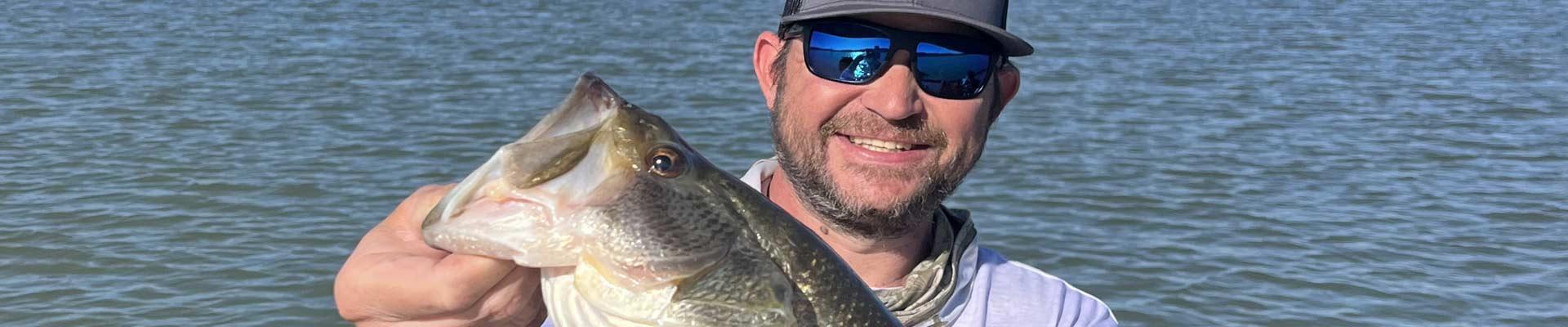
Bass fishing during spring is always a good chance to catch a lot of bass, as the bulk of the fish population will be shallow and accessible to anglers. Knowing a little more about the spawning phases and how to approach each one will put you one step closer to great spring bass fishing.