

Bass fishing has never suffered from a lack of opinions.
Ask ten anglers how to approach a body of water, and you'll get ten different answers, each delivered with complete confidence. Confidence is valuable in fishing, but it often gets mistaken for something more important: consistency.
Tournament anglers and weekend fishermen alike fall into the same trap. They chase yesterday’s winning pattern, rely on feel instead of process, or abandon a sound plan after a slow hour. The result is frustration, second-guessing, and missed opportunities.
This article isn’t about secret spots, miracle lures, or viral tactics. It’s about building a repeatable decision-making framework that works across seasons, bodies of water, and pressure levels. The anglers who catch bass consistently aren’t always the flashiest; they’re the ones who make fewer bad decisions and adjust methodically.
Why Consistency Matters More Than Confidence
Confidence often comes from recent success. You caught them flipping yesterday, so you flip again today, even when conditions change. That’s confidence without context.
Consistency, on the other hand, comes from understanding:
- Why bass are positioned where they are
- What environmental factors influence movement
- How to eliminate water efficiently
- When to adjust and when to stay the course
Confidence says, “This should work.”
Consistency says, “This works because…”
Bass don’t care how confident you are. They respond to conditions.
Start With a Simple Environmental Read
Before making a single cast, take time to observe rather than rush.
Ask yourself:
- What season are we in—pre-spawn, spawn, post-spawn, summer, fall, or winter?
- What is the water temperature range?
- Is the water rising, falling, or stable?
- What is the dominant cover—vegetation, rock, wood, or open water?
- Is there current, wind, or bait present?
These factors narrow your options quickly. Bass behavior follows environmental patterns far more reliably than it does lure choice.
Eliminate Water Before You Commit
One of the biggest mistakes anglers make is committing too early.
They catch a single fish and decide, “That’s the deal.”
Instead, treat the first couple of hours as information gathering:
- Rotate through different depths
- Test two or three presentations
- Move quickly until you find multiple bites
The goal early isn’t to catch the biggest bass; it’s to identify where bites are repeatable.
Consistency begins when you confirm a pattern across multiple data points.
Choose Lures That Tell You Something
Some lures are better for information than others.
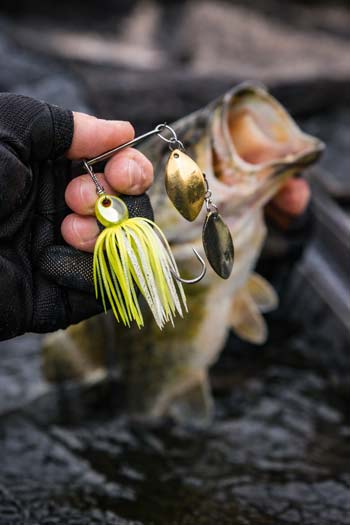
Reaction baits, such as spinnerbaits, crankbaits, and chatterbaits, cover water efficiently and help identify active fish. Even missed strikes provide information about depth, speed, and mood.
Slower presentations, like jigs, Texas rigs, and finesse plastics, excel once you’ve narrowed the zone.
A consistent angler uses fast baits to learn and slow baits to capitalize.
Manage Your Decision Tree
Think of fishing as a decision tree, not a gamble.
If bass aren’t biting shallow, go deeper.
If they won't chase, slow down.
If bites are small, change size, not style, first.
Avoid random changes. Each adjustment should be logical and connected to feedback from the fish or environment.
Random lure swapping creates noise. Purposeful adjustments create clarity.
Understand When to Leave Fish
This sounds counterintuitive, but sometimes the right decision is to leave biting fish.
If you’re catching non-keepers in a tournament or undersized fish recreationally, ask:
- Are these fish positioned to grow or move?
- Is there better water nearby with similar conditions?
- Am I learning something useful here?
Consistent anglers know the difference between productive water and distracting water.
Fish Pressure Changes Behavior—Adjust Accordingly
Highly pressured waters reward subtlety.
In these situations:
- Downsize line diameter
- Reduce lure profile
- Slow cadence
- Make longer casts
- Target less obvious angles
Pressure doesn’t eliminate bass; it educates them. Consistency comes from adapting presentation, not abandoning areas altogether.
Keep Notes….Even When You Don’t Want To
The most overlooked habit among serious anglers is documentation.
Write down:
- Water temperature
- Weather conditions
- Productive depths
- Successful presentations
- Time of day bites occurred
Patterns repeat seasonally and geographically. Notes turn experience into strategy.
Confidence Comes After Consistency
True confidence isn’t loud. It’s calm.
It’s knowing that even on tough days, your process gives you a chance. It’s trusting that adjustments will eventually intersect with fish behavior. It’s resisting panic when bites slow.
Consistent anglers don’t win every day, but they give themselves opportunities every day.
Final Thoughts
Bass fishing will always involve uncertainty. That’s part of the appeal. But uncertainty doesn’t mean chaos.
By focusing on environmental cues, structured decision-making, and disciplined adjustments, you reduce randomness and increase results. You don’t need to outfish everyone; you just need to outthink your previous self.
Consistency isn’t exciting.
But it's effective.
And effective anglers catch more bass.
Author Bio

Manny Sciberras is an Ohio-based competitive bass angler who fishes regional and national tournaments while continually learning the sport alongside anglers of all levels. While his tournament results are still a work in progress, his passion for bass fishing runs deep, from studying seasonal patterns and decision-making on the water to appreciating the lifestyle and challenges that make the sport rewarding. Manny enjoys sharing practical lessons learned through experience, both good days and tough ones, to help other anglers improve and enjoy their time on the water even more. Manny’s sponsors- Tactacam, Vicious Fishing, LureLock, FRCC-First Responders Coffee Company, and FenceCrafters