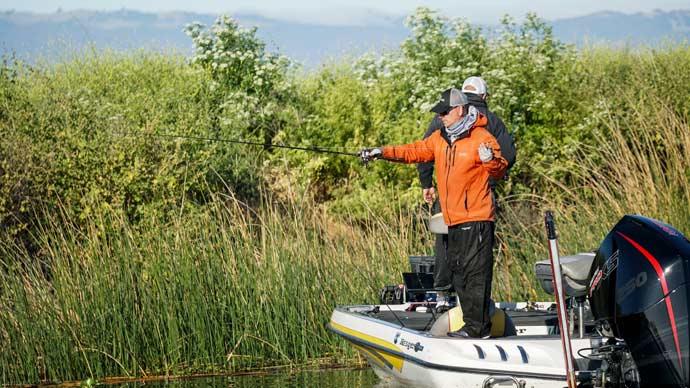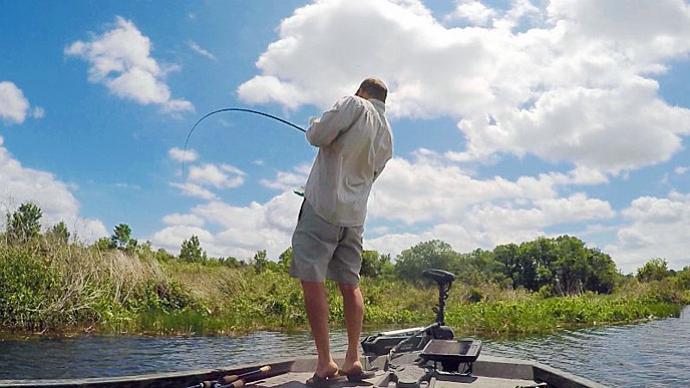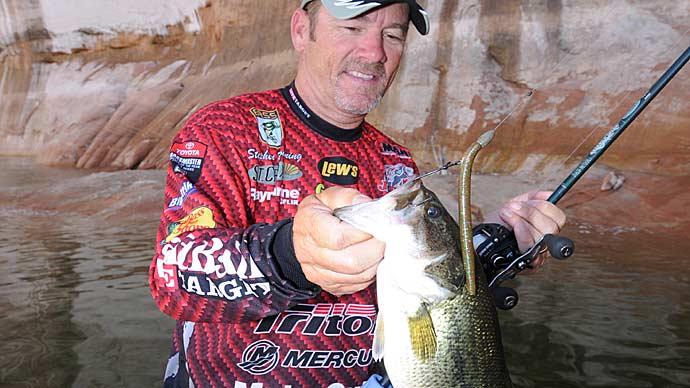


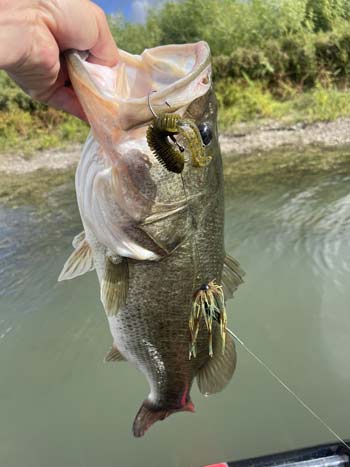
Aquatic vegetation can be one of the best things for a fishery, giving bass a perfect hiding place. It offers shade, cooler water temperatures, and a plethora of food. Fishing this grass is always a good way to catch bass, but as it grows thick in the middle of the summer months, it can be tricky to fish it efficiently.
One way to do it is to pick up a heavy rod, braided line, and punch right into the thick of it. Punching or grass flipping can be very effective, and this style of fishing can lead to some very big bass.
Breaking Down the Vegetation
Just about any matted vegetation that reaches the surface can be fished with this method. Still, different grass species each have slightly different properties and how easily they can be penetrated with your lure.
Hydrilla and milfoil are two excellent options for fishing this way if you have them in your waters, and they can be relatively easy to punch through. One downside to these grasses is that they often grow in massive areas, and it can be tricky to pinpoint exactly where the bass are in a field of vegetation.
Some clues will point you in the right direction if you look for places where the grass forms a point or has any change compared to the rest. This could also be a slight color change as a yellowish spot in a sea of green grass can show areas where the grass has begun to die and tells of a hollowed section beneath, which bass and bluegill will gravitate to.
Two other kinds of vegetation to punch include lily pads and hyacinth. Hyacinth grows thick and is easily visible above the surface; punching your weight and bait right into the heart of it can lead to some giant bass. Lily pads are also good, and their shade is perfect for a bass looking for a place to rest and live in cooler water.
Baits and Punching Gear
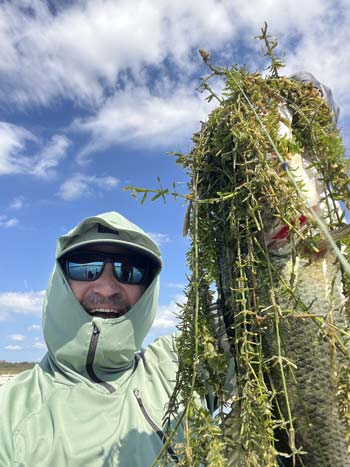
One of the most important things about fishing thick matted vegetation is having the right gear for the job. That includes your rod, reel, line, and baits as each plays an essential role in allowing you to fish the vegetation effectively and, as importantly, help you land a big bass wrapped up in grass.
For rods and reels, a beefy flipping stick is the way to go, as you'll need power to pull fish and grass in once you hook a fish. A good option is a G. Loomis IMX 7-foot, 11-inch heavy flipping rod and a 7.4:1 Shimano Curado reel. For line, braided line is a must, and braid like Seaguar TactX in 65-pound test is a great choice. This braid has a rougher texture and acts like a serrated edge. As you set the hook, it will slice through the vegetation and aid in landing the fish.
For baits, compact creature baits like a Reaction Innovations Sweet Beaver or Strike King Rage Punch Bug are great as they are bulky enough to hold a large hook, but streamlined enough to slip in and out of vegetation easily. A 3/0 or 4/0 straight shank BKK Armor Point Heavy Cover Flippin Hook is a good match for these baits, and the straight design of the hook will hook fish perfectly, especially when tied with a snell knot to get a better hookup.
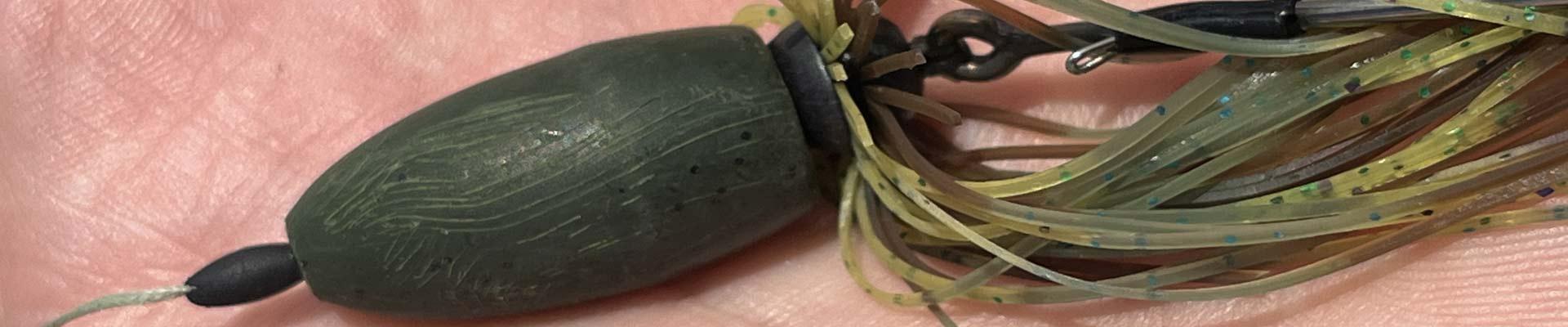
The other key is a tungsten weight; anywhere from a 1-ounce to even a 2-ounce weight is sometimes needed to punch through the cover. The general rule of thumb is to use the lightest weight you can get away with to easily slide through the grass without fighting it. You can also add a punch skirt above your hook for added appeal, and then add a small bobber stop, and you have a great grass punching setup.
Another option for punching vegetation is a specialty grass jig that comes in sizes up to 1.5 ounces. Most of them will have a beefy hook and pointed design to penetrate cover easily. Pair it with a compact soft plastic trailer to help the package get through the grass every time.
The Technique
One of the trickiest parts of fishing this way is getting down the technique to punch into the grass and then detecting the bite, often as the bait falls. This is a repetitive way of fishing as you are making countless presentations in a day, punching through the grass, letting it fall, and then bringing it back in to do it again. It's a way of fishing that requires utmost attention to catch the fish that bite.
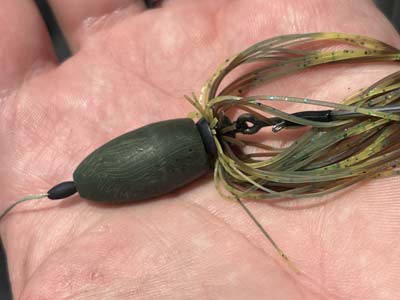
The fish will often grab the bait as it falls, and you may not feel anything. Sometimes it feels heavy, and at other times, you may be watching your line and notice that it never went slack, as it does when it hits the bottom. All of these are possible strikes and time to set the hook.
Another vital part of fishing this way is having the right hookset. Even though it's a power fishing technique, a massive hookset is not needed. Generally, sweeping the rod quickly upwards and away from you will drive the hook perfectly, allowing the rod to do the job. Setting the hook too hard can also be a detriment, as it will sometimes puncture the fish's mouth too much with the beefy hook, which can lead to lost fish as you battle them out of the grass.
Punching matted vegetation can be very rewarding if you can stick with it. It's a technique that can seem arduous at times, but some of the biggest bass in the lake will live in the thickest of cover, and fishing this way can be the only way to target these fish living deep in a jungle of grass.