

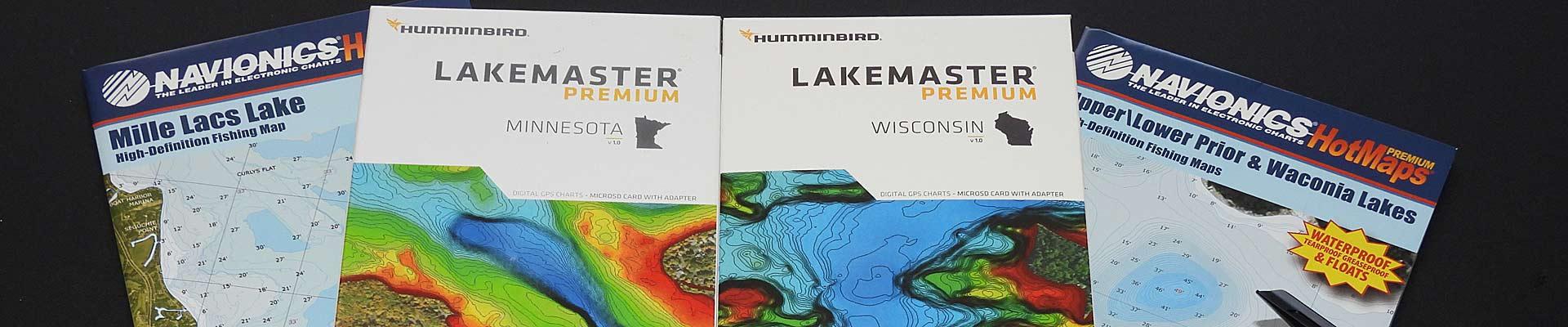
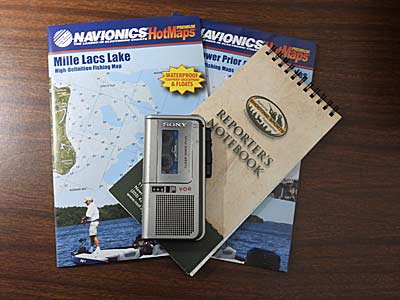
When faced with fishing new waters, what is your plan? Do you research before launching your boat for the first time, or wait and start your breakdown on the water? I like to do some fact-digging before taking on a new water mission. It may be as simple as looking at a lake map to see what structure is available and how the lake lays out. Let's go through some options at your disposal and help you plan how to break down new waters before you launch your boat for the first time.
Google Search: Doing a simple Google search is a terrific way to start your fact-finding mission. What have fellow fishermen said about the body of water you’re looking up? Please take some of what is said with a buffer, as some are probably 50-50 true. I often talk to someone I trust who has fished this water and get their take on what it truly offers. On the other hand, you may want to put your results to the test, produce your take on these waters, and check it out for yourself.
One Boat Network App: Johnson Outdoors offers an app in partnership with Humminbird and Lakemaster called One Boat Network. The app lets you use Lakemaster maps on your phone or computer and break down maps at your fingertips. It gives you an overall look at the body of water and how it’s laid out before even getting there. You can also transfer your waypoints to the app and target more areas and structures as you break down and learn about these new waters on every trip.
Check The States DNR Webpage: I live in Minnesota, and our DNR (Department of Natural Resources) has an extensive webpage that gives a wealth of information and a basic lake map of the body of water you’re researching. You can get past and future stocking information and current netting results on fish populations. This allows you to get a snapshot of the population and size of fish in these waters through the years. It also helps you plan your time on the water in more detail when selecting a body of water to fish.
Google Earth: Google Earth is one of the best tools I use for all my new water searches and breakdowns. You get satellite imagery of a body of water throughout the year and years past. As you create your fishing plan, you see how weedlines and water clarity change throughout the season.
Long ago, in the early years of Bassmaster tournaments, a few anglers would pool their funds together and hire a pilot to fly over the tournament water to see how the lake laid out. Often, they could find a few things from the air that other anglers were not privy to. Some of these were cuts back to backwater areas that you had to figure your way into or out of, or key high spots or rock bars that could be holding fish, cutting the learning curve in half.
Today, we have all this information at our fingertips if you have a computer and Google Earth. You can figure out weedlines and hard bottom areas from the air, which becomes a wealth of information and saves you time while on the water learning new waters. Use this tool to your advantage in helping you break down anything from small lakes to large reservoirs. You can see more from the air than you can figure out from the water, saving you time during your process and simultaneously putting you on tournament-winning structure. Another key is to look at the various stages these waters go through during the year. You can see weedline progressions and find different bottom transitions that stand out from only above.
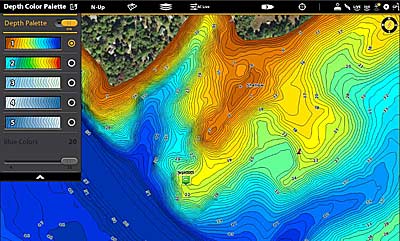
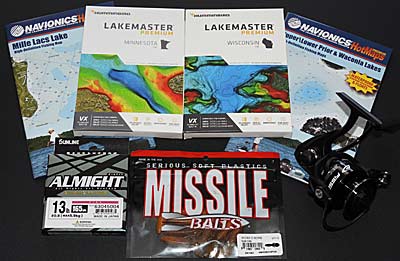
Map Chips: Many depth finders have built-in map systems that allow you to track your boat while on the water. They also often offer you advanced mapping features at a cost. Being a Humminbird user, you will get stock maps (called bitmaps) programmed in your unit. It’s a good start, but you must buy a map chip or download map options for the best information. This will give you 1- to 3-foot contours, making your map highly accurate and allowing you to see key structure easier, but what makes these areas stand out on the map is the depth shading available with specific units. If you’re looking into new units, it’s something that you’ll want to explore, as not all maps and units are created equal. If you have a few friends who run different units, ask if they can take you on the water so you can look at the maps and the units they have and get a closer look at what each brand offers.
Compare units and maps against each other to determine the best features in the class. You can also do this at a sports or boat show. Often, manufacturers will have booths at these shows, and it will be a terrific way to spend a Saturday seeing what each brand has to offer. That will give you an up-close look at the features available and help you decide what you want to get.
Have A Plan
Before you hit the water, try to have a plan. Set your plan according to the season you’ll be on the water. For example, let’s start in the Spring. Will the bass be spawning, or will you be on the water after the spawn? Let's use this as our example.
Go to some of the areas you picked and see if your hunch is correct. Put your skills to the test.
Based on the information you have and what you can see, pick out areas that will be good spawning areas for bass on this body of water. When you launch the boat, check the water temperatures in a few different lake areas and take a quick pass or two through the shallows and the areas you picked out. What do you see? Can you see any bass roaming in these areas? Are there bass on the beds, or are the beds there but all empty? By doing these few things, you can get a good idea of what you may be faced with.
If you don’t see any bass roaming the shallows or see any beds, the water temperatures could be too low for the bass to move in yet. So move out of the shallows and check the first drop outside these areas. Look for any signs of bass on your electronics, or throw a few baits up to the edge and see if you can get any bites.
When seeing empty beds, the bass may have already spawned and started to move back out again. I have a saying when looking for bass: Have a plan first. Try that plan to start with, and see if your plan is right. Are the bass where you expect them to be? If that isn’t the case, you have to react. If they are not where you expect them to be, take one step forward or two steps back.
You must determine whether they are in the stage before or after what you think they should be doing. That is the question that you’ll have to answer. It doesn’t matter what time of the season you’re breaking down any water; this plan will work all season long—one step forward or two steps back. You have to try one forward; where do they head to after the location where you thought they would be? If they’re not there, then take two steps back. Where should the bass be before your planned location? Thus, the saying, “One step forward or two steps back.”
Keep Records
To help you break down water faster and better, start to keep records of all your time on the water. This will give you a better idea of what happens in these waters’ lake by lake. It will also help you quickly put the pieces of the puzzle together on waters you have never fished. This snapshot eventually makes you a better angler as you’ll start to make faster adjustments from what you have learned by keeping records and looking at them before you hit the water. This also helps you collect more information about the waters you fish in more than once. I always look at my log as to what has happened in the past on this water and that helps me break down situations faster, allowing me to catch more and better fish during my time on that body of water.
I hope this helps you develop a plan to better break down waters in your area. From this, take the basics, produce your plan, and then start your learning process. Please be my guest if you want to use what I have laid out here as a start. I encourage you to use what I have built over the years and make it yours in the waters where you fish in your area. The goal here is to start and make it better than when you started.