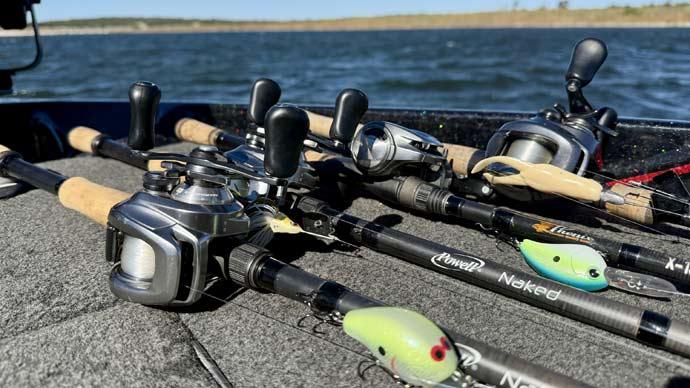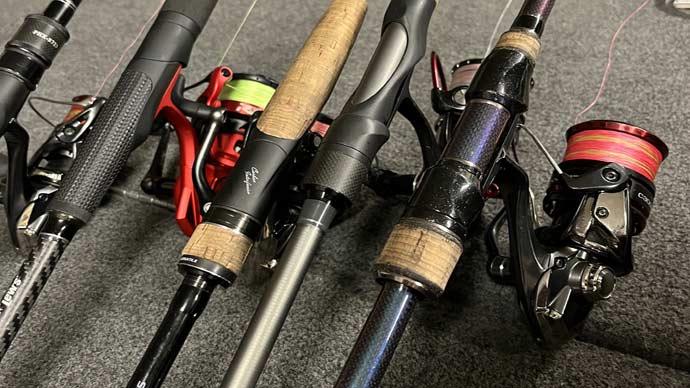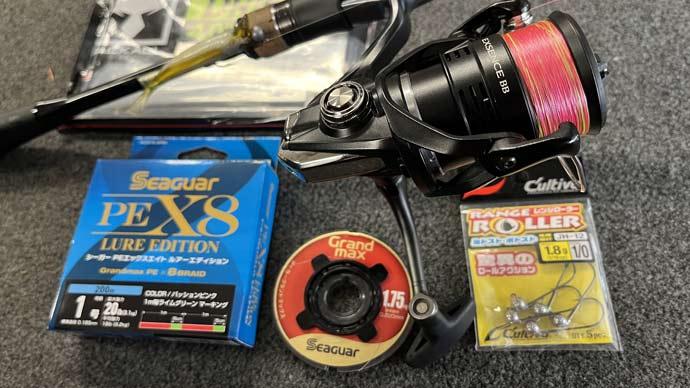


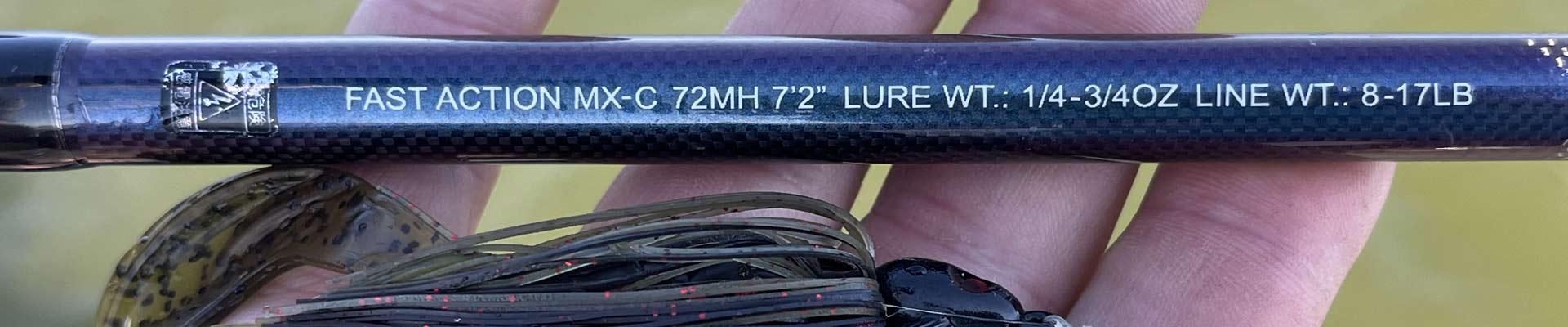
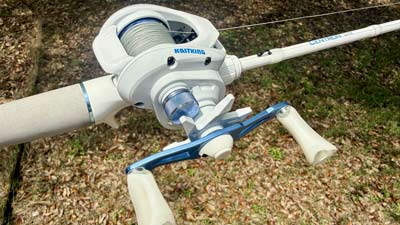
With so many different lure types in bass fishing, choosing the perfect rod for each technique can be confusing, but it doesn’t have to be. Sure, some rods can handle a bunch of techniques, but picking the perfect rod will make things a lot easier on you. Add in the fact that line sizes vary tremendously, and choosing the correct rod for each technique can make a big difference in your ability to work certain lures and your success when fishing them.
To simplify things, here’s a rundown of rod length, action, and power, and how each is important for picking the right rod for the job.
Rod Length
Most bass rods made today are roughly somewhere between 6 and 8 feet long, with rods in the 7-foot range being the most common. Most manufacturers place the bulk of their models around 7 feet, with an inch or two here or there, so the difference in rod lengths for certain techniques is minimal.
Picking the right rod length comes down to personal preference, but an angler’s height can also be something to consider. Generally, shorter anglers should go slightly shorter with their rod than taller anglers, but it’s not a requirement.
Some techniques are easier with shorter rods, like a jerkbait or topwater bait, when you are often working the bait with a downward motion. A slightly shorter rod works well here because you are not constantly slapping the water with your rod tip, so a rod that is 7-feet or less, even down to 6-feet, 6-inches, works for most anglers. A good all-around rod in this length for moving baits is a 6-foot, 10-inch medium-heavy Phenix Maxim, which can handle most jerkbaits and small to medium-sized topwater baits.
On the other side of things, longer rods help with techniques where making very long casts is critical, like when fishing a deep-diving crankbait or swimbait. A longer rod, over 7-feet, 6-inches, is also great for heavy cover when flipping, pitching, and punching, as the longer rod makes it easier to present your bait and also gives you plenty of leverage when making a hookset in thick cover. For flipping and pitching, the G. Loomis IMX Pro Flip and Pitch series offers rods designed specifically for fishing heavy cover.
Rod Power Explained
The “power” of a rod is how much strength you have in the rod and typically refers to how stiff a rod is. This also refers to how much weight a rod can handle and plays a big role in the size of lures that you can use with that rod. One tricky part about a rod’s power is that they can vary greatly from brand to brand, and there is no set standard. That’s why it’s important to take a look at all of the specifications on the rod, but also get it in your hands to see how it feels.
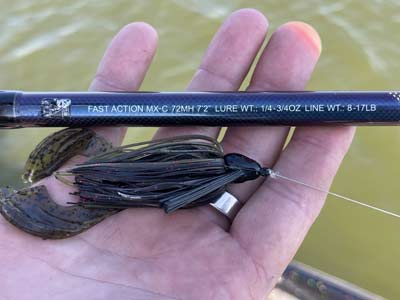
The most common rod powers in bass fishing typically include medium-light and medium for spinning rods, and several heavier options for baitcast rods. For baitcasters, some of the most widely used are medium, medium-heavy, heavy, and extra-heavy, although some can be rated even heavier.
A medium-light spinning rod is fairly light and can handle light line and finesse techniques like drop-shot, Ned Rig, and more. A medium spinning rod can still handle those, but also works with slightly heavier baits like tubes, Neko Rigs, and wacky-rigged Yamamoto Senkos. If you were to choose just one that can do it all for spinning, a 7-foot medium rod such as the Fenwick Elite would be it. It’s a versatile length and rod power that can handle just about anything you need to throw on a spinning rod.
For baitcast rods, a medium power is best for lighter baits and for using smaller baits with treble hooks, as the rod will not overpower on a hookset and help you drive those hooks. A medium-heavy is a do-it-all power that can be used for many techniques, including fishing jigs and soft plastics along the bottom, as well as moving baits like a spinnerbait or vibrating jig.
Heavy powered rods open up the world to even more techniques and work well with braided line when fishing frogs, and also for some flipping and pitching. When you get up to the extra-heavy, that’s when you are fishing extremely thick cover or when using hefty baits like swimbaits. If swimbaits are your thing, there are some excellent rods out there designed for the technique, including the Abu Garcia Beast or Shimano Outlier series, which includes several models for varying sizes of swimbaits.
What is a Rod’s Action?
While sometimes used in place of a rod’s power, they are two completely different things. A rod’s action is where the rod bends and how far it bends. For bass fishing, the most common are extra-fast, fast, moderate-fast, and moderate.
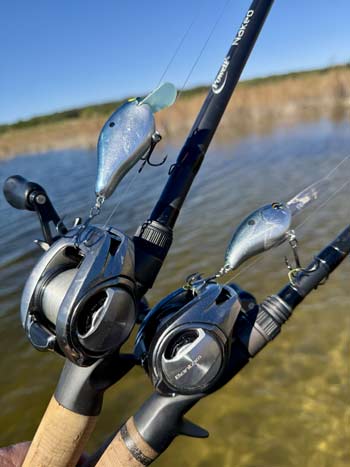
An extra-fast rod is pretty stiff, with a bend in the rod only down a few inches. This rod action is great for techniques where sensitivity is key, such as when working a jig along the bottom or dragging a bait. Fast-action rods bend farther down the rod, approximately a quarter of the way down, and have more give. They are great for finesse spinning techniques, but also work well when fishing baits like jigs.
The next are moderate actions, and most bass fishing rods are moderate-fast, where they bend about a third of the way down the rod. These rods are ideal for techniques like crankbaits, where you want some give in your rod, especially when fighting a fish with a treble-hooked bait.
Choosing the right rod may seem complicated, but with some general understanding of what all of the specifications really mean, you can quickly pick the right one for the job. These are the general rules for bass rods, but what feels right for you is also important and should be part of your decision process when you purchase your next rod.