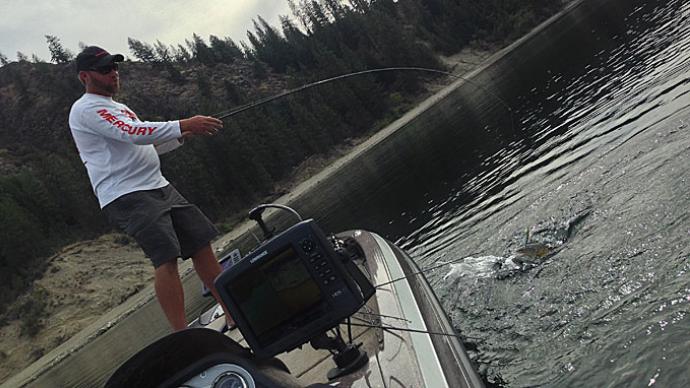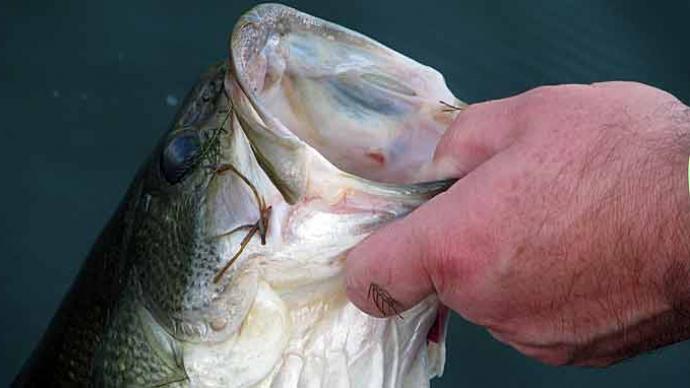


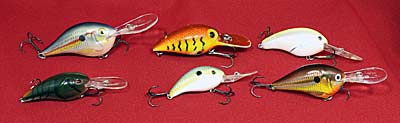
Later in the bass season, a change will be on the horizon. Many of the bass that have spent their Summer out in deeper water and impoundment structures are getting the message quickly that their primary food sources are moving shallower. The message is that if you want to eat, you had better make the trek to stay in contact with your primary food source. Where you’re located doesn't matter; it’s time to move when the bluegills or other baitfish sources get that message. They start to leave deeper water, hard bottoms, weed areas, and humps, making moves to shallower food sources to get ready for the coming seasonal change. This will be the same for bass fishermen down south; the only difference is that it will be later on the calendar. Deepwater forage will sense that change is coming and make a move shallower, staying in contact with a food source.
One of the best ways for fishermen to reconnect with bass is to cover water until contact is made. The best way to do this is to tie on a crankbait and start chunking and winding. In this article, I will cover many of the late-season crankbaits I stock and use after the leaves fall from the trees.
Rattle Baits
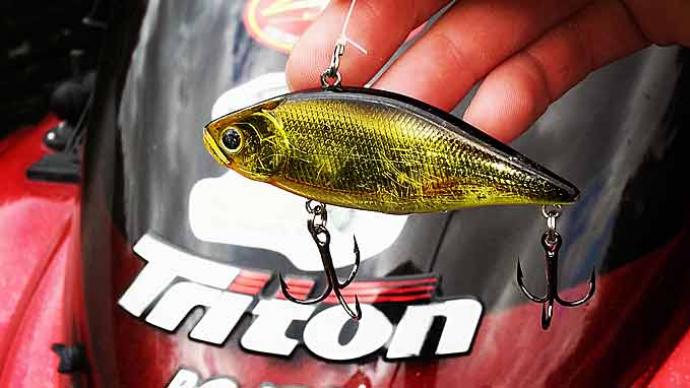
When bass move shallower, one of the first crankbaits I will grab is a rattle bait to help determine where the bass are set up. I need to cover water to reconnect with them and get everything dialed in. A rattle bait is the type of bait I can use for that purpose. I can make long casts and cover water, looking for any signs of bass.
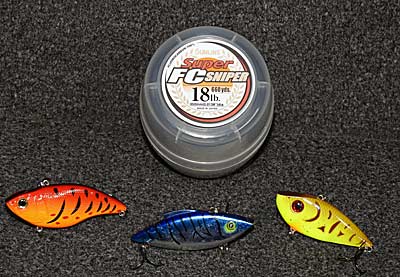
Once I get a few bites, I will break down the bite conditions better and make adjustments on the fly. The best way to generate strikes with a rattle bait is to contact the cover the bass are staying in or by. Breaking your bait free and getting it back on its way will be key. I’m still determining what the actual triggering factor is in this case. It could be the visual of the bait trying to get away from the bass, or it may be the extra noise that the bait makes when breaking free from the weeds, or just a combination of both. Whatever it is, my goal is to make as many weed-free casts as I can until the next bite.
I stock a few different baits in my box. These baits look similar, but the sound they make is different. I have had days when the bass would only bite one of three I tried. In my rattling bait box, I depend on SPRO Aruku Shads, Bill Lewis Rat-L-Traps, and Strike King Red Eyes. I suggest you grab a handful of different baits and see what the bass in your lake key in on and bite.
Squarebills
Squarebills are the next step when the bass move toward the deeper weed flats or the weed edges. Once again, this bite is centered around making contact with the cover, breaking the bait free, or contacting the bottom. Varied brands have different actions; sometimes, the sound differences trigger bites. A few favorites that work well in my waters are SPRO Hunter Crank 65 and Strike Kings KVD 2.5 squarebill. The SPRO Hunter has built-in rattles, while the KVD 2.5 squarebill is a silent bait. I have had many days when sound was the basis of my bite, while on other days, it was the erratic action of the bait that triggered bites. If fishing in clear water conditions, I will throw a silent bait first to see if the bass are keying in on a visual bite. If it’s tough to generate bites, Iwill use a squarebill with a rattle to help the bass key in on the bait. Let the bass in these situations tell you what they want.
I will always start with a squarebill equipped with rattles in dirty water conditions. This will help the bass react quickly and find the bait to bite better.
Mid-Depth Crankbaits
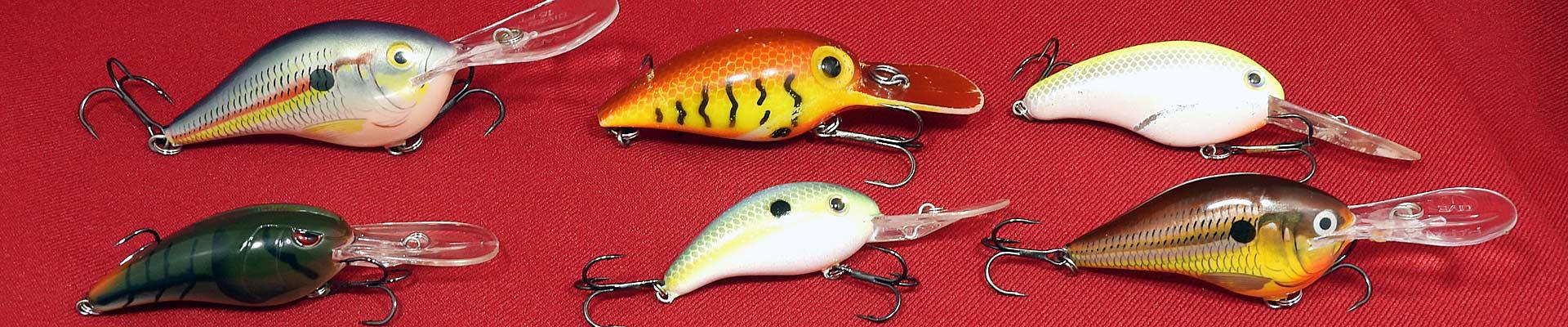
As the water cools down with shorter daylight hours, water temperatures will start to decrease, and often, the bass and its food sources will move towards deeper, warmer water. Square bills can no longer reach the depths where the bass are holding, so you'll need to switch to a crankbait that can get down to 6ft to 10ft. Once again, arm yourself with silent and rattling baits and match these to the water and bite conditions you face. I’m also going to put a twist on your plans as well here. Clearwater conditions call for fishing a silent bait, as the bass often can see the bait from a distance and can track the bait and bite. I have thrown both into these conditions and let the bass tell you what they want that day.
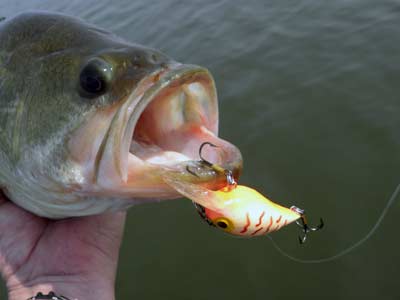
I stock three baits in this category: SPRO RkCrawler, Rapala DT 10, and Strike King 3XD. The Rk Crawler and the 3XD have rattles, whereas the DT has a minimal sound compared to the Rk Crawler and the Strike Kind 3XD.
My goal with fishing this depth range is to make my cast to the weed edge and crank my bait down to its swimming depth. If I feel it hit the weeds, I will do my best to break the bait free and get it swimming again. The more I can break my bait free from the weeds and get it swimming again, the more strikes I will generate in my day of fishing. Yes, there are times when a free-swimming bait generates bites, but more often than not, I get more and better bites when I break the bait free from the cover than just a free-swimming bait.
One more tip to add here is on days when bites are tough to come by, cast your bait and reel it down when it hits the edge. Give the bait a rip to break it free, but wait to start to reel right away; I give my bait a 1, 2, count pause, then reel. This little rip-n-pause then reel has saved my day more times than I can remember. I have had days when you had to do this move to generate strikes all day, not just one here, one there. If I have rocks within this range, I will make long casts, reel my bait down, and try a few retrieves with a straight retrieve, making contact with the rocks back to the boat. I will mix a few casts with a stop-n-go retrieve back to the boat. Give the bass a few different looks with your retrieves to see what they want that day.
Deep Diving Crankbaits
With the falling water temperatures, you’ll have to step up the depth of your crankbaits as the late season tightens its grip. Bass will continue to move towards deeper water depths as they follow forage. I will use a Strike King 5XD and a Rapala DT 16 in my deep-depth group, depending on the depth. The 5XD comes equipped with rattles, and the DTs will be the minimal rattle bait of the group.
Putting a Storm Lead Suspend Strip under the bill is one adjustment I make to get my baits to dive faster. It’s just enough weight to change the bill angle in the water into a more downward angle, assisting the bait in grabbing water quicker on its downward ascent. This change allows the bait to have better contact with the weed edge on the way down, triggering more strikes as I break the bait free and start swimming again. If the bite is tough, use the rip-pause and reel retrieve I mentioned earlier.
Fishing Setup
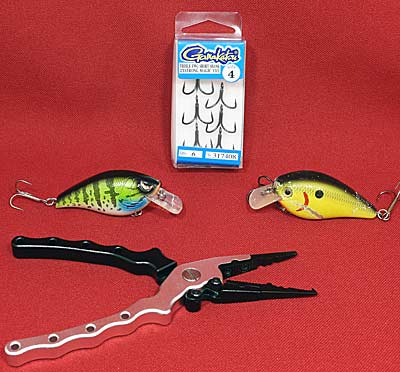
Regarding rods and reels, I use a 7'6" Medium cranking rod, teamed with Lew's baitcasting reel with a 5:6 gear ratio spooled with 12lb-14lb Sunline Sniper FC line. When fishing in open water, I throw my crankbaits on 10lb Sunline Sniper FC to get the best diving depth out of my bait.
My thought behind this is that most of the time, I’m fishing in open water conditions, and I can keep the bass away from the cover, so there is little chance of getting hung up and breaking off. I can also reach maximum depth with my baits using the smaller line diameter offered by the 10lb line. If I’m fishing closer to the weeds in this case, and it’s in a plan to make contact with the weeds and break the bait free as a bite triggering factor, I up my line size (12lb to 14lb) to be able to handle this better, and the results have been more strikes created in the process. I’m beefing up my line selection and using a 7'6" MH cranking rod to break the bait free from the weeds better. For every bait that I can’t break free from the weeds, and swimming again results in a wasted cast. It’s my goal to minimize the number of wasted casts during my day of fishing.
Adjustments That Catch More Bass
Make sure that your crankbait hooks are sharp, and check them often. If you feel your hooks are getting dull, take a few moments to go over them again with a sharpener to get them sticky. Also, pay special attention to your hook points. Ensure they are straight and not bent up or down, as this can result in lost bass on the way back to the boat.
If you want to upgrade your trebles, the best hooks are Gamakatsu Short Shank EWG Trebles. Once you hook a bass, it doesn’t get off.
One more point: dress appropriately and dress warm late in the season. My philosophy has always been to overdress, as I can take off clothes if I get too warm, but I can’t put them on if I don’t have them if I get cold. Also, please wear your life jacket at the appropriate times when your big outboard is running or fishing in windy conditions. Safety first at this time of the season is the name of the game.
I hope these late-season cranking tactics help you put more bass in your boat. Experiment with a few different things in your area to see what works best, and then build on that platform to expand your options and go-to in your area. Have a Great Late Season!