

This year marks 30 years for BassResource, a website founded by Glenn May in 1996, when fishing information online was nearly nonexistent. Since that time, the website and digital platform have continued to grow, while staying true to the original goal of helping anglers everywhere learn more about bass fishing. A lot has changed in the digital world since then, and the bass-fishing world has changed exponentially as well.
This year, we are taking a look at some of the biggest innovations and advances in fishing since 1996, starting with revolutionary lures released since then. These baits changed fishing, inspired many other baits, and are still among the most popular lures used today.
The Yamamoto Senko
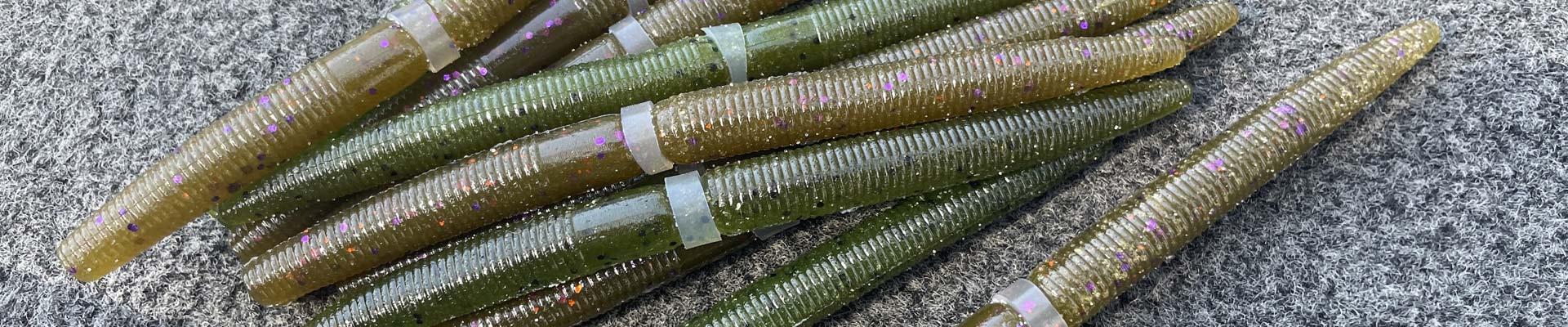
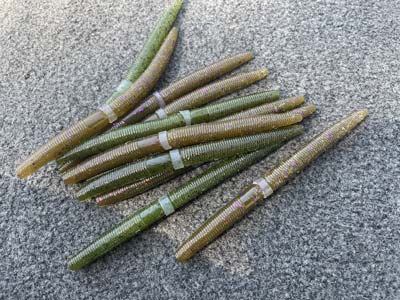
Released the same year as BassResource hit the internet, the Gary Yamamoto Senko took a few years to really take off, but has since become one of the best-selling and most effective lures on the market. The simple stick-shaped bait was modeled after a Bic pen and designed to be fished weightless, allowing it to shimmy and fall because it was poured with a high salt content that helps it sink faster.
Since then, anglers have found many more ways to fish the bait, including on a wacky-rig and Neko Rig, two of the most effective ways to catch bass. The Senko now comes in multiple sizes, different thicknesses, and a host of colors, including colored flakes and laminate hues.
While the Yamamoto version is still the king, just about every major lure brand has its own version of the famous bait. It is among the most copied lures of all time, and even though everyone reading this likely has hundreds (or thousands) of them, these baits still produce fish every year.
Megabass Vision 110
The Japanese bass fishing lures that we all enjoy today can at least partially be traced back to Megabass and their Vision 110 jerkbait. The highly detailed and specialized jerkbait helped redefine the quality of all bass fishing lures. The bait was also among the first major imports from Japan to reach America, around 2000. This sparked a steady flow of lures from Japan here, and that is still the case today.
The jerkbait itself showcased Japanese craftsmanship, with perfect suspension and incredible finishes. It was also one of the most expensive jerkbaits and still comes with a large price tag, but they catch fish and plenty of them. The Vision 110 is still a staple, but there are now several different sizes and diving depths, as well as other jerkbait designs available from Megabass.
Z-Man ChatterBait
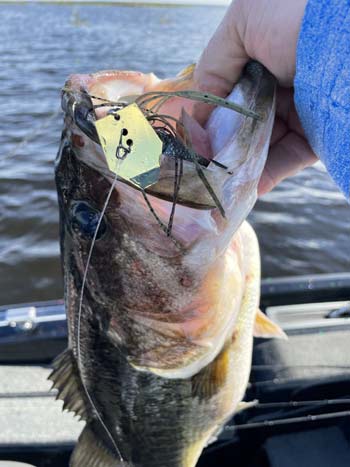
The ChatterBait is now synonymous with the Z-Man brand, but it was originally developed by Ron Davis Sr. and Jr. and sold under their own company, RAD Lures. Z-Man purchased the rights for the lure in 2006, right around the time when awareness of the lure caught fire with some big tournament wins, including Bryan Thrift's win on Florida's Lake Okeechobee that year.
The bait was unlike anything else on the market at the time and combines elements of spinnerbaits and jigs, while adding vibration and unpredictability as it moves from right to left during the retrieve. These lures are still very effective, and since the original's release, Z-Man and other lure companies have developed many different versions with larger and smaller blade sizes, high-quality components like the Jack Hammer, and downsized profiles like the MiniMax.
River2Sea Whopper Plopper
Everyone loves a good topwater bite, and while this style of topwater has been used for many years, the Whopper Plopper changed things with a noisier bait that had a unique plopping action during the retrieve. The lure style has roots in the musky world dating back many years, but it later became a mainstream bass lure.
The bait was originally released in 2008 with River2Sea, but didn't catch on right away. It was again tournament results and big wins that put it on the radar of bass anglers before it became a full-on craze. There are now several versions to choose from, and they are still very effective for catching topwater bass.
The Alabama Rig
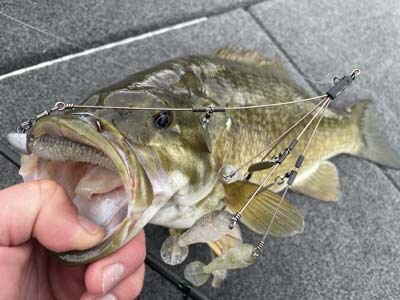
Like the ChatterBait, the Alabama Rig (or castable umbrella rig) became a craze thanks to tournament fishing. In 2011, Paul Elias dominated an FLW tournament on Lake Guntersville in Alabama, as he was one of the few to have the bait. Others caught on, and the otherwise tough fishing on the lake produced great results for those with an A-Rig tied on. It was so effective that major tournament trails eventually banned the lure.
The bait was invented by Andy Poss, who was able to mimic a school of baitfish swimming through the water thanks to the five metal wires and the ability to use up to five swimbaits at once. Since that original lure, many other lure brands have created their own version of the bait, and while they are not as effective as they were when bass had never seen them, they are still highly effective tools for bass anglers in the winter months.
Strike King XD (Extra Deep) Series
Crankbaits have been around for decades, and deep-diving baits have made their mark for many years as well, but the Strike King XD Series of baits is when they truly hit the mainstream. The 6XD hit the market around 2010 and was used by Kevin VanDam to secure a big tournament win, cranking down 18 to 20 feet.
A few years later, the 10XD was available and allowed anglers to go even deeper, reaching depths of over 25 feet with a crankbait. These two baits were not the first deep-diving crankbaits, but they changed the way anglers fished deep structure and made this style of power fishing in deeper water more effective than ever.
Reaction Innovations Sweet Beaver
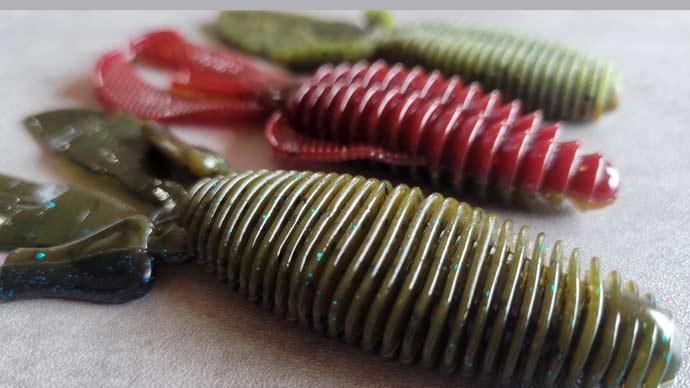
This style of soft plastic bait was designed for flipping and pitching, and the crawfish-imitation soft plastic has since spawned several more similar baits. They are now called "beaver-style" baits, no matter who makes them.
These compact creature baits are great for fishing shallow cover and can also be fished on the back of a jig. The simple design, with claw-like appendages and limited flapping and movement, remains among the most popular soft-plastic baits today.
The lures listed above changed bass fishing forever thanks to their uniqueness, effectiveness, and ability to present something different to the fish. These were not the only innovations in bass fishing lures over the past three decades, but they were all noteworthy and remain here today.