

As a fisheries biologist and consultant working all over the nation, it can be a little disheartening to hear some of the negative thoughts about pond management from owners of northern ponds.
When I first met Dr. David Willis, he was a fisheries professor at South Dakota State University. We became fast friends, and we both made treks into each other's territories to study what we both did for a living. Dave rode me around South Dakota several times, and we discussed pond and fisheries management every single time we were together. Sure, we talked about other stuff... we became friends and talked as friends do.
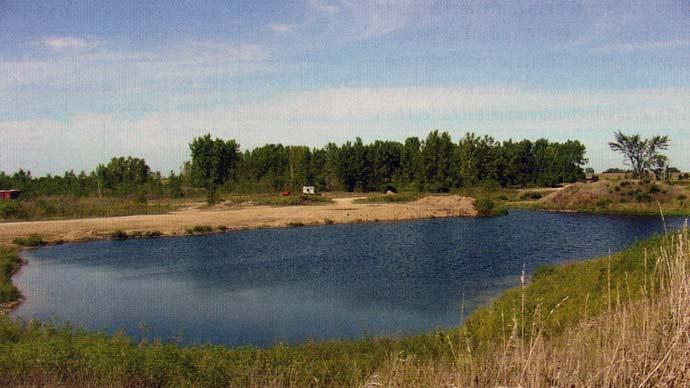
For northern ponds, management was pretty much a non-topic. People just didn't try to manage their ponds. Most fishing holes in that part of the nation are prairie potholes, indentations in the earth that live and die by rainfall. They also die by that little seasonal occurrence called "winter". If a pond hasn't suffered from winterkill, it will. That is just a fact of life in that part of the country. Why in the world would anyone spend one dollar of hard-earned money on a pothole where fish are destined to give it up to the ice gods?
We had several lively conversations about that, to say the least. I wasn't quite as ready to accept the status quo as the folks who live there.
Here's a proposal for you. Figure out the "box" and get out of it. For the Dakotas, Minnesota, parts of Iowa, northern Nebraska, Montana, Wyoming, and western Wisconsin, I'd offer landowners to think about those givens and consider them "myths".
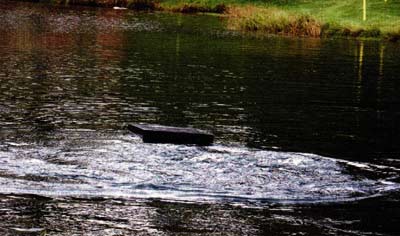
The prevailing thought is that if a pond hasn't had a winterkill, it will. Pond owners don't have much control over water quality. The growing season is too short to promote fish growth. Feeding fish is a cardinal sin because it compromises water quality.
Fertilizing is taboo because most ponds there are already overloaded with phosphorus due to predominant agricultural practices of over-fertilization. Stocking fish is often underrated because of the risk of death in winter.
History suggests all this stuff is true.
Present facts suggest you can do something about it.
Don't accept the status quo. There are several well-trained pond management specialists in the northern states who are optimistic about managing water quality. That's where it starts. Deal with water quality, and you can manage your pond. Sure, you'll have a thick layer of ice. So what? If you've done what you need to do, your water quality will follow suit.
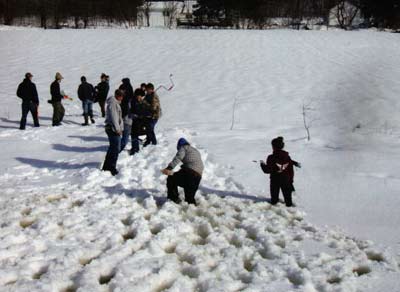
That's where it starts. Learn about your water, amend it, aerate it, and figure out how to sequester or remove the excess nutrient load. There are enough science and entrepreneurial companies in our industry to figure out how to amend your water, aerate it during warm months, and process all those underwater boogeymen and dissolved junk that have been a problem in the past. Climb out of that box and figure it out. Winterkill can become a myth if we can work together to identify it and fix it.
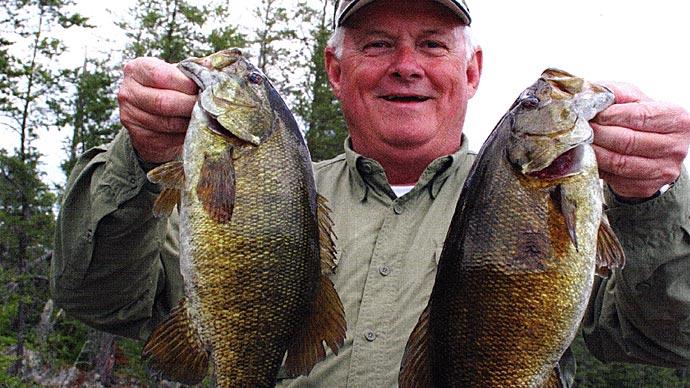
Another myth is the length of the growing season. Northern states have plenty of "perfect" growing days for every species of fish that can thrive there. Think smallmouth bass, walleye, crappie, and pumpkinseed sunfish. Fathead minnows thrive in northern states.
It's not my mission to try to motivate people by chastising. My goal is to ask you to think about it and not accept traditional ways of thinking. Go past that. Think through it and figure out how your sweet little pothole, pond, gravel pit, water table pond...whatever you have...can be managed. It starts with water quality. Figure out how to defeat what every other landowner, scholar, professor, fish specialist, county agent, whoever... thought process might be. Identify that thought process and peel it back. Look beyond. Be the one who quietly kicks the status quo squarely in its watery backside.
Go win. Grow fish. Grandkids deserve it. So does your property. So do your fish.
Reprinted with permission from Pond Boss Magazine