


Chris
Members
-
Joined
-
Last visited
Everything posted by Chris
-
Wire size and flex gives you a difference in how well you can feel the bait thump ( outside of the blade combo your using) also length of the spinnerbait arm like in the case of a short arm. The more flex the better the feel because the "R" is moving a greater distance left and right as the blade turns. The stiffer the arm with a larger wire on short casts will have the vibration like a rattltrap for example. When they came out with the titanium wire the issue I found was that if you get one that is bent wrong it was a waste.
-
I don't think mag. brakes do alot when pitchin It has everything to do with pitching distance. Your brakes be it pin setting, or mags slow down the spool as it reaches the end of the pitch. When you pitch your using your thumb to slow down the spool as the lure reaches your target. Your trying to feather the lure so that it make little to no splash when it enters the water. This also make a pitch way more accurate when hitting targets. The more free your reel is the more distance you can make a pitch and still enter the water quietly. If your using your brakes to slow down the lure when it enters the water the lure will splash and you will loose distance. If KVD has his mags up tension knob down good for him but when learning to pitch I wouldn't advise it nor would I do it myself. My reasoning is that you would need to force a pitch to get greater distance which means you make a bigger splash which can spook a catchable fish. There are times when you want a splash to force a fish to react to the bait or to punch through cover but most of the time (90% of the time) you want the lure to enter quietly. Distance depends on the person really. For the most part I want to pitch about twice my flipping distance and at times a little more and other times about the same distance as a flip. Most of the time I am pitching in and around cover so I don't want to much distance because I still have to drag the fish out.
-
Try to yo yo a lip less crank bait at different depths or a countdown crank or spinner bait or other lures that you can count down to a depth. What your trying to do is find the depth that they are hanging at and zone in on it. Little George, swim bait, blade bait or a spoon would be other options.
-
yep that would work
-
You have it backwards.. you want your mags set at zero and your casting control knob set so that when you click the free spool the lure hits the ground and the spool either doesn't over run or barely makes a over run. Just make sure if you where to cast (not a pitch) that you change your mags back to the setting you like otherwise you will be picking out a birds nest.
-
I used a jig several years back that was being sold at the time by cabela's with a mister twister keeper hook on it. By far it was the best jig for slop fishing. The jig had no weed guard but when you rigged it with a trailer of some sort Texas rigged it was very weedless. You can also build a comparable lure with a slip jig made with a do it mold.
-
Actually with the two lures I mentioned don't cut off any hooks. With the rotating hook of the fatfree shad the bend of the hook is bent in such a way that you have the same bite as a regular round bend but because of the bend it is a little harder to stick brush with it. The same with the kahle hook because the point is bent in the hook will go through brush rather well. Also the diving pitch of both lures also help them get through wood cover.
-
That lure because of it's size will run about 14 ft deep but if it was a larger size will go a lot deeper. The lure has great action
-
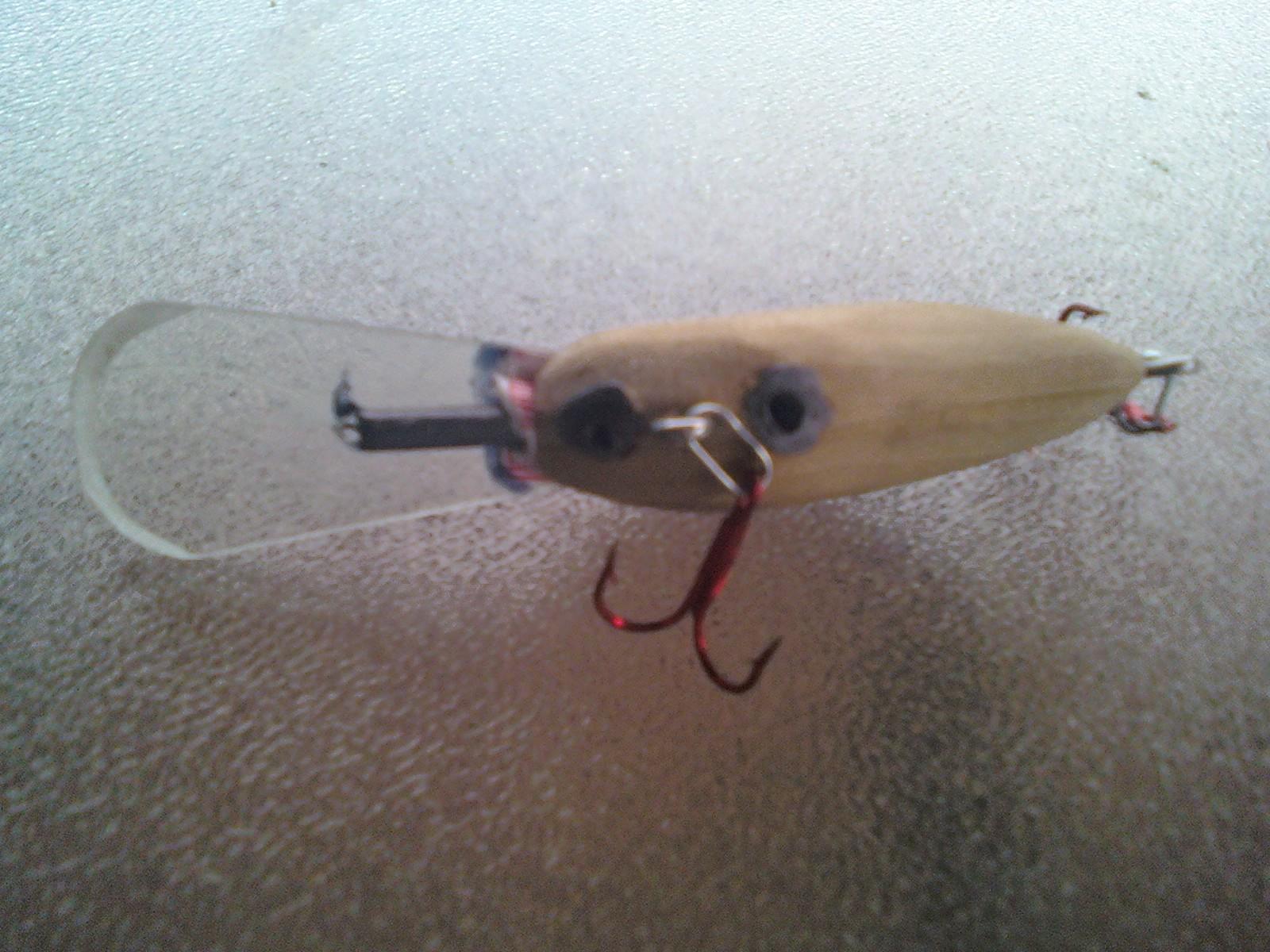
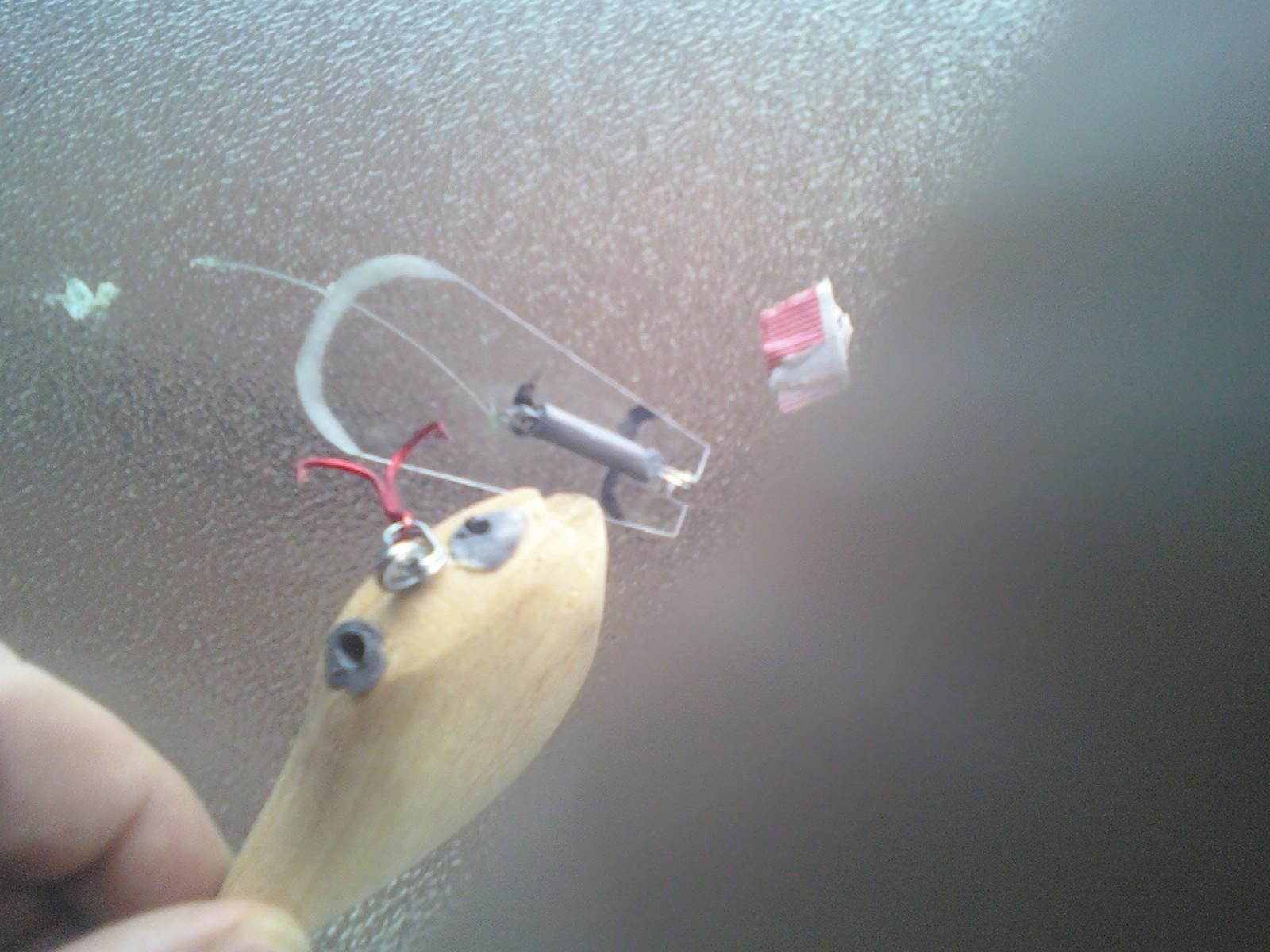
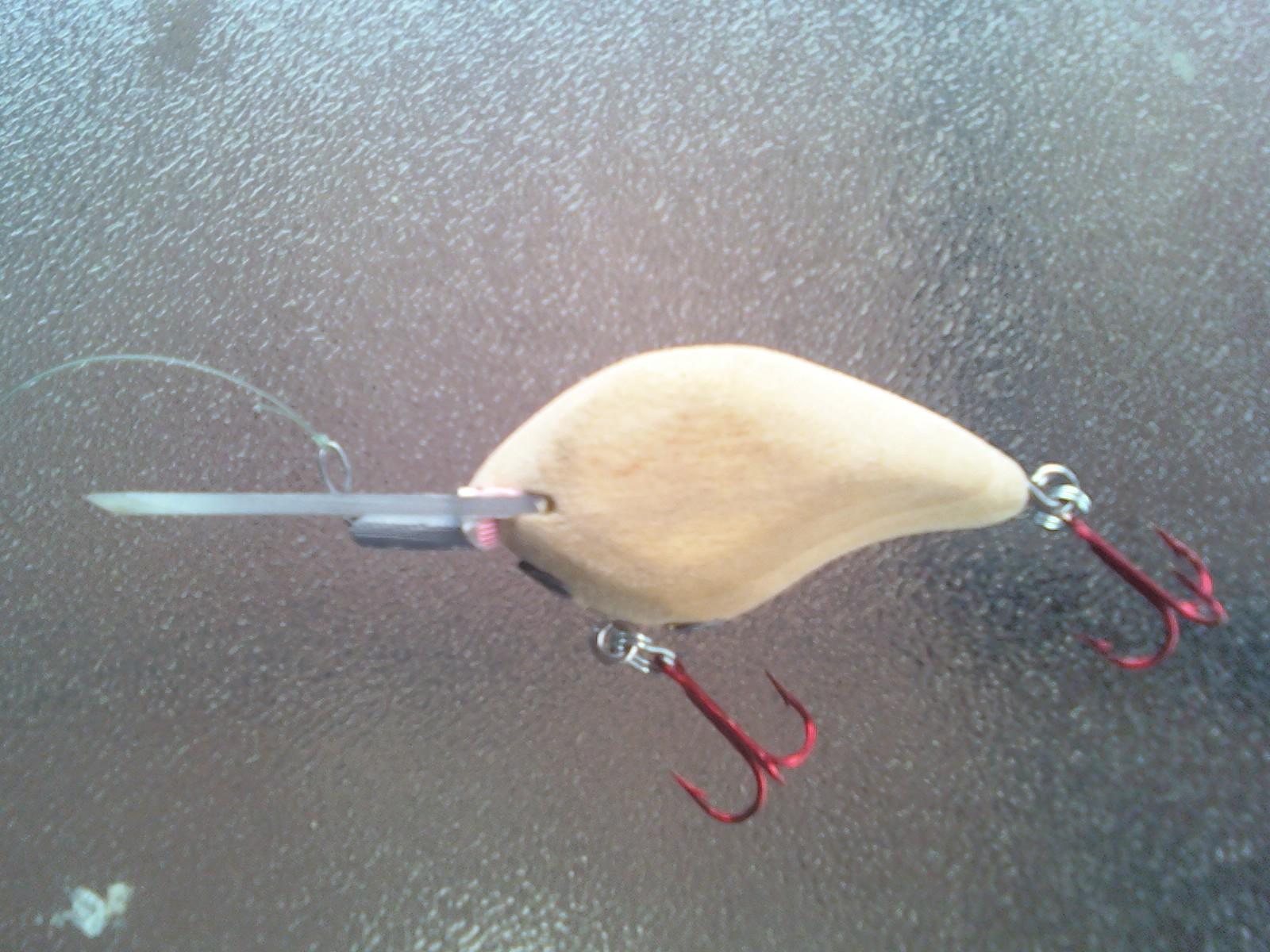
If a angler wanted to they could bend the lead that is on the lip to make the lure do some cool stuff.
-
-
Fatfree shad with that rotating hook and a Bandit 200 with that kahle treble hook are great lures to use in timber.try a floating rattletraphttp://www.boatpartstore.com/trollwire.aspAlso try swimming the jig if they reject it on the bottom.I started hand carving lures when I was about 15. At the time I was making my own lures basically because it was cheaper than buying them and I had the exact lure that does exactly what I want. The fact that I have total control of how and where I weighted the bait, shape, and years of trial and error actually made me a better fishermen. For me it was the ability to tinker with the variables that made the lure run or work that taught me how fish react to lures. About my early 20's I was taught by the owner of a lure company named GS Gray. I would carve lures and then go visit Gary and have him paint them for me. At the time he also was a taxidermist and helped me refine my lure carving. He also would hand carve lures and sell them at the bait shop where I was working at the time. Gary in his younger years worked for a guy named Jim Pfeffer at Denmark's sporting goods. Early on my tools where a knife, sand paper, and a block of cedar or what ever wood I could find and paint. Here in my later 30's even though I do have the tools to make carving a little easier I still hand carve lures for the initial idea. I use it to get the bugs out before I get serious about making the lures in quantity. The more you tinker with a lure you have built from scratch the more unique or refined you can make the lure run. It is this uniqueness that makes the difference and why most take the time and effort to build their own. Gary would always say to me man that's different with some of my early hand carved crank baits and showed me that different is always a good thing.This might sound a bit odd but you might do everything right but because of the bass's activity level you would be better off using something that was more under the water like the buzzbait than a frog. I had a good pattern going one time walking a pop R and then after awhile the bite ended and I had a hard time picking off fish even when the fish where hitting the bait. The bass where slashing at the bait and not eating it. I ended up changing to a rattle trap and jerkbait to stay on fish. Both where fished about a foot deep.I think it would be hard to determine because it would be hard to measure how much runoff the pond would get. Just my thinkingOxygen levels drop as the vegetation dies and the fish move because of the poor oxygen. They will move back shallow when oxygen levels change given there is enough hard cover or structure to move to. Other fish might just relocate deeper and stay deep because of the lack of cover or structure to relate to or poor oxygen levels.If it was me I would add: lighter spinnerbait lighter jig add indianna and colo blades sweetbeaver for a different fall paddletail worm for pitching and swimming (or jig trailer for swimming) also works well for dropshot cranks3lb somethingYour high water is going to push the fish shallow either to the bank or like on standing timber the bass will be in the shallower portion on the tree. You want to use lures that make noise so the fish can track them either through water displacement or stronger pressure waves. If it was me I would just fish shallow without fishing the obvious back water areas. (less obvious meaning areas other anglers have not found yet)If I find objects that fish could make the depth adjustment I would also target them. I would spend more time on this kind of stuff particularly if I have caught good fish off the object before the high water because the fish would just make the adjustment to depth without leaving the object. Other areas I would make a mental note as to where the bass was before the high water and try to determine where they might move up to with the change in conditions. Areas that offer current breaks will hold fish regardless. Just remember if your fishing a log jam for example on the river your fish will be up on the cover so if your fishing the bottom you might not catch them. Remember to fish tight to the cover and slow down and you will do OK. Also if given the choice I like to go north instead of south on the river.I was about to post the same thing lol. One of my post spawn tactics is to wacky rig a senko and fish around the bluegill beds. You can use other lures but location is what is important. Other bass will move to staging areas as they move towards summer time patterns. Bass will hang out on the bluegill beds because other smaller bluegills and other egg eating creatures tend to come out of the woodwork to play havoc on the beds and the bass find food easy. If the bass are large enough the spawning fish could be food or the fry.I use either the sweetbeaver or ugly otter most of the time. I have also done well with a zoom superhog in clear water.

Important Information
We have placed cookies on your device to help make this website better. You can adjust your cookie settings, otherwise we'll assume you're okay to continue.