
Team9nine
Super User
-
Joined
-
Last visited
Everything posted by Team9nine
-
Got here early and got a good seat for this one...

-
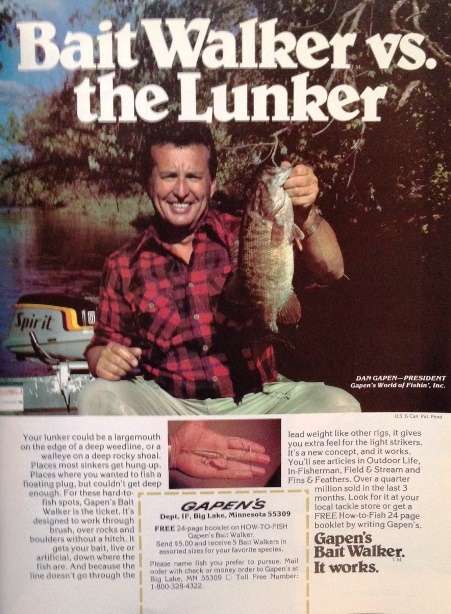
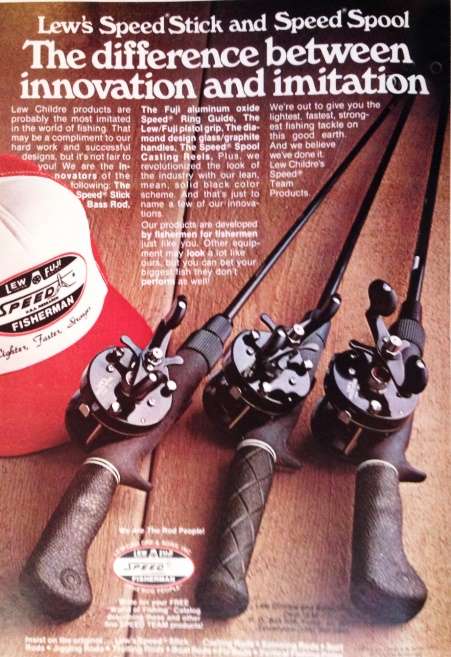
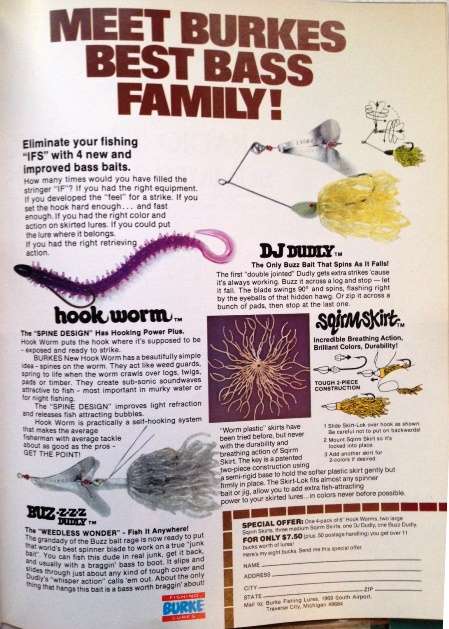
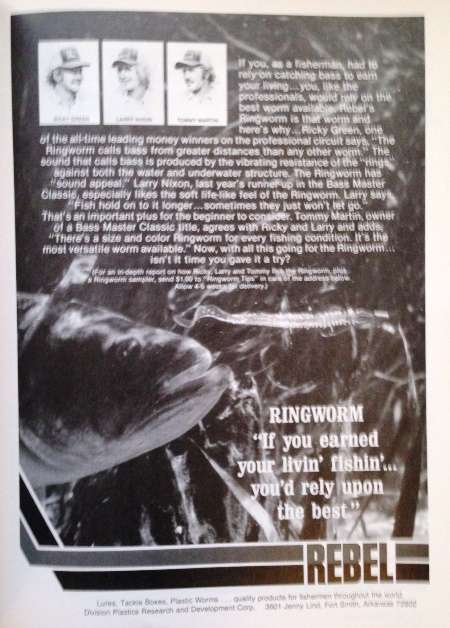
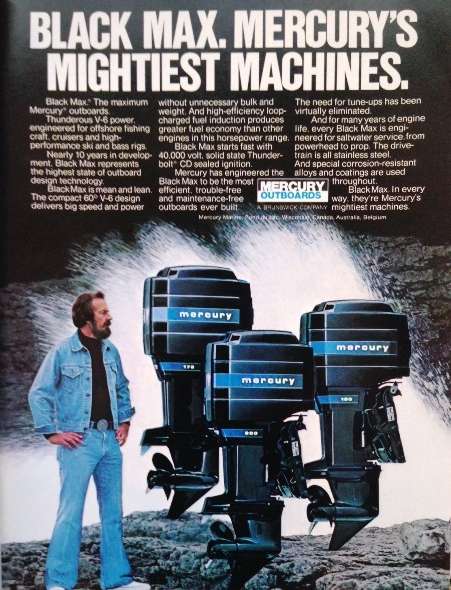
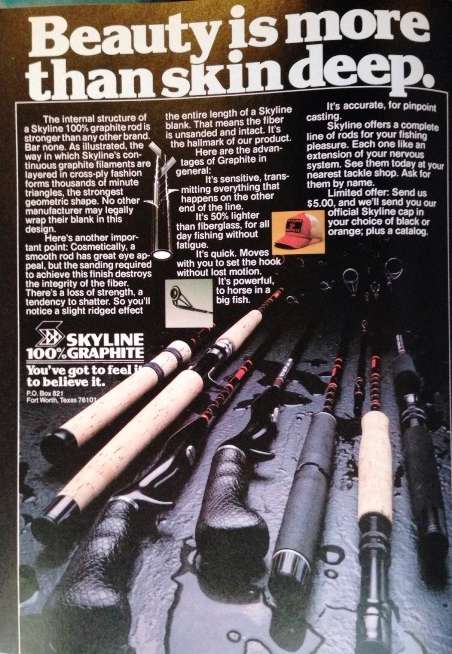
Wasn't sure we were going to get a winner, but we did... 1979 It was a little tricky because as a couple people mentioned, the Black Max and the Bait Walker both came out in 1976. The key though is the Burke ad featuring the Sqirm Skirt and the Buz-z-z-z Dudly, both of which weren't filed for name trademark until October 1978. The ads appeared the following year in the Jun/July issue of In-Fisherman.
-
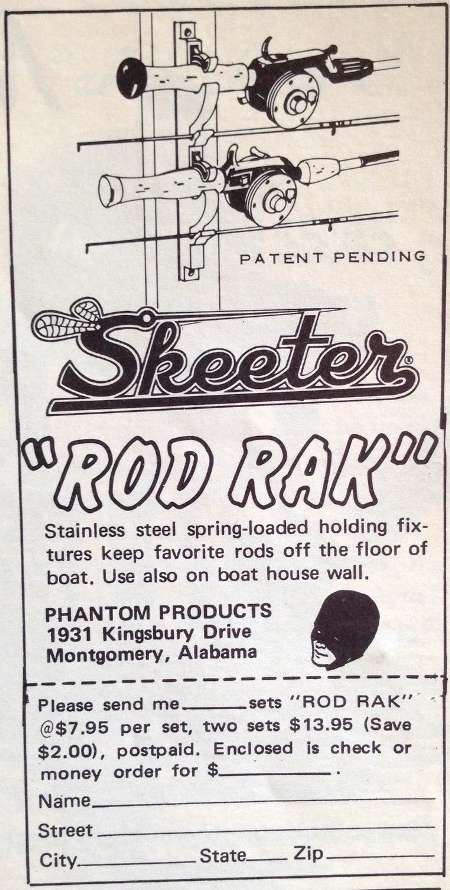
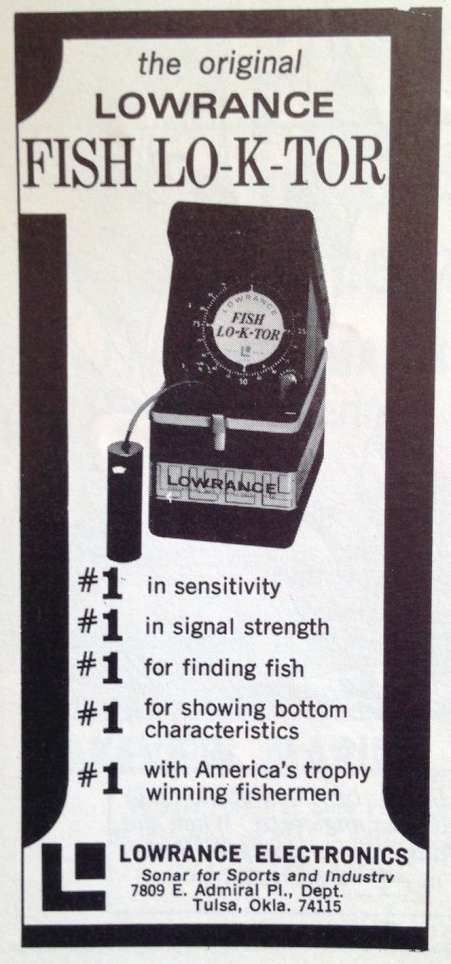
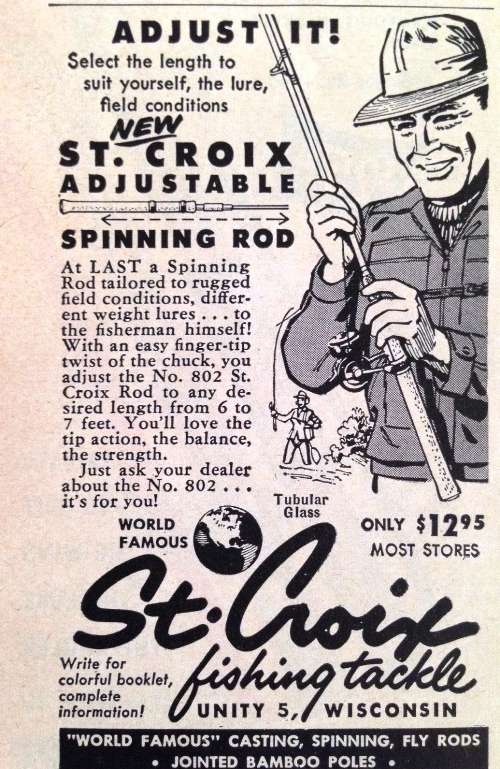
Here we go again...can you guess which year the following ads appeared in a national fishing magazine?
-
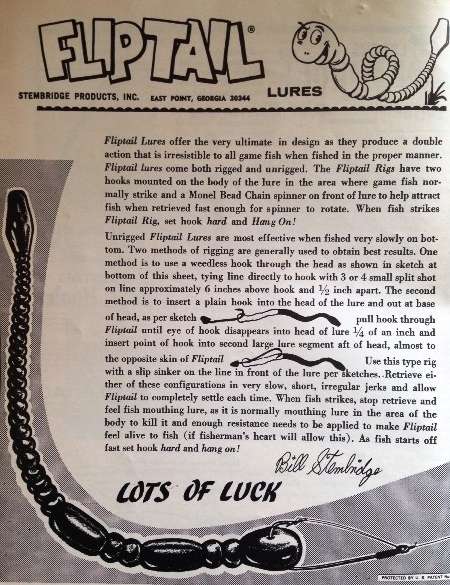
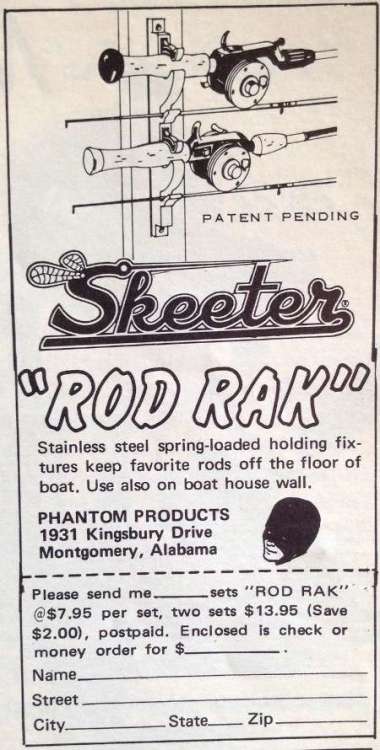
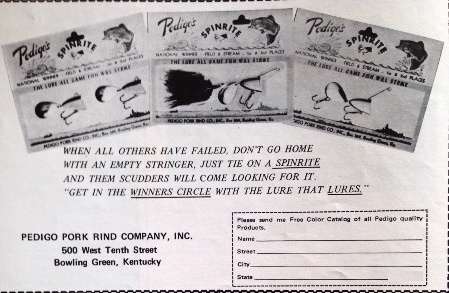
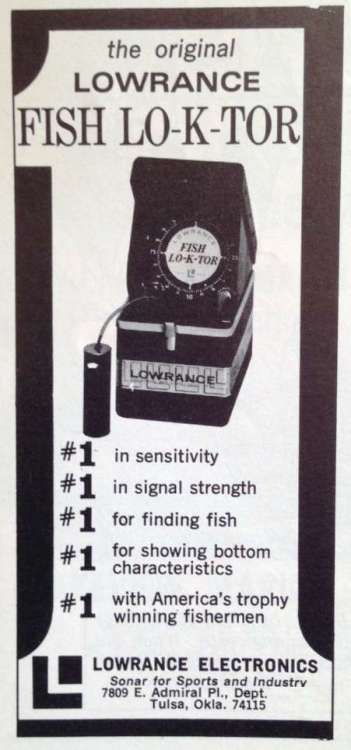
And the answer is... 1969 The ads are from Bassmaster magazine, one of their earliest issues which, at the time, was published quarterly. One of the stories, among others, featured structure fishing and Buck Perry, as written by then Hickory NC resident and record Invitational winner, Blake Honeycutt. The Fliptail ad is interesting because of our Texas Rig discussion. It is featured in the ad as per a rigging option, but never referred to as a "Texas Rig."
-
Yep - I'm one of the 3 main writers for the site (BFA) I'm digging into it a little more, and will update with what I find. Creme's owner has stated that the rigging was created around 1959 in the Tyler Texas area by an unknown angler. The interesting question is when did it become generally known and accepted as a "Texas Rig." Andrews called it a "slip sinker" worm kit. His package of 10 worms and 10 hooks/sinkers was meant to be able to fish an entire day using the rig. Dave Hawk, who gets credited more frequently with the rig than anyone, called it the "Hawk Worm Rig" in his 1970 book. Hopefully I learn more soon...
-
Here we go again. Tackle ads from an old magazine. Can you guess the year? This time I'll leave it up overnight and give the correct answer in the morning - multiple "winners" that way -
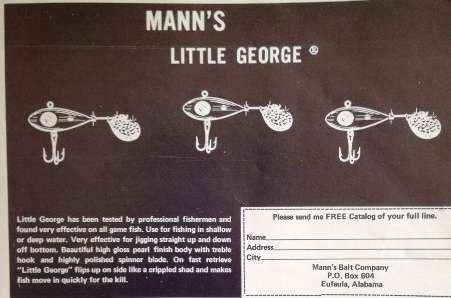
-
Stembridge was out of Georgia, and is credited for creating the first "soft" plastic versions of worms back in the early 60s (~1962). Reports show them being sold in Illinois around 1967, which would be similar time frame to Andrews. Not certain about the mold similarities, but sometime after Fliptail was sold, the original molds ended up sitting in Arkansas unused. More recently, a gentleman by the name of Orby Partee somehow got hold (bought?) those originals and brought Fliptail back. He passed away in June, but the family is still running the business. Also saw where Rich Zaleski wrote that the original idea for Texas rigging came about a decade earlier in the 1950s from Lake Ouchita (AR) jig anglers before it ever caught on with worms. He also suggests Brewer's Slider rig originated as an offshoot of the same concept. Putting the people, locations and time frames together, this version of history would seem very plausible.
-
Considered the first production/pre-packaged "Texas Rig" worm kit (worms, hooks, and sinkers) by Glen Andrews' company. Dates to 1966-1968 time period. Referred to as the "slip-sinker" worm kit, and soon thereafter the "Texas Rig." He started his company in 1955 after talking with O.L. and Dave Hawk, the latter largely credited with creating the "Texas Rig."
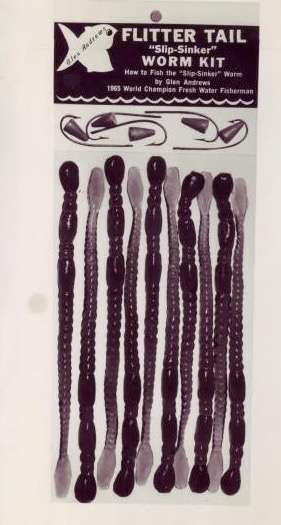
-
Haven't tried or heard anything negative about CX, but as WRB mentioned, its cousin FluoroClear was a disaster for me. Unexplained breakoff after breakoff, with two different spools of different test lines.
-
If it's working for you, keep using it. If it ever starts failing you like it has for a lot of us, then consider changing. No sense wasting good money at this point in the game from the sound of it.
-
Since the "old slimy thread" Choporoz mentioned, there has been some new stuff published. Turns out different species of fish might have different tolerances in regards to the "toughness" of their slime coat and skin, with bass being on the better end of that stick. I would rather weigh a wet bass in a plastic grocery bag than punch a whole through their jaw or hang them from the gills when it comes to weighing. In fact, I personally do the near equivalent with a PE/PVC based culling bag specifically designed for this purpose. It might arguably be even better than the recently popular "lip grip" scale attachment method.
-
I'll post another one later this afternoon...
-
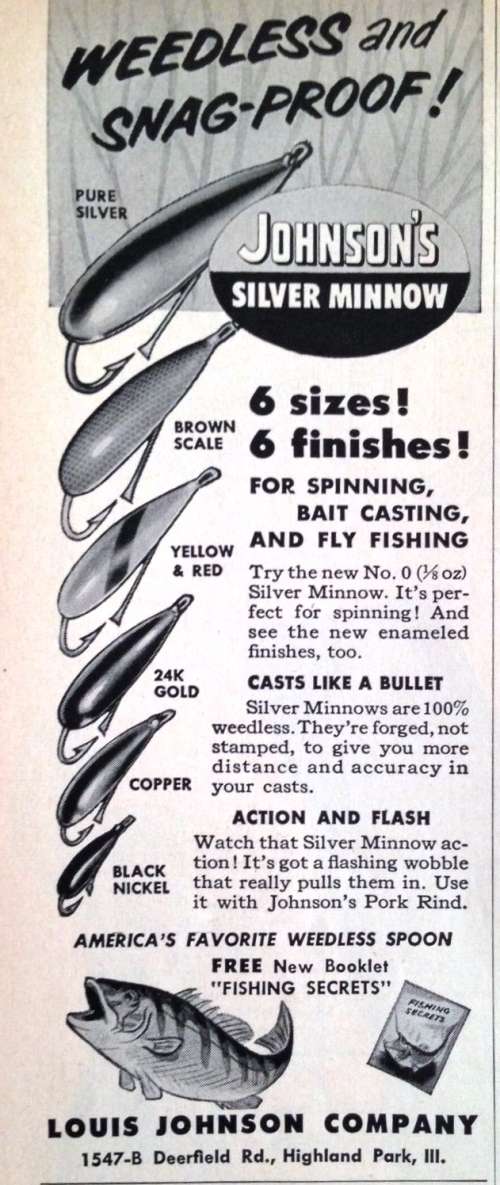
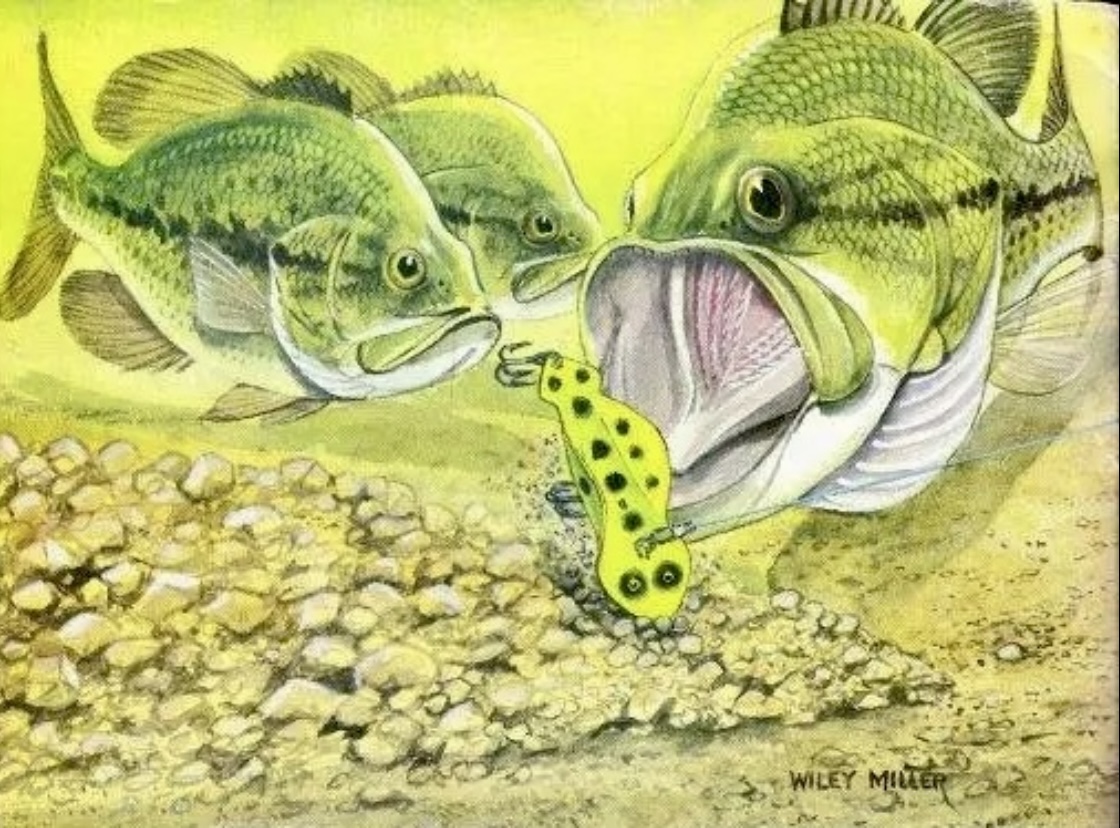
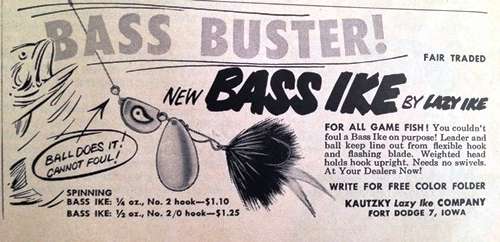
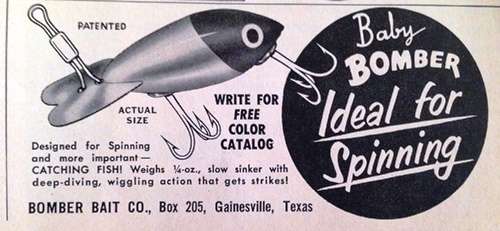
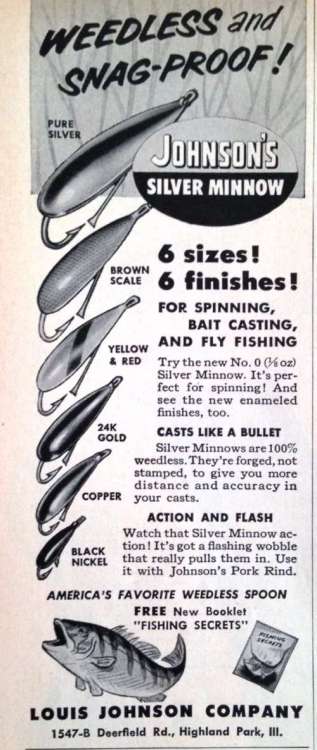
May 1954 Outdoor Life Choporoz was close, but BigAngus752 gets it The first ad reminded me of the Laser Lure when I saw it
-
Here's a few ads from a magazine I was looking through tonight. Can you guess the year based on the ads below of popular bass fishing equipment?
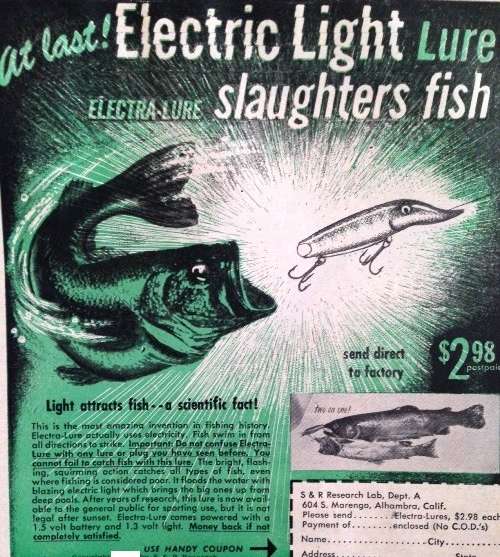
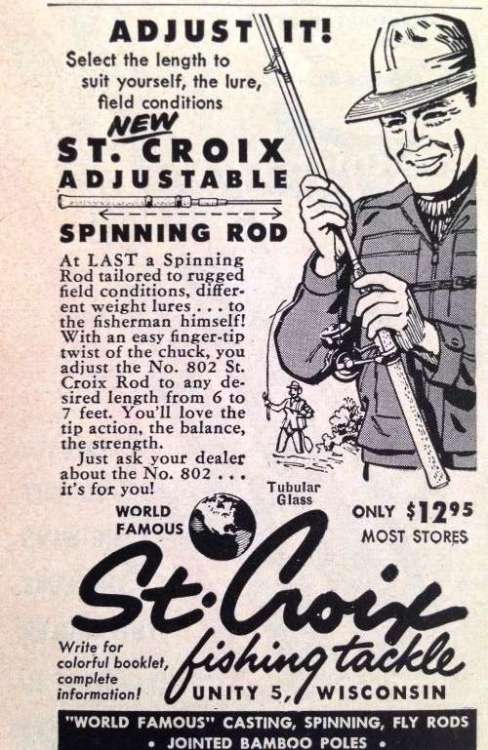
-
As stated above, not the same. Best use - backing line for your braid...then pray you never reach the connecting knot
-
In particle physics, it's called the "Grand Unified Theory" or the "Theory of Everything." Until such time as we discover it in line manufacturing, I'll stick with fluorocarbon for most all baitcasting applications and braid for most spinning outfits
-
Never...but whatever works for you is the way to go ?
-
None Typically the most sensitive rod action, and they usually cast pretty decent, too. Beyond that, you can argue over their merits. Only ever bought a couple because of my skepticism and sold them all off over time as I used them less and less. I know I'm in the minority on this one, but I don't find them that practical.
-
how important are your FF to you? Very - turn them on when I launch and never turn them off until loading out - every time out Did you find that your skill as a fisherman increased significantly when you were able to visualize what was under/around your boat? Definitely Am I limiting my own growth as a fisherman by not having a FF? Not necessarily...
-
This is a case of the jury still being out in regards to an absolute answer. If you read Luke's (Salt Strong) write-up, he did go back and retest again after a 15 minute spool soak (TT used 10+ min) and came up with basically the same answer. His answer was pretty much opposite of Tackle Tour's, which found a 56% drop in abrasion resistance of their baseline mono when wet, making it worse than nearly every fluoro tested. There are simply too many variables and too inconsistent methodologies used to be able to make any absolute claims in this regard. To the degree that formulation plays a part, there are some very tough/hard monos and fluoros, and some very soft ones. You would think abrasion resistance might correspond accordingly, and anecdotally it seems to, if not popular opinion siding with fluoros in general on the issue, but it is a tough one to be able to compare "apples to apples."
-
Will be interesting to see if they can change some if its properties enough to make a difference. I've got ~35 combos spooled up, but only 2 have nylon based mono, so they've got some work to do to get me off fluoro (baitcast) and braid (spinning). Agreed, it isn't what they touted, but still better than nylon in my book ?
-
-
Chara, also called "muskgrass" or "skunkgrass"... sometimes gets confused with coontail
-
As far as I know, there is only one actual formulation. There is some interesting history behind all this. To the best of my knowledge... "Original" refers to the reintroduction of the 'Original Zoom Worm,' a finesse worm they first made over 40 years ago, but in some of the newer color patterns, only in the original shape/mold - hence "original." "Super Salt Plus" was a trademark Zoom first used in the late 1980s. However, at the time, Larew held the patent to salt injection in baits and went after any company that claimed to use salt in their soft plastics. Most companies ended up licensing the use of salt at some point by paying Gene Larew, Zoom and GYCB included. If you have any old bags of Zoom baits laying around, you'll see the wording, "licensed under U.S. patent 4530179" on the package. That was Larew's patent and meant they (other companies) were paying licensing fees to use salt in their baits. Of course, this ticked a lot of companies off, and so Zoom got a trademark for the term, "Better than salt" back in 1990 and added it to their packaging as a way of trying to one-up Larew in the battle over salt. From what I've researched, Zoom chose to initially stop adding salt and came up with the slogan for their packaging instead. They later reverted many of their non laminate color options to the salt formula under a licensing agreement (licensed under U.S. patent 4530179). The Larew salt patent expired back around 2000, and now every company is okay to use salt/salt injection and advertise that they do. As such, the trademarks are still "alive" and being used, but I believe there is only a single formulation process for any particular bait of theirs.
-
Got crappie?? We do