newapti5
Members
-
Joined
-
Last visited
Everything posted by newapti5
-
Within 30 mins, according to my wade fishing experience.
-
They have me convinced at least. I'd bite them.
-
A Pop-R, or any popper baits. TBF, I don't fish them much. I caught fish on spook style, WP, wakebaits... but never on a popper. So I got myself a MB Popmax this year?
-
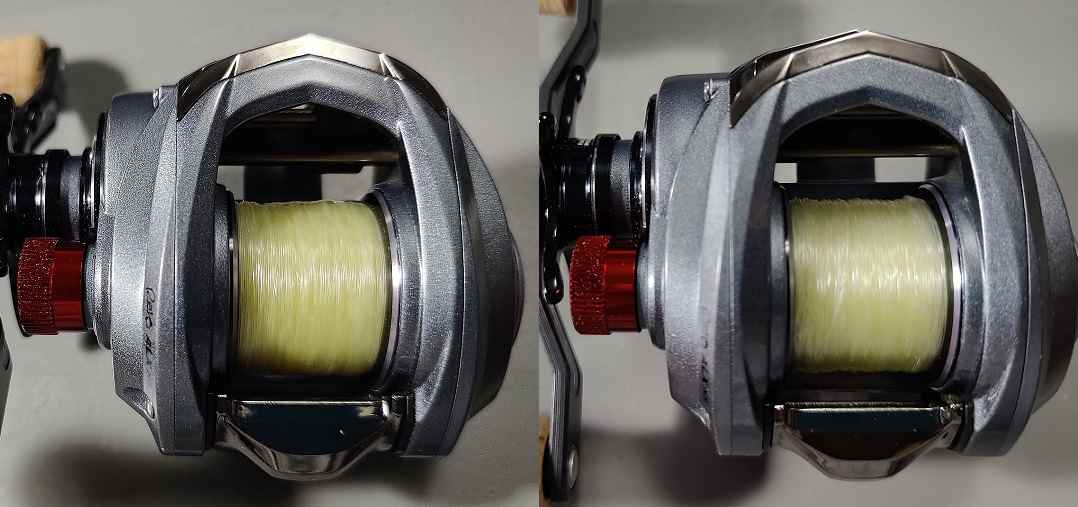
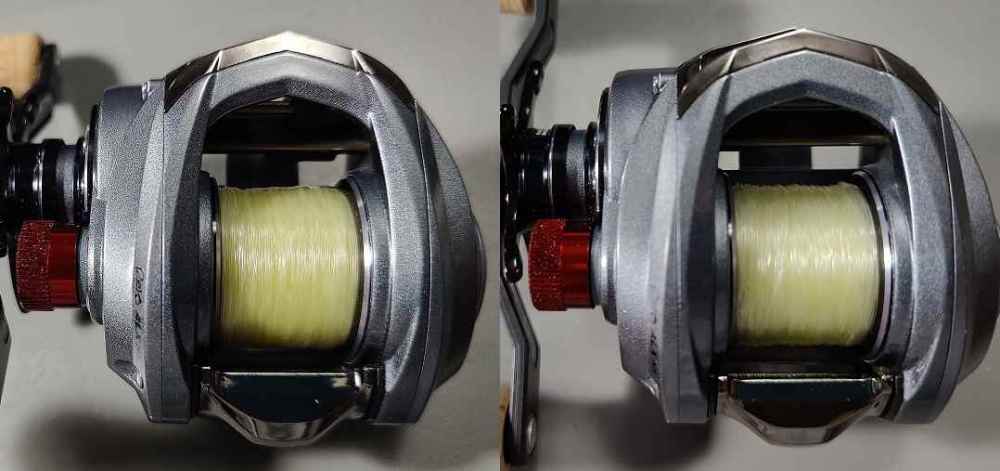
The line is still fine on the performance side, and this has happened before to other fluoro lines, usually during the spring. I don't think manmade chemicals are involved, but mostly tons of pollen and floating weeds in the water.
-
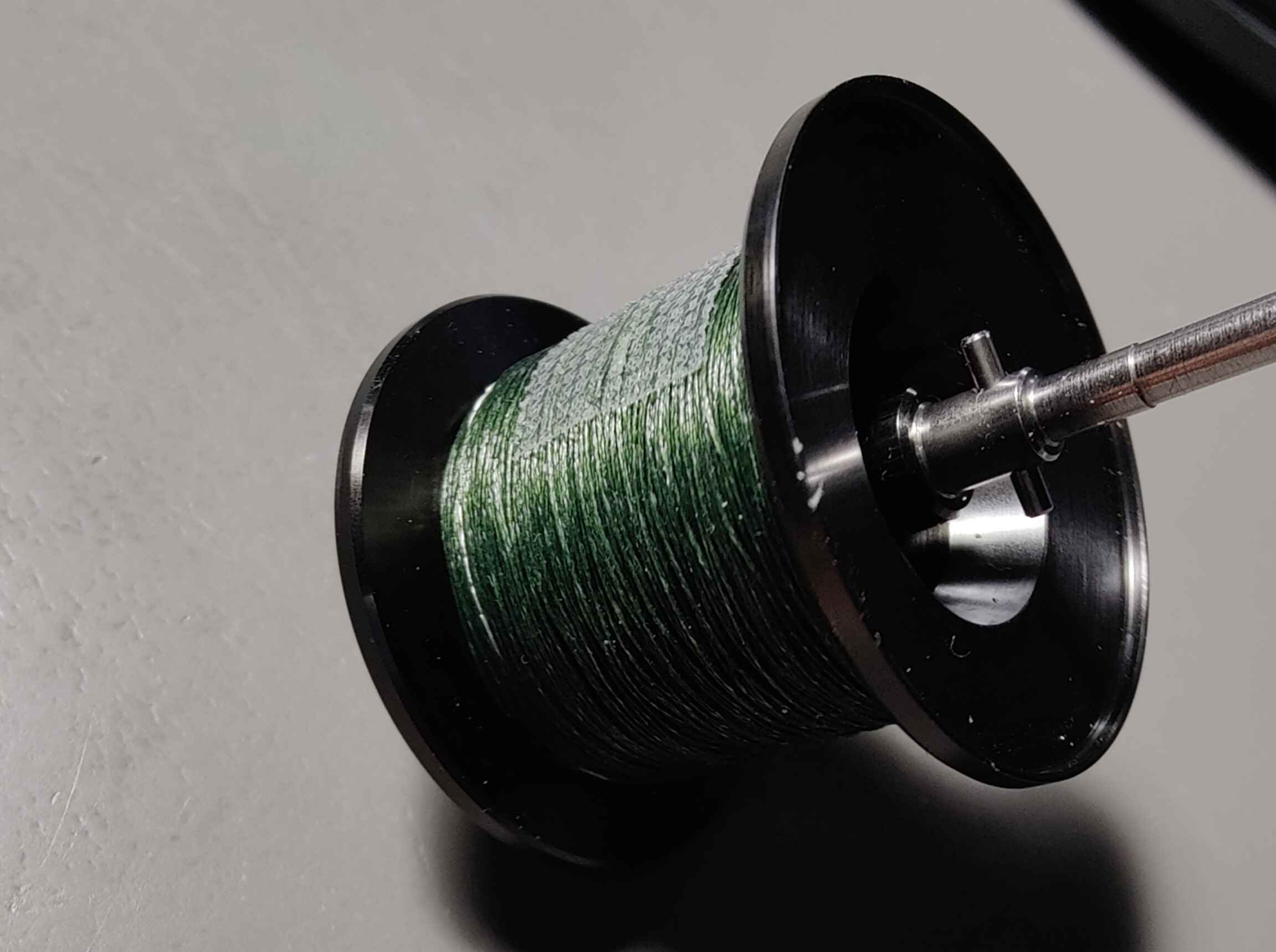
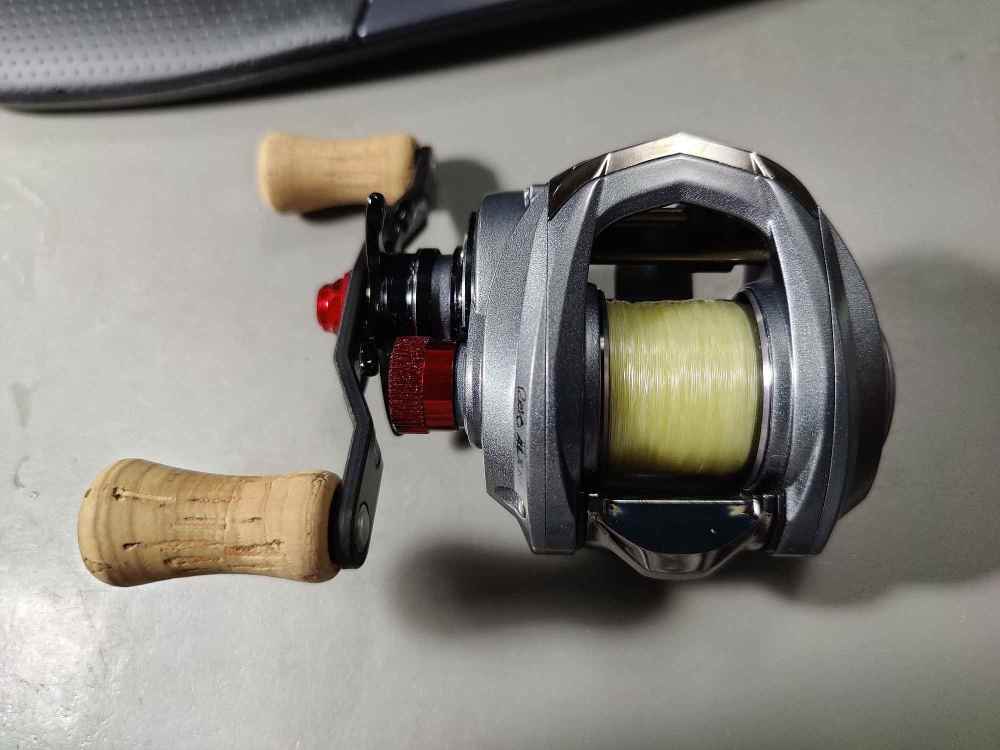
This is what my Tatsu line looks like, after today's 3-hour fishing in dead-weeds-and-pollen-overrun dirty creek water. Anyone has some good ways to clean it off? I tried to wipe it off with some wet paper towel. Not much difference after one try.
-
Actually, Shimano's svs brake ring design is different - it's on the inside of brake shoes rotating circle, so when the spool slows down, gravity will pull those block shoes away from the brake ring. But you are right - we all have better things to do in the prespawn/spawning season. Let's agree to disagree.
-
Yes, my Revo 3 Premier with ivcb brake makes similar sound as well, and there's nothing wrong with it. It might sound bad in OP's video, but in reality, it's actually tiny sound that you'll have to try hard to hear it in a quiet environment. Not every reel with that brake design will have that sound loud enough to be discerned, but it's there for sure, if you listen closely enough. OP could keep doing exchange until having a quieter one, but I wouldn't call OP's reel a defect. It's within normal manufacturing tolerance, and won't cause any problem. It's like the little gap in reel handle knobs. I used to have two Curado K. One's handle knobs have zero gap - it's a tight fit in tolerance right out of factory. The other one has a noticeable gap when you move the knobs. I wouldn't call the latter "defect" and return it, as the gap is normal for a reel in this price range and it doesn't affect anything in performance. I only consider myself lucky that I got one with tight fit right out of assembly line.
-
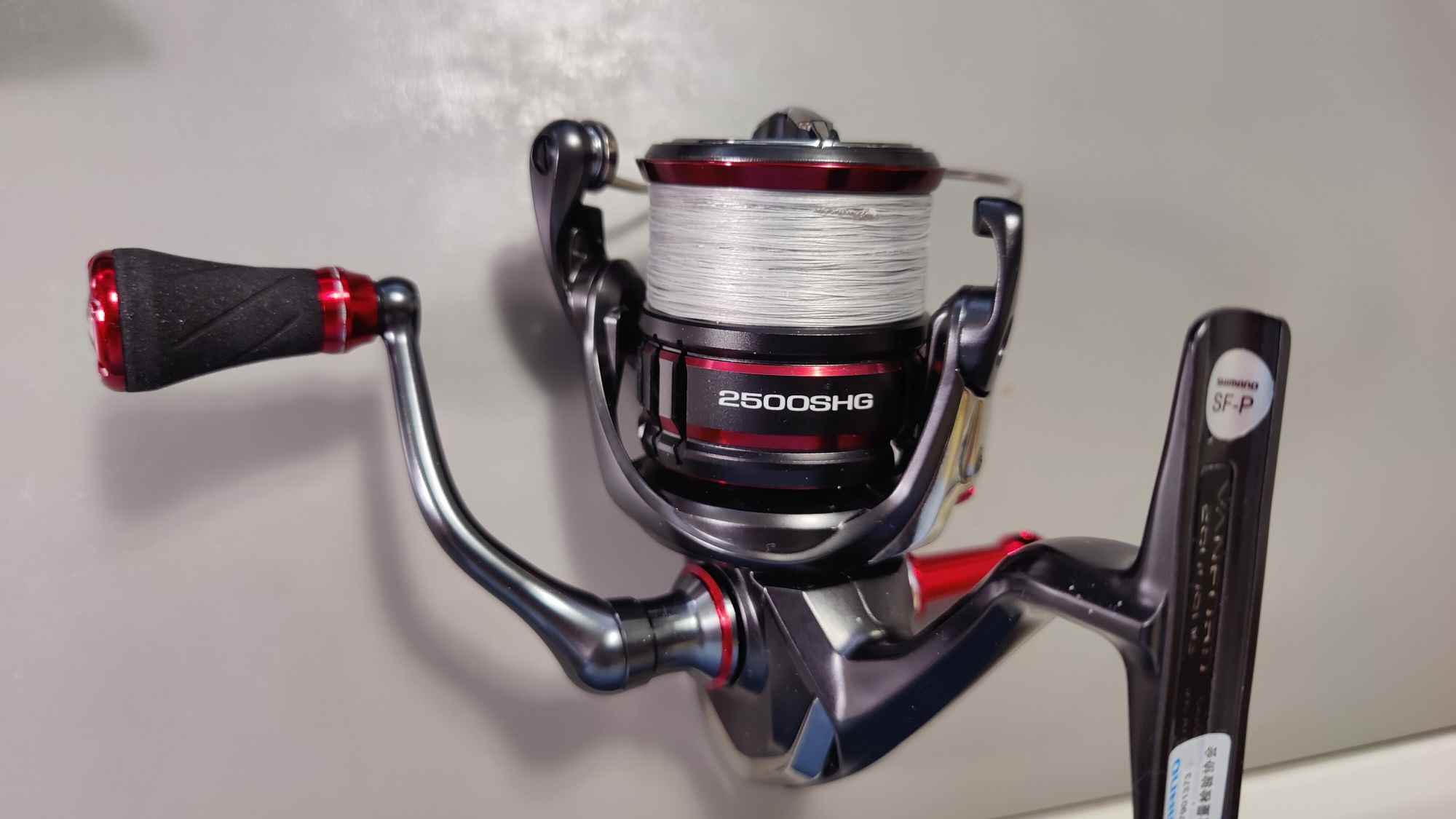
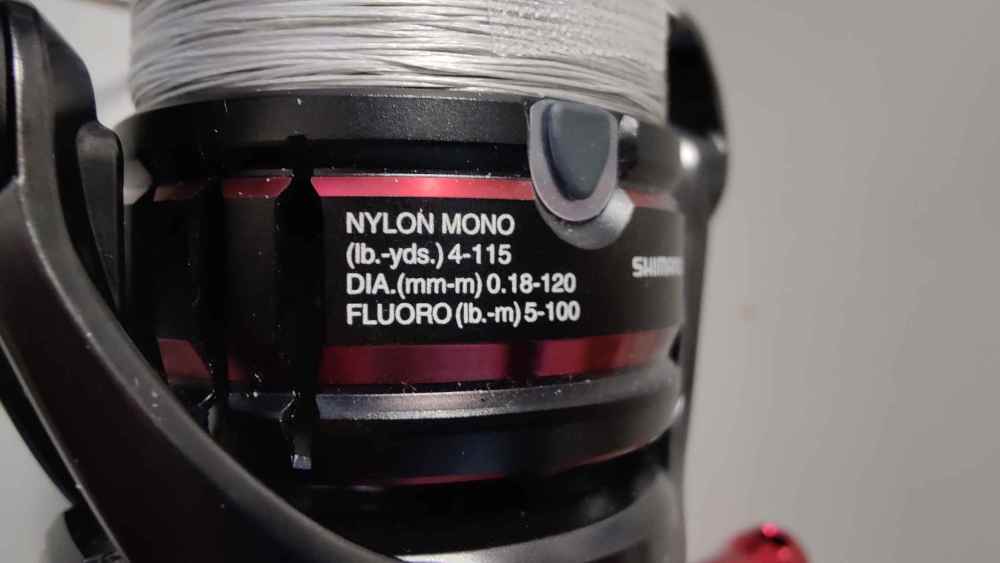
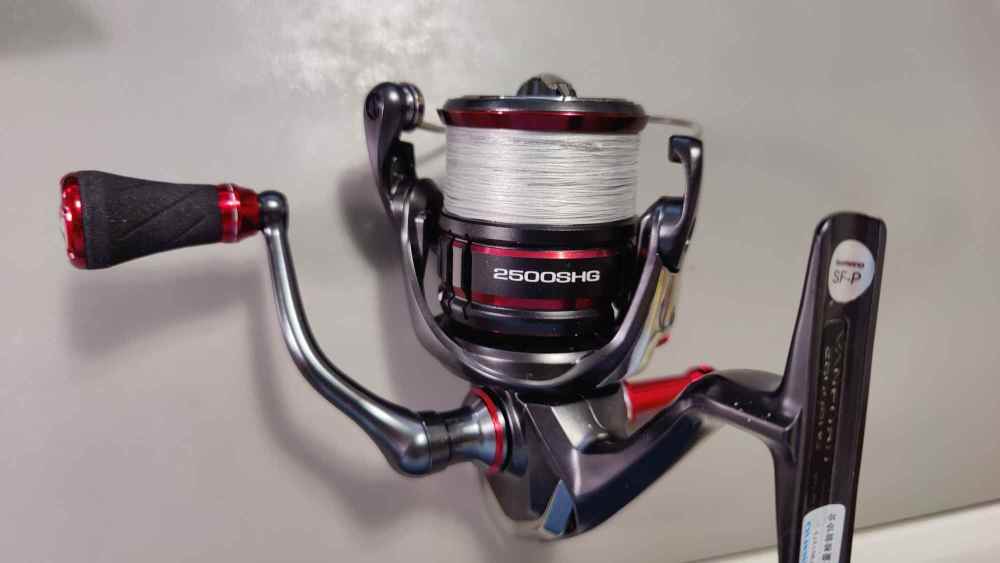
Well, you're not gonna find any help around here, that I know for sure. We're all long-time monkey carriers. I purchased a JDM Vanford 2500SHG because it offers shallow spool models that USDM doesn't. Other than that, I don't think there're many differences.
-
A couple of years? I think I still have a cheap reel with a two-year-old backlash, forgotten in the closet or somewhere.
-
Are we talking about MSRP or market price? For MSRP, $50~60 mostly means graphite/plastic frame, which is strong enough for the majority of bass fishing. But for market price of $50~60, you could find some aluminum frame reels on sales or auctions, like BPS Pro Qualifier, some Quantum reels, even Daiwa Fuego CT.
-
Within a certain brand, the more bearings usually is better. Comparing reels across different brands, I wouldn't use the criterion of bearing numbers; there're many other factors to consider. I would rather use MSRP.
-
That's normal. Tournament Pro's brake shoes can't be locked, so when you spin the spool, all six brake shoes will spread out because of centrifugal force. When the spool slows down, those six brake shoes will fall into resting position one by one, making that "noise." When you reel it in normal speed, those brake shoes won't spread out, so no sound. Abu Revos with similar brake design make similar sound as well. You could oil the brake ring, or oil the brake shoes, see if the sound would quiet down.
-
Actually, Daiwa's aluminum gears are quite durable compared to Shimano's. Like other said, for heavier duties, brass gear is still the best, but for jerkbait/light jig/small crankbait..., aluminum gear is fine IMO.
-
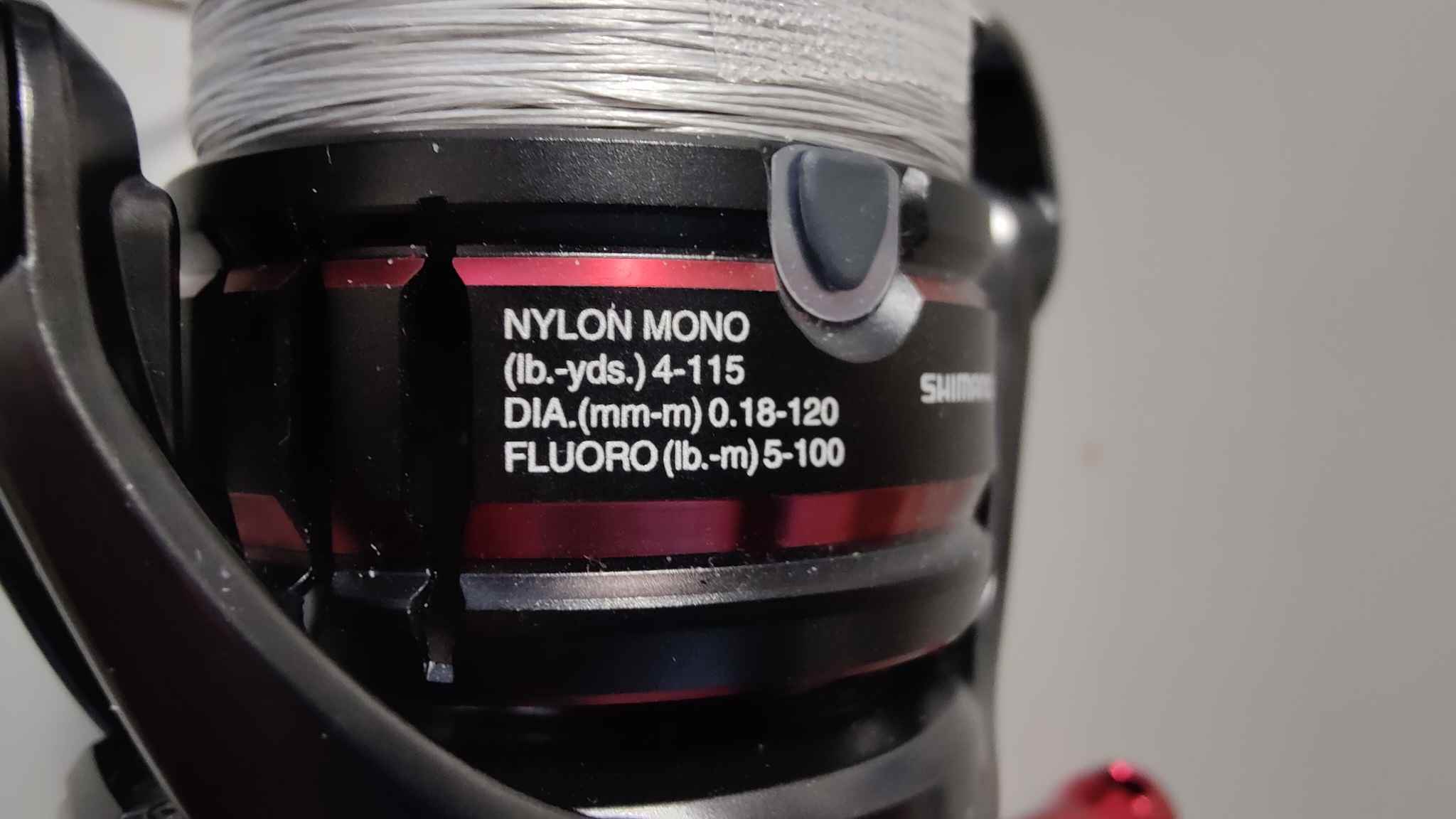
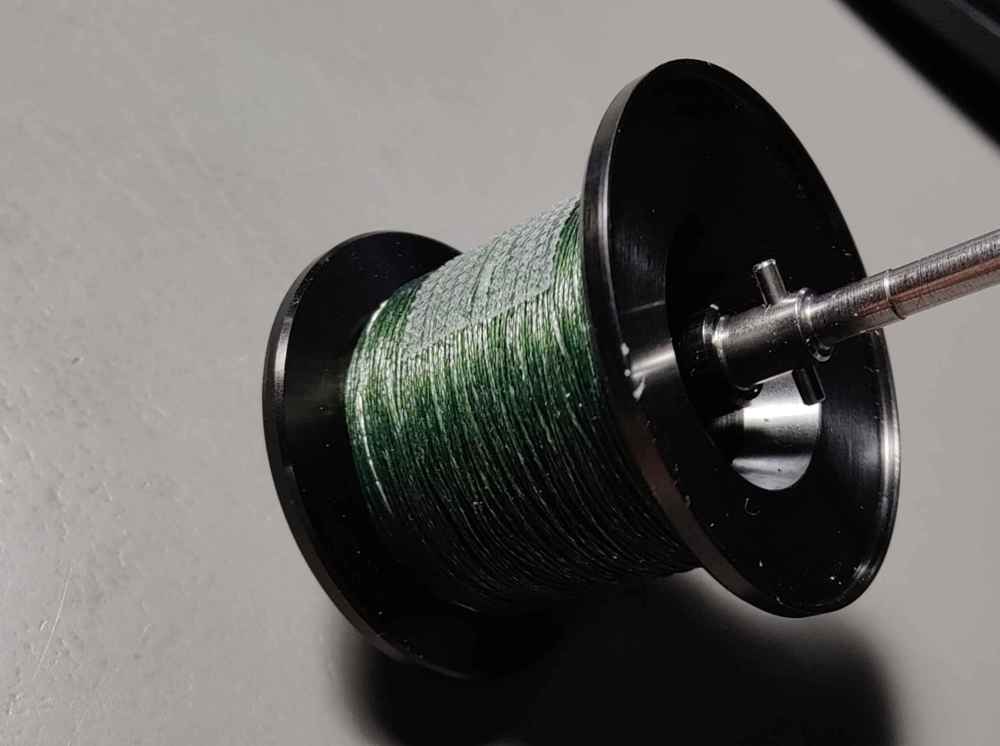
I used braid backing for fluoro all the time, except when the spool is already shallow. There're many cheap braid lines on that Chinese site or Amazon, same price range as mono. I wouldn't use those braid for main line, but they're perfect backing material. Fluoro lines are pretty heavy - a full spool of fluoro could be 5~10 gram heavier than a full spool of braid, so braid backing could be quite beneficial for casting light lures. As how much backing on the reel, I mostly just go by experience, and then put on about 70~80 yards of fluoro main line by using a line counter. While done, usually the spool is filled to the brim, or with a 1/16" gap to brim left.
-
Composite material strong on every direction could be quite expensive, depending on how you weave it to compensate its anisotropy property. High price just to save a few oz, I think only reel enthusiasts like us would be interested.
-
I agree. Composite materials aren't something new; aerospace engineering has been developing and using them widely for aircrafts since 80s, to save weight. But to use the "good" stuff for fishing reels, the market for it would be quite small.
-
Ah, I got your point. Thanks!
-
I once talked to an acquaintance who fishes catfish from the bank a lot. He told me that scenario happened to him so many times, now he's always packing while fishing. Anglers are pretty sensitive when it comes to this. I am not saying I am a saint, but I always chose to walk away, no need to escalate the situation. There're plenty of other spots to fish; he/she can have that one.
-
Yes, this too. I forgot to mention that, sort of like sound waves travel in longitudinal direction. But what does drag coefficient have to do with sensitivity?
-
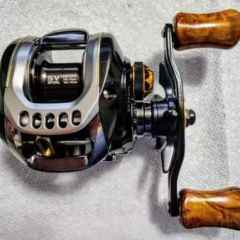
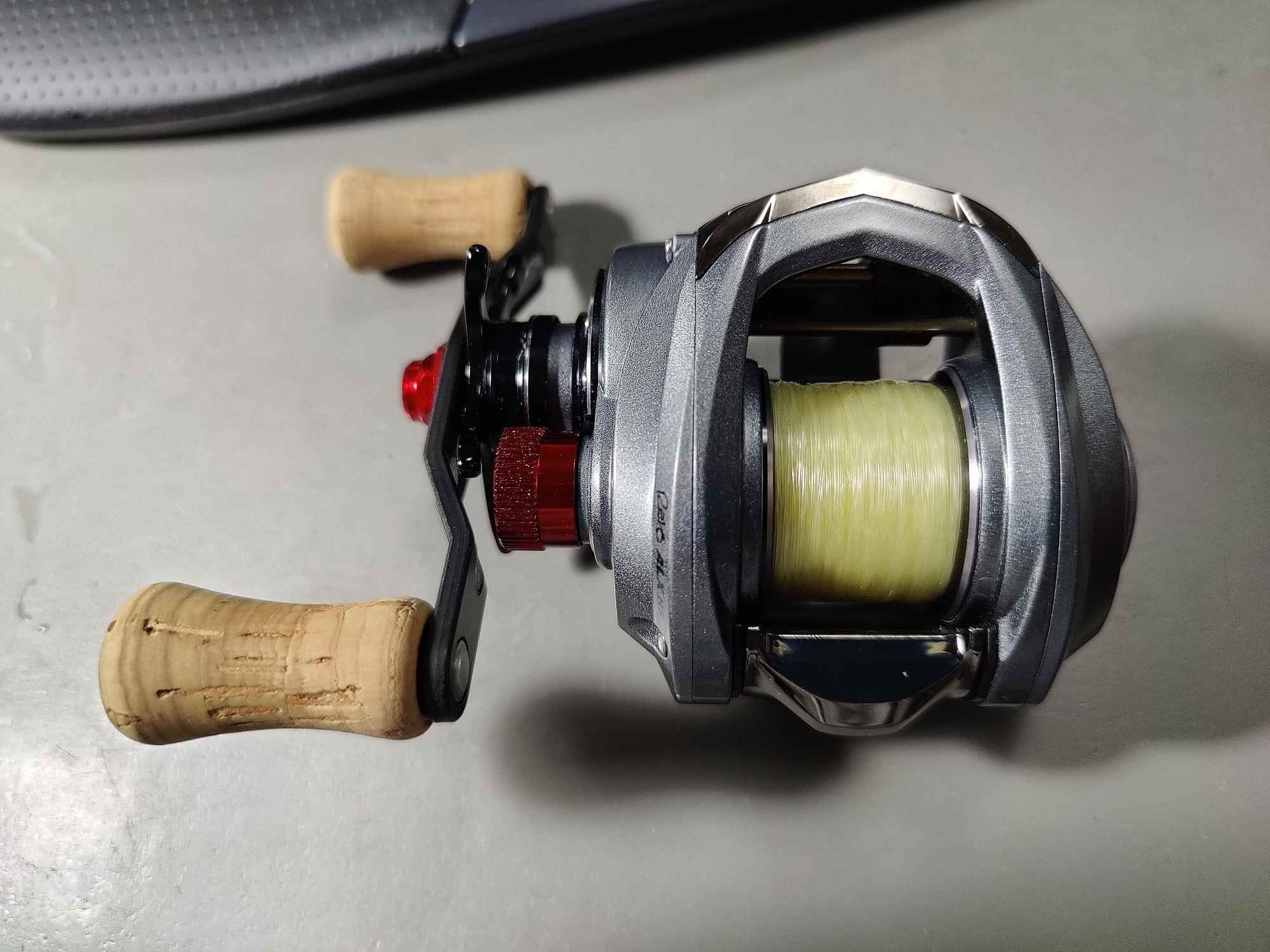
Nice purple tension knob on the Zillion
-
Reels on Chinese market are mostly the same as JDM reels, as the fishing scenario there tends to be the same as Japan - a lot of finesse tackles and techniques, although recent years Daiwa began to develop certain models just for Chinese market, mostly in red for some reasons.
-
The more I use Tatsu, the less I think about other lines.
-
Actually I believe there was a nice discussion about fishing line sensitivity causes several years back, maybe it's a different forum? Anyway, the reasons for fluoro's better sensitivity compared to mono, high density is one of them, and the other reason is what @WRB talked about earlier - the difference between elastic yield and plastic yield. Again, all yields include elastic yield and plastic yield. When the stretch force is low, the yield mostly consists of elastic yield, which follows simple Hooke's law; when the stretch force reaches a certain level, plastic yield begins to take control and become the majority of yield. Plastic yield and stretch force follow a more complex non-linear equation, which also includes time "t" as a variable. This certain "threshold" of force that causes plastic yield will depend on material composition, and usually the force level of mono is higher than that of fluoro, which means fluoro tends to start generating major plastic yield even under a relatively low stretch force. Back to sensitivity. Better sensitivity means better transmission of vibration energy through the line. Plastic yield won't contribute to sensitivity much, as most of the energy has been absorbed by the line for permanent plastic yield and shape changing. Elastic yield is mostly responsible for sensitivity, as the elastic yield will return to original shape, and transmit the energy down the line without much waste. Also, the less elastic yield under the same force (which means the constant k in Hooke's law equation is bigger), the better sensitivity the line will be. Fluoro tends to have a larger constant k than mono, though its "threshold" force of plastic yield is usually lower. Combined together, that means fluoro stretches less than mono UNDER elastic yield, but when you pull the line hard enough, fluoro will develop plastic yield quickly, and become just as stretchy as mono in total. When we try to detect a bite, the "bite" force put on line is definitely still under that "threshold" force of plastic yield, thus only elastic yield. Since fluoro has a larger constant k in elastic yield, thus it is more sensitive than mono, even though its total stretch during hard hookset is on the same level with mono. Hope I explain myself clearly on this. It shouldn't be hard to understand for guys in engineering industry.
-
Can't see the picture. Please make sure the pic file is under 1.4M. But I can confirm without pictures that Amazon ships rods like that. Every time it's a lottery. I've complained to them several times after accidents, but frankly, they just don't care.
-
For 20~25 size, I'd go with a faster gear ratio like 6.2. In my experience, it's easier to slow down the retrieve on spinning reels than to speed up. A 2000 size Tatula 6.2 can achieve a 32" IPT.