
Team9nine
Super User
-
Joined
-
Last visited
Everything posted by Team9nine
-
The best $0.99 you’ll ever spend. This and a pic of a relative weight table on your phone, and you’ll always be golden. Guessing weight from pictures is an effort in futility. Looks like a nice fish though.
-
Ditto - alternating half hitches and Rizzuto have pretty much solved any unraveling issues for me.
-
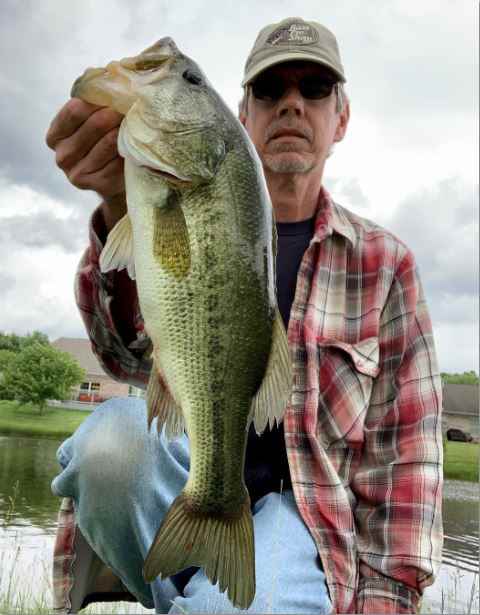
Best of 10 this afternoon fishing a bit deeper just outside the weedline using a jig - close to 5...at least high 4s.
-
Just some info to pass along from an old conversation with one of the developers of KVD L&L: Reel Magic, silicon sprays, WD-40, etc. typically contain petroleum distillates, which are a type of solvent . These solvents break down most plastics and other synthetic materials rapidly, and are good at relaxing line memory because they soften the line’s outer surface. Unfortunately, in this process, these same solvents are also leaching the plasticizers out of the line and can damage fishing reel components. Problem is, it’s these plasticizers that make the line flexible and durable. After just a few applications with these solvents the line can start to weaken and dry out. Line & Lure is a "polymeric surface modifier" and not an oil. Our polymers are exceedingly slippery when in contact with water and adhere effectively to mono, fluorocarbon, and braided lines. Line & Lure bonds to the line's surface and protects the line from nicks and wear, helping line last much longer. Line & Lure contains no solvents. Our testing consistently shows a 20% improvement in overall casting distance and line control. Unlike the others, Line & Lure formula works exceedingly well on fluorocarbon lines and will even improve knot strength. Apply Line & Lure to clean line, be it new or used. Avoid using Reel Magic or WD-40 on the line before using Line & Lure because the oils in those products will keep Line & Lure’s polymers from properly attaching to the line, which defeats its purpose.
-
Mine is older, a 2012 model. Depending on seasonal gas formulation, I get 13-15 pulling a boat, 19-21 just driving around, and can pull upper 20s with a long interstate run.
-
Yeah, just some Yammi stick poking - lol. The little smallmouth head shakers are a killer with it. I stopped buying them after a couple of those river smallie trips about 20 years ago where you go through 2-3 bags a tourney.
-
I lose 6-7 mpg just pulling my small aluminum around (Honda Ridgeline), but 80% of my boat fishing is less than 20 miles round-trip, and the other 20% is within an hour or less from the house, so it’s not too terrible - plus I offset a lot of that with my smaller 10hp 4-stroke boat engine.
-
Very common with Elaztech baits and weedless rigging, especially EWGs. I believe it’s the combo of the plastic and salt that forms a “channel” around the hook making it slide around more than other traditional plastics. As you already figured out, the simple answer is to just unrig and rerig the bait in a different position. You can do this almost endlessly with the Zman stuff. On TRDs, you can also just reverse the bait and switch rigging ends. You can just as easily use other traditional plastics and not have to deal with it as much, but the trade-off is not getting near as many fish per bait , which will cost you money in the long run. Might not be a big deal to you though if you're in the “1-fish-per-bait ‘he-man’ bassin’ camp” like some ? lol
-
You should write Yamamoto and see if that is some kind of record ? Maybe they’ll send you a free pack of Senkos for your nice letter - lol.
-
Black lights emit UV-A "long wave" ultraviolet radiation, and we now know that in most waters, UV light is quickly dissipated (attenuation) by organic matter, often within the first 5 feet of the water column, though very clear waters with low organic content can have penetration much deeper. So as just a general guideline, if you're fishing in water deeper than 5 feet, odds are good the line isn't "lighting up" much, if any below that depth, and visibility to the fish is probably a non-issue. I'd just keep fishing the line straight "as is" unless you feel a real reason to change things up. The advantage to being able to easily see slight line twitches, etc. at night using the black lights likely more than offsets any negative effects from potential "light up." I know fishing like that is very popular around here through the summer.
-
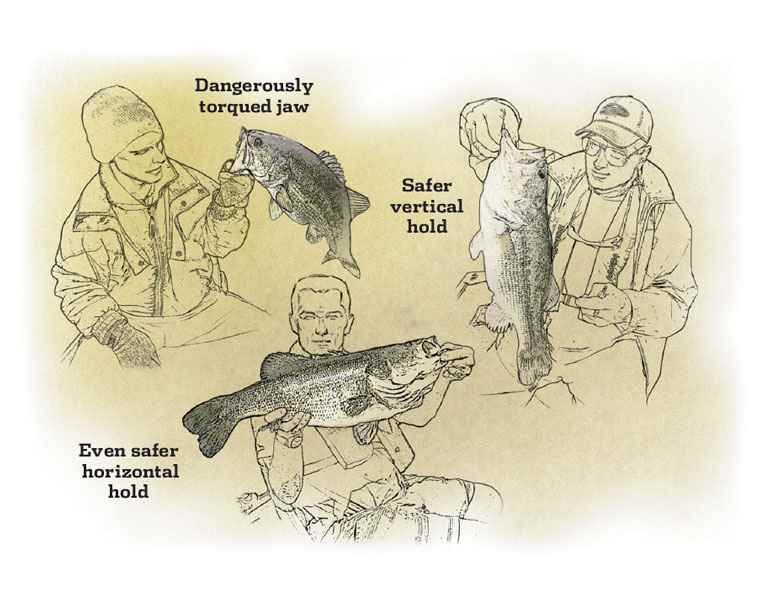
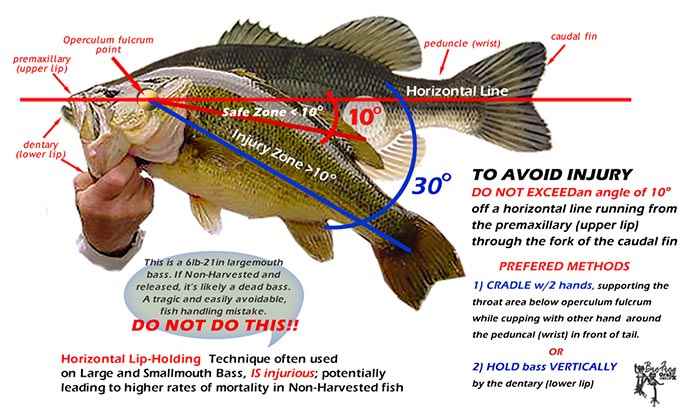
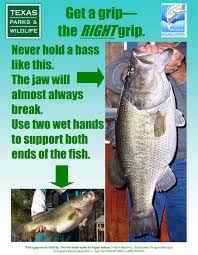
We probably still haven’t done the best job as an industry with clear and concise messaging in this area. Some aspects can be a bit confusing, like vertical holds. Ralph Manns piece on proper fish holding
-
They performed as originally written and published by In-Fisherman, as well as shown in a couple videos by TPWD, *** and TB. They claimed at least some experience with the removal technique. As for the barbed part, from the full study: "This study revealed that barbed hooks that were removed from the esophagus of SMB using the through-the-gill method took more than twice as long to remove than barbless hooks. Moreover, barbed hooks were more likely to cause esophageal tears and bleeding. No matter if the hook was barbed or barbless, removal through-the-gills had the potential to damage the gills. All of the sublethal outcomes that we assessed were worse for fish that had hooks removed than those that were left in place. Removal of hooks from the esophagus has the potential to damage vital organs and vasculature."
-
The study you cited is a newer one that questions to some degree the findings in the one I wrote about. However, the key finding (IMO) is the final two sentences of this newer study, especially: "short-term mortality was not statistically linked with any treatment group," meaning they basically came to a similar overall end result in that respect as the initial study, though they have some concerns based on their specific data showing higher occurrence of possible damage/death based on outright numbers in their study for the barbed "hook through the gills" method.
-
I've got the full paper and a couple others that have been done in reference to the "through-the-gills" hook removal method over the years. I wrote a short piece about it (one of the papers) several years back for another site: Watching anglers remove hooks from the jaw of a largemouth bass can be pretty enlightening. Seems everybody has their favorite technique. Some reach for the long-nose pliers, while others do that fancy “pop the hook with the palm of your hand” thing. You’ve seen it done – just don’t know who in the hell invented it - brilliant though. We’re all kind of like pseudo-dentists, minus the 10 years of advanced medical training necessary to perform our extraction magic on other people. Well, a very cool study was recently published concerning largemouth bass hook removal technique and effects. Effects of Four Hook Removal Techniques on Feeding, Growth, and Survival of Deeply Hooked Largemouth Bass by DeBoom, et al. took a scientific look at several common hook removal methods. What makes the study so neat is the intentional inclusion of the "through the gills" removal technique made popular by a Ralph Manns piece back in 2002 in In-Fisherman magazine and revisited again by Doug Stange some years later. The study authors even went so far as to use the exact same hook style in their testing as was done in the original publication piece. The study techniques involved a control set of fish that were hooked in the oral cavity (that’s science geek talk for "the mouth"), but not deep, as well as the deeply hooked fish that were given 4 treatment types: > barbless method - through the mouth with hemostats > standard method - through the mouth with hemostats > through the gill method- the IF technique with hemostats > hook in method - left the hook in the mouth with 1" or less of cut line attached After all the testing was complete, fish were placed back into ponds and checked in both the summer and the fall for feeding and growth. Results included: Hook removal method has no influence on survival of deeply hooked largemouth bass angled using these gear types. The authors found no evidence that deeply hooked largemouth bass suffer reduced growth compared with fish hooked in the oral cavity or among deeply hooked fish subjected to various hook removal techniques. No method for removal of deep hooks in largemouth bass was found to be advantageous in terms of growth or survival. Necropsies of eight surviving fish that originally had hooks left in revealed that all of the fish had shed their hooks by the end of the experiment. Although air exposure varied among treatments (ave. 8-60 sec.), these patterns were not consistent with measures of feeding recovery, suggesting that the observed periods of air exposure had little negative effects. So get the darn hook out of your fish’s mouth with whatever tool you’d like, or no tool at all. Just be quick about it.
-
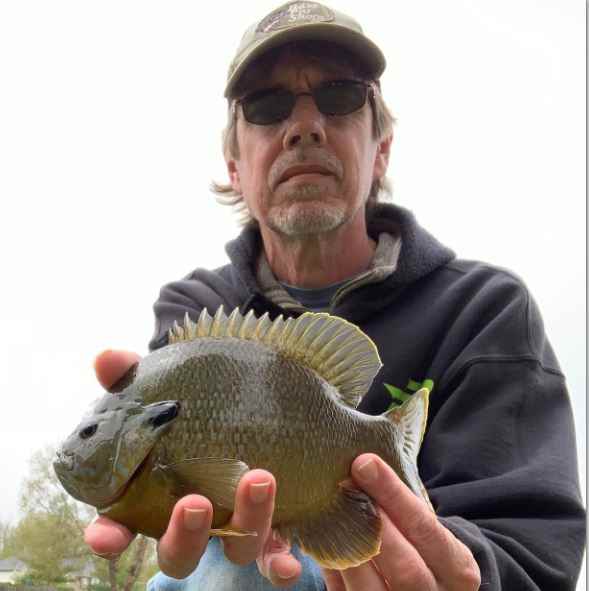
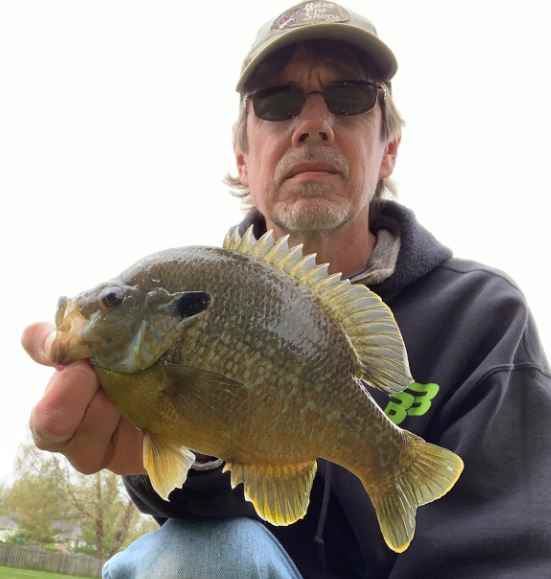
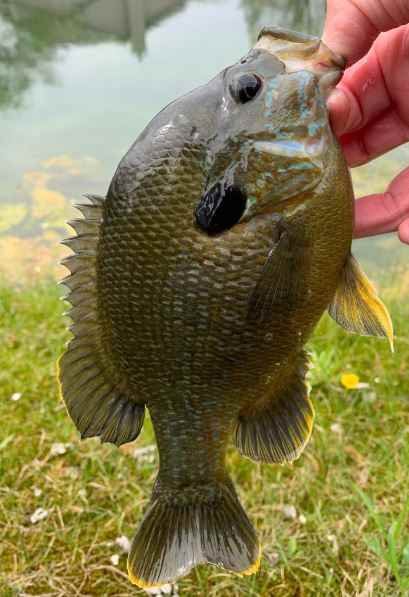
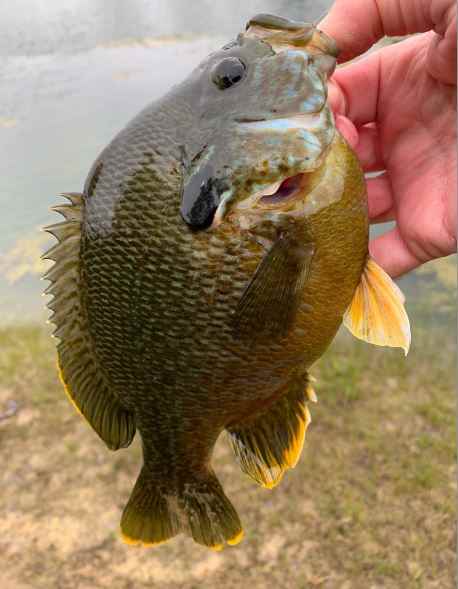
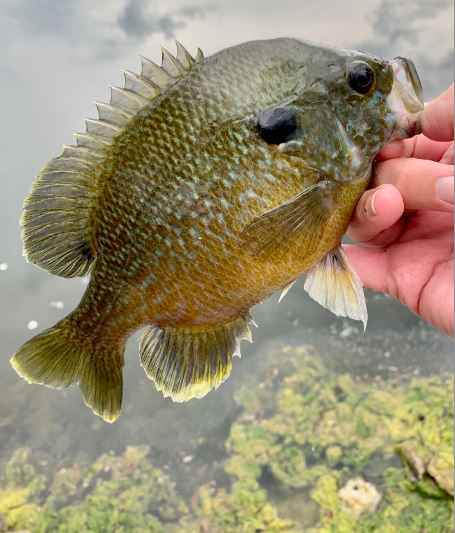
Been catching some mutant gills these past couple weeks on small swimbaits while bass fishing. About two more weeks when the new moon rolls through and these guys should be ganged up shallow and spawning. I'll be setting aside the bass gear for a short spell when it happens. I believe these are green sunfish/bluegill hybrids. Not sure if the cross is natural or they were stocked as hybrid gills (intentionally crossed). Have found them in 3 different HOA ponds now.
-
Most fish have body density slightly higher than water, so they tend to sink when dead. Air bladder also tends to lose function aiding this process. However, biological decomposition quickly creates gases that will fill body cavities (and some organs) that haven’t been breached (think scavengers) causing the fish to float after a period of time.
-
Bolded above. I stretch my soft plastics as far as “practical.” That will be different for different baits and rigging. On jigheads (Ned), trimming/shortening as the head of the bait gets destroyed can make a bait last a good while. I do this a lot with things like finesse worms. Fatter baits like TRDs and TicklerZ just get rotated a lot to adjust for tears around the hook bend. Texas-rigging though, I have a thing about the head being in original shape and condition, so I’ll replace as often as necessary. In general, if whatever form of rerigging and manipulation keeps the bait working relatively as original, then I’m good. I also won’t buy things like Senkos just because of their known “planned obsolescence” ? On the Zman record, one bait per fish would have cost me nearly $160 in plastics (and the record - lol). Instead, we got it done for $0.62 with a little creativity. That’s simply good ROI ?
-
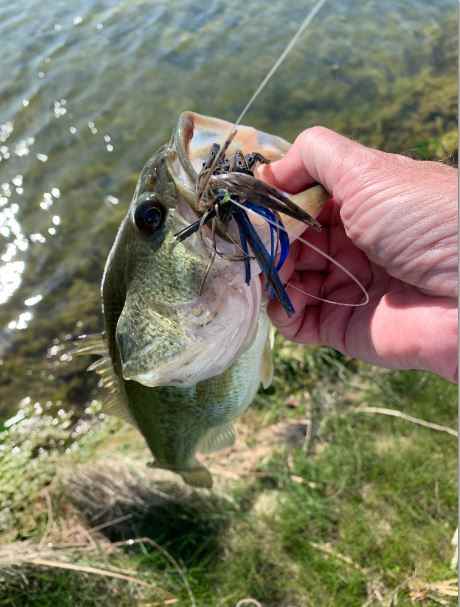
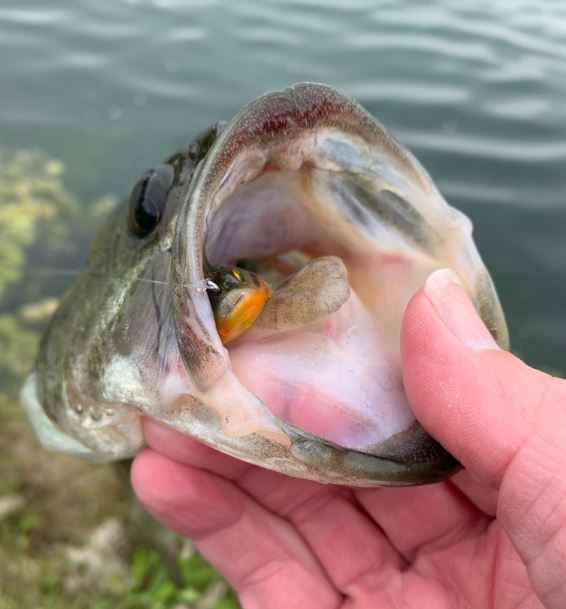
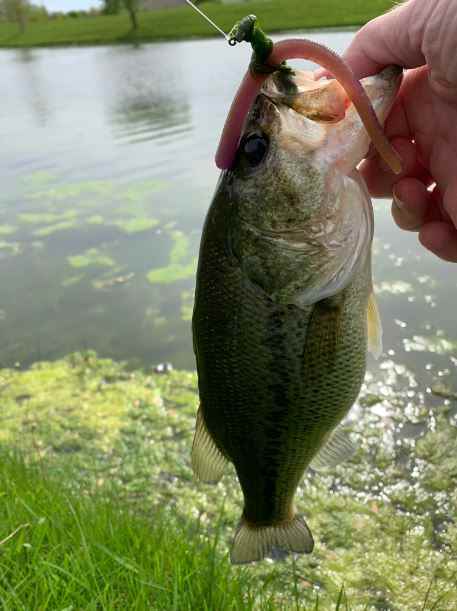
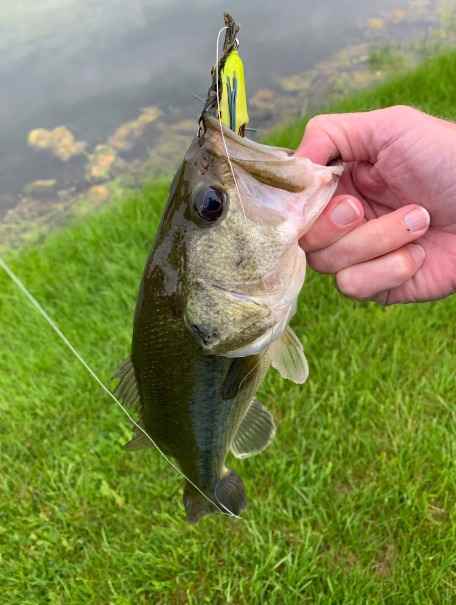
Been chasing the pond bass mostly over the past few weeks in between crappie trips. Different presentations for different ponds, or different weather conditions. Just a few baits overall though as I like to keep options simple from shore. Here's what's been working: JIGS - SWIMBAITS - JIGHEAD WACKY (Flick Shake) - FROGS -
-
Scents for lures? Pfft ? But if it helps boost your confidence, or you believe they make a positive difference, then go ahead and use ‘em.
-
I had one - it worked pretty well as long as you were able to limit your tackle selection to just a handful or two of baits.
-
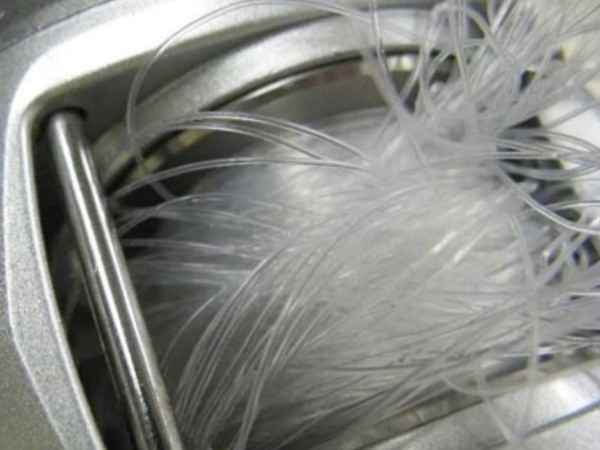
Some FYI news from Sunline. They just released data after studying whether fluorocarbon line is actually damaged or not after backlashing a cast like has been discussed on this site before in posts, and the answer is largely ‘yes.’ From the news release; “Anglers choosing to use fluorocarbon line with a baitcaster reel may experience backlashes or loops in their lines during use. Those errant casts cause the spool to overrun and that creates loops, kinks, and tangles in your line. Those overruns can cause a kink in the line when they occur or when an angler is working to remove them. You pull on the line when it is stuck, and a kink is created in the line in that spot. Those kinks can damage your fluorocarbon line and lead to failure later during your usage of that reel and line. The more kinks you cause in your line the more damage you are doing to it and the more likely it is that your line will break when casting or during hooksets. These lines were also tested for straight breaking strength before and after the kink. The line that had been kinked showed a measurable decrease in breaking strength. The micro cracks from the kink had caused the line to break at a 5% lower strength on average after repeated testing. More kinks are only going to continue to weaken the line causing it to fail below the rated level. This can often be seen when fluorocarbon line unexpectedly breaks in the spool on a cast. The kinks from backlashes in your spool have weakened it, so that it breaks inside the spool on a random cast.“ No mention of them testing and comparing any of their nylon based monos in this regard.

-
Crappie guys were well out front of the bass guys on its use, so first thing I did was go to YT and see what settings every professional crappie guy liked - which was probably about 80% consistent across the board. This allowed me to set mine up quickly with settings I knew would be close to ideal right from the start, and allowed me to not second guess if my unit or settings were off or could be trusted. Next, in almost every single video I watched, they were almost always in calm water, so I started by going out on calm days, or finding protected areas to learn in the beginning. Beyond that, as you expand out to breezier conditions, you learn to always try and set up immediately downwind of your target, regardless, at least at first. Very frustrating in the beginning to have to deal with windy conditions when learning, so simply avoid them best you can. Next, while being a big crappie fan already, all my initial trips were for crappie. They are simply easier to learn on at first. They are schooled up in greater numbers, often suspended slightly in relation to structure or cover, and willing to bite. They are some of the easiest fish to see and recognize on your FFS. This will also allow you to learn ‘lure watching’ on the screen as well as develop depth and speed control with your presentation. If you have white bass, they are also a good structure fish to learn on. With enough trips under your belt (it took me almost a month), you’ll develop enough comfort and get past the frustrations to where you can start branching out and adapting to bass. Here, it seems like cover/structure finding and observation is the greatest initial benefit. Also, late winter/early spring seems to be the most ideal time for learning largemouth targeting (individual fish) with jerkbaits and A-rigs because of their pension to suspend at this time. Different waters and different species will vary this though. Smallies and spots might be more amenable year round in some waters.
-
Sounds like the cooling water and/or increased flow pulled the fish back into a holding area, and once things changed (higher temps or lower flows), they scattered. Odds are you’ll be able to repeat the scenario in future years on those same spots when similar conditions present themselves. Rivers get very predictable like that.
-
Never underestimate the ability of anglers and angling companies to take a simple, effective system and decide it can be expanded upon, improved and adapted to situations and scenarios it was never intended to be in in the first place, and then marketed to all via direct sales or social marketing and outreach, for financial gain.
-
What’s the best leader-line knot? What’s the best direct tie knot? What’s the best braid knot? What’s the best fluorocarbon knot? What’s your favorite squarebill? Who makes the best spinning reel? What’s your favorite color Senko? What’s your favorite soft plastic craw bait? What monofilament line should I buy? What’s your favorite scent product? Yep - 55 responses and 3 pages later on each topic - all of them! ?