Goose52
Super User
-
Joined
-
Last visited
Everything posted by Goose52
-
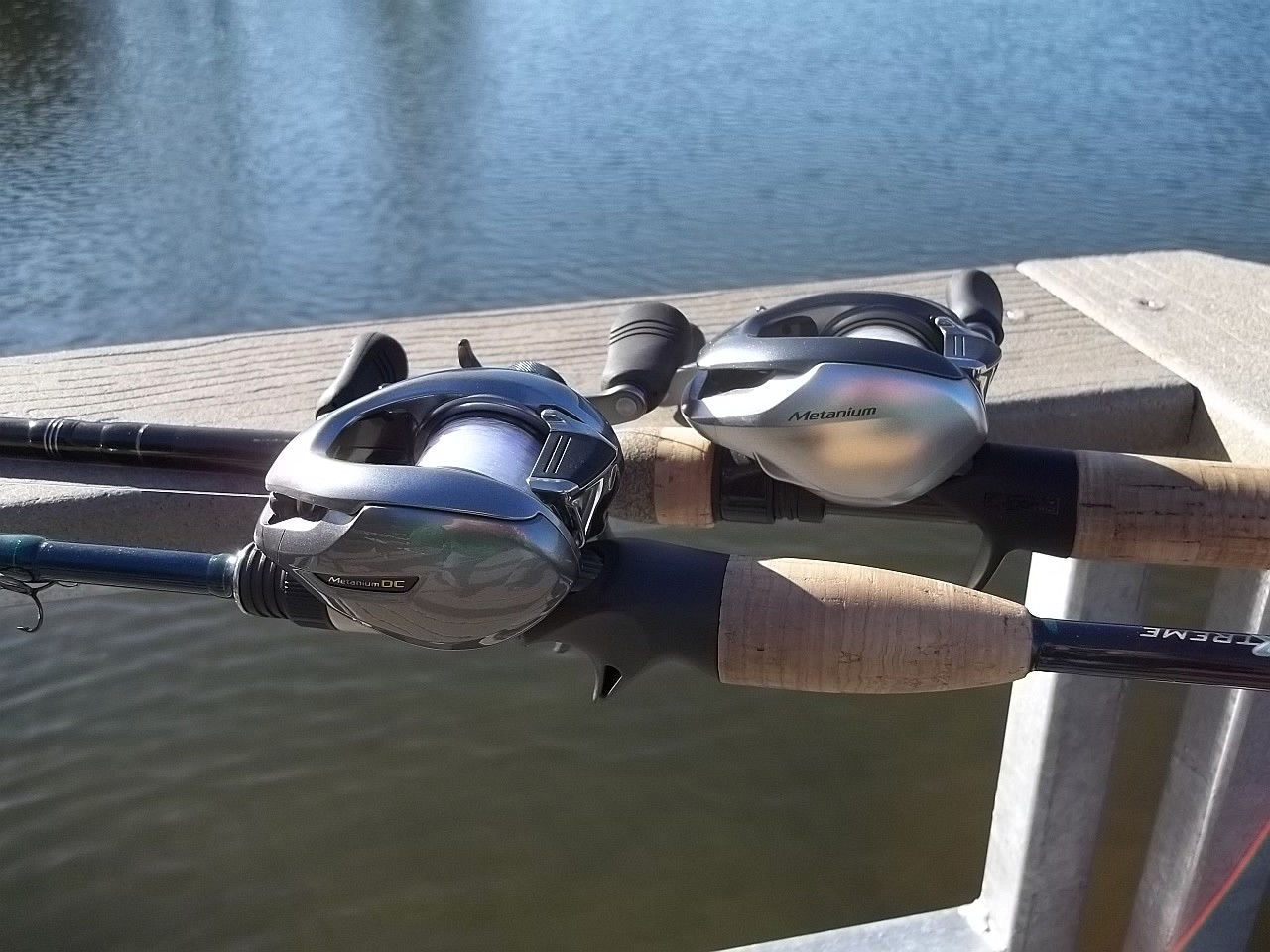
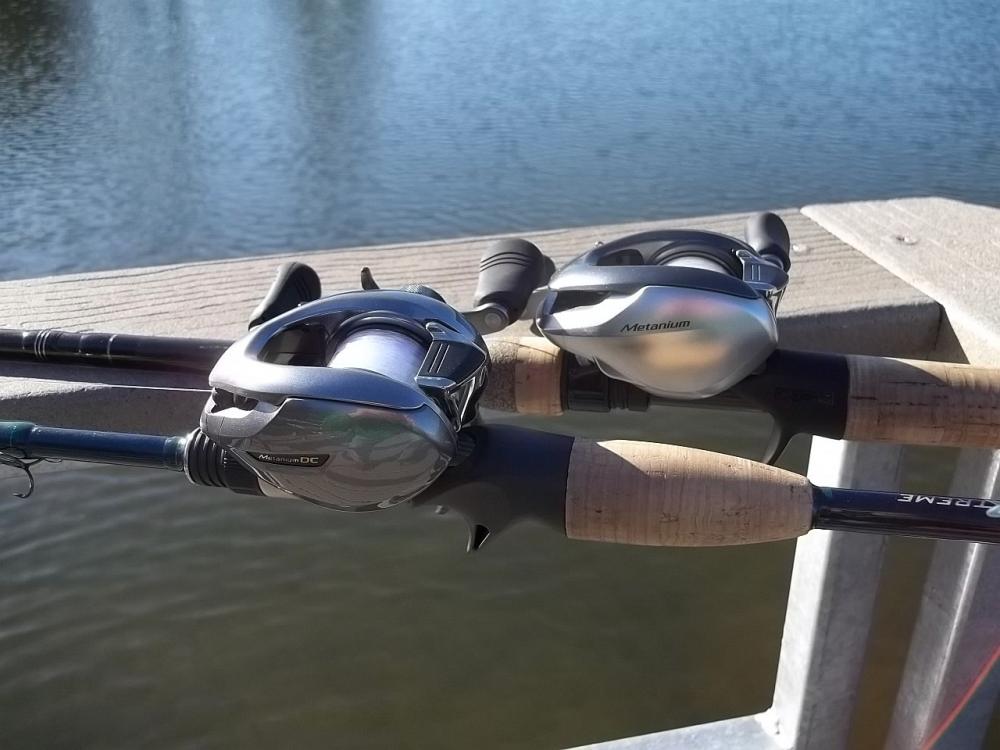
The "Metanium" name goes back nearly 20 years and includes the discontinued models of Metanium XT, MG, MG7 that ran from about 1997 to 2012. There was an earlier Metanium DC (digital control), also now discontinued, that ran from around 2008 to 2014. The current Metanium platform began with the 2013 model (aka "Metanium 13"). The Met 13 was superseded just this year by the Metanium MGL (aka "Metanium 16"). Also in the lineup, starting in 2015, is the new-generation Metanium DC - based on the Met 13 platform. So, for current, new, production models, you have the Met MGL/16, and the Met DC/15. Both of these reels are available in several gear ratios (6.2, 7.4, 8.5) and in RH and LH models. Both of the current models are the same physical size - Shimano labels them as "150" size. This is a photo of the Met 13 and Met DC:
-
Common theme here. I have Pfllueger spinning reels in 20, 25, 30, and 35 sizes. The most versatile for all around bass fishing - size 30. Having said that, what size do I catch the most fish on? The 25s - running with either 6lb YZ or 15lb braid. The only problem I have with the 25s (Supreme models) is that for some reason they just eat bail springs. Haven't replaced a bail spring on any of my other sizes, just the 25s...
-
WOW - it looks to be in GREAT shape for its age. Very cool !!
-
As I always say when I get that comment, the reason that the garage looks clean is that I have a 30 foot long attic above the garage that is, shall we say, not clean................
-
I've ordered a bunch of JDM reels from sellers in Japan - but to tell you the truth I haven't paid much attention to their return policies. I would imagine some sellers provide for returns, or will process a warranty claim. I believe Jun at Japan Tackle will send a reel in for warranty repair. I can't say what the policies are at Japan Lure Shop, Digitaka, Plat, etc. Of course, you have the hassle of sending the reel back to Japan for this type of work. There is also the option of ordering repair parts from Japan, and having the reel repaired here in the U.S. and eating that cost.
-
There were two USDM DC Shimanos - the Calais DC, and the Calcutta CTE-DC. Both models were discontinued by Shimano Japan and replaced by newer platforms - thus Shimano USA had to drop the Calais and CTE-DC from their line-up. However, Shimano USA has apparently not yet decided if/when they will import any of the current DC models as USDM products.
-
I think it's worth noting that this "iteration" of the Lew's brand only began shipping product in October 2010 - just six years ago. So, it's not like we're concerned about the future of one of the mainstream brands that have been around for a while. Lynn Reeves, the founder of the current Lew's, was able to leverage his purchasing experience at BPS, and his off-shore contacts, to resurrect a Lew's branded product from Korean OEM(s). He brought some good products to market, at good prices, but at the end of the day, they're still OEM-sourced and another enterprise could do essentially the same thing. The one BIG thing that I think Reeves and the current Lew's brought to the market was "agility" - the ability to react to market trends (or to competitor new introductions) and respond quickly with products the anglers are looking for. Compare this to his old outfit, BPS, that is NOT agile and is still relying on reels like the Pro Qualifier for volume and is not very responsive to the market. The down-side to the Lew's "agility" and quick product introductions is the almost bewildering number of models that they have introduced in the past six years. Again, great for the angler but I'm not sure it's good for the product support/spares part of the business. Anyway, here's hoping that the new owners will be equally as agile and responsive as the old owners were - to the benefit of us anglers...
-
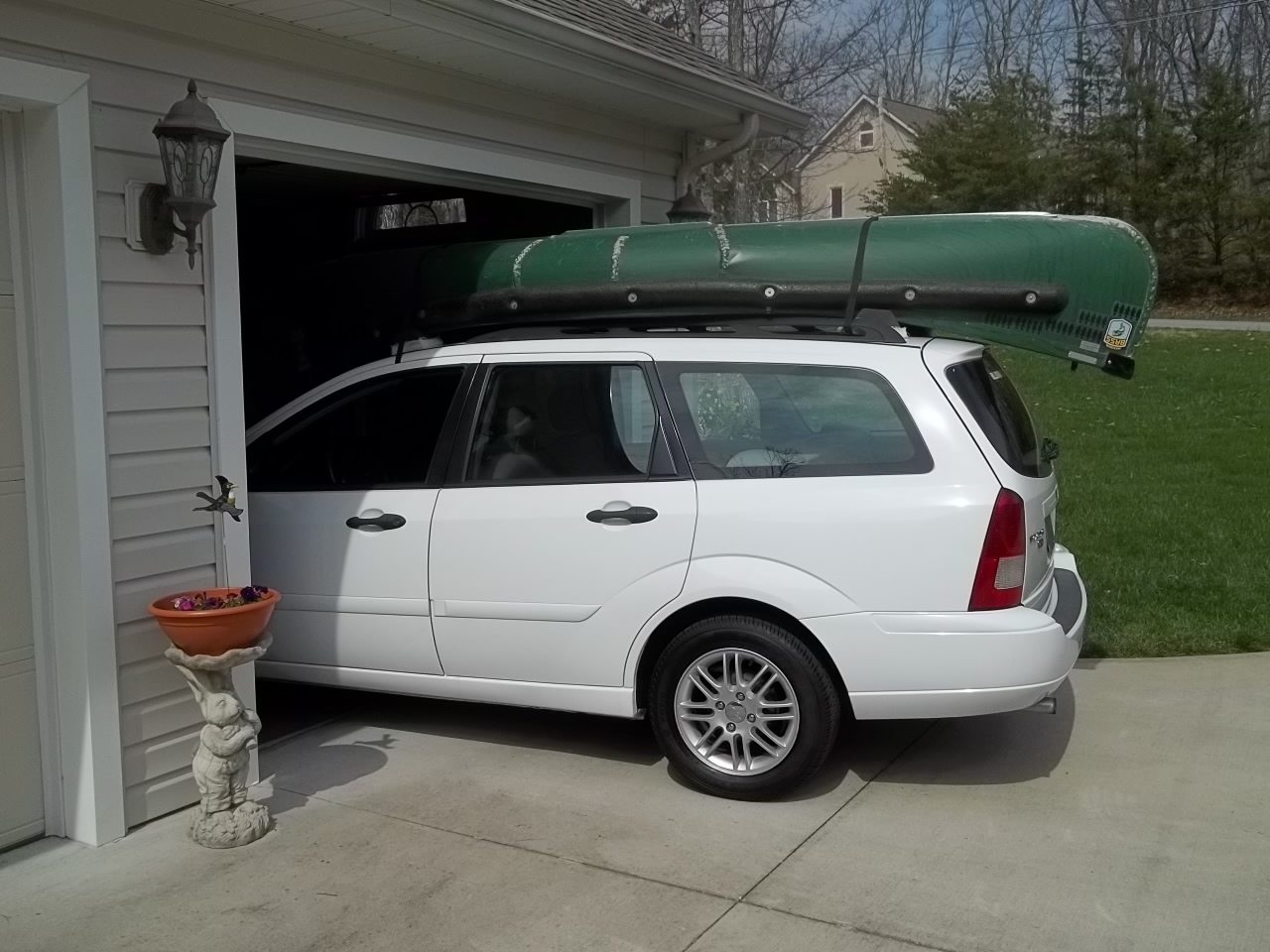
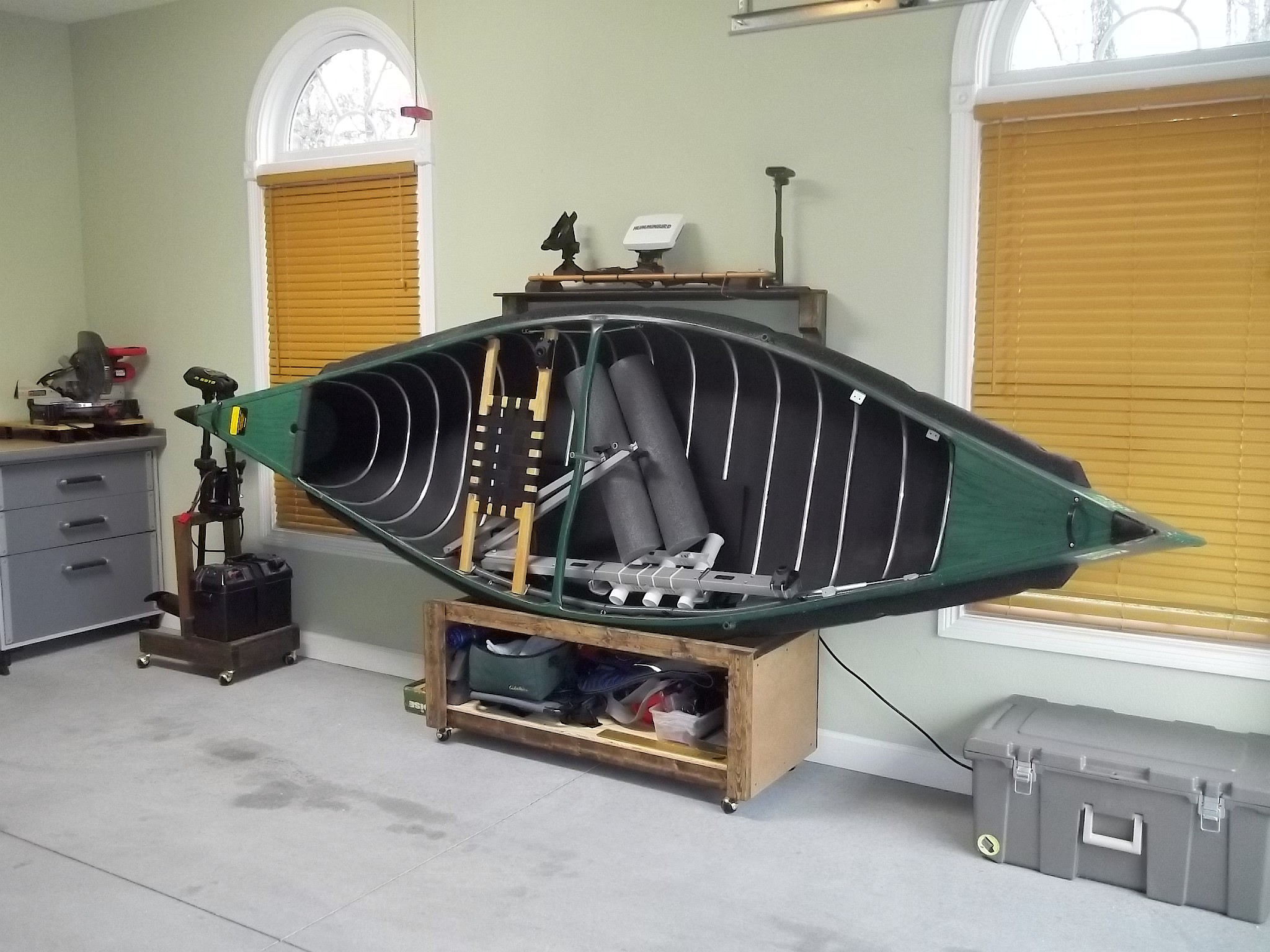
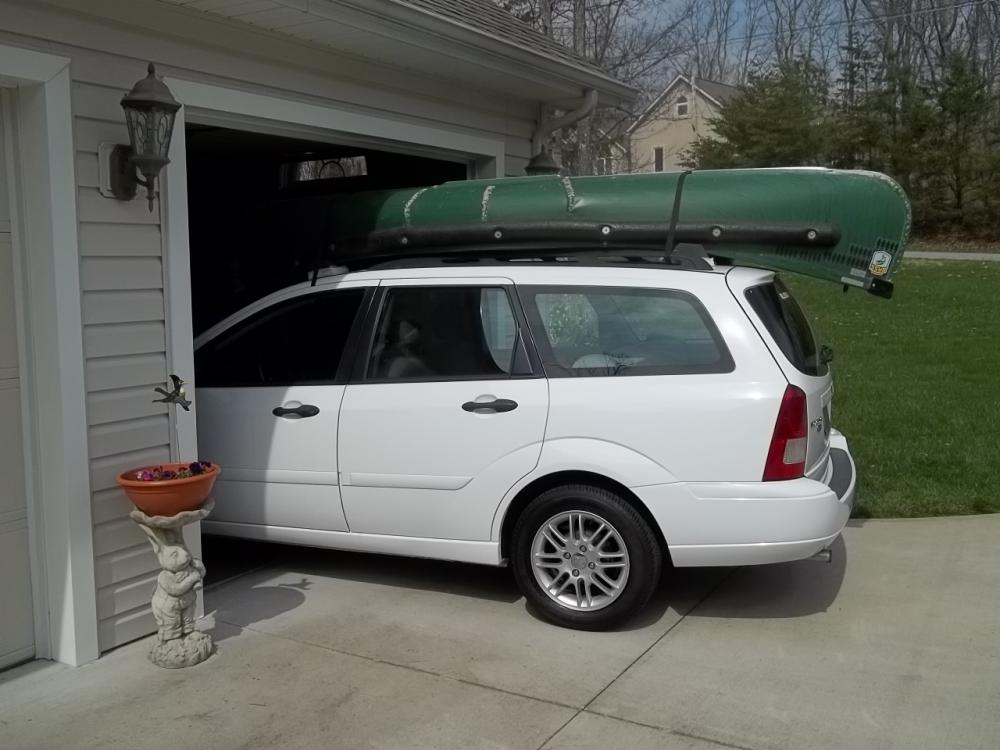
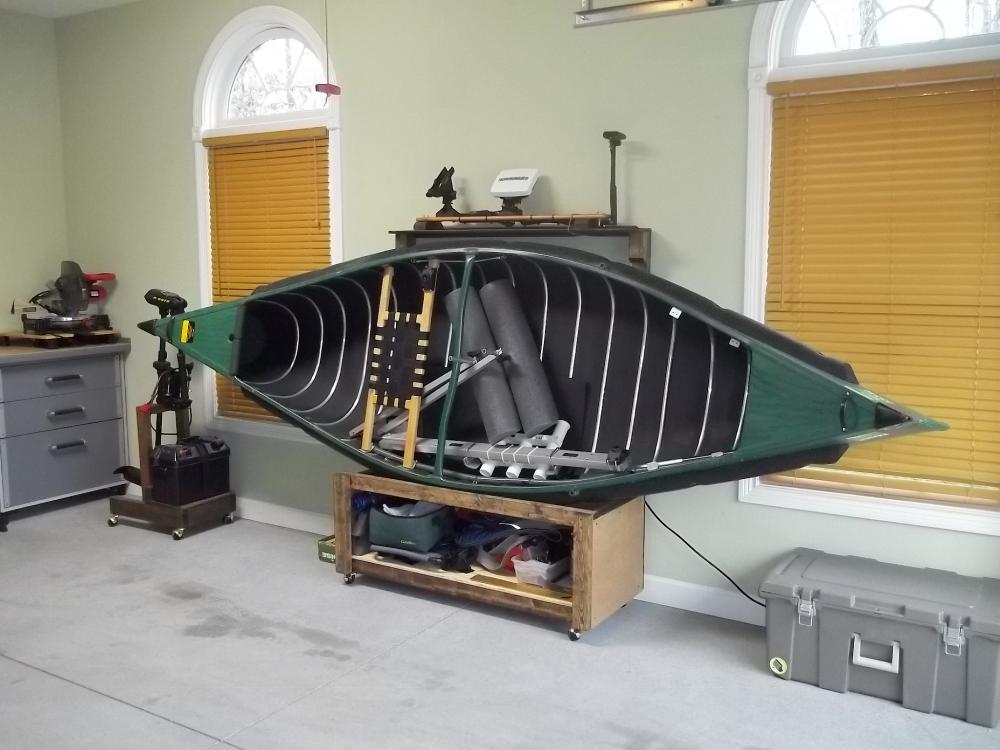
Car top ? I do, and still have the clearance to pull into the garage and be ready to leave the next day... Storage ? Easy enough. For you, with just a shed, you could get by with hanging the canoe on one wall or overhead (if you have the length) and all the miscellaneous gear would fit on a shelf or in a storage box. Then, make a dolly or have a bracket inside the shed to hang the trolling motor...
-
Generally, a rod with an extra-fast action will not be the longest casting (even if they have a soft tip) as not enough of the rod blank will truly load to launch the bait. You CAN get more distance out of them by trying to "muscle" the cast but that can lead to elbow and shoulder issues (ask me how I know). So, that leaves mod, mod-fast, and fast. Of those, a compromise might be mod-fast. BUT, rod selection is usually more about what you need for the BAIT, not what gives the longest casting distance. Spinnerbaits, especially heavy ones, have big, thick hooks that usually require an "authoritive" hookset. You can get that hookset by going to a stiffer action, heavier power, and/or braided line (or heavier lb/test mono/flouro). For a mod-fast, you could probably get away with mono/flouro in a higher lb/test. If you thought the longest casting rod was going to be a moderate action - you might have to consider braid. It's all so simple - right..............................
-
Ah - casting distance from the bank. Been on that quest myself. After purchasing reels like the Calais DC, Antares 12, Conquest 00, Conquest 14, etc., etc., and matching them with typical bass rods of fast, moderate-fast, and moderate actions, in medium and medium-heavy powers, and lengths up to 7'11", here is what I found: Distance is more about the rod than the reel. Ultimate distance from the reel is not necessarily found in any particular brand, or model within a brand. The farthest casting reel is often the one that has the freshest servicing, with the cleanest bearings, (and sometimes the best bearings), and having a braking system with which that particular user has the skill to manipulate to have the least amount of braking without backlashing. Having said the above, there are reels that allow a user to, PERHAPS, extract more distance, easier, and with less chance of backlashing - the Shimano digital control reels, specifically the Calais/Antares models with the 4x8 DC system. So, if ultimate distance is a primary criterion, then one possible solution would be: Shimano Calais DC - used (however, only available with gearing giving 31 IPT - may limit your bait selection / presentations) 8 1/2' to 9 1/2' salmon/steelhead rod braided line (because with nylon mono, copoly, or flouro you may outcast your hooksetting range) The Calais is high-end, robust, long-casting, BUT, not too light. However, I'm only 64 years old and I can handle the weight of my Calais OK - I can't speak for others... Now, with reels and rods covered...about those baits. Depending on what swimbaits that you are talking about, you may be able to get considerable distance out of those. However, spinnerbaits are not known as long-distance baits - too big in form factor and catch too much wind for their mass. So, going for uber distance equipment with the intent of tossing spinnerbaits may not add up. In other words, as "Hogsticker" mentioned above, if you REALLY want to keep spinnerbaits in the equation, you might want to give up the "light" part of your reel criteria, not pursue ultimate casting distance, and concentrate on the robust part the equation. For instance, a spinnerbait with a factory weight rating of 3/4 oz will actually weigh 1 oz or more - something to consider before considering the "light" reels....
-
I have two CQ50s; both are on St. Croix medium-light rods - one on an Avid, the other on a LTB. These reels are a lot of fun on these light rods. However, both of my rods retail above your price-point. The first rod that came to mind though was already recommended by Darren and that was the 6'6" ML Carbonlite. I don't have that rod but I do have a 7' M Carbonlite and it is a very light, fairly sensitive rod for the money so I'm assuming that the ML Carbonlite is as well. Have fun with your Conquest 50 !
-
I haven't kept track of the exact recommendations, but on your other recent thread ( With which reel would you treat yourself? )...you had MANY recommendations that just about covered most of the higher-end reels from the major manufacturers. On that thread, you also had some very sage advice from member "bassbassontherange" about what to expect from higher-end reels: Now you have a new thread with the added parameter of "robust, light reel with distance." Taking your additional criteria into consideration, I predict that you will most likely get the same recommendations on this thread as the other thread (since most higher-end reels indeed try to be robust, fairly light, and have good casting qualities). SO, my recommendation for you is to, given your $350-400 budget, purchase either 4 or 5 (depending on whether you can catch the periodic sales), BPS Pro Qualifier reels in the various gear ratios. You will have a battery of excellent, serviceable reels that will give yeoman service for the next few years. Sometime down the road, perhaps there will be technology advances that will then make the next purchasing decision easier... AND, since I ran a FIVE-YEAR test on the BPS PQ and reported the results on this board, and own 6 of them myself, I have indeed taken my own advice...
-
Yowsa - THAT'S what makes those cold days worthwhile !
-
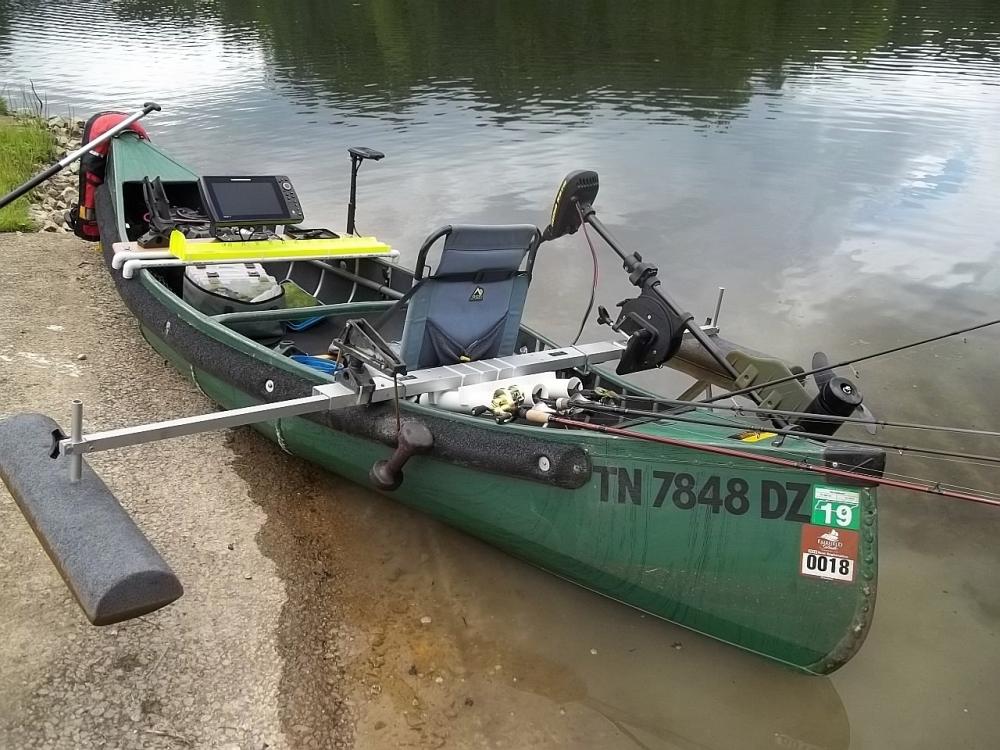
Most canoes can be "modified" as much as you want...
-
For sure, I'll keep you in mind if I ever need to "slim the herd" ! Don't know if you recall an earlier post, but this reel, the Met DC, a Conquest 100, and a Calcutta CTE-100GT were all supposed to be in my will for you... HOWEVER, I am not planning on going away anytime soon................
-
OUCH - and that was back in the film days - it was a bit spendy back then to pay to develop and print poor photos...!
-
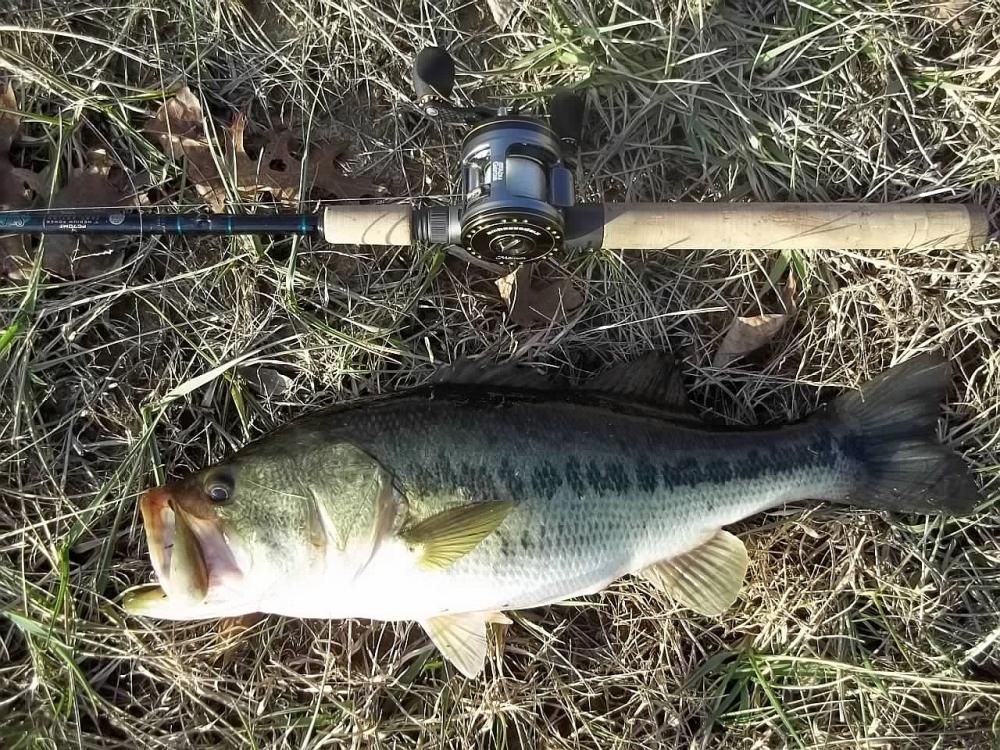
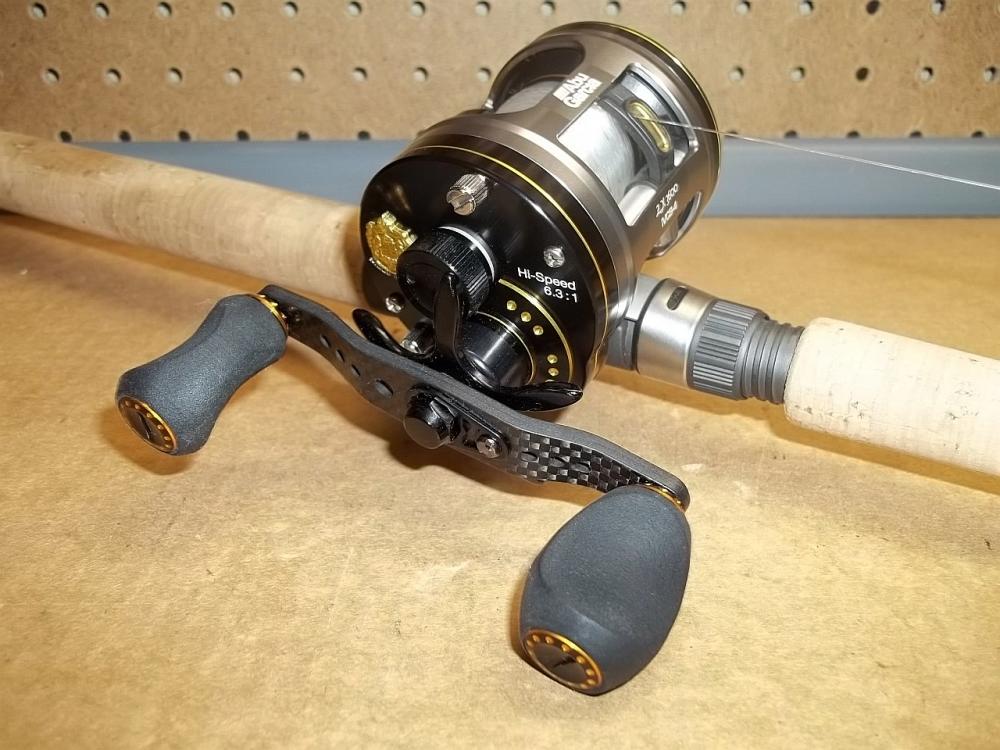
SCORE ! That's an extremely good price indeed. As you say, retail price has always been listed at $499. I got mine for $370 shipped a couple years ago and thought I was getting a bargain. It's a very nice reel and coincidentally I fished mine just this morning. It will chuck a lipless crank out there a LONG way. I got the Morrum because I already had quite a few Conquests and Calcuttas and wanted something different. Also, a selling feature to me was the higher IPT than what was available on Conquests back then. If I was in the market today for the same type of reel, I would actually get the Conquest HG now that the higher IPT of the HG model is available. Still - at $239 total - you have an OUTSTANDING reel that you will enjoy for a long time.
-
To the OP - I will drift off-topic for a moment... Bass Turd - The tagging program is interesting stuff. I'm the "field-force" for a biologist that is on retainer to help manage our local community lakes. Not sure if I want to maintain a thread on this but here's a couple recent posts that I made regarding the program that sum it up. The results of the program so far are, at the same time, interesting and depressing. My water is very infertile, with little forage, lots of skinny bass, and not much that can be economically done about it... Why the Tagging Program Post: Primarily for monitoring LMB growth rates as part of an ongoing study assessing the quality/fertility of our local lakes. We have 11 main lakes in our community, totaling about 530 acres. I have been measuring and weighing thousands of bass in these lakes for the last 7 years. My data is provided to our Lakes Consultant, who also receives data from our local bass club. He uses those thousands of data points as part of his assessment of the health/quality of the fishery. He also uses seining techniques to assess annual recruitment, brings in electroshock equipment from time to time, measures water chemistry, and uses other factors as part of his overall review. The lakes are generally of low fertility, with less than optimum reproduction of forage fish, and are low-yield regarding catch rates. Our bass are generally thin - averaging about 75-85% of national average weights. Some of the low fertility relates to the geology of the lakes - I guess they would be classified as highland reservoirs, with a rock substrate, and in many places a rock or muck bottom. There is little emergent vegetation, but some of the lakes do have significant sub-surface vegetation at certain times of the year. Corrective measures have included lake fertilization which was effective but opposed by the majority of residents due to the extreme staining of the water. Hundreds of fish structures (concrete & pvc pipe "porcupines") have been constructed and placed at strategic places in the lakes and those are effective in providing an area for algae growth (on the pvc) - attracting both forage fish and bass (I caught 3 bass off a field of those structures just this morning). Tilapia have been stocked due to their rapid growth and reproductive rates in an effort to provide additional forage. So, knowing that the lakes are low fertility/low yield, the next step was to assess actual growth rates of known fish. A pilot program was started in one lake and that gave some good data so I was drafted to tag bass in 3 other lakes (totaling 65 acres). I'm in the second season now and have tagged about 630 bass so far and have had many recaptures. As mentioned earlier, the data is showing poor growth rates, with little to no growth in some fish over the course of a year. In some cases, we have negative weight changes after a year. It's looking like we could have 10" bass that might be 3 or 4 years old! If the data trend of slow growth continues next year, I am going to recommend to the Lakes Consultant that we take some scale samples to determine the actual age of some of these fish. At the end of the day, there is a limit to what can be done to improve the fishery. There is only so much budget for forage fish stocking and habitat improvement, most residents are not anglers and like the lakes to look like swimming pools (clear water and no cover), and in general we are fighting mother nature in regards to the geology of the lakes. Some Data From the Tagging Program: I am nearing the end of my second season of tagging LMB in three of my local lakes (38, 16, and 11 acres). I have tagged 691 bass so far and have 298 recaptures of those bass. Of those 298 recaptures, NONE have generated any of the oft-quoted growth metrics (e.g., x inches/year, x pounds/year). I get pretty exited when I have, say, a 14" bass grow an inch in a year. I have bass that I measured at 260 mm 16 months ago that are now only 270/275 mm (in other words - a 10" bass still being around 10" 16 months later). So my lakes represent the flip-side of your lake - mine are very infertile, with generally poor forage, with many skinny bass having very low "relative weights". OTOH, I do have some very healthy, plump bass having relative weights at 100% or over that apparently are able to out-compete most of the other bass for available forage. Here are my average relative weights for inch classes from 10" to 22": 10" 79.1% 11" 81.1% 12" 77.5% 13" 75.6% 14" 73.8% 15" 73.5% 16" 75.2% 17" 77.9% 18" 76.9% 19" 77.1% 20" 76.8% 21" 81.3% 22" 77.0% These results have REALLY made me appreciate it when I catch a 4, 5, or 6 pound bass in my water - they are scarce, and have taken a LONG time to achieve those weights.
-
Yeah - it sorta puts a whole new perspective on the term "car-topping" ! And, for the OP, I can't identify the canoe - it has a somewhat generic hull-form...
-
I'm nearing the end of the second season of working a tagging program in three of my local lakes. To date, I have tagged 694 bass and have 298 recaptures of the tagged bass. I have re-caught many of the fish 3 or more times. The record, so far, is one bass that I have caught a total of 6 times. AND, this is only the second season. Who knows what lies ahead in the coming years...
-
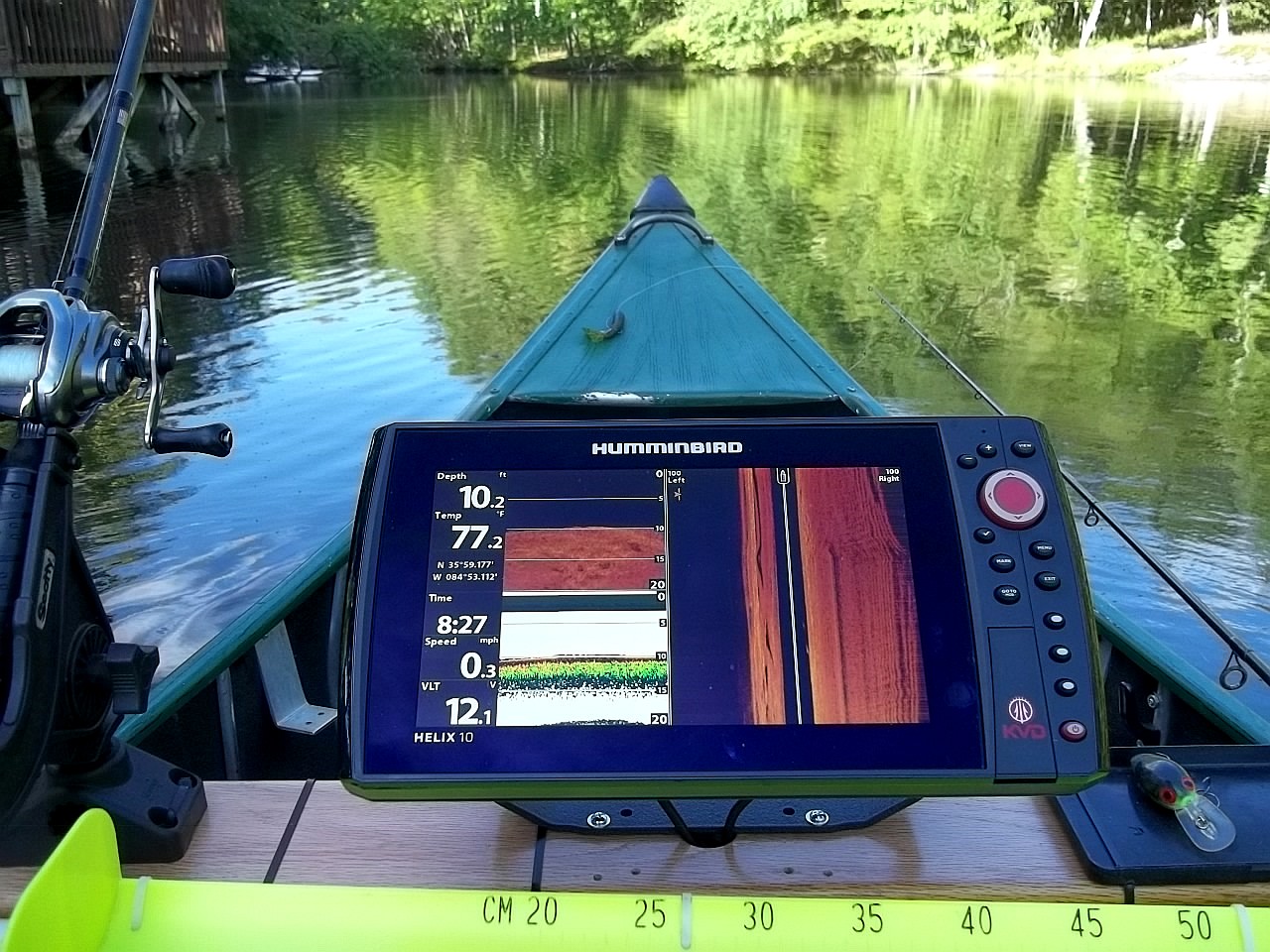
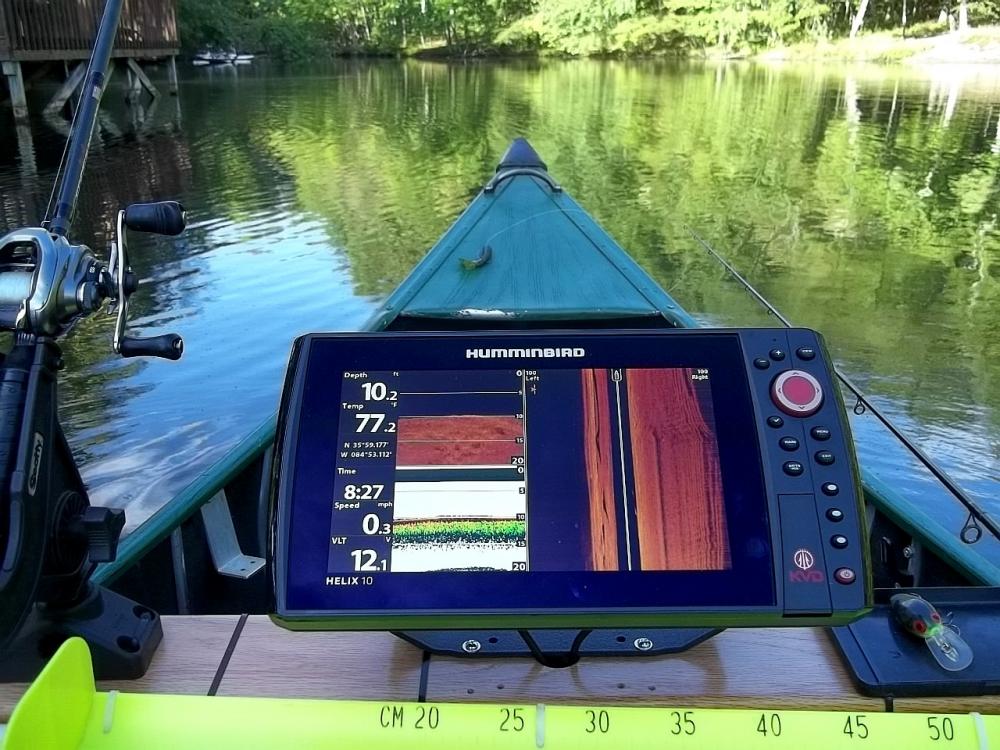
Thanks Wayne. "Catching" is starting to slow down a bit here so it looks like I can spend some time on the water playing with different TM power levels. I generally use fairly low power levels when scanning the sonar and only use the higher power levels when motoring from place to place so I don't think the RFI in the above screen shot is going to be a big issue. I knew that powering both the TM and sonar from the same battery is generally not recommended, but I do it for simplicity since the boat in question is a canoe and there are packaging considerations !
-
Thanks Tom - this is fun stuff and worth the effort required for all the record keeping. BUT, as I say, I'm only the "guy in the field" catching, tagging, and measuring fish - the biologist is the guru on what all this means... BTW - the relative weight tables are based on the "pinched tail" measuring method and that's what I use for all my length measures (and that's what our TN state wildlife agency uses as well). For the tagging program, I measure to 1mm in length but due to the location of the mm measurements on my bump board I have standardized on using the upper lobe of the tail/caudal fin as my measuring location. In some cases, the lower lobe might be longer but since we are measuring growth, not absolute length, standardizing on one lobe or the other works just as well.
-
You guys have me re-thinking about what exactly I was doing when I hit the "mark" button ! I was drifting and saw some return - I cranked on the speed from the TM and got a better return, then probably killed (or reduced power on) the TM when I decided to get a screen grab and started reaching for the "mark" button. So, the upper part is probably with the TM off or reduced power but still "coasting" and registering speed. If that IS RFI (and if Wayne says it is then I guess it is!) and not just a diminished return due to too slow a speed...then I need to play with this some on the water. My sonar and TM are on the same battery. Perhaps I need to sometime power the sonar off my 7AH battery while in the boat to see if there's a difference. This is puzzling to me as I've had very sharp SI images when I'm on the TM (albeit at lower power levels). Wayne, do think there is a TM power level threshold above which I've got the RFI? I really "goosed" the TM when I came out of the drift and perhaps I was above that RFI threshold ? BTW - there is no " big motor" - only the the TM !
-
Hi Paul. I am going to paste an explanation of relative weight that I just Googled. I use a largemouth bass relative weight chart provided by the biologist that my community has on retainer to help manage our lakes. I believe that the RW formula for LMB has been standardized and that my table is an industry standard. You can Google and find some "calculators" that take the work out of determining the RW for a specific fish. In my case, I have over 2,200 recorded weights of bass from 10" up to 26". I only have enough weights to be somewhat statistically valid up to 22" so that is the upper end of my RW calculations. My Excel spreadsheet automatically calculates the average weight of each inch-class. I then take that average weight and use the standard weight on the RW table to calculate the RW percentage. Anyway, I only catch and re-catch bass, keep records, and crunch numbers on this tagging program. Our biologist that I work with is the expert on this stuff...I'm only the "field force" ! Relative weight is an index used by fisheries biologists to determine if a fish is in good condition, fat, or thin. It is calculated by dividing the weight of a fish by the expected weight for a fish of the same species at the same length growing rapidly with plenty of food. In the scientific and management literature, this index is usually multiplied by 100 to put it in whole units or percentages. A relative weight below 80 is very thin, around 90 is average, and greater than 100 is considered fat. In a well-managed fishing pond, the fish would typically have relative weights around 90. So, from the above explanation, you can see that my LMB, with all inch-classes averaging between 73 to 81 % of RW, are considered VERY thin. Turns out I have a very good excuse/reason for why I catch so many small/light fish !
-
Boat speed - at the bottom of the SI image I was drifting and not moving fast enough to get a good return so I cranked on some speed and got some sharp detail that you see at the top of of the image.