


CrustyMono
Floater
-
Joined
-
Last visited
Everything posted by CrustyMono
-
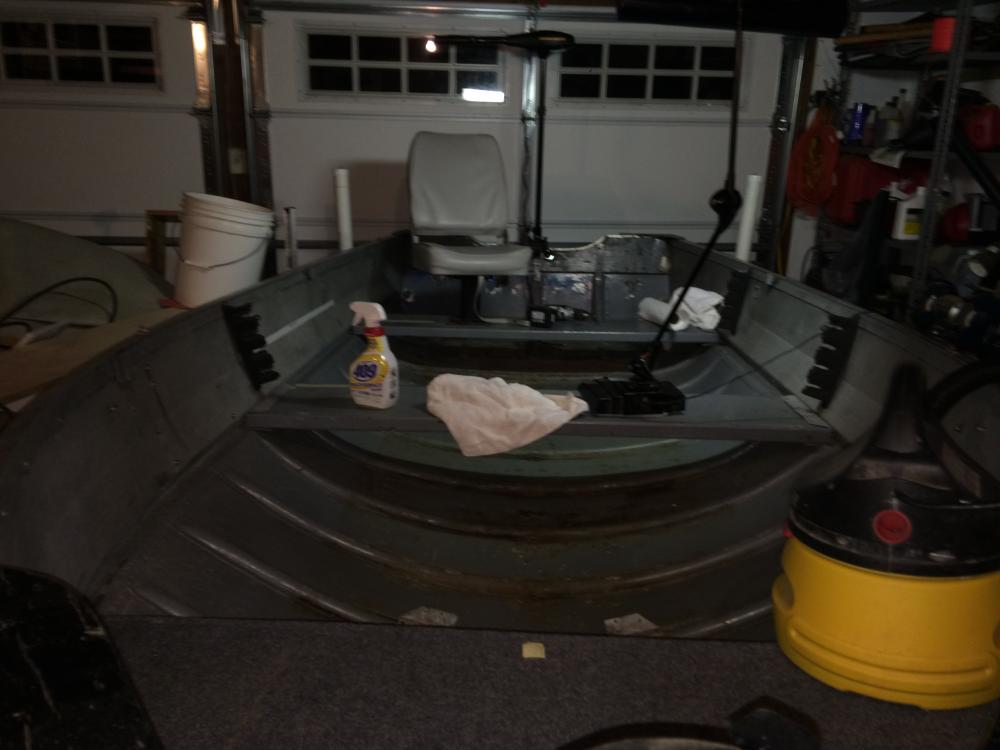
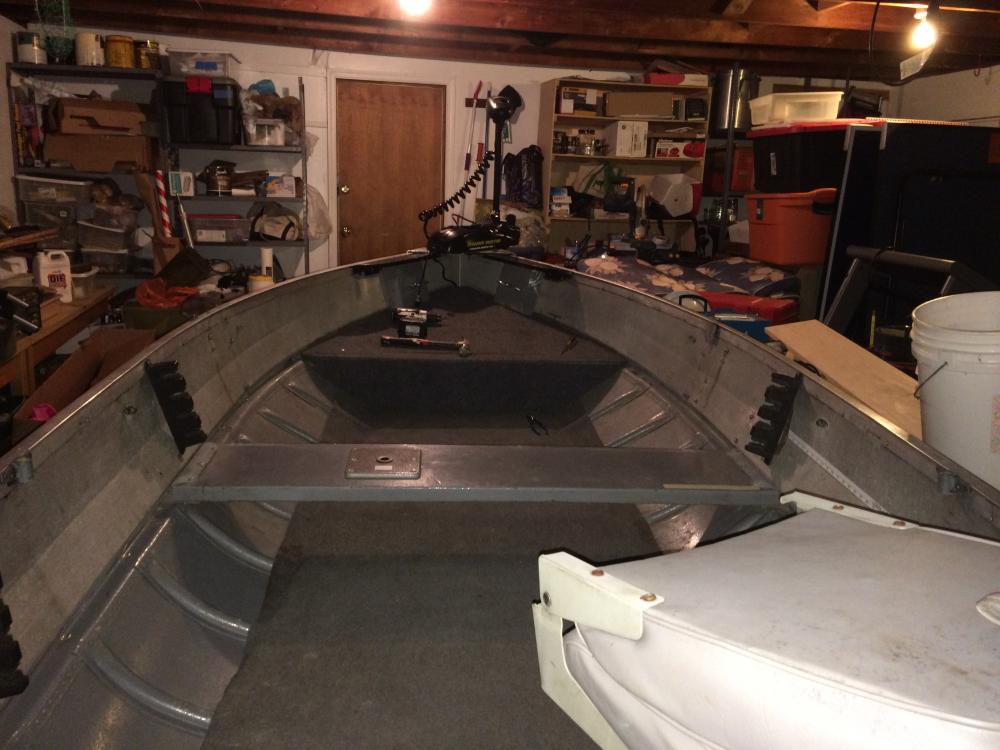
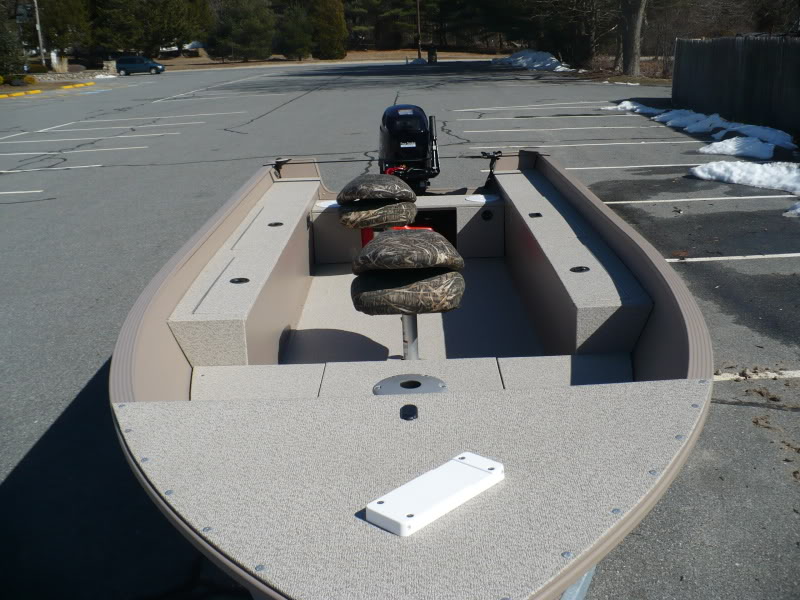
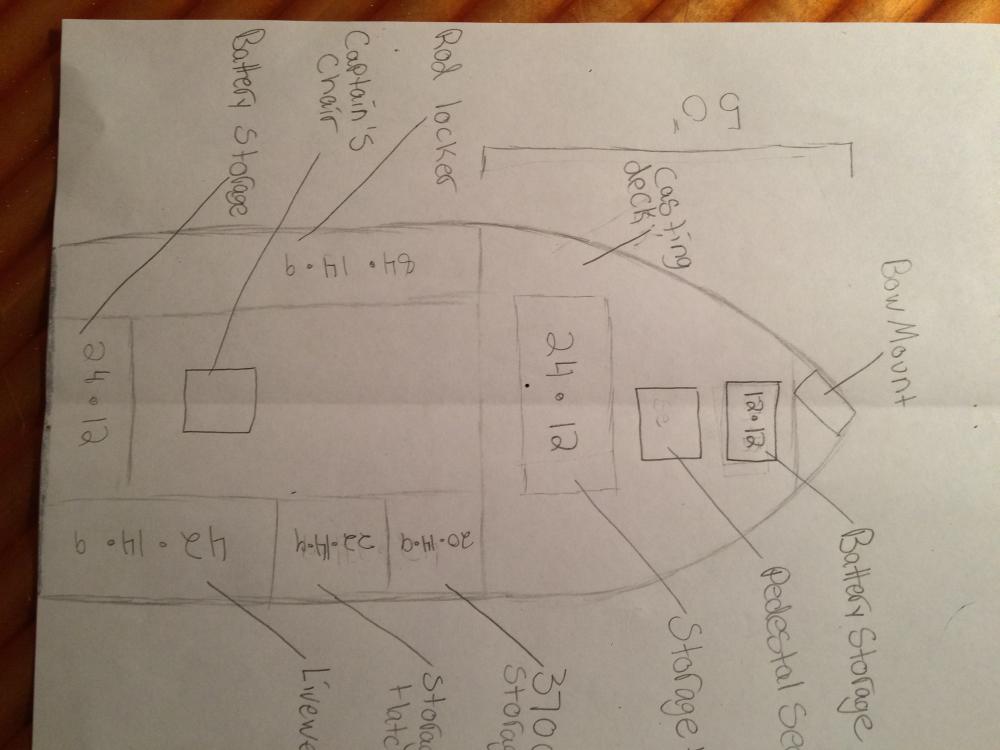
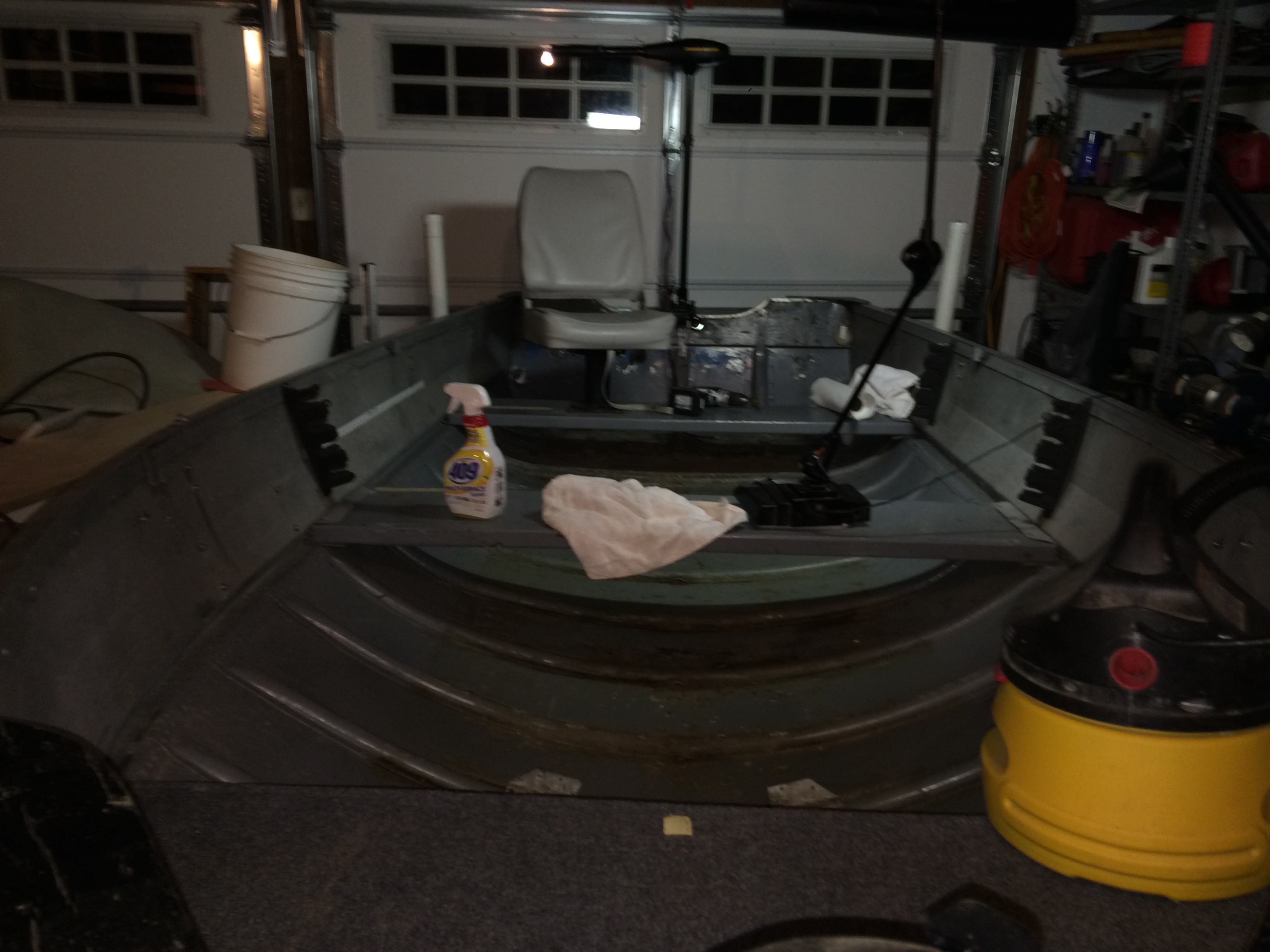
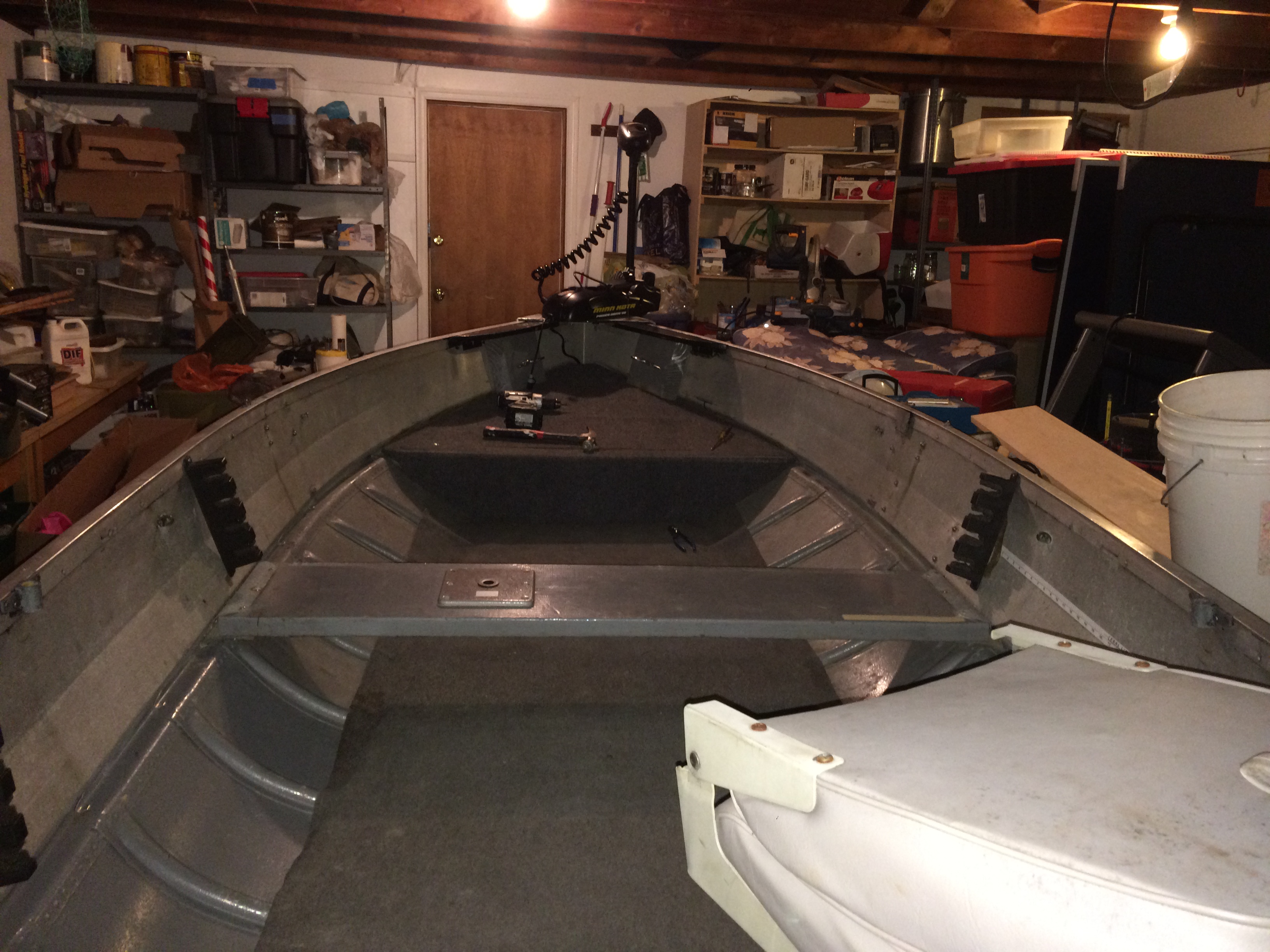
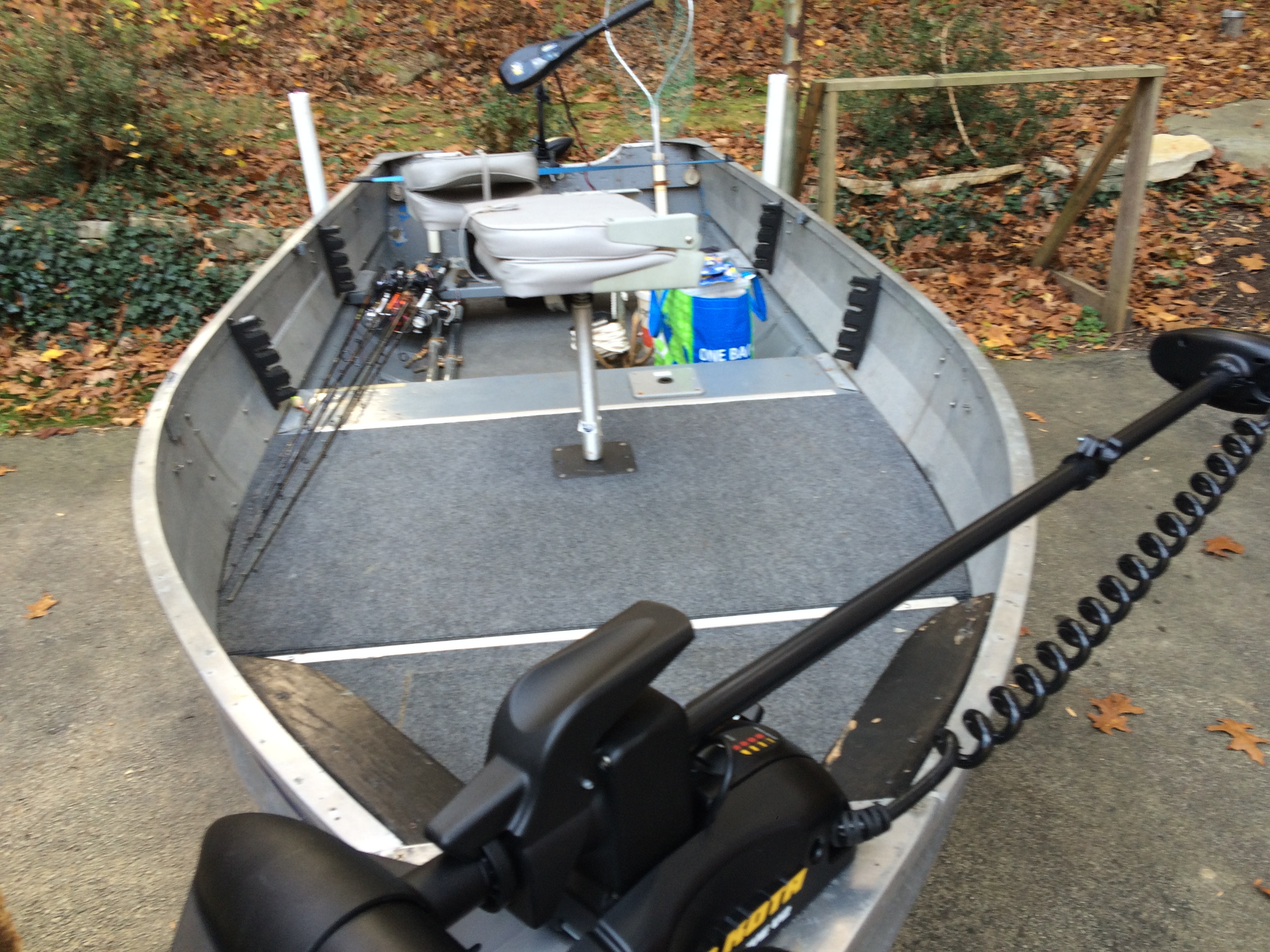
I recently purchased a 1968 Sea King aluminum v hull. The previous owner built a casting deck and floor. I wanted to clean the boat well. I removed the floor for good, because it was gross. One section of the casting deck is easily removable. The frontal section has a hatch and is still there. None of the wood is sealed. I want to redo the deck and do it right. The boat has two bench seats made of wood, which may be sealed, but I don't know. They are in great shape. The bow has an aluminum triangle for my Powerdrive unit. Some specs for the build: Total length:13.5' Longest Width: 62" Transom Width: 52" Depth at transom: 24" Transom: 4' x 6" x 1" Bench: 48" x 10" x 1" Transom to first bench: 28" Transom 1 to bench 2: 36" Bench 2 to existing platform: 36" Existing platform to bow: 36" Bench and current deck are 9 inches below the top of the boat. The captains chair is off centered, but it does not have a hole in the wood. <--- floor and deck 1 removed floor in deck 1 out ---> my goal<--- boat w/ deck and floor my plan I want a high quality conversion that can fish 1 or two people with ample storage for rods, tackle, etc. I want to add a rod locker. on top, I will store my rods that will be used often, won't be for standing. The other side will be for storing tackle and lifejackets, and maybe a livewell. The casting deck will have a battery hatch, and I may want to add a big hatch, unless it is too structurally complicated. I can just go through the battery hatch if need be. I want the whole deck to be about 3" or so below the lip of the boat. Same with the rod locker and storage compartment. The bench by the main trolling motor will be exposed in the middle. I will move the captain's chair to the middle. The are behind the deck and next to the storage and rod locker is 2' by 6'. That will have 1/2 inch plywood floor with carpet. I may consider a hatch for the battery, but that will likely come later. The front deck will have a pedestal chair, which i currently use. Plan: 1. Remove current casting deck 2. Sand the lower part of the hull 3. Coat the lower hull in truck bed liner to prevent leaks and damage and noise 4. Frame Casting deck with cardboard 5. Get all necessary hardware 6. Run three 4" x 4" s from bench 2 to front area 7. Add carpet to plywood with glue and staples with overlap 8. Screw plywood deck into the 4" x 4" s 9. Create skeleton for rod locker and casting deck 10. Cover locker with .25" or .5" plywood 11. Carpet rod locker and storage area 12. Make separate compartments for 3700 size boxes, plastics, and live well/extra storage 13. Add front hatch 14. Add front seat 15. Get on the water and try it out! What do you guys think?

-
go to okeechobee
-
Usually when I am in a boat, I am covering lots of water with a bow mount motor. This means I won't be still, and can't fish for other species while I focus on bass and pickerel. I sometimes fish small tournaments in my 100 acre lake at my lake house. The tournament allows live bait, unless it is voted against. "Unfortunately" my friend and I are much better with lures than the other guys. My friend, my mom and dad (who drive me to the meeting) and I are the only ones that vote against live bait, which is pretty funny. Because live bait give an advantage, and in PA each person can have 3 lines in at one time, we fish live bait on 4 rods and lures on two. The fish and game guy watches like a hawk for people to slip up and break a law. This enables us to cover the biggest area we can. I have found that with live bait we catch lots of other species too. Here is how i would fish to catch the most fish: If you aren't constantly moving, like with a bow mount motor, Anchor down and fish for catfish while you throw lures for bass. Also you could fish in areas where there are bass and pike, walleye, and musky in the same area. Although you might not catch so many bass, you'll definitely catch more fish. You could also have small baits for crappie, perch, and small fish with light tackle. What do you do to catch the most fish and create a great day on the water?
-
What is the easiest, cheapest, and best way to seal plywood? I want my casting deck to last a long time.
-
how do you see yours?
-
What thickness plywood and type is best for a casting deck with carpet? 1/2" or 3/4"? Also what type
-
my best bag is only 16 pounds for 4 fish
-
you really can't go wrong try to find one on sale down from 500 to like 250 the deeper smart fish finder connects to your phone and can be clamped to the side of the boat with the flexed arm mount
-
i don't like forgrips because they don't allow blank to finger connection, which causes less sensitivity
-
10 pound brand, small line to one knot to a 6 pound leader
-
let me know if you need someone to test them out!
-
carpet is durable for standing, comfortable, UV resistant, and durable. there are other options though
-
i use my finger nails, insert the nail between the ring, slide it away but keeping it in, you want the entrance or exit to be wedged up, slide the bait in or out of the split ring, remove your nil, now you just slide it out. much harder to explain than do
-
-
i willing to bet you went out and bought several more crankbaits, i caught my first bass on a senko and went out and bought 150 of them and i rarely use them.
-
welcome to the forums
-
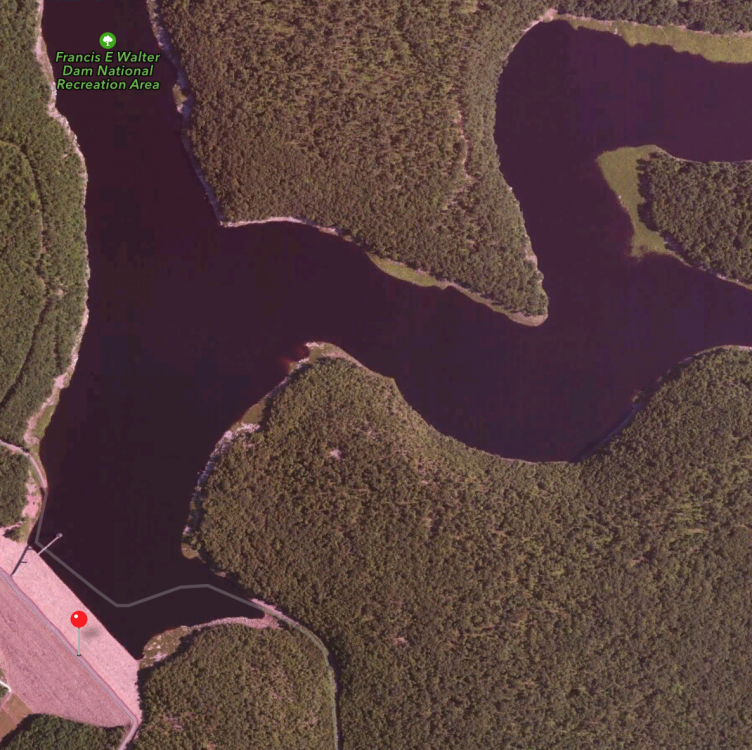
Was wondering where Smallmouth would spawn in a large river. It is 99% boulders the size of a yoga ball. Im talking millions of them. The Water fluctuates greatly. It was all the way up last year. This year it was 80' low. This gave me the chance to see the composition of the bottom. There was still another 150' in some spots. We went way up the right creek and found some mud. Where would the bass spawn. Keep in mind the rocks are big and there is a big drop off all around.
-
I've had much luck in small creeks with a yellow and red panther martin Ive also had luck on a pink finesse worm on a drop shot in 30' near large rocks
-
flip and pitch in your driveway
-
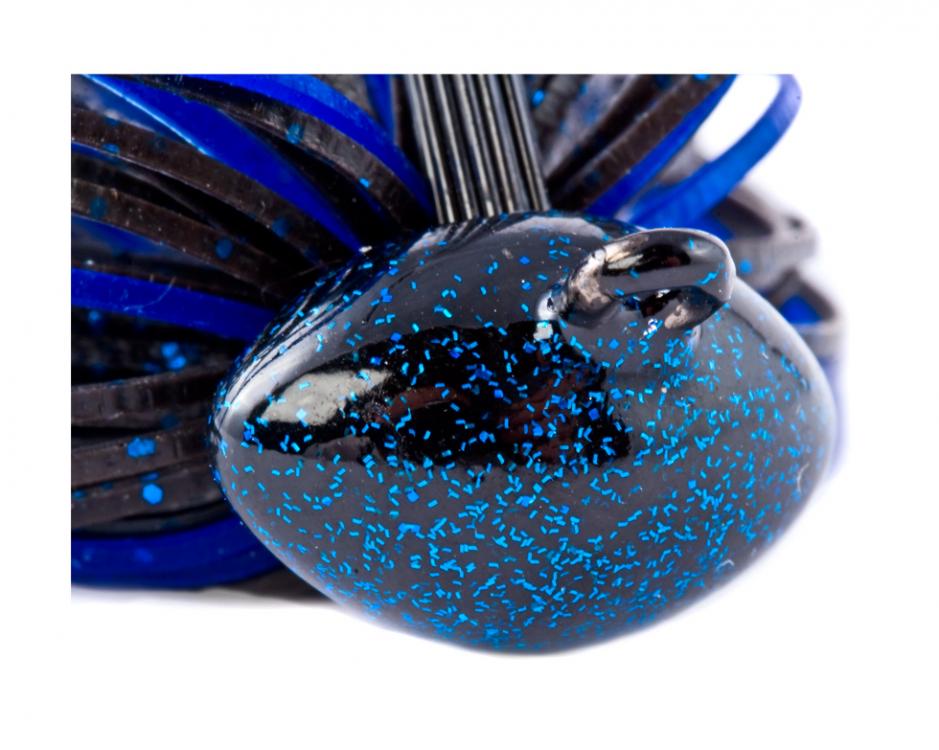
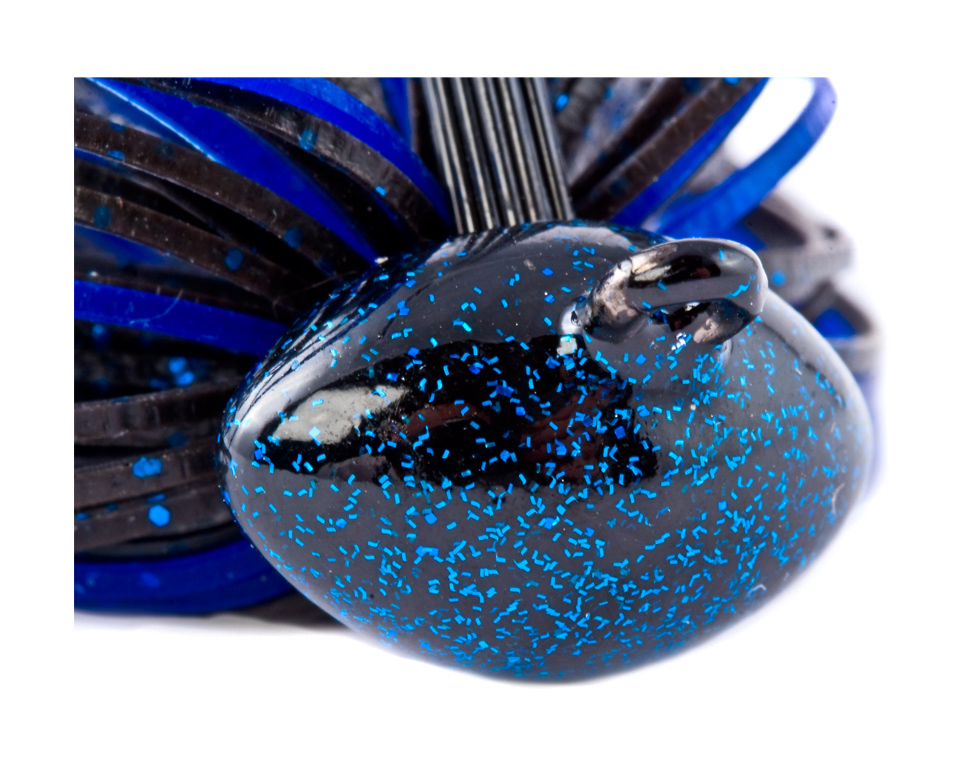
Yes it was, don't expect to perfect it on your first try with a new technique. Fishing a football jig is much different than a punching jig or flipping docks. I would consider it lucky that you didn't snag earlier. Good luck and be sure to check back!I would stick with a football head jig. They are very good at not wedging into rocks like a swim jig would. The head will easilyunwedge from them. They are specifically designed for rocks. here is a picture: I would also consider a swinging jig. it is basically a larger shakey head. the head has an attached ring with a hook attached to that. The 3/8 oz through 3/4 oz model would best be used on a mh bait cast setup with 17 pound fluorocarbon.
 whats a pocket sledge and how much does it costWould black boat carpet turn into a roast session during the summer? i think it would look better than any other color for my boat. http://www.cabelas.com/product/boating/carpet-floor-coverings/carpet|/pc/104794380/c/104711580/sc/104254380/cabela-s-premium-marine-carpet/737266.uts?destination=%2Fcatalog%2Fbrowse%2Fcarpet%2F_%2FN-1100627%2FNs-CATEGORY_SEQ_104254380#tabsCollectionJigs Jigs Overview There are many types of jigs, and it can get confusing. Typically, jigs look like crayfish. As you know, swim jigs look like baitfish. They are affective allayer long, and can be found on almost any angler's rod who is worth his "two cents" all year round. Especially prominent in the winter and summer months when bass become lethargic, are jigs. Just as one would use different crankbaits in different situations jigs are the same way. Certain jigs strive in certain areas where others do not. Jig Types Football: Ever try to roll a football to your buddy? Chances are it didn't roll straight towards him. Football jigs are designed to roll like them on hard ground. The "wobble" makes it look more realistic. They usually have a horizontal line tie. Grass: Designed for heavy cover and vegetation, grass jigs are designed to be completely weedless. Usually have a vertical line tie and thick weed guard. Flipping: Most similar to a Grass jig, these jigs are designed to be placed into thick cover like wood piles. they have a very thick weed guard and line tie will vary. Skipping: Designed with a flat bottom, these jigs are designed to be skipped into cover with an under-hand cast, similar to the action required to skip a stone. Rock: Specifically for not getting wedged in rocks, they have a wide, flat head and will come through rip rap (rocks) with ease. Shakey: A go-to finesse bait for many anglers, the shakes head is a round jig with a flat bottom. It is designed to stand up. Try a 4-6" finesse worm. Punching: The most heavy duty jig made, it will come through almost anything. consists of a tungsten or lead cone with a skirt and extra heavy-duty hook. Swim: A swim jig is built with a hydrodynamic head designed to cut through the water column. Most swim jigs are designed to looked like baitfish. Whether that is shad, perch, bass, or bluegill, all are very affective. Just like a jerkbait, swim jigs can be fished a variety of ways. Experiment with multiple methods to discover the best technique for you. One method is called a straight retrieve. just reel it in consistently to keep it a desired depth. You can also try lifting your rod about a foot and then reeling in the slack. This will create a rise-and-fall action. Bladed Swim Jigs: Basically a swim jig with a metal blade attached to the jig head. the blade creates vibration when retrieved. Will work well in dirty and clear water. Jig Tips Rod: 7'2" MH for MOST applications except heavy-duty stuff. Will work well in 3/8-1oz jigs. longer rod helps with cast distance and hookset. Reel: Any bait caster with at least 10 pounds of drag will be fine. Slower gear ratios will ensure that you do not reel too fast. Faster gear ratios will help you take in line faster. Line: 12-20 pound fluorocarbon is best in clearwater situations. Low stretch and visibility. 15-30 pound braid. Smaller diameter and high strength are positives. When using braided line, be sure to use heavy duty hooks, as it will compliment the no stretch qualities of the line. Color: Perhaps the most confusing aspect of jig fishing. In clear water, natural colors will work best. Bright and dark colors will be best in stained waters. Trailers: Try to match you trailer with your jig color. If you can not, try to match the opposite. Written on May Fourth, 2016.



Important Information
We have placed cookies on your device to help make this website better. You can adjust your cookie settings, otherwise we'll assume you're okay to continue.