



bulldog1935
Super User
-
Joined
-
Last visited
Everything posted by bulldog1935
-
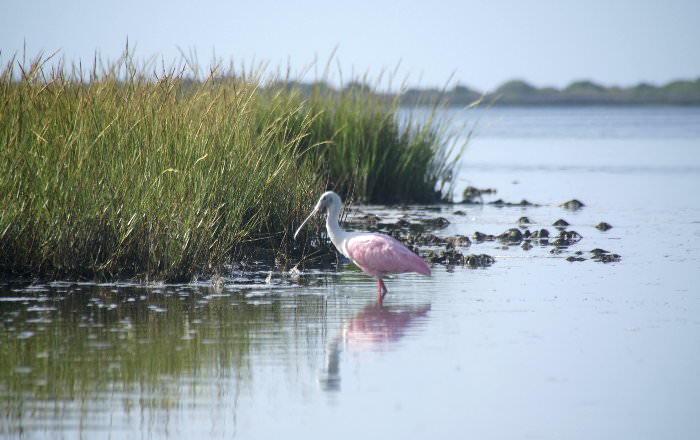
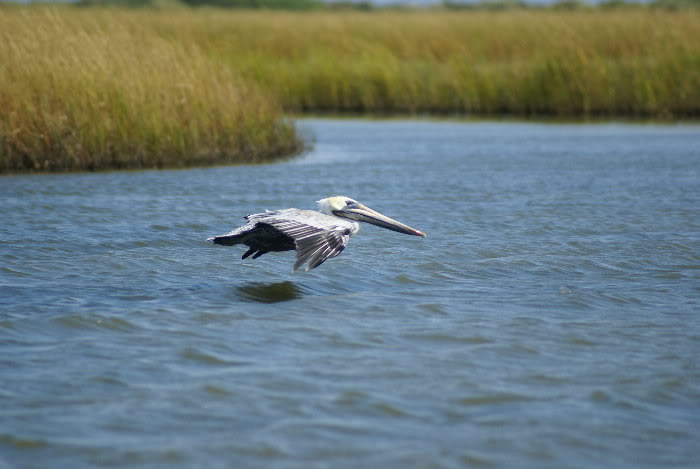
perusing this thread a little, saw this reply to AJ. Decades ago, wading Fence Lake (barrier island skinny salt flat) with some buddies, one commented on my relaxed style and use of the camera while fishing. Honestly, I think taking the camera out keeps you cool and alert to fish sign.
-
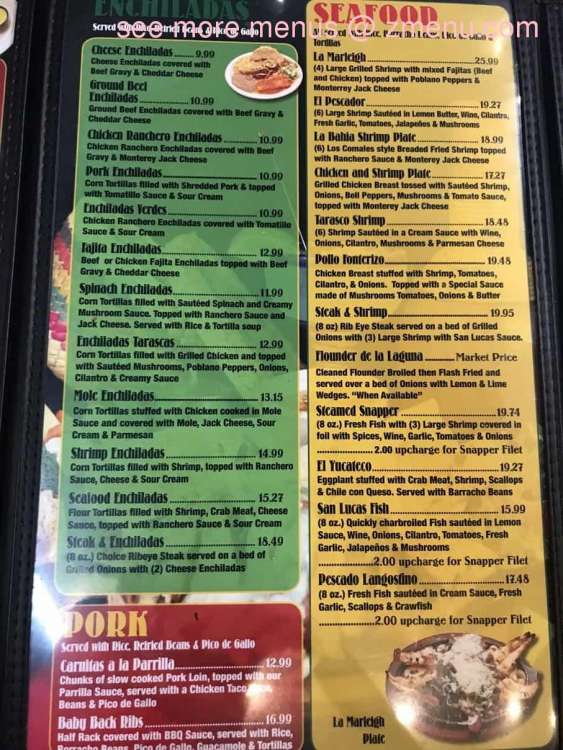
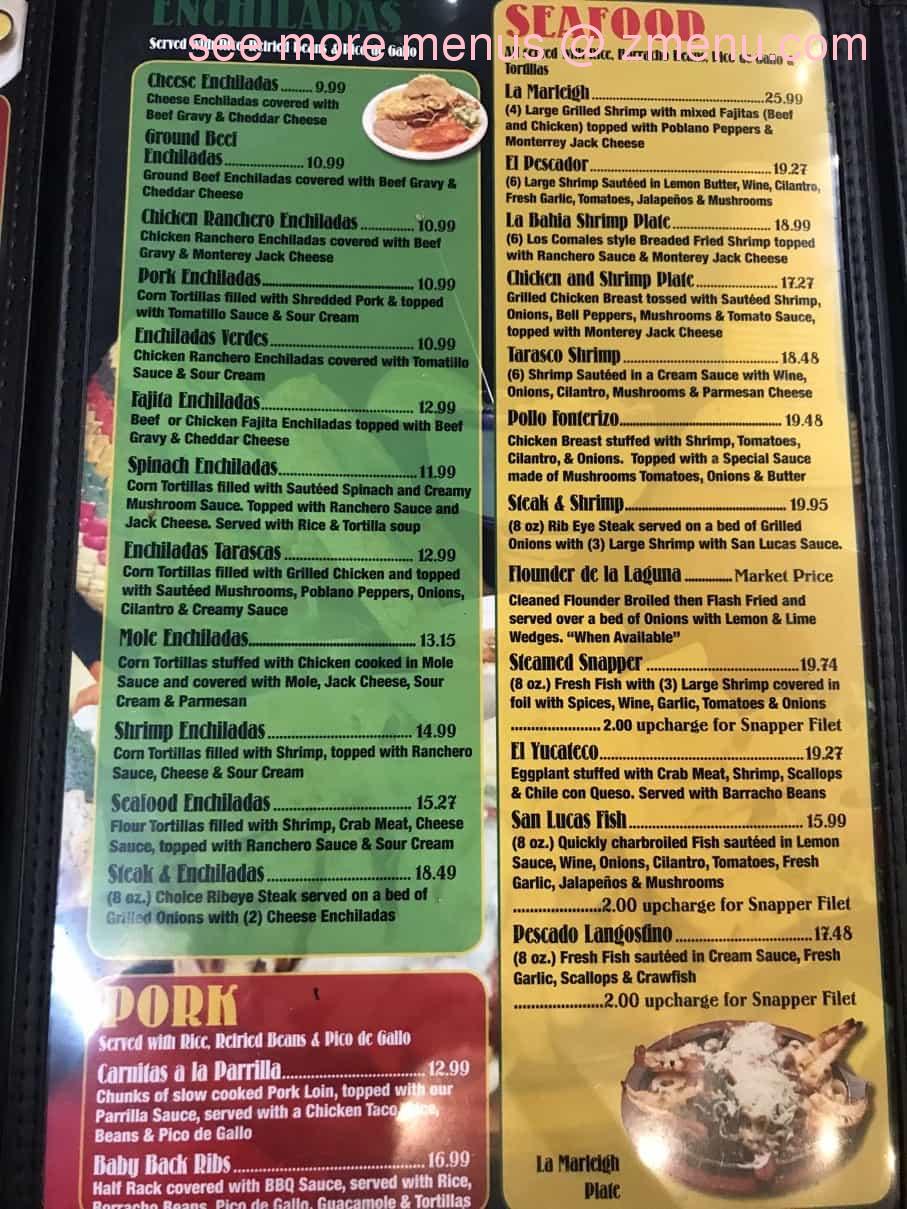
I mentioned above every fall or so, a gang of us will rent a canal house somewhere up the coast or on Arroyo Colorado in far south TX - and sometimes even a fishing shack if we don't bring women. The pantries are usually loaded with left behind spices, and the refrigerators with left behind condiments. Seems every refrigerator we open at a fishy house has a half-dozen varieties of horseradish sauce. I get that because mentioned I like Remoulade sauce on my fish tacos, though with perfectly fried fish right out of the ice water bowl, really don't want to mask it with anything. Greek, Italian, Mexican sauces and fish preparations are also really good. A Rockport trip for us automatically means a trip to Los Comales for Mexican seafood. Oils from garlic and onion naturally permeate the fish and bring whatever spices with them - a good creamy sauce on top... and don't confuse S. Texas Mexican food with anything found north of S. Flores Street.
-
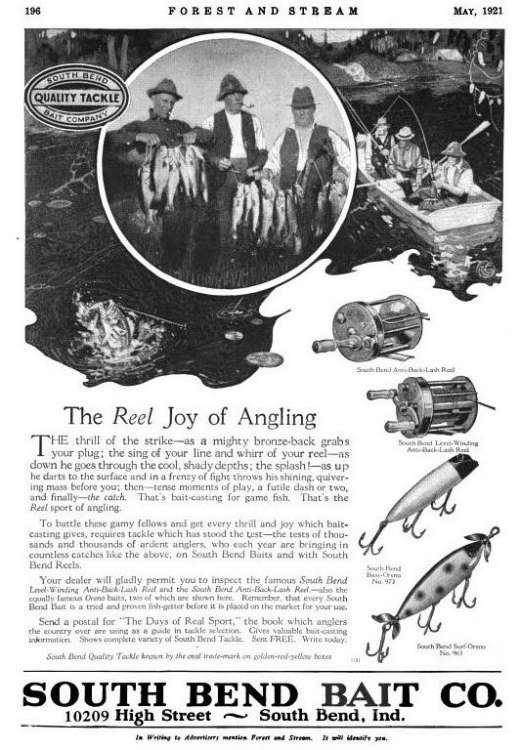
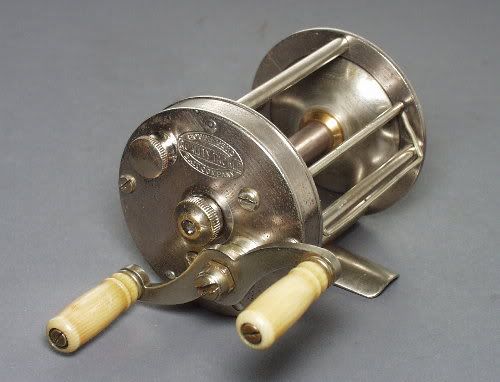
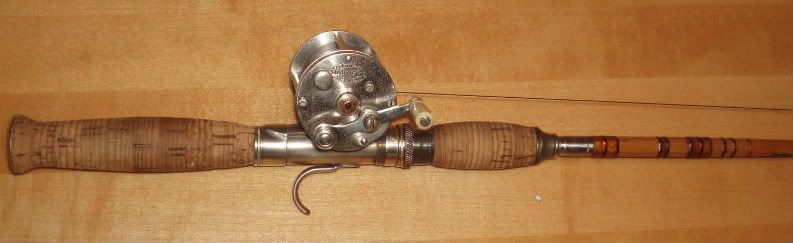
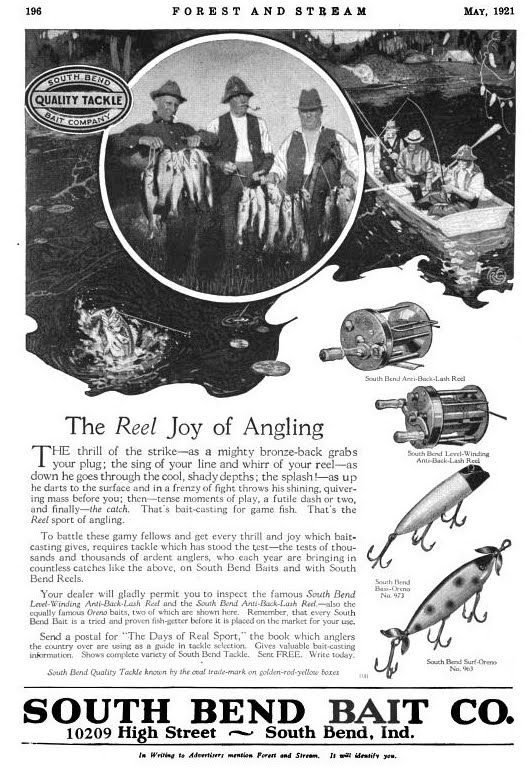
here we are on the 3rd page without a photo Since I mentioned the anti-backlash (ABL) mechanism on the Brit Easicast, here's where they got the idea - South Bend. This is a SB/Cross Doublebilt cane bait rod with a SB 1131A, their first ABL reel from 1911. The line goes under the bail, and slack on the line guides a spring-loaded wool pad into the spool arbor. The knob adjusts the pad stand-off. With proper end-tension and ABL adjustment, this is an absolute no-thumbs reel - you only need your thumb to release you cast and the spool will stop with the lure. A note, South Bend reels were made by Shakespeare, which allowed them to sell models that also included Marhoff's LW before it expired in 1928.
-
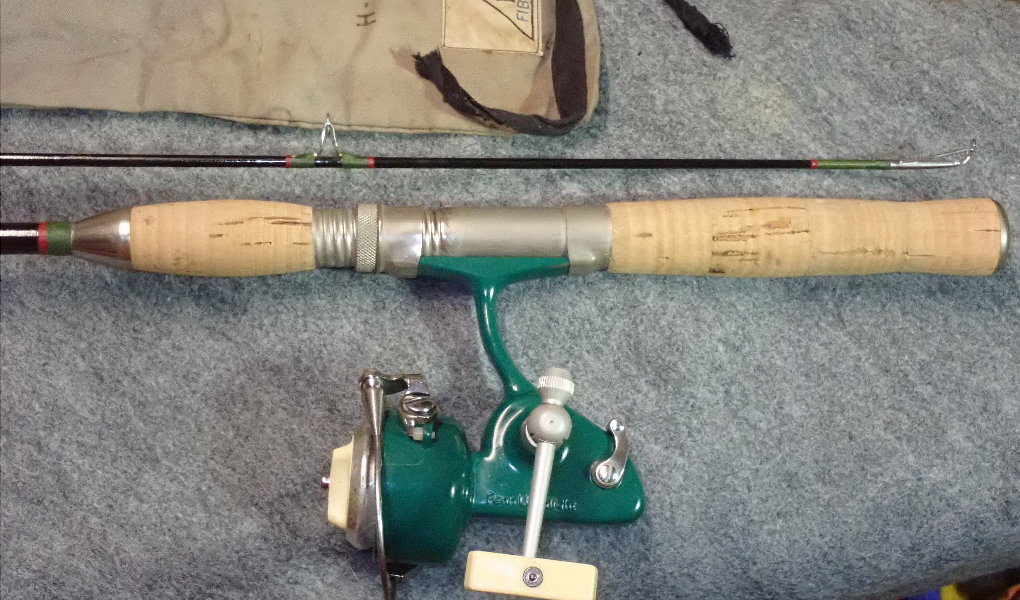
a friend on FFR recently posted take-down and rebuild of a Heddon 282 with hopelessly brinnelled pinion gear. This is what happens when we push our reels to too-big fish, and I did on my Mitchell 300. The gears, though is where those old Penns shine. It was the rotor bushing I killed on my Penn 4400SS with king macks. The moment arm spinning spool spindle applies to both gears and bushings is outrageous, and one thing they've worked into computer design.
-
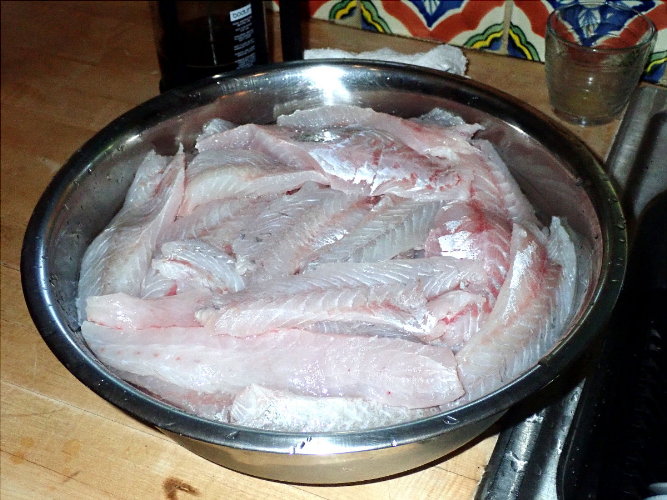
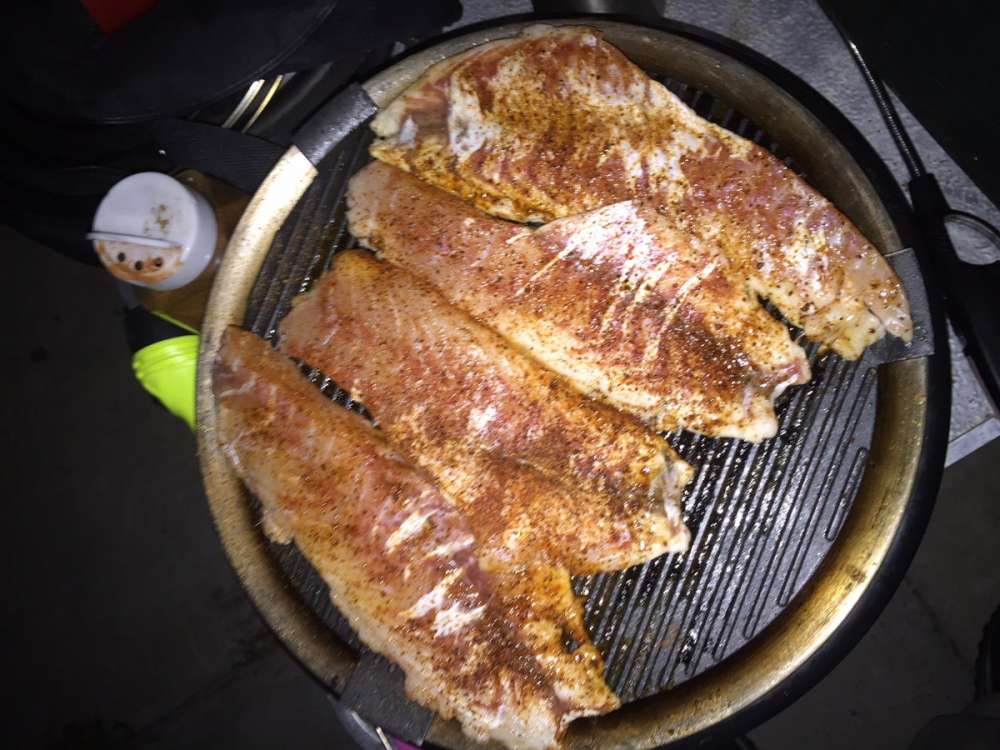
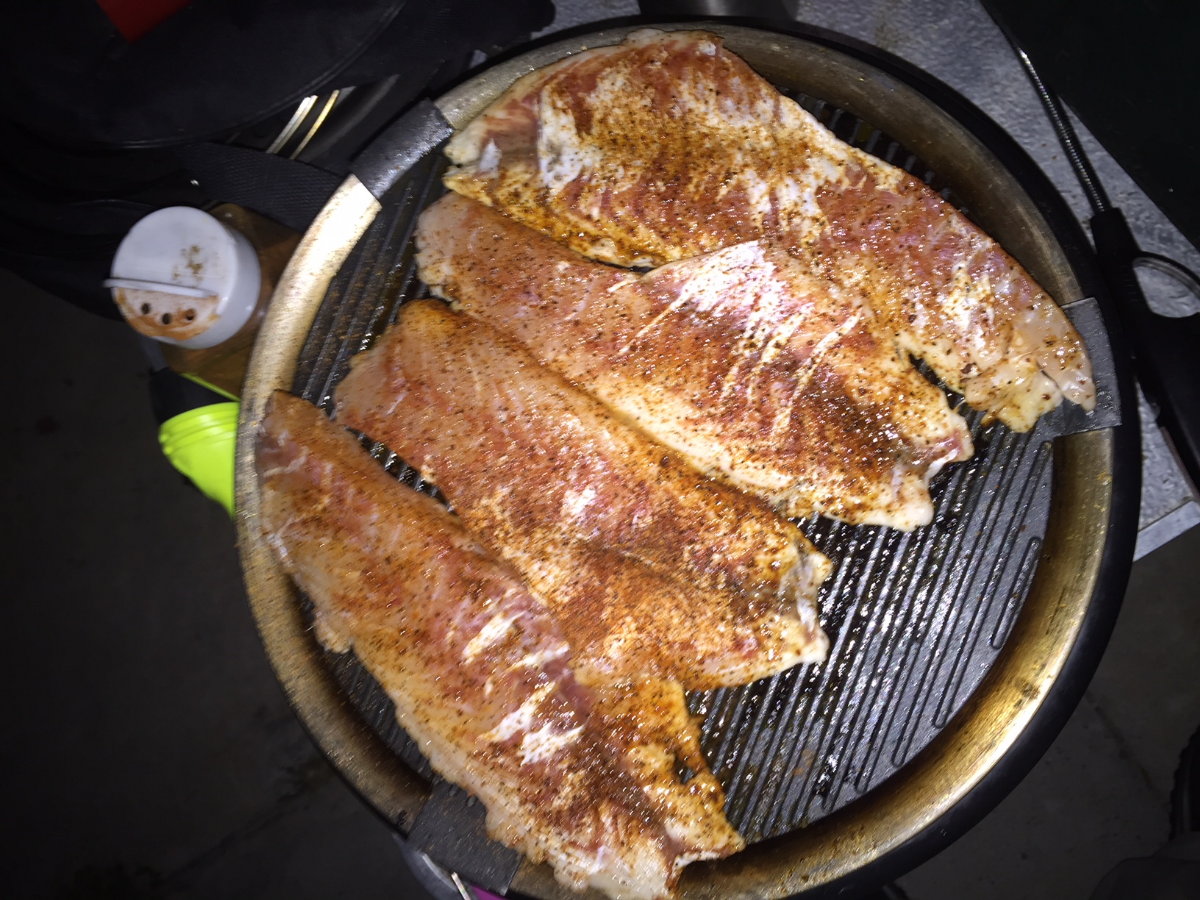
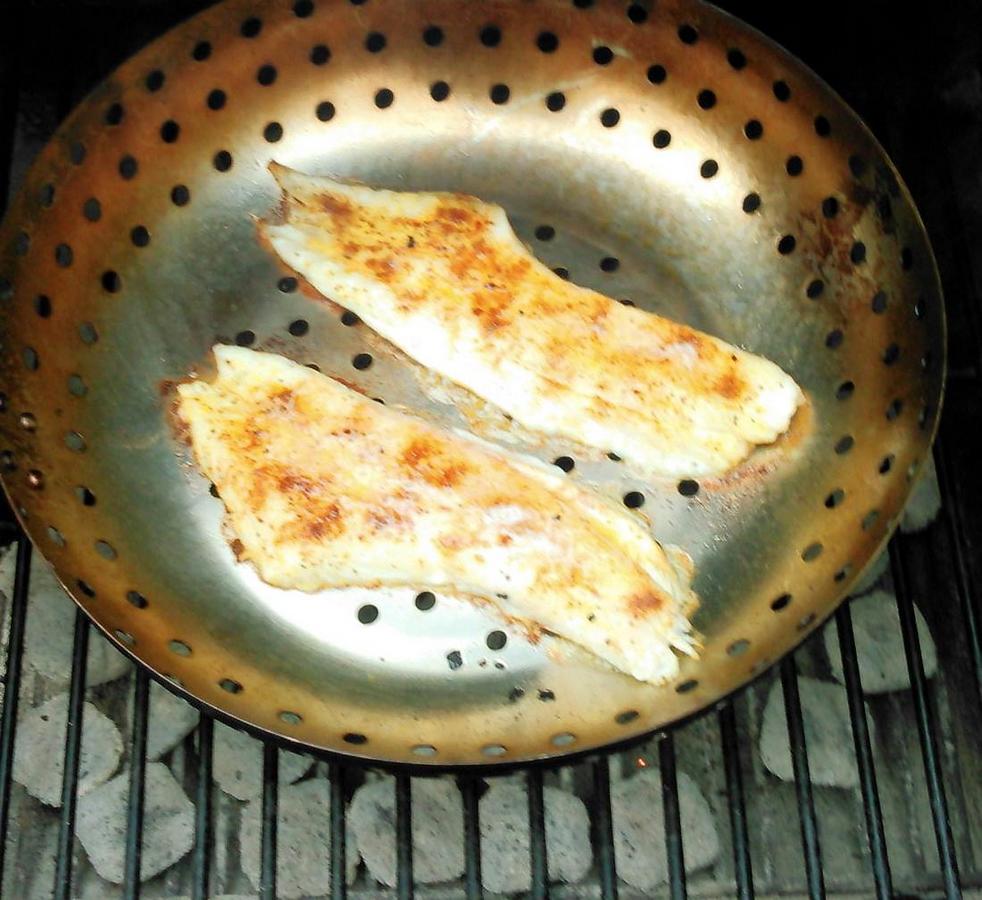
yes friend, those spec fillets came right out of the ice water, too. I really don't like frozen fish, and usually bring home just what I want to eat, with ice floating over it. On extended fishing trips, camping, RV, canal house, we grill a lot Here, my buddy poached redfish fillets in a cajun sauce - all my fishing buddies happen to be great chefs


-
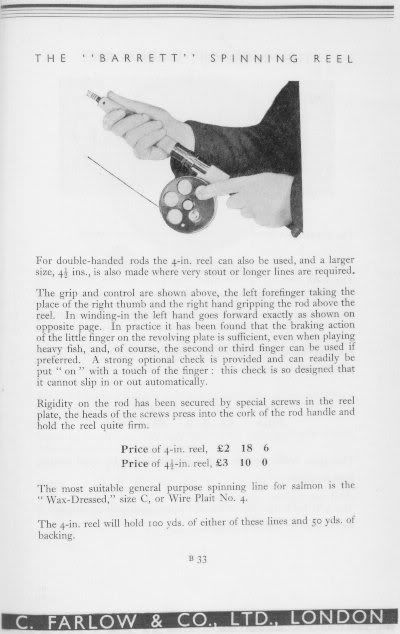
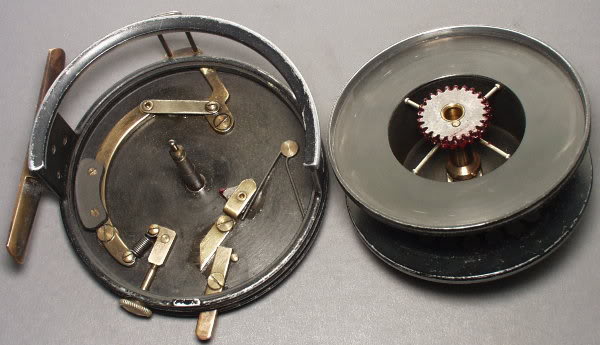
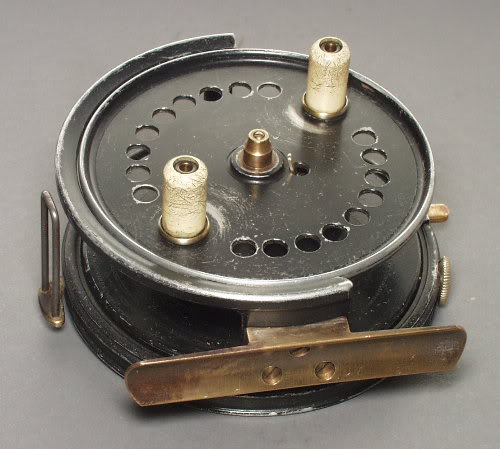
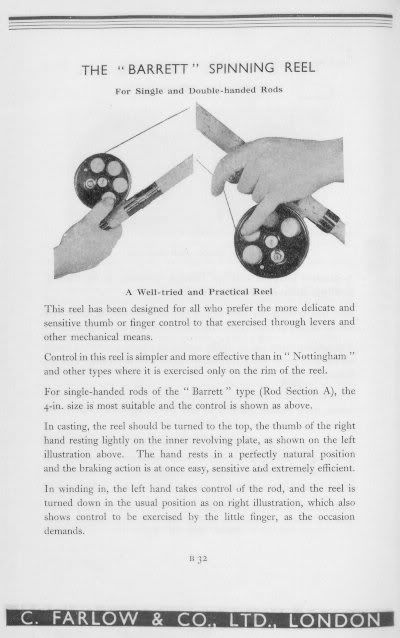
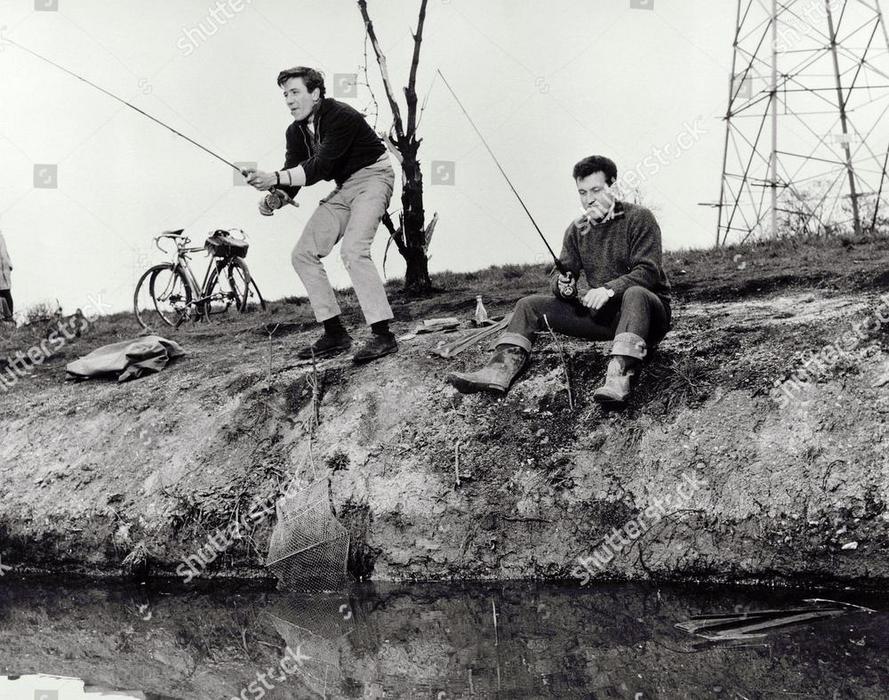
Thanks for the great story, and a tremendous question that takes us to the truly esoteric. On fly fishing forums, people talk about lawn casting - IMO, they're just reinforcing bad habits. The antique bait reels we've talked about on this thread are hands-down the most fun to take to the back acre for Casting. While the Brits have imported our multipliers back to the '30s, their primary baitcasters are under-the-rod - they call them spinning reels. What they do is called a Wallace cast. In the early 60s movie Saturday Night and Sunday morning, Albert Finney and his bud ride their Raleighs to the local creek and you can see a little Wallace casting. In my quest for between-the-wars Redditch fly reels, I've also worked up a pretty good catalog collection. This is from Farlow's '33. They basically let the reel spin and apply finger brakes to the spool. The esoteric part, along the way, I picked up an Allcocks Easicast and split-cane Stephenson 7-1/2' under-rod spinning rod (small agate guides). This combo will cast 3/8 oz to 150'. It has a built-in casting brake that thumbs the spool for you. As the line goes slack through the bail, the shoe moves to apply spool rim brakes.
-
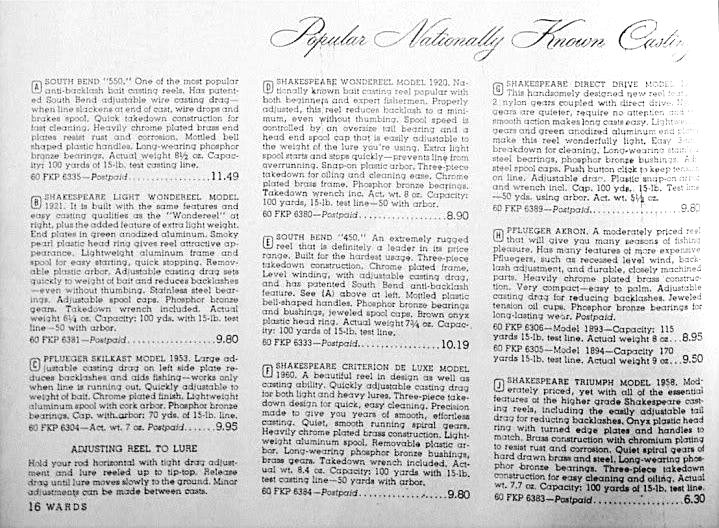
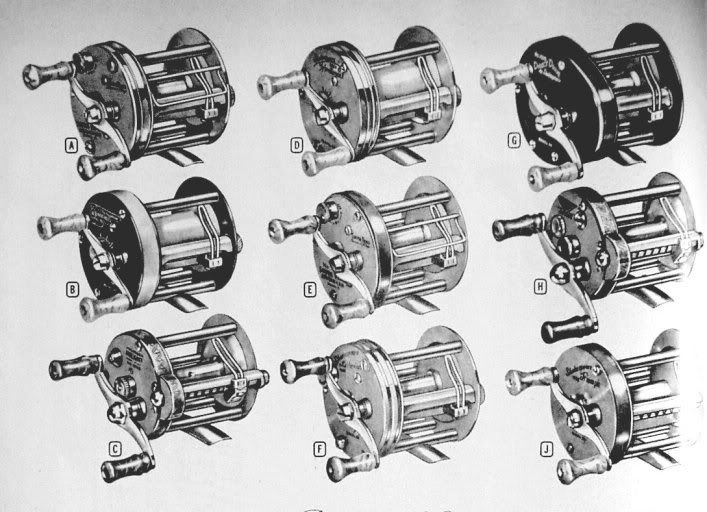
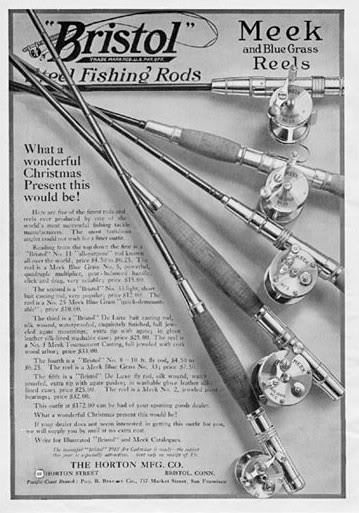
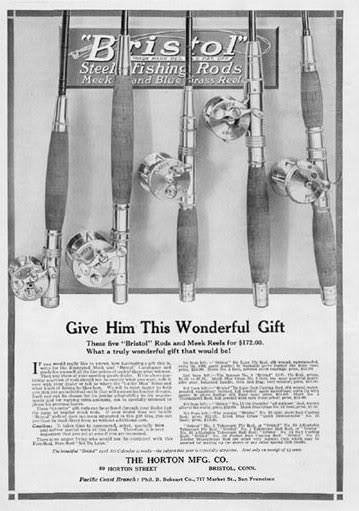
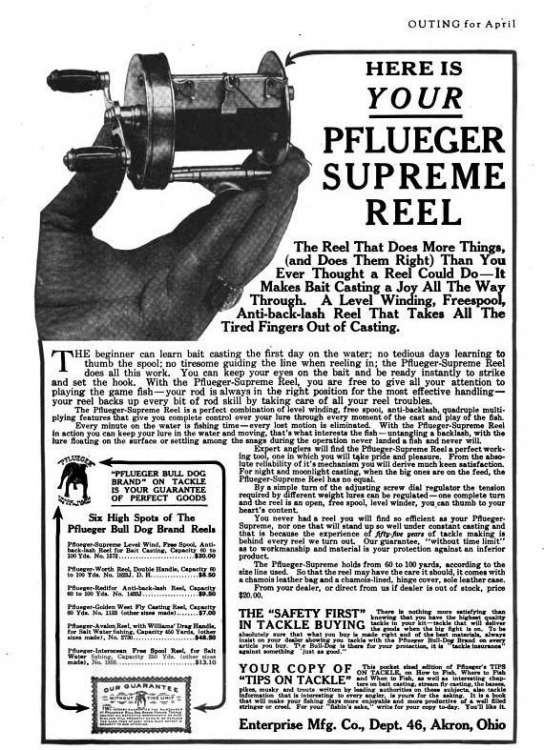
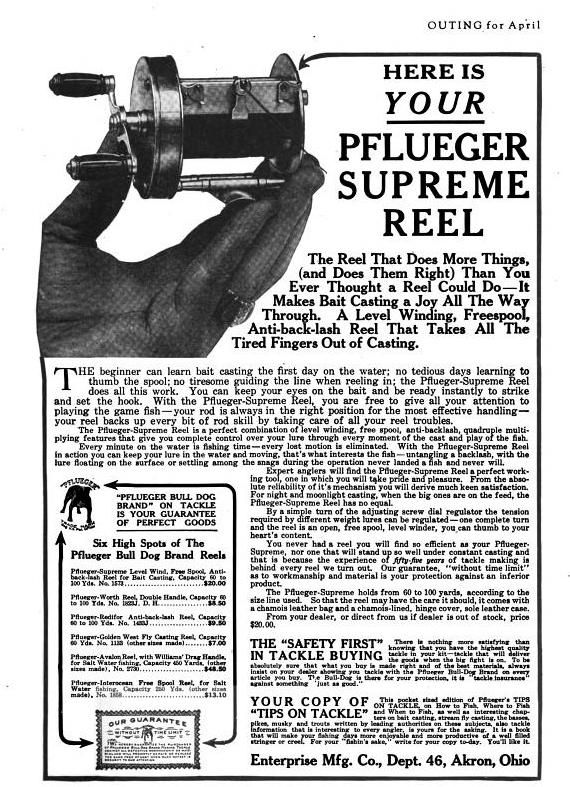
That $20 from the '50s is $200 in today's money. Here's a very useful tool for a tackle history buff - it calculates the purchasing equivalent in today's money Another thing that's really cool is searching/reading the old outdoor magazines on google books - both the articles, and especially the ads. After WWII, fishing tackle is aimed at the masses, because they had time for sports entertainment, earned vacations, and had a bit of disposable income - Popular Mechanics, Field & Stream, Boy's Life.. Here's a page from the 1951 Ward's catalog And yes, they didn't carry Supreme or Medalist because of their blue collar market. What you find as you go back in history, fishing tackle was aimed for a more affluent market, since they had disposable income and leisure time for sports entertainment. You find it even in Field & Stream. Before WWII, fishing was aimed at a professional class - doctors, lawyers (Hemingway's dad). Outside magazine, 1917. the 1918 Pflueger Supreme in my OP cost $22, which is $380 in today's money. If you read articles in outdoor magazines from the 19th century, fishing is aimed at the wealthy, and fishing articles appear next to articles about yachting. A good many of the fishing articles will be written 1st person about fishing with The President (of the US).
-
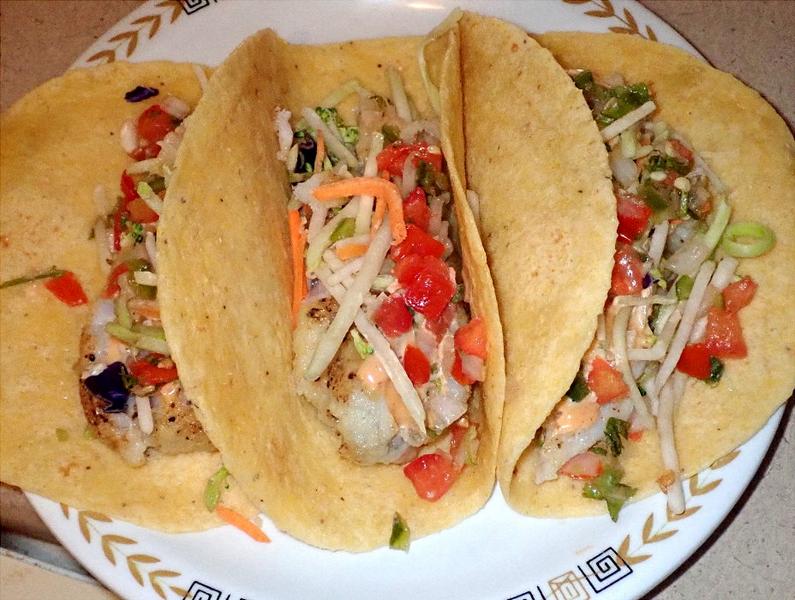
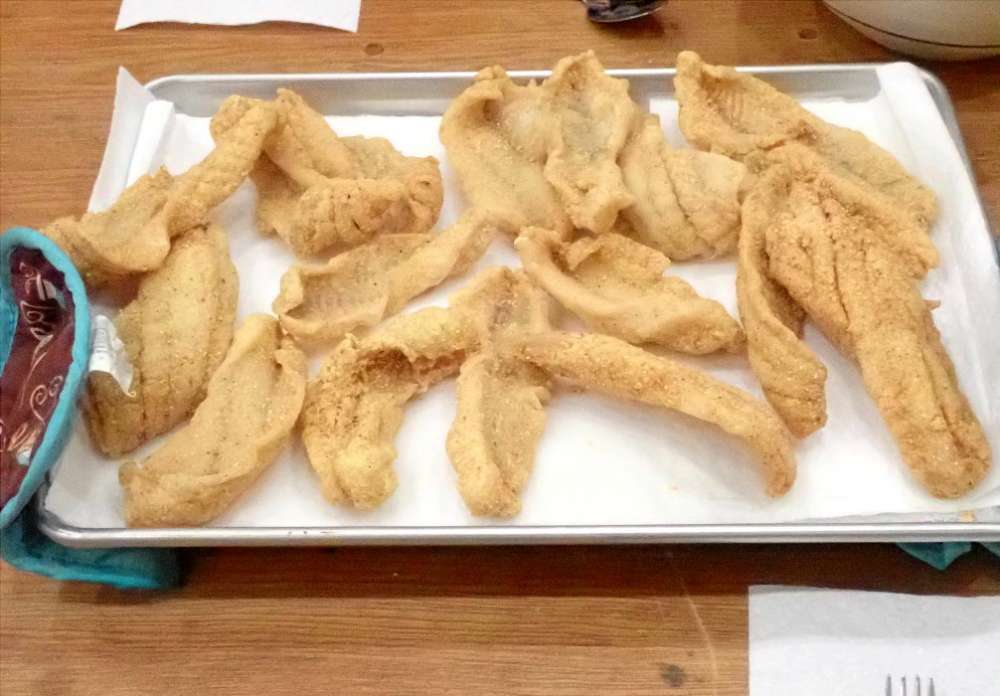
At my house, if the fillets are big enough, grill (15" grill sautee pan, and a slot snook right out of the ice water - this is the only snook I've ever eaten, but had to try One, and everything written about their perfect flavor is correct) a lot of my friends leave the skin on their redfish fillets to grill Smaller fillets, speckled trout, I sautee them in butter on the stove for fish tacos of course pico de gallo, but I also love a stripe of remoulade sauce on the fish might be different if I could fry fish like Susie - then I just like to squeeze lemon or lime and black pepper

-
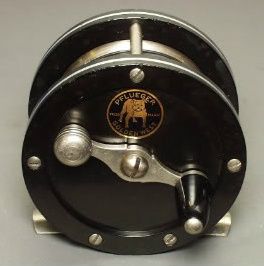
You can see it in my avatar, the lacquer and foil bulldog on a Pflueger Golden West fly reel
-
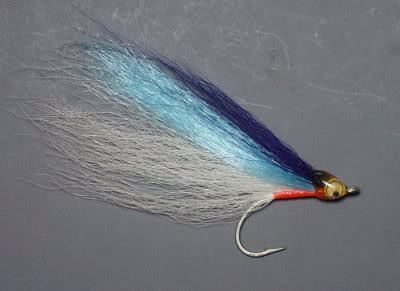
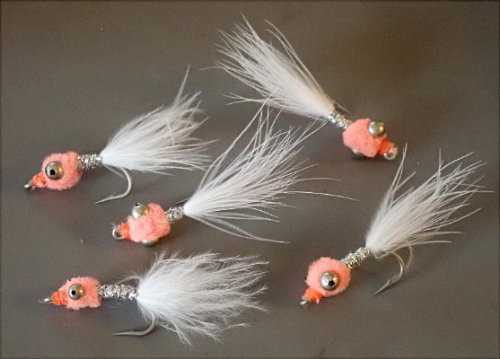
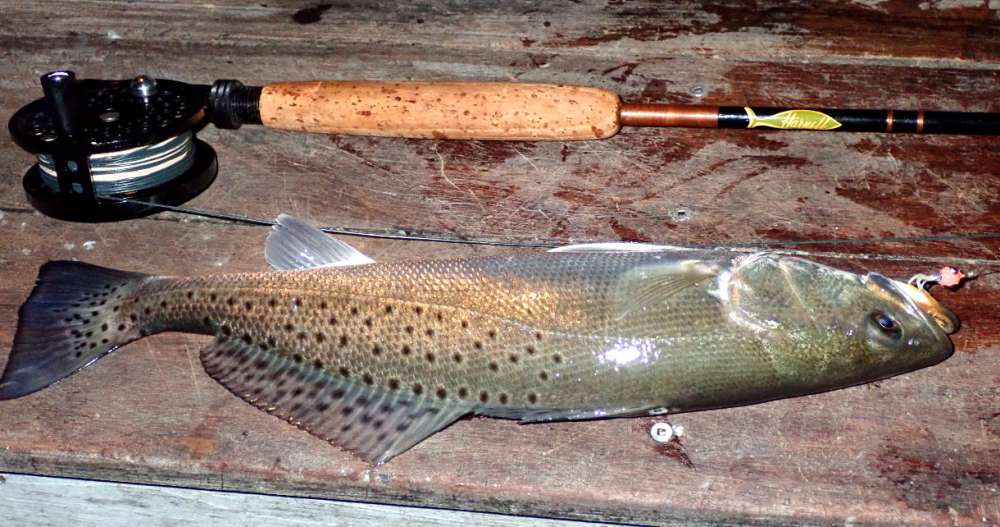
on a fly rod, especially for nite-lite dock fishing, tiny whistlers and bucktail hi-ties tear them up.
-
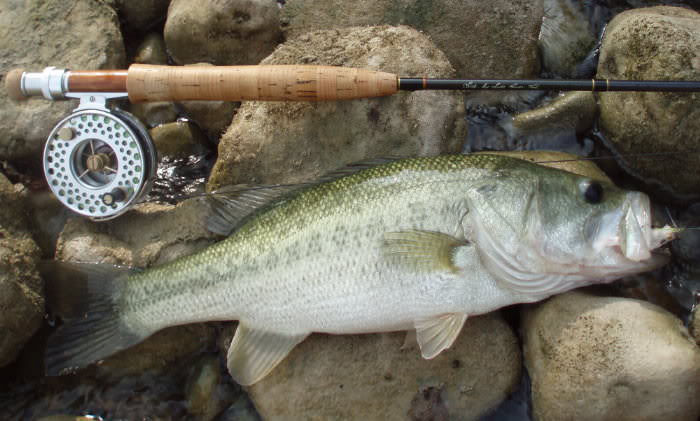
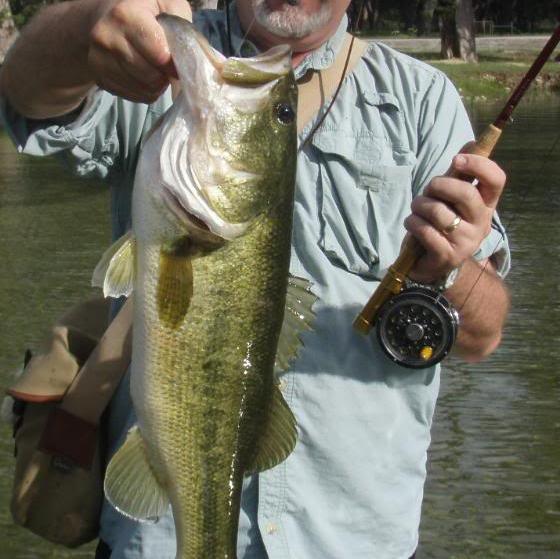
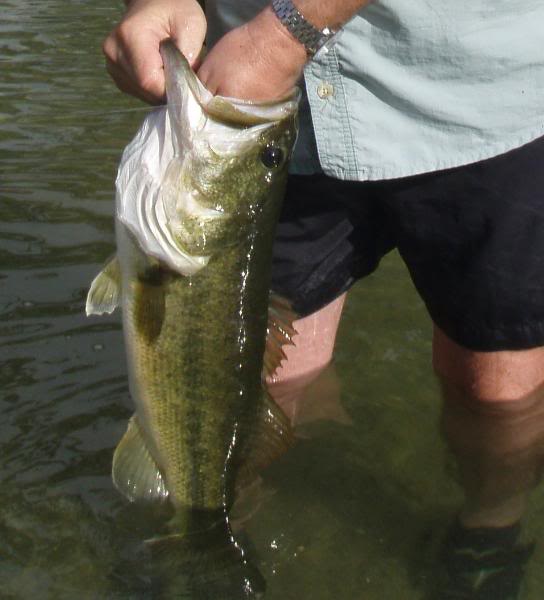
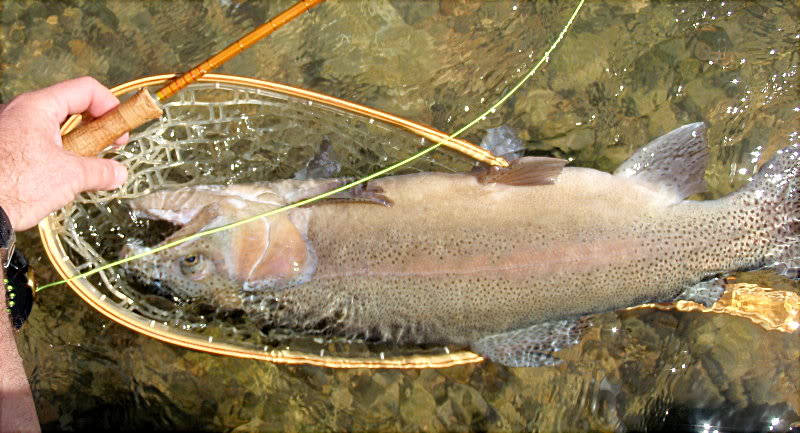
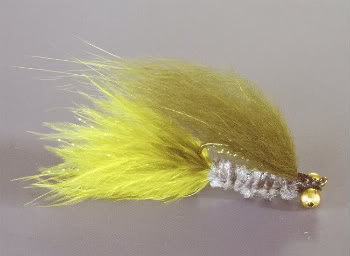
Hi AJ, there's a photo of it in my Introduction thread - it was really skinny in gin-clear flagstone eating mostly nickel-size crayfish, dime-size minnows, the occasional bluegill. But I will never forget when his mouth flared on my cats whisker. Saw him in a pod cruising down the river, and cast way out front for stealth, letting my fly slowly sink and just moving it enough to keep it off the bottom. The fish ran twice into my backing and I had to keep him out of a stand of watercress. Pretty good witnesses, I had a half-dozen friends with me - at the time I was running a fly fishing life group from my church, and we fished every other week. The rod was Vince Cummings glass, and the reel a 1930 Medalist. I'm 6'3" The photo above isn't a short-focal length, but cropped out of a long-focal length photo. This one kind of shows its length better - going after my cats whisker my best rainbow in the Guadalupe tailwater is about the same size my best speckled trout bigger redfish, though Gonna need a bigger net
-
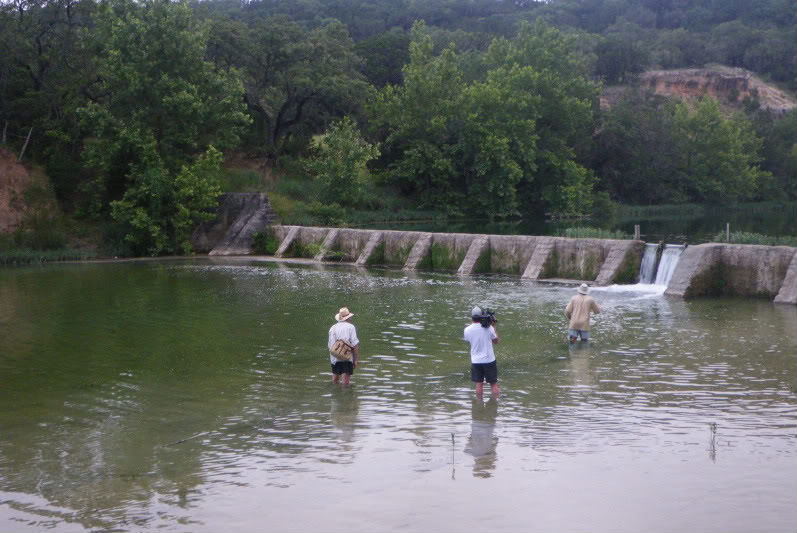
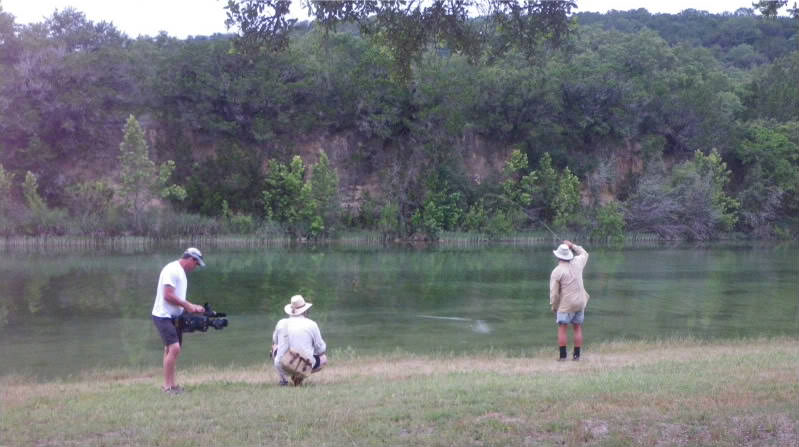
Different day, took Kevin Townsend filming an episode of KT Diaries to private water on Hondo Creek, uphill from the aquifer recharge. He got all the film he needed in 90 minutes, including a 5-lb bass picking up a bottom-bounced clauser. Constantly hooked up.
-
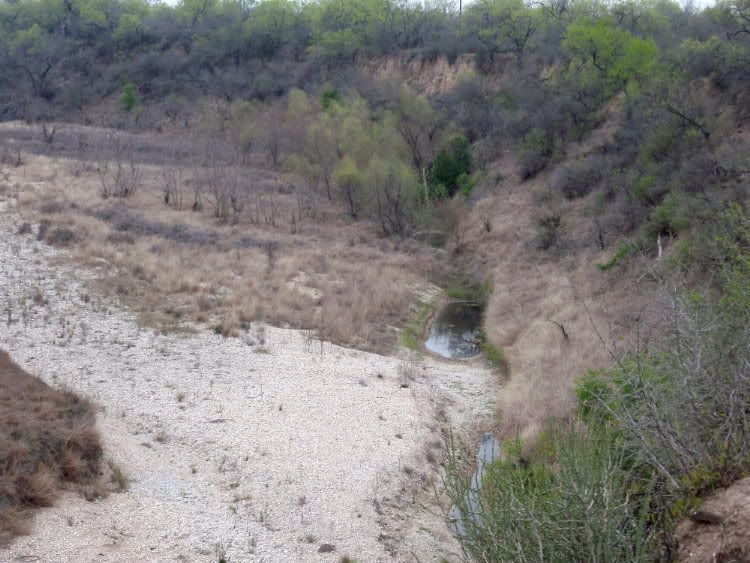
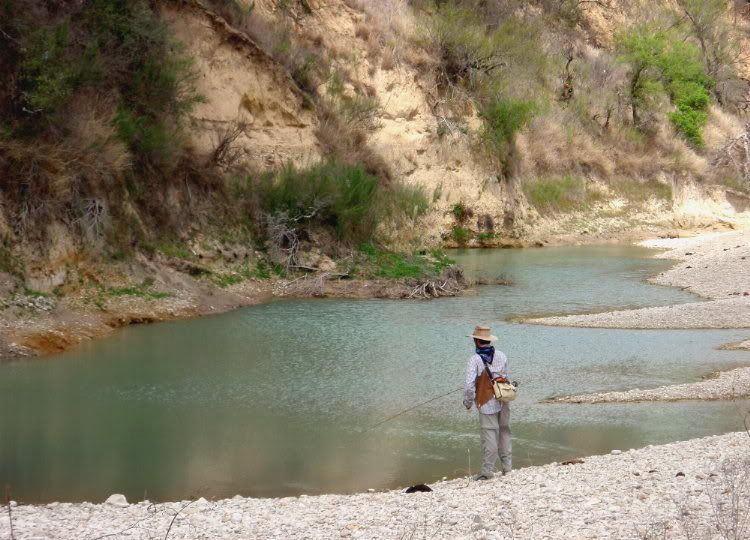
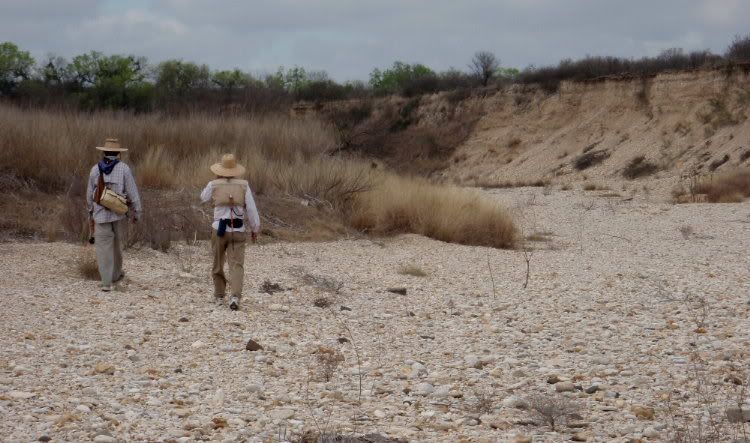
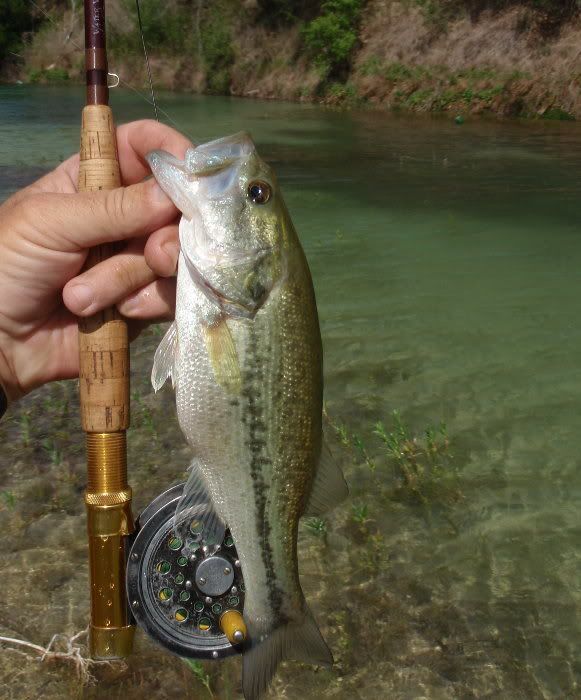
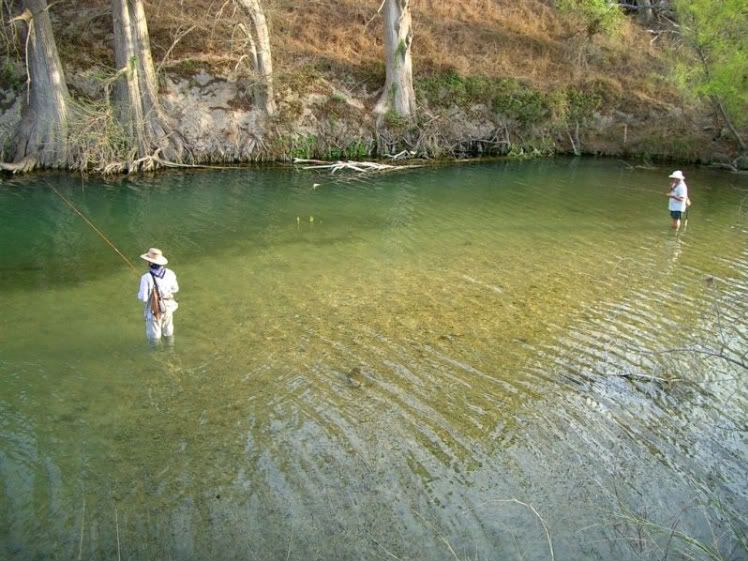
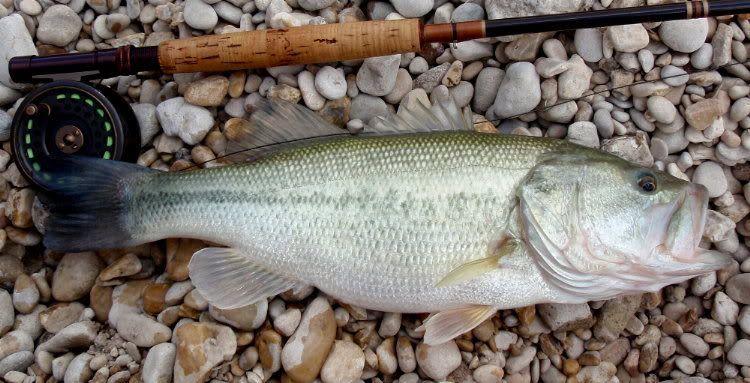
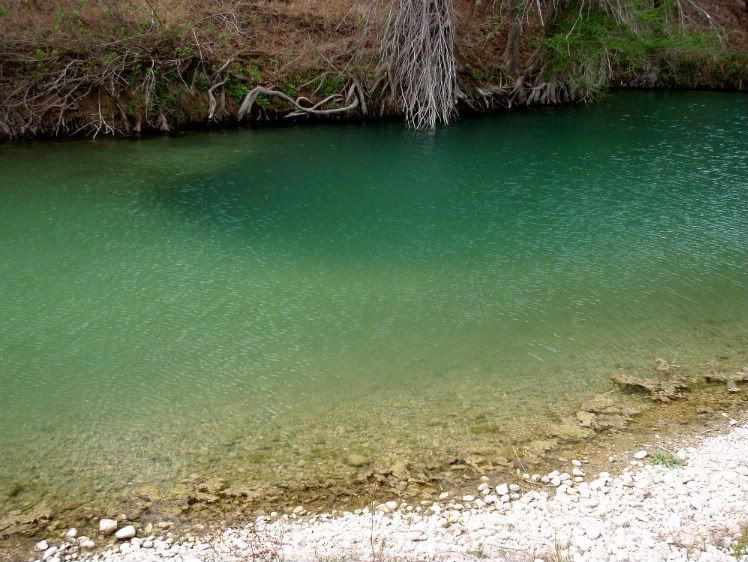
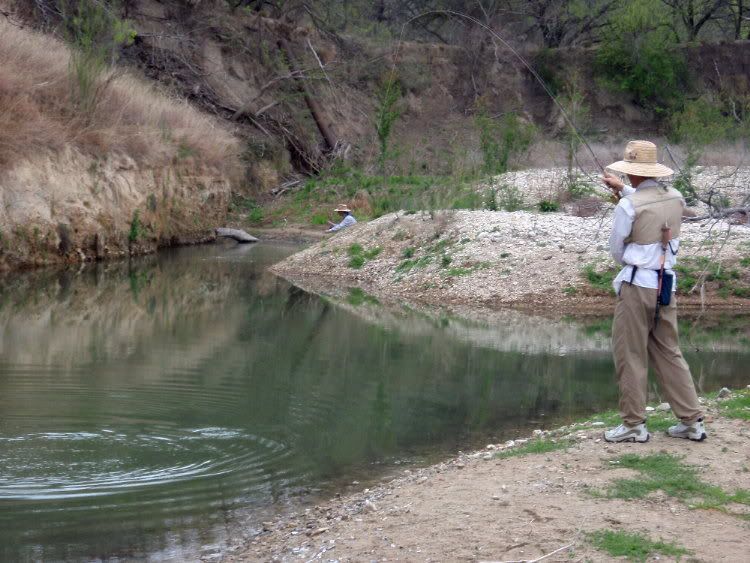
The Frio Sendero. Thee of us with fly rods caught 400 bass, and each broke off 2 or 3 lifetime fish - 10-12 lbs. West of San Antonio, somewhere north of US-90, all the rivers disappear into the Edwards Aquifer, and somewere south of US-90, they all re-emerge into the coastal plain. My buddy has a family ranch south of Sabinal on the Frio Sendero, and it's 20 mi on dirt roads to get there - I kid you not, this is the river from his bluff, but there's cold clear water flowing through the gravel, and each pool is stacked with bass. It was hike the gravel bed to the next pool, and each caught 7 or 8 bass from each pool. This was the biggest brought to hand here's the blue hole where the Sabinal re-emerges from the aquifer there are 7 bass sitting on the flagstone shelf
-
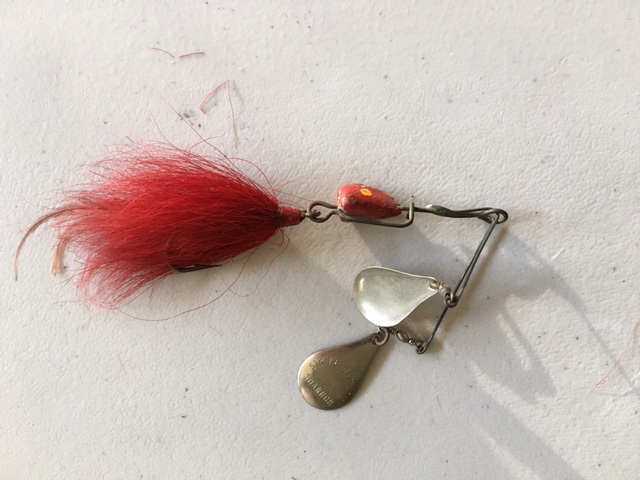
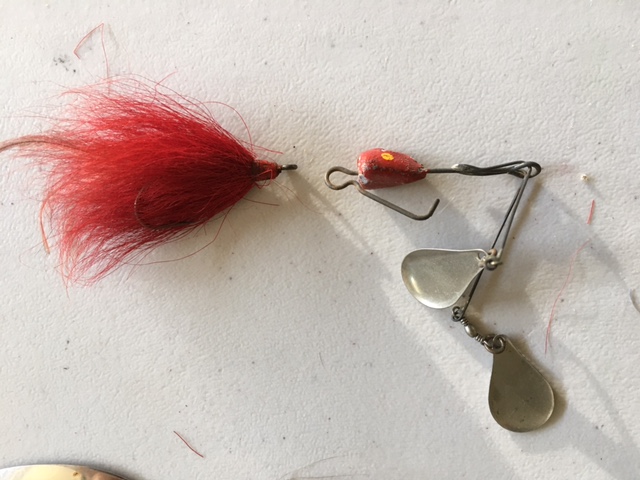
Until I caught the 28" river largemouth on the Sabinal, my PB was an 8-lb bass caught on a Jitterbug with my dad in a bowl-shaped cove at the top of Canyon Lake (TX). She took it on the stand. I was retrieving the lure for a few paddles and letting it sit. In my life I've caught five 4-y-o white bass, 19-20" and 5 lbs (four were on fly rod). One was trolling Canyon with a Pico Texas Trailer, sriped-bass-looking Bomber in front, and Shyster spinner in back. Tom asked me to post these photos of the Shannon lure for him
-
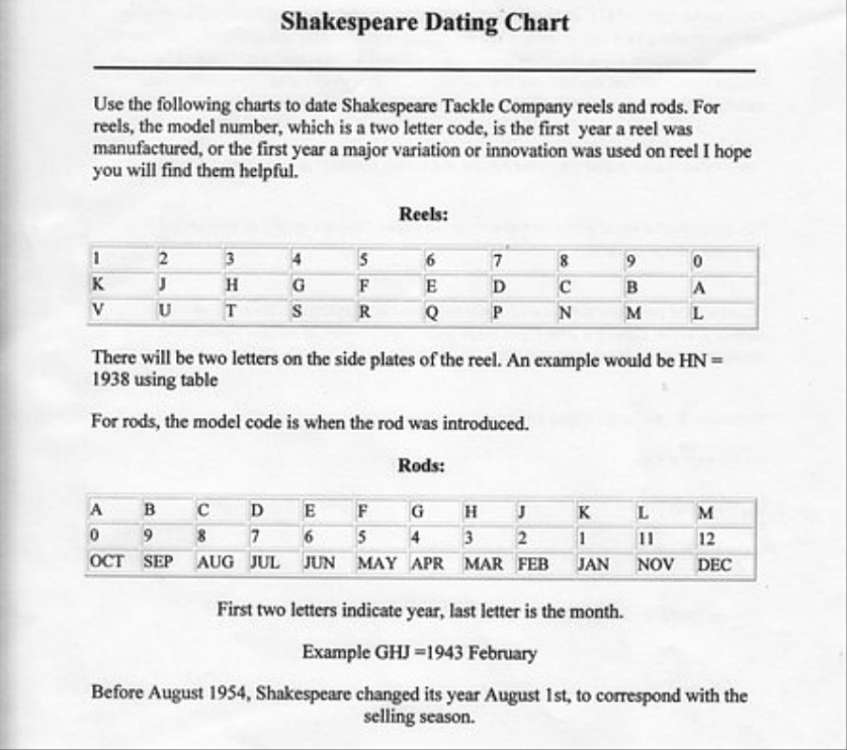
The GE, GF are Shakespeare-code model change years, 1945 and 1946. I'm not up to fine details on postwar baitcasters like guys with big collections on ORCA forum will be, but my thought is Shakespeare built better reels before the war, and Pflueger took over in quality after the war. Out of the two you mentioned, I would go for the Akron. I just happen to have a Skilkast and like the way it casts, in particular, it has a fine end-tension adjustment.
-
You might like this 1904 Hendryx catalog on googlebooks Hendryx got their start making bird cages. Winchester bought Hendryx in 1919, and that's where their tackle business began. Winchester rods were made by Edwards.
-
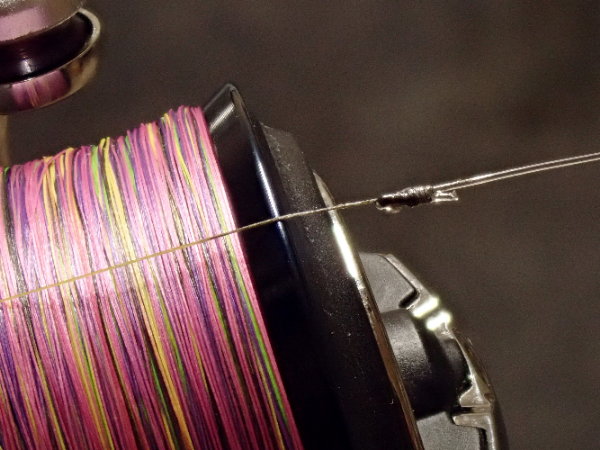
Japanese braid - X-braid Upgrade - charge for 2 surf reels, one UL salt and one ML baitcaster. While I've had good experience with Sufix 832, have found it's always thicker than published diameter. My first trial with X-braid, it was thinner than published, and the breaking strength is more than twice the Sufix in the same diameter. It's reported to have elasticity before it breaks, which Sufix definitely doesn't. It ties really great Allbright knots to Blue Label shock leader. 14-lb (0.005") to 15-lb
-
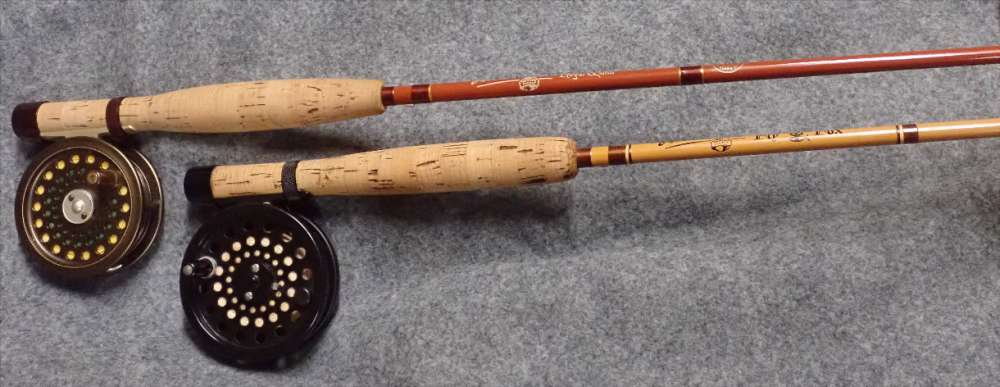
I'll add something else - acquiring quality cane and vintage click-pawl fly reels was easy to justify, because I preferred using them over the latest and greatest (hype) graphite rod and fly reel that looks like the wheels that keep spinning after the SUV stops. The thing is, you could buy 3 of the vintage for the cost of one new Snow Job rod. A year later, the new stuff that you bought is worth less than you paid, while the quality vintage tackle you acquired is worth more than you paid. I certainly understand the desire to fish modern conventional tackle, and that's what I fish in the coast flats. Spinning reel is the most complicated piece of tackle ever devised, and no one ever quite got spindle and gear loading right until just the last decade with CAD and CNC. Bait reels get better, tighter, lower-inertia. The history before computer design is inspiration, trial and error. If you look at fly fishing, unless you're going after tarpon, in many ways, the old tackle is better than the new. The short fly glass rods of the '70s are outstanding, and the work of great rod builders like Bill Phillipson got left behind when everything had to be graphite (and machined barstock) to sell. Marketing tackle is always aiming at N+1 - they're selling to fishermen - if they're going to sell you this year's rod, they first must convince you last year's is obsolete. I even have a place for my Toray graphite ML bait rod, though it's the only rod I've broken in my life (warranty replacement). But my go-to MH bait rod is Crowder IM6 graphite, and will never need a warranty replacement.
-
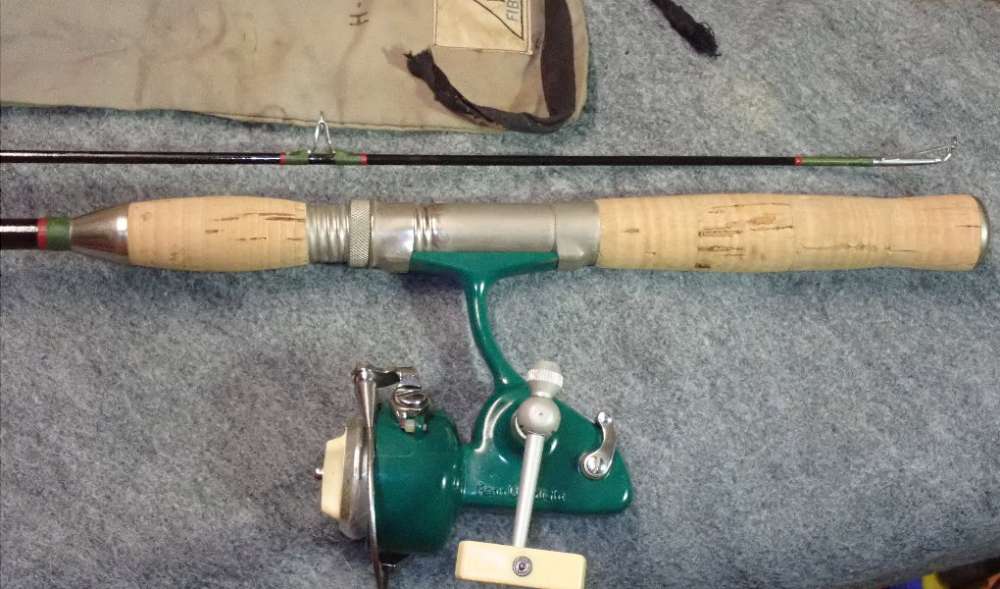
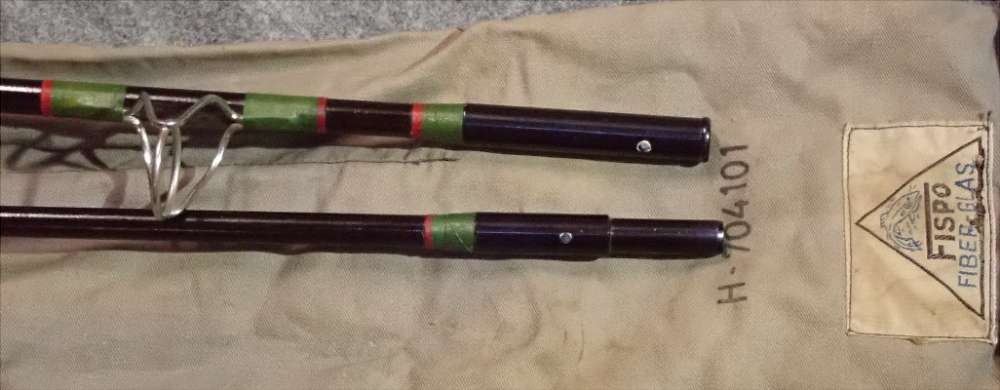
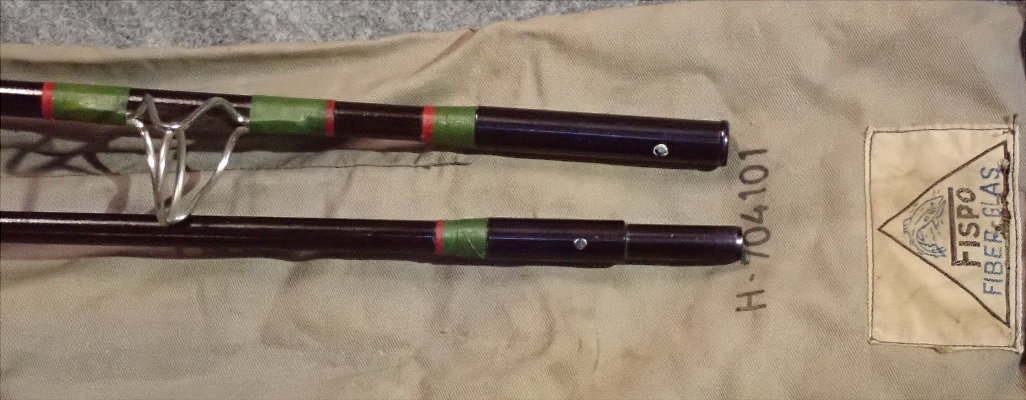
Back on topic, here's the rod I found to match my Penn 716. The old para glass rod is a Fispo finished and sold in Zurich, but there's no arguing the blank is a Harnell/Harrington. John Harrington's WWII tinkering with glass bass rods took up his weekends while he was working for Douglas Aircraft. His tinkering paralleled the more scientific effort of Doc Howald and Shakespeare WondeRod. There's a very good argument Harnell sold the first glass rod. John was a terrible businessman, his partner forced a break-up, sold the business and Harnell name to H-I/Gladding, John kept his mandrels, and continued selling rod blanks and finished rods from his California shop into the 1980s. His rods are desired everywhere - to fish - today.

-
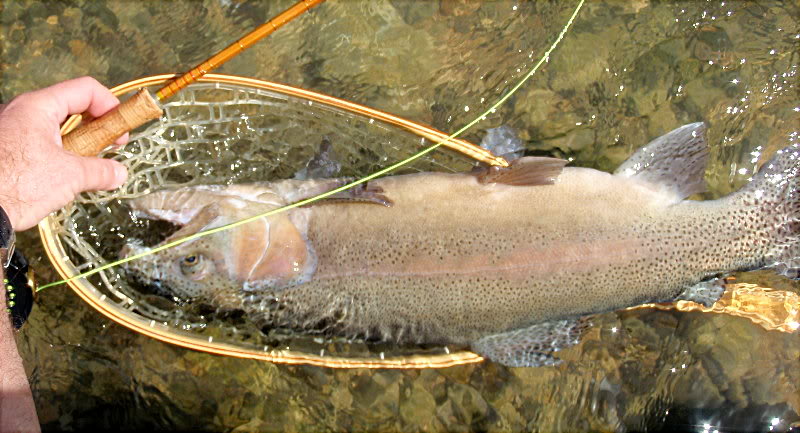
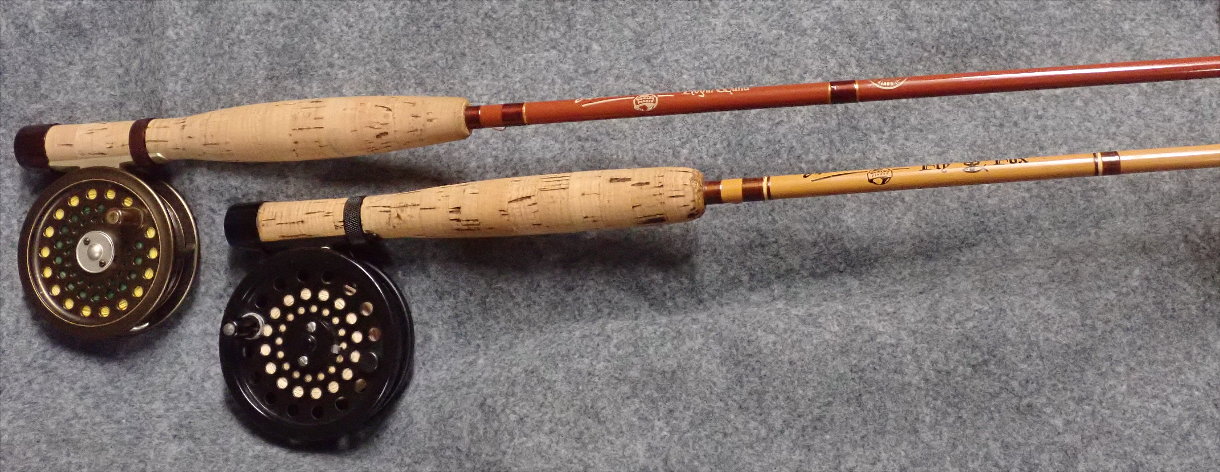
jimmyjoe, the easiest way to tell a control freak is they offer unsolicited advice. There's nothing you can do or say to improve his personality, or help his psychology. Maybe it is time to show another fly rod. Here's my primary collecting bent, the rod is a 1918 FE Thomas Special. The reel, a pattern 15a from JW Young, which was also imported and sold as the Thomas Special reel. The rainbow is on my home tailwater. I reached my point of jaded 20 years ago - exactly the time I got into this and figured how to make it work for me. But I was catching fish after fish, insulated from the fish by disc drags and graphite fly rods, and wondering why I was harassing the fish. The first time I caught a 20" rainbow in fast current on vintage cane and click pawl, went oh crap, what am I going to do now - and remembered why we do this to begin with. There's a technical discussion about equivalent modulus in fly rod tapers, especially why cane rods are superior to graphite in lengths below 8', and why glass is superior to both in lengths below 7', but he wouldn't understand that, either.
-
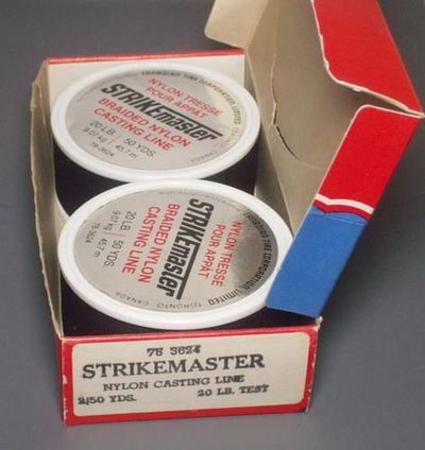
It can vary - they're probably thicker, but 10- and 12-lb soft nylon braid is so thin, you usually need to back your full-arbor vintage reel with something heavier, then finish off with your working line. I was very happy once on ebay when I bought the Canadian Strikemaster above - he was selling connected spools of 10, 15, 25, and 30 as a package. So I backed with the heavier lines to fish the lighter ones.
-
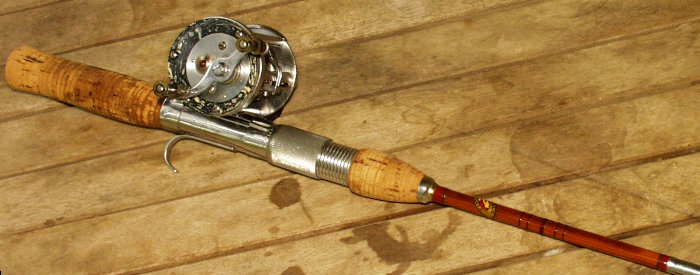
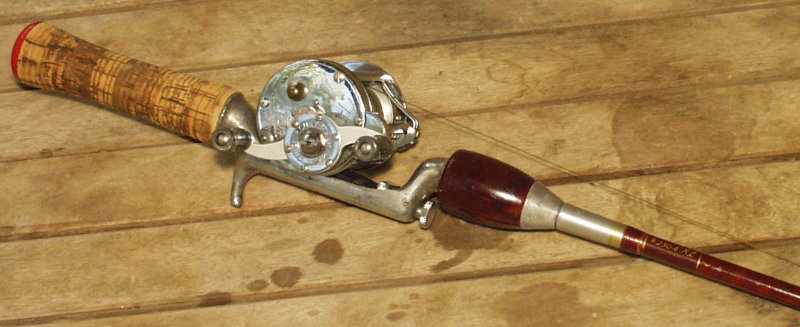
One of my favorite postwar Marhoff-copy reels is the Pflueger Skilkast. Here it is on a Heddon Pal glass rod - Supreme, Skilkast, Shakespeare Marhoff would be my recommendation for the steel rod. Bill Sonnet on ORCA and sometimes on FFR fishes steel and Marhoff primarily and lauds both. The Skilkast has a Cub drag handle, and no photogenic because it's so reflective. Speaking of Shakespeare Marhoff, here's a dressy one on a Montague Flash cane rod. I forgot to add, in lieu of finding old silk or postwar nylon to take care of your bare rod guides You can use green-spot, ice-fishing nylon (nice because it's teflon-impregnated). Both Mason and Gudegrod made recent soft braids. I really like Gudebrod MeatMaster braid, but grab those close-outs quickly, because Gudebrod went out of business a few years ago (over losing their dental floss client).
-
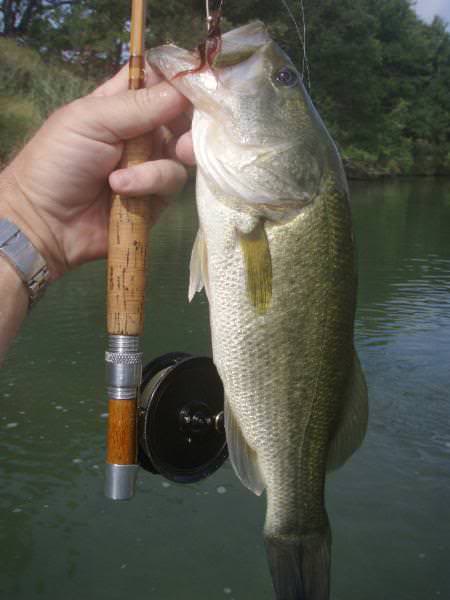
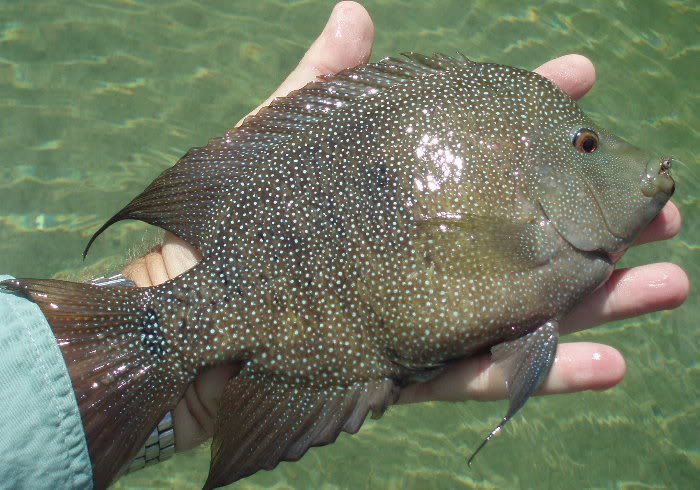
forgot to add, the sunfish in the pool with my PB bass were really shy. But I did manage a nice native cichlid in the same pool. Also have a story about the big yellow belly hen I have to tell. I was sight-fishing a 5-lb bass on an oxbow on the Pedernales headwater. She was creeping around my cats whisker in a yawn. Just before she got there, the massive 14" redbreast sunfish shot out and grabbed the fly. The whole time I was fighting the yellow belly, so was the bass hen. She settled at my feet while I was handling the sunny to photograph and release it. I daubed the fly in front of my feet and the bass shot up and snagged it. There aren't too many times you get a 5-lb bass waiting in line to eat your fly.
-
yes, they weren't shy about Art Deco styling on the Langley Target.
-
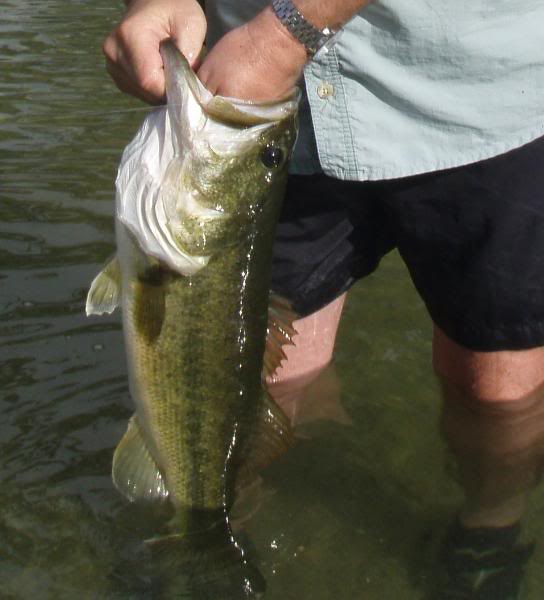
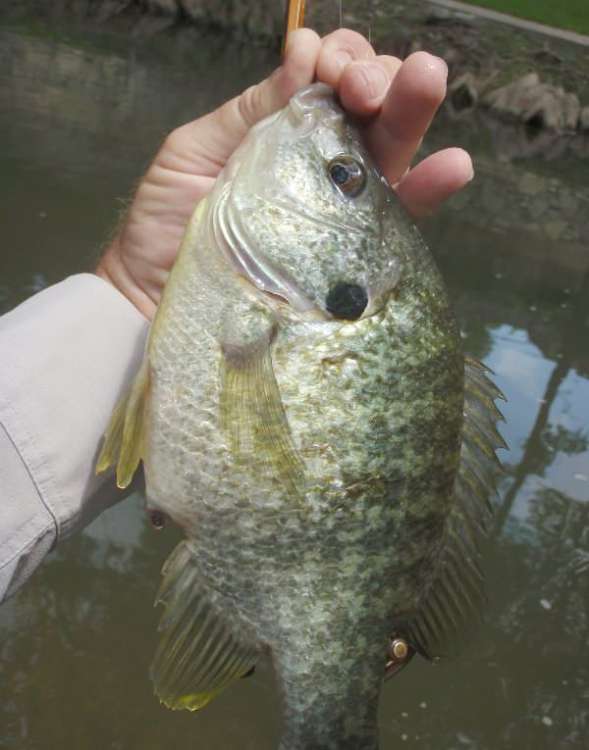
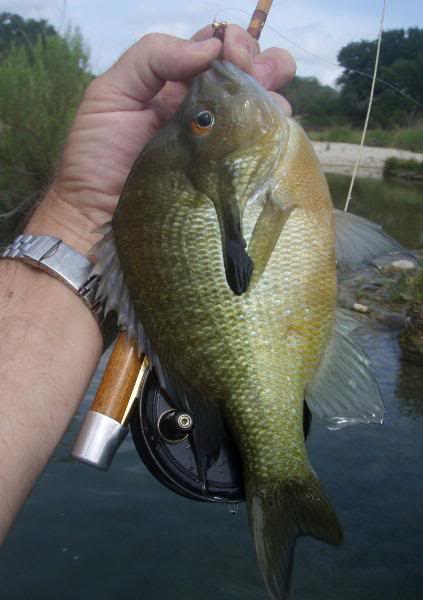
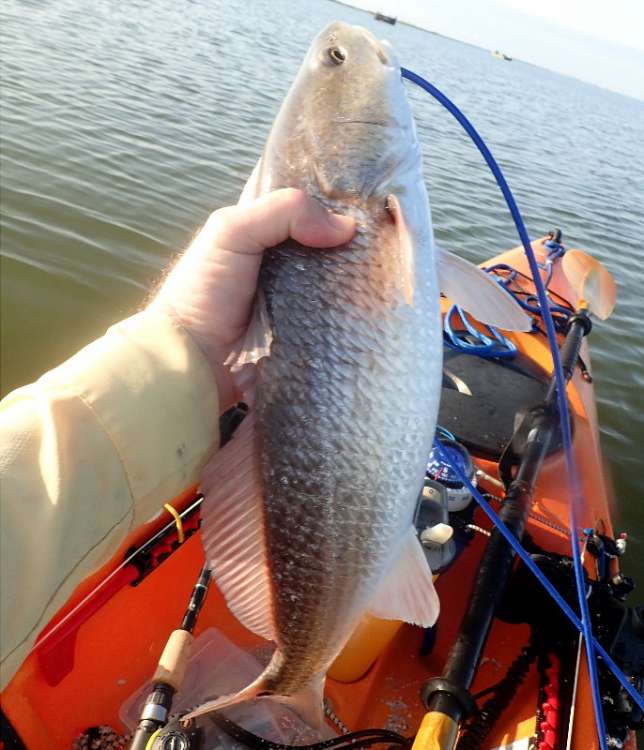
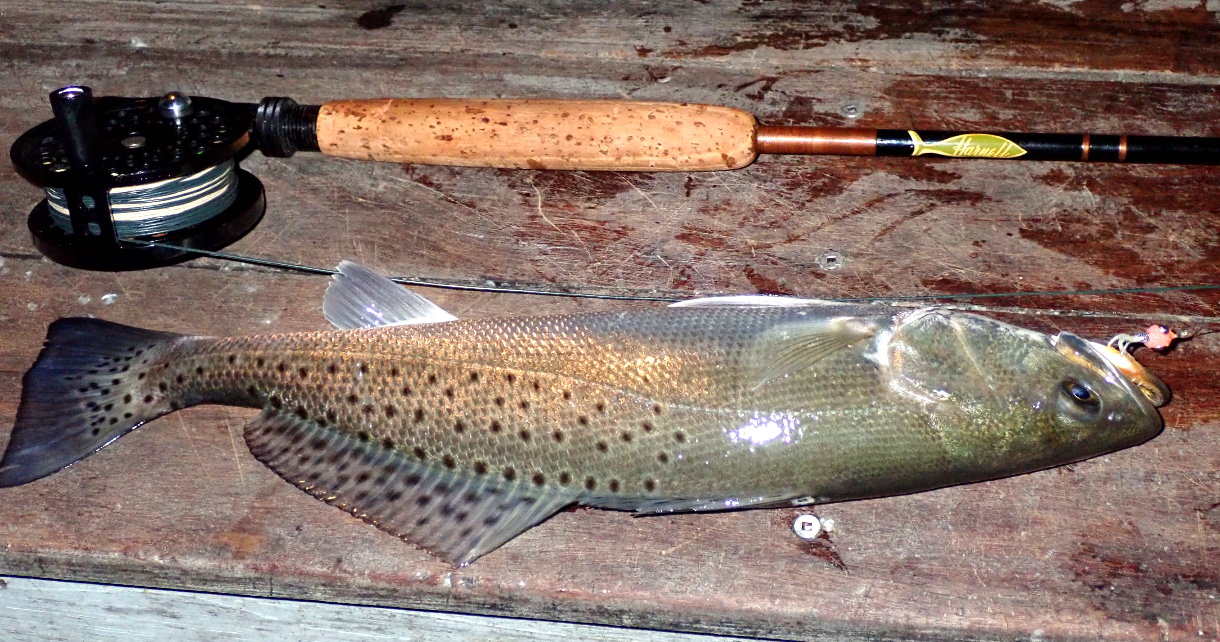
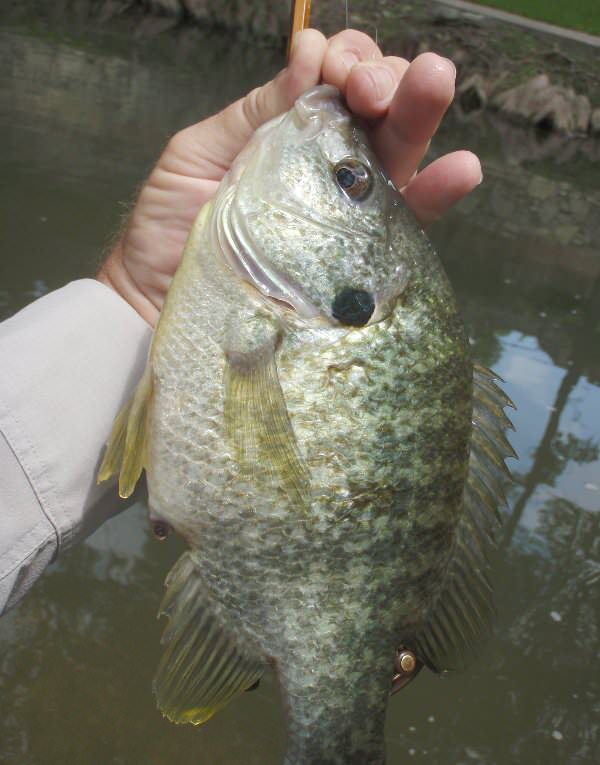
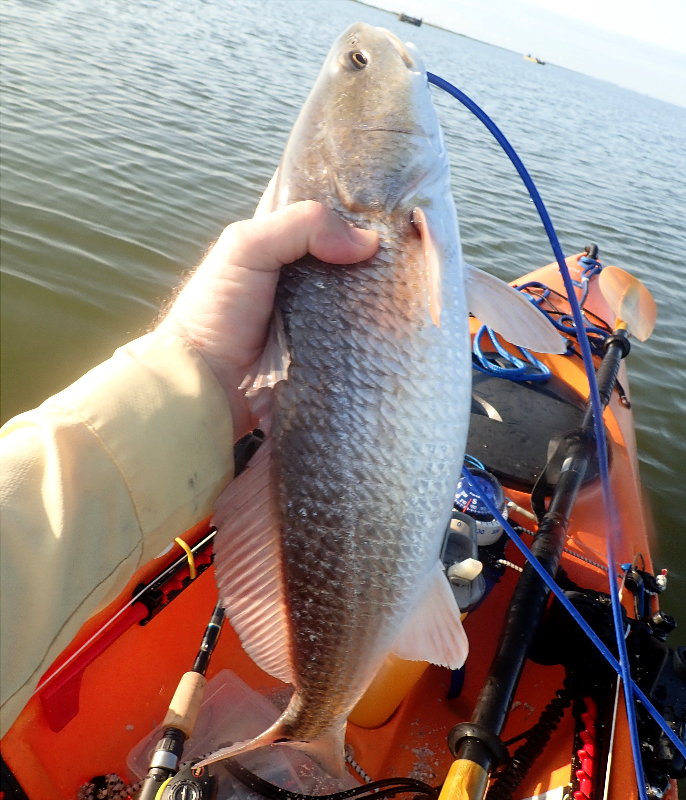
Slow getting to this page, been playing on the rods and reels page a few days with new and old tackle. Grew up bass fishing with my dad, but hill country limestone creeks and endemic bass on fly rod - Texas brook trout - took over my attention. My first love is coast kayak fishing. My best bass, sight-fished on fly rod on the Sabinal River was a shocking 28" and about 10 lbs. They don't get too fat eating nickel-sized crayfish. Not really showing off here, just trying to get my cats whisker. a pretty good yellow belly from the Pedernales headwaters - she's not alone here a red-ear hen with shoulders bottom-bounced on the Guadalupe with Teeny line and, of course, cats whisker Here's what we do at the coast, table-fare slot redfish and a pretty good sow trout I won't be contributing much to the bass fishing topics, other than our overlap of gear, but may get in an occasional hill country report, or better, coast flats report.
.thumb.jpg.7ac7c8e9073083038bf6ba0a3a43ce44.jpg)









.jpg.5839ffcba56cca88325d22cafd7051e1.jpg)