


basslover12345
Members
-
Joined
-
Last visited
Everything posted by basslover12345
-
Would a 7' rage Thumper work? What bass lures could I catch flounder with?
-
Hey Guys, Me and my family are leaving tomorrow for a week long trip to Ocean city, MD and me and my dad plan on doing a lot of inshore shallow water, saltwater fishing while we are there because the Chesapeake bay is right across the street from where we are staying. I was wondering if anyone had tried Rage tail lures or other freshwater sof plastics for fish like flounder, striper, etc, besides the eeliminator, shrimp, or crab, for saltwater fishing. I plan on calling around to some of the Tackle shops around there to see if they carry the rage crab or Rage shrimp…………..
-
I actually don't believe it, but my Grandpa does
-
I was just reading an article and found this info very interesting that the author of the article wrote: So let me explain how it works; #1, you cast out the sponsored bait product (whatever bait or baits the show is sponsored by, keeping in mind that the fish were actually caught prior to the show, and in most cases on totally different bait). #2, while you start your retrieve, you rare back with your rod like you just got a strike and pretend to set the hook! (on actually nothing at all). Then the camera will stop filming. #3, then, you simply reel your sponsored bait back in to the boat, grab a fish (in the case of a bass show, a bass) out of the livewell and place the hook of the “sponsored product” in the fish’s mouth. #4, Next you place the fish back into the water (with ease, and always keeping the slack out of your line), then you let the fish swim away from the boat. #5, then at this time, the camera starts rolling again and starts filming you fighting the fish back to the boat!...(Really quite simple!) Is this true with shows like The bass pros, Bill Dance's and Roland Martin's show? What do you guys think?
-
I have 9 reels that need fresh line for a big, upcoming tournament, Is this too many reels to take to Dicks or Sports authority to have spooled with their machine? I have my own line for each reel........ That or there is a college kid on my street who can do it for me.....
-
I tried a 7' medium heavy rod and had difficulty casting both with 12 and 10 pound line, but I will try 6 pound as well.... Also, What type of cast do you make with the 3 inch senko to make it go the absolute furthest and would adding a 1/16 ounce slip sinker to a wacky rigged 3 inch senko hurt the action of the baits fall?
-
How do you get more Casting Distance with 3 inch senkos?
-
Well, It seems like wacky rigging it with a 1/0 hook makes the 3 inch senko fall a lot faster and differently compared to using a Gamakatsu Drop shot hook, I think i may try a trokar TK150 Dropshot hook with it.
-
I'm going out right now to try them wacky rigged on a 1/0 worm hook........
-
What size hook and line should I be using with? I've been using either a #4 or #2 split shot/drop shot hook and have been wacky rigging the 3 inch senko on them. I think I'm using the wrong size hook, becaus I'm losing a lt of bites, but getting at least 25 bass to bite it every day I go out.
-
Has anyone ever tried 3 inch senkos ? I'm thinking of trying them Saturday in my tournament to get a small limit quickly. It seems like a definate way to get bites.............
-
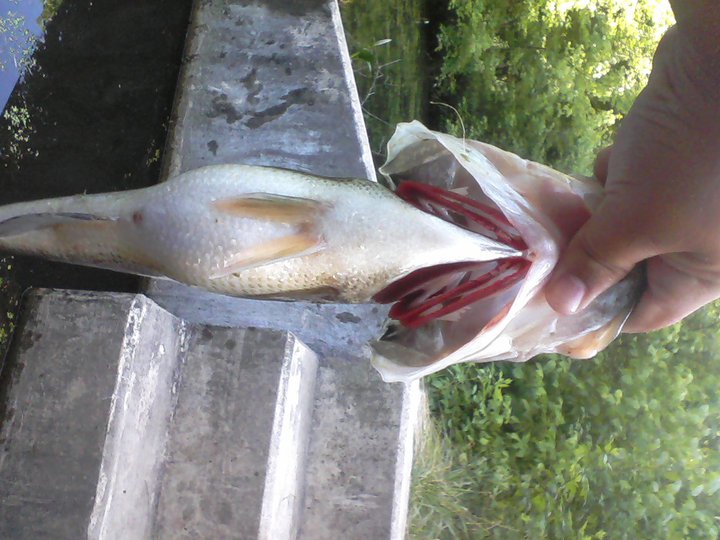
Here is another shot of it from a different angle
-
Thething is, our fence has a small opening, so there would be no way to back the trailer up the hill and into the back yard. Whatt is considered a tight space to move the trailer through with a Trailer dolly? The trailer weighs 250 pounds and our fence is not very wide, but we do have a big back yard. I found this Trailer Dolly: http://www.harborfreight.com/heavy-duty-trailer-dolly-37510.html
-
Ok, My parents and I want to get the 12 foot boat we've been offered for free, but can't find a place to keep it. Our driveway is 12 feet wide at the top by our car port and our drive way is a hill. My parents own 2 cars so there is no space in our car port or in our driveway to store a boat and trailer. My mom has a 2010 GMC Acadia, my dad a 2002 Ford F150. Also, we aren't allowed to keep it in the front yard and probably cant get the trailer in our backyard and the boat wont fit in the back of my dads truck. Any ideas what we can do. Is a 12 foot Jon boat heavy?
-
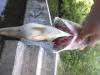
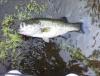
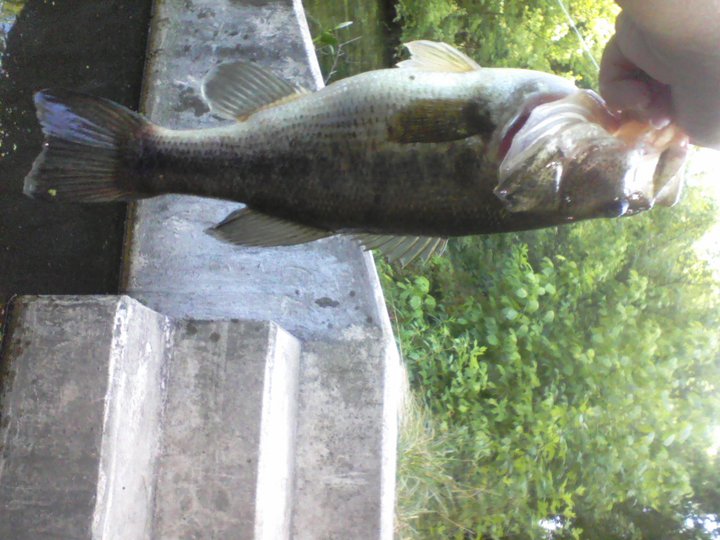
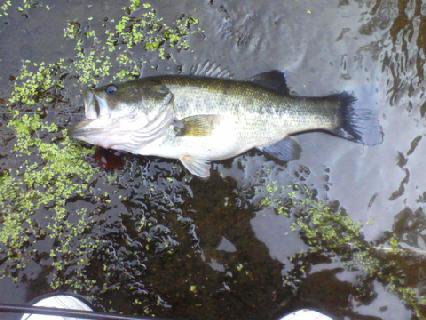
I caught this bass today ona 3 inch green pumpkin senko, but forgot my scale........ How big do you guys think it is
-
Well, I went out today practicing and went to one of the spots I think Is going to produce on tuesday to check on a few things, I shook a nice one off on a keel weighted baby rage craw, caught 1 on a 3/8 ounce Bama bug colored Hack attack jig with a Bama Craw colored Rage craw and missed one on that. Going back tommorrow to practice at the other pond
-
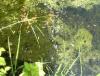
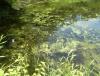
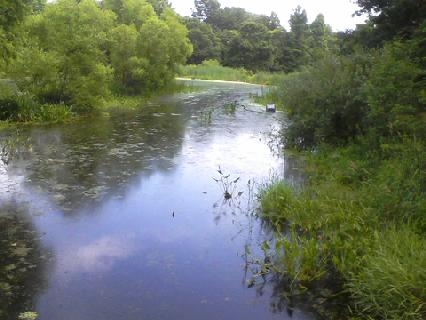
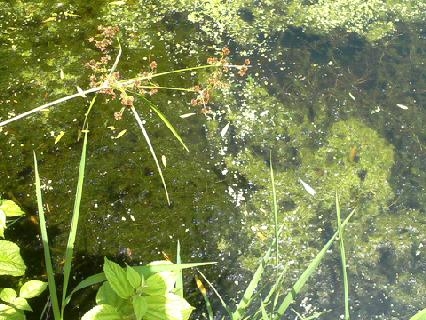
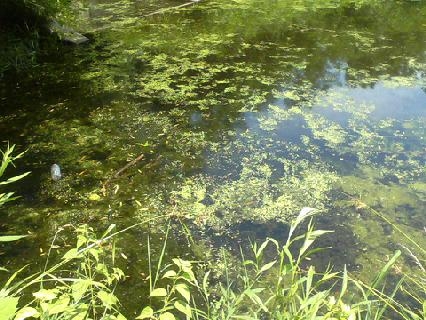
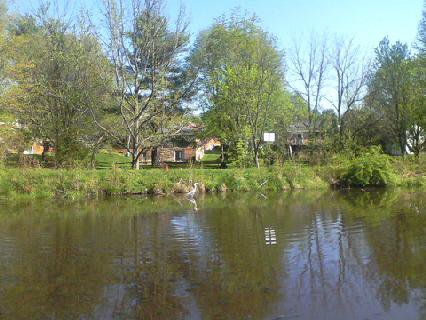
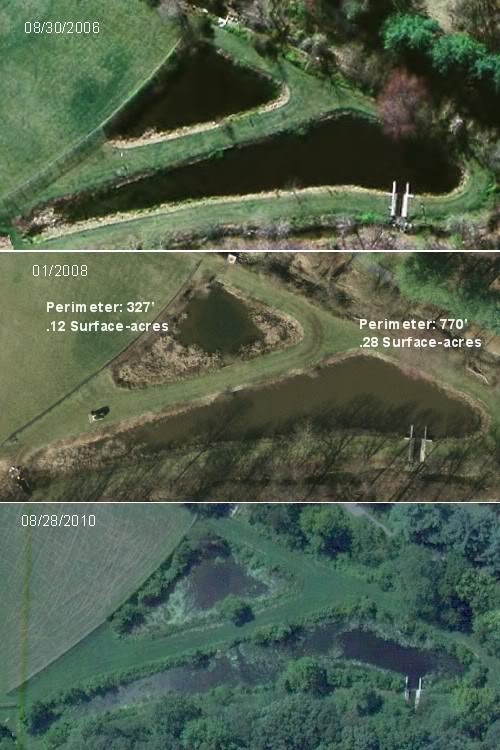
I have thrown frogs A LOT here, but the bass aren't big enough to eat them....... And the only times I've had luck with a spinnerbait is the morning after a nightly thunderstorm. Usually I can get bit on a Strike king ocho thats wacky rigged or texas rigged. I have thrown a rage shad in there, but have only caught fish during the prespawn with it for some strange reason, I think i might try a swimbait because I've thrown a strike King Sexy shad hollow bodied swimbait in their and have caught a 1.5 pound bass. The thing about this pond and the two others is the bass aren't very big, the biggest one I've ever caught from the one pond weighed 3.25 pounds (18 inches long) last June (2010) during the bluegill spawn. I also tried a keel weighted rage craw in the Bama bug color, but got not a bite. On Tuesday, I was able to catch bass in this one grass bed flipping a 3 inch strike king rodent with JJ's magic and caught a bass around 2 pounds on my first flip, then caught a .5 pounder a few flips later, but when I switched to flipping a rage craw, they would ignore it. I've attached a picture of the grass thats growing in the pond. These ponds get absolutely no pressure, no one thinks there is bass in them.
 I've attached one of the pictures for the article.........
 Ok, i did some editing, Here is the new version: It’s 100 degrees outside and you desperately need a kicker to just possibly win the biggest tournament of your life, and what do you to? You go head to head combat with the bass; you go flipping for a chance for a monster kicker bass that will give you the absolute biggest win of your life. In the hot, scorching summer months of June, July and August when it’s really hot and sticky outside many bass are heading directly to thick vegetation along with other types of cover such as wood or other man made cover to beat the exhilarating summer heat. As the water temperature steadily increases from intense sunlight and heat, aquatic plants such as duckweed and milfoil become denser and greener; this attracts pretty much any species of bass because of the much cooler water under the grass. Many bass or even schools of 2-3 bass will gather and bunch up under this dense surface-matted vegetation along the bank and you can present your lure to them in a variety of ways. You can locate the better grass beds and eliminate not so productive ones in a variety of ways, one of the being by flipping or punching lures using heavy tungsten or lead weights to punch through the cover with lures such as the Rage Space Monkey and the Rage Smokin’ Rooster. You can also flip or pitch this set up into any visible holes in the cover or the actual submerged grass line below the water’s surface that is sometime visible in clear water. A good grass bed will often have multiple baitfish, such as bluegill around, both inside the grass line and outside the defined grass line and if there is wood cover such as brush piles or stumps nearby it sometimes improves the chances for it to hold bass. An example of this is when you have an overhanging bush or tree that’s roots extend into the water and are then covered with grass that matts up on top of the roots. To “test” a grass bed for bass I like to punch the vegetation with a Strike king Hack Attack jig, choosing the weight or size depending on how thick the cover is and how matted it is on the surface. When using the Hack Attack, I will add a trailer such as the Rage Hawg or Rage Lobster and after punching through the cover; I’ll jig it up and down vertically, or shake and hop it to draw the strike. My setup for fishing cover with Rage lures is heavy braid, fluorocarbon, or Monofilament with a Medium heavy fast tip 7’6 Bass pro shops Fast action Graphite Flippin’ stick with a 7:1:1 Gear ratio bait caster with fluorocarbon line up to 25 pound test, and Green spiderwire braid up to 65 pounds. When punching through heavy vegetation with lures such as the Smokin’ Rooster, I would recommend using tungsten weights all the way up to 1.5 ounces. When you feel a bite, make sure you are prepared for the fish to run and set the hook and bring him up out of the vegetation immediately, this is one of the many reasons a tightened, rock solid drag is critical. Sometimes bass prefer one type of vegetation, for example sometimes a bass will prefer duckweed patches that are mixed in with surface algae and to get a bite you must present your jig or soft plastic lure only in the duckweed patches. I have found that if I am flipping a bait like a Strike king tube in the grass and they aren’t eating it good enough or are just not paying attention to it then I will go ahead and place a Small, glass Zoom rattle far up in the tube and then I will shake it in the grass. Another technique I have come to love and I still use to this day is if the bass want a certain fall and the weight I’m using with my lure to achieve that fall isn’t getting through the grass or is getting hung in the grass I will then make a cast that goes straight up into the air with a lot of force so it will get through the grass more quickly, but I usually only have to use this technique when fishing pond algae that has crusted on the surface along the bank. When you’re fishing Rage Baits in cover of any kind, you should use the appropriate pound test line so you can horse the bass out of the heavy cover quickly. While working the bait I like to keep my rod pointing down towards my lure and the cover and shake it steadily in the cover for a few seconds. When you feel a bite, wait less than a second and then set the hook hard with your rod in a vertical position over the cover. If you want to add more bulk to your jig when flipping heavy cover try adding a Smokin’ Rooster or Rage Lobster by threading it onto the hook of your jig, but if you want a more finesse approach to flipping you can try smaller, more compact, small profile soft plastics or jigs. With the Right conditions, these techniques can pay off with some big bags of bass come tournament time or your next outing. When available, I like to flip soft plastics and Jigs under overhanging bushes and trees and let them jiggle. Usually a bass will take my jig or soft plastic as it falls or once it lands on the bottom and will run with it out of the vegetation, tree, or bush. A good time to target bushes and sunken trees with weighted soft plastics or jigs is during the post spawn. In the event of a cold front coming through I will down size both the weight and the size of the lure I’m fishing with. For example, if I was fishing a 5 inch Strike king rodent before the cold front then I would down size to a 3 inch Strike King rodent in the same color. Another thing I try when all else fails is flipping my lure directly up to the bank with the duckweed or algae. Learning to fish cover and thick vegetation can be a very rewarding skill/technique and can produce big fish, but when you hit that “magical” grass bed it can be loads of fun. Sometimes, it may take a few times to find that perfect patch of vegetation, but when you do it will pay big dividends and most importantly BIG BASS.Ok, I have a small tournament (18 people) next tuesday at the 3 ponds by my house and need some suggestions on what to throw. Here is some info on the ponds: - Matted Duckweed and surface algae are the main types of cover - The ponds reach up to 5.5 feet deep and can get as shallow as a few inches - They all have a silt bottom, but there are rare patches of gravel - The duckweed and algae mats up tight against the shore - There are cattails - There is a spillway - The water is very stained - Lots of submerged grass growing off the bottom - One of the ponds is 1 acre - There are bluegill, bass, koi, and golden shiner - The duckweed is fresh and very green - Most of the bass are between 9 and 14 inches - The parts that are very shallow are choked with duckweed and pond weed - the bluegill just recently got done spawning (like 1.5 months ago) - No current goes into the pond unless it rains Any suggestions what to throw?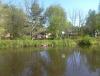
 I want to try submitting this article to various bass fishing magazines, tell me what you think: In the hot, scorching Summer months of June, July and August when it’s really hot and sticky outside many bass are heading directly to thick vegetation along with other types of cover to beat the heat. As the water warms from intense sunlight, aquatic plants such as duckweed and milfoil become denser, this attracts pretty much any species of bass. Many bass or even schools of 2-3 bass will gather and bunch up under this dense vegetation along the bank and you can present your lure to them in a variety of ways. You can locate the better grass beds and eliminate not so productive ones in a variety of ways, one of the being by flipping or punching lures using heavy tungsten or lead weights to punch through the cover with lures such as the Rage Space Monkey and the Rage Smokin’ Rooster. You can also flip or pitch this set up into any visible holes in the cover or the actual submerged grass line below the water’s surface that is sometime visible in clear water. A good grass bed will often have multiple baitfish , such as bluegill around, both inside the grass line and outside the defined grass line and if there is wood nearby it sometimes improves the chances for it to hold bass. An example of this is when you have a overhanging bush or tree that’s roots extend into the water and are then covered with grass that matts up on top of the roots. To “test” a grass bed for bass I like to punch the vegetation with a Hack Attack jig, choosing the weight or size depending on how thick the cover is. When using the Hack Attack, I will add a trailer such as the Rage Hawg or Rage Lobster and after punching through the cover; I’ll jig it up and down vertically, or shake and hop it to draw the strike. My setup for fishing cover with Rage lures is heavy braid, fluorocarbon, or Monofilament with a Medium heavy 7’6 Bass pro shops Graphite Flippin’ stick with a 7:1:1 Gear ratio bait caster with fluorocarbon line up to 25 pound test, and Green spiderwire braid up to 65 pounds. When punching through heavy vegetation with lures such as the Smokin’ Rooster, I would recommend using tungsten weights all the way up to 1.5 ounces. When you feel a bite, make sure you are prepared for the fish to run and set the hook and bring him up out of the vegetation immediately. Sometimes bass prefer one type of vegetation, for example sometimes a bass will prefer duckweed patches that are mixed in with surface algae and to get a bite you must present your jig or soft plastic lure only in the duckweed patches. I have found that if I am flipping a bait like a Strike king tube in the grass and they aren’t eating it good enough or are just not paying attention to it then I will go ahead and place a Small, glass Zoom rattle far up in the tube and then I will shake it in the grass. Another technique I have come to love and I still use to this day is if the bass want a certain fall and the weight I’m using with my lure to achieve that fall isn’t getting through the grass or is getting hung in the grass I will then make a cast that goes straight up into the air with a lot of force so it will get through the grass more quickly, but I usually only have to use this technique when fishing pond algae that has crusted on the surface along the bank. When you’re fishing Rage Baits in cover of any kind, you should use the appropriate pound test line so you can horse the bass out of the heavy cover quickly. While working the bait I like to keep my rod pointing down towards my lure and the cover and shake it steadily in the cover for a few seconds. When you feel a bite, wait less than a second and then set the hook hard with your rod in a vertical position over the cover. If you want to add more bulk to your jig when flipping heavy cover try adding a Smokin’ Rooster or Rage Lobster by threading it onto the hook of your jig. With the Right conditions, these techniques can pay off with some big bags of bass come tournament time or your next outing. When available, I like to flip soft plastics and Jigs under overhanging bushes and trees and let them jiggle. Usually a bass will take my jig or soft plastic as it falls or once it lands on the bottom and will run with it out of the vegetation, tree, or bush. A good time to target bushes and sunken trees with weighted soft plastics or jigs is during the post spawn. In the event of a cold front coming through I will down size both the weight and the size of the lure I’m fishing with. For example, if I was fishing a 5 inch Strike king rodent before the cold front then I would down size to a 3 inch Strike King rodent in the same color. Another thing I try when all else fails is flipping my lure directly up to the bank with the duckweed or algae. Learning to fish cover and thick vegetation can be a very rewarding skill/technique and can produce big fish, but when you hit that “magical” grass bed it can be loads of fun. Sometimes, it may take a few times to find that perfect patch of vegetation, but when you do it will pay big dividends and most importantly BIG BASS.Anyone ever fish it? What was it like?I do plan on buying a Trolling motor for it also, Im probably going to be buying a 45 pound thrust Minn Kota® Endura C2 Transom-Mount Trolling Motor....... And for a battery: http://www.cabelas.com/product/Cabelas-Rechargeable-12-Volt-Battery/700551.utsOk Guys, I have been offered a 12' Fishmarine Aluminum Jonboat with a Old but serviceable steel 1975 Dilly tilt trailer from a guide aroundhere FOR FREE. Is this a good first boat? The guide said that the previous owner didn't secure it properly to the trailer, so the tire rubbed against the Side of the boat................. How uch would It cost to get this repaired? He said there is a lot of flotation foam in it. There are two center mounted seats in the boat also. He also said that the trailers tires are eventually going to need replaced because of their age, but he said they will hold air. How much am I going to be spending on this boat if you guys had to guess? He said the trailer weighs 250 pounds and is blue.

Important Information
We have placed cookies on your device to help make this website better. You can adjust your cookie settings, otherwise we'll assume you're okay to continue.