Tatulatard
Members
-
Joined
-
Last visited
Everything posted by Tatulatard
-
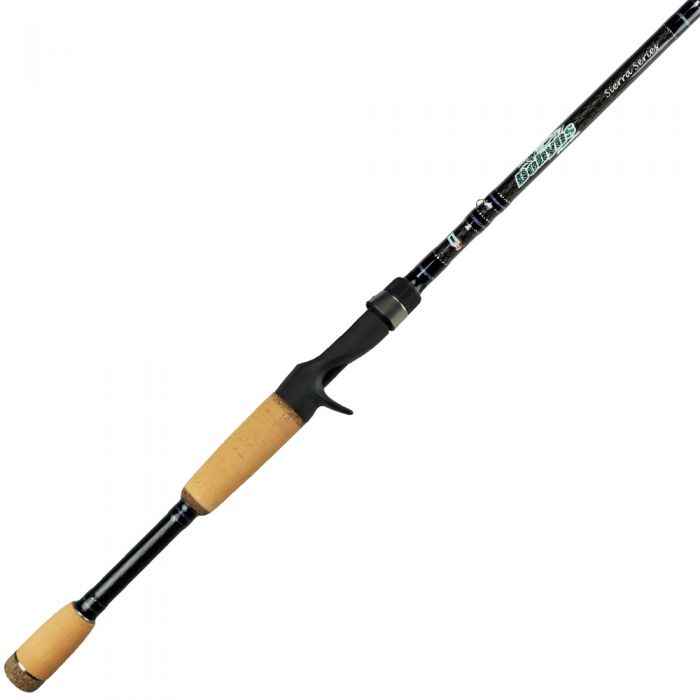
It looks pretty standard for a bass rod to me. At least compared a trout or panfish rod.
.png.04388f72a446c92dbe1ab1e7dbbe53c8.png)
-
A bass rod. The little trout rods are the ones that look like a toothpick. Japan typically uses "bfs" to delineate between a light or ultra light trout rod and bass rod. These rods also typically live within a family of normal bass rods. There will be "normal" powers as well as a bfs line with light and ultra light powers. Zodias, expride, benkai, days, rebellion and many many more bass rods all offer a L or UL or both in their Japanese versions it is so common. Not so much in the states but some bands are starting to offer bfs like rods too.
-
The bass pro "the egg" does the same thing when it floats up. It rolls as it floats the way a red eye wiggles on the fall.
-
It's not the carbon that will soften but whatever polymer makes up the bulk of the material and that's still of no concern. Its not going to deform at hot car temps or become weak from having been heated. The stuff was already molten once when it was made. It's just plastic with a ground carbon fiber power in it for extra strength over the base polymer.
-
The plastic ramp style is actually what the Daiwa sv and air reels use. The magZ reels use centrifugal weights to push out the rotor instead. Older magV needed the sloped spool edges to guide the rotor out when the centrifugal weights rode on the slope. Later magZ added some piece inside to guide the centrifugal weights and rotor out so the spools became flat bottomed. The Ray's spools use the same two ramps the sv spools use but have a thinner rotor that brakes less. Guys even swap those rotors on sv spools to "wake them up".
-
I'm not super familiar with the pixy reels but they have magV magZ and fixed rotor spools. The "normal" spool is a 31mm magV spool. I owned one for a while and it cast ok but not great by today's standards. The Ize finesse spool has a fixed rotor and people either love it or hate it depending on what camp you are in. My magV pixy felt choked off in distance compared to a modern mgl spool. It did pitch really well though. When it came to casting I had to turn the brakes down and cast softer. If I turned it up to cast harder for more distance it felt way choked off at the end of the cast. I was going to stretch the spring out to make it stiffer but sold it when the market was still strong on them.
-
Got a favorite? I fish 2 of the 4 and want to add more.
-
The impression I got from the SPR review was the it was a more impressive open water caster than the magV pixy but worse as a pitching reel. Odd tidbit: the SPR uses the same centrifugal brake found in the same era salt water jigging reels such as the arid red tune. Its like they took this braking system and said "let's try it in a pixy as a casting reel". My understanding of this brake is that is was originally intended to control the spool when the reel was in free spool and a bait is falling down.
-
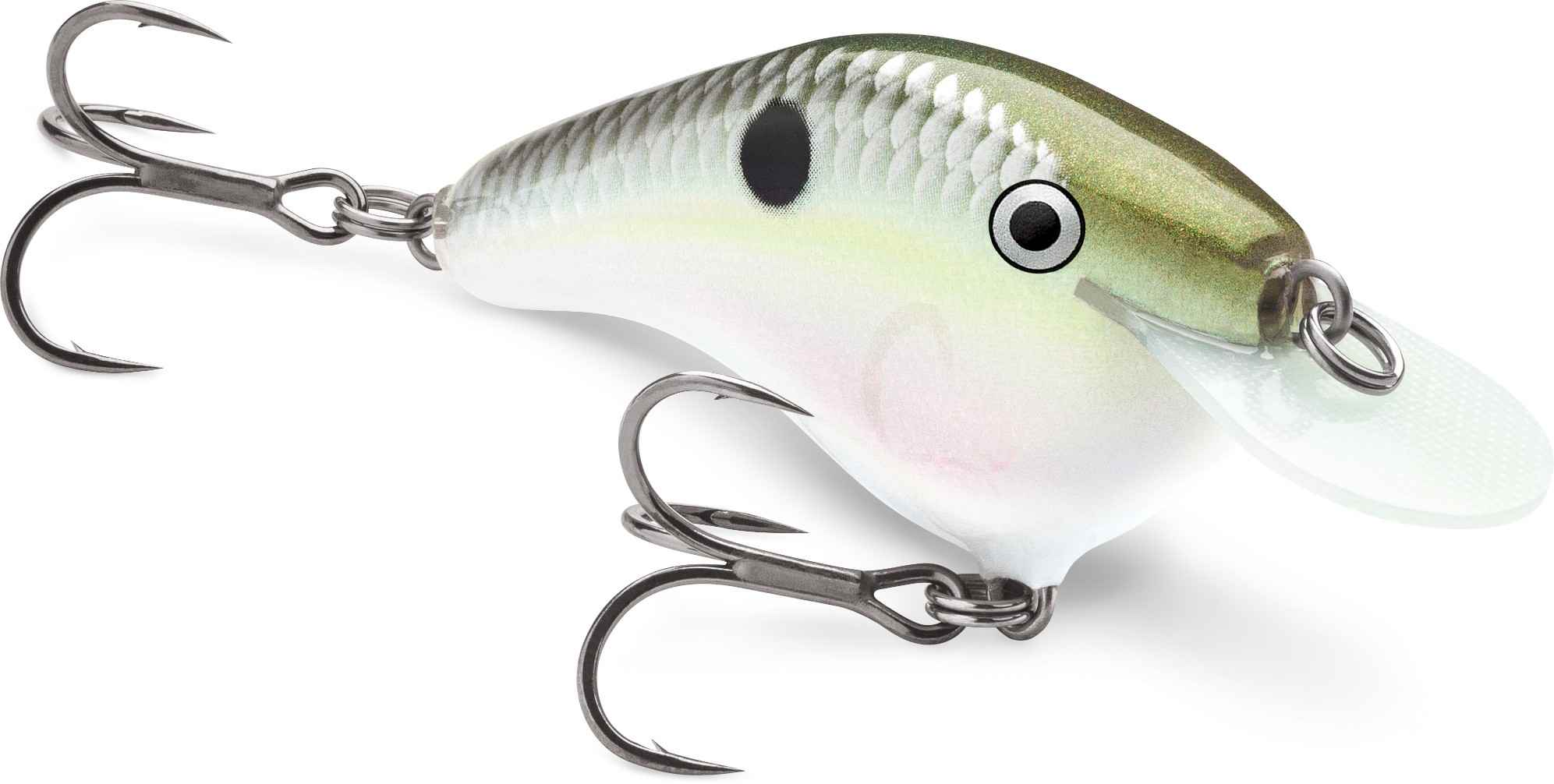
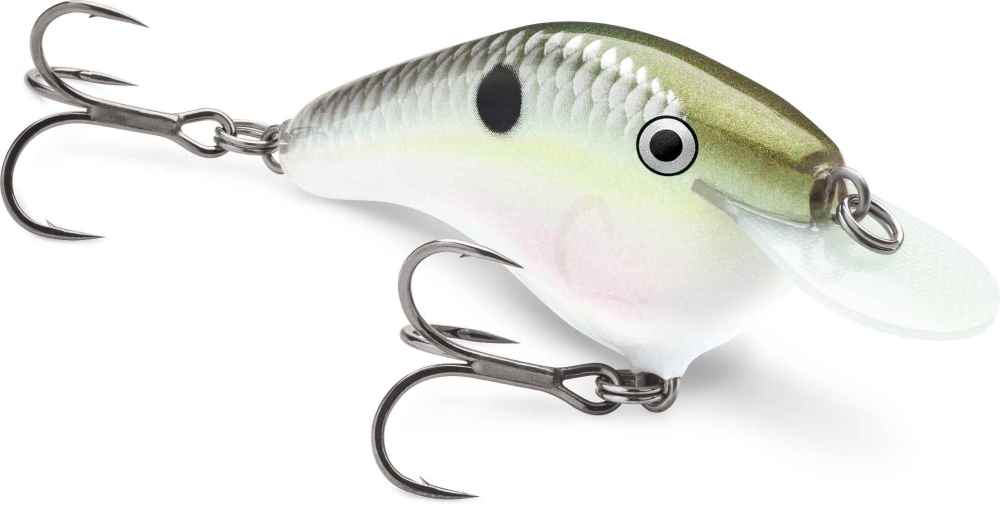
I like the og slim. I meant to pick up the chick magnet this spring but my local bass pro didn't have them. I'll have to get one for next spring. I like a thin circuit board lip on a flatside crank. It slices through the water better and helps the bait wiggle at slow retrieves. How fast do these rise when paused?
-
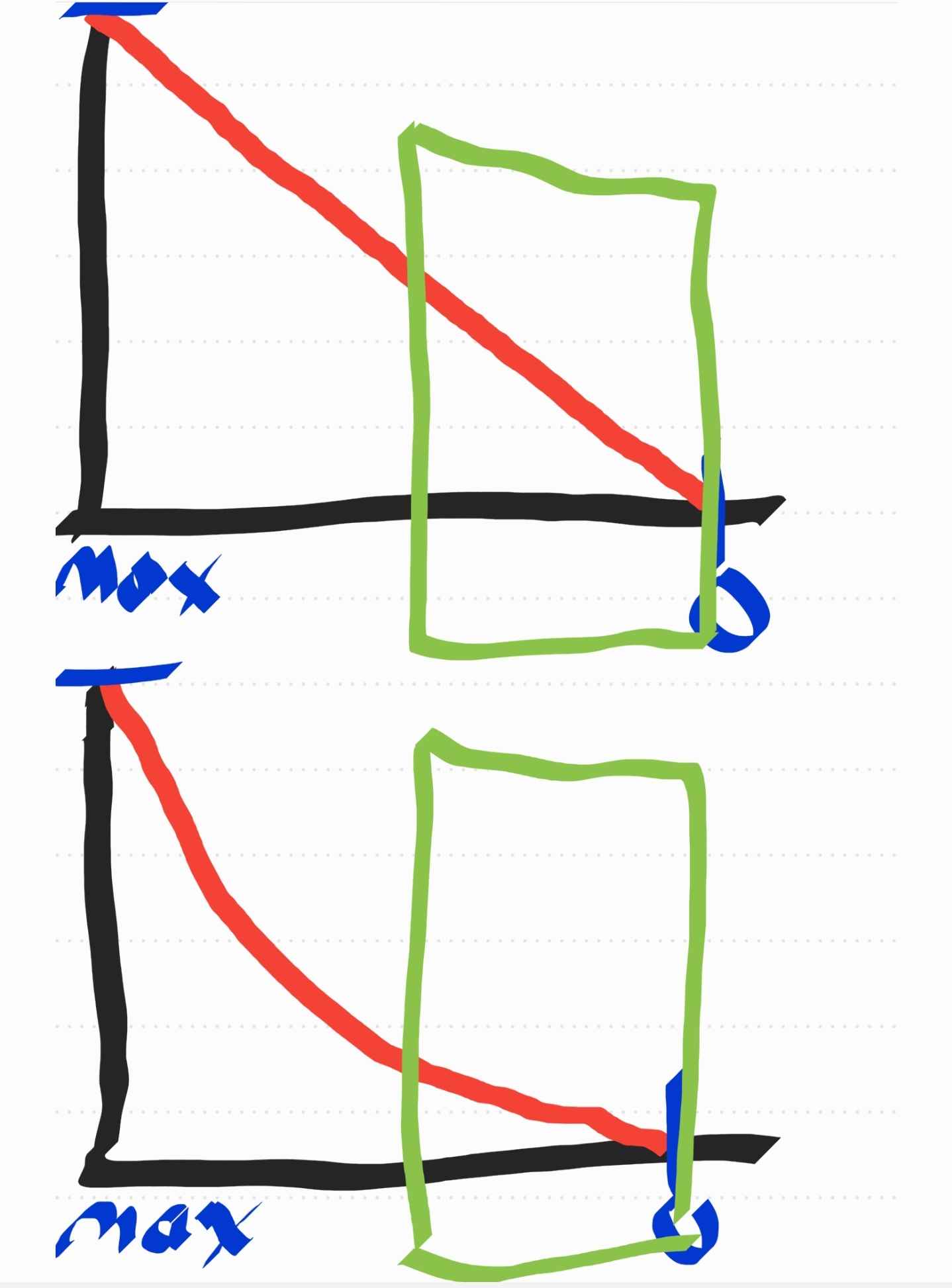
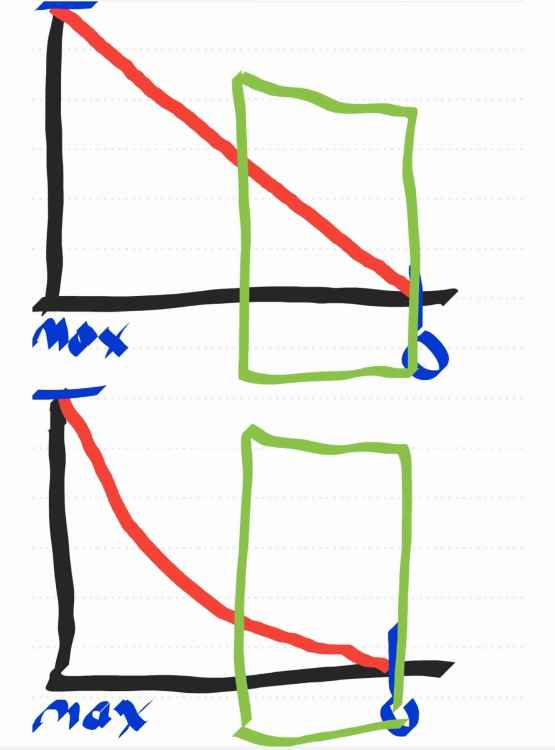
Eventually Correct. The linear slope with brake force over spool speed means that for a max brake force to prevent a backlash the brake force of a linear magnetic brake reel at the end of the cast at slower spool speeds will be braking more than a non linear centrifugal reel. This is how we quantify that "more free at the end of the cast" nature of centrifugal reels that everyone understands or has experienced. There used to be nice graphs on japan tackle that illustrated this. I can't find them so here are some horrible scribbles. This is a poor approximation of a linear and non linear braking profile. Y axis from top to bottom is the braking force needed to prevent a backlash and zero braking. The X axis for left to right is max spool speed achieved in the cast to zero spool speed on the right. This would be a snapshot of the spool as it archives peak braking and begins to slow as the bait sails away. The green box area is the portion of the cast where the bait is sailing away towards the water. You can see that there is more braking occurring in the linear magnetic braking profile than there is in the non linear. Both go to zero at the end but as they near the end the linear mag braking is braking more than the nonlinear. This is poor graphical representation of this floating or choked off feeling some complain about in linear magnetic reels and daiwa SV. This profile is not a bad thing. For UL baits its actually very good and why we see it used so often on bfs reels. I'd rather not have severely diminished braking at the end of the cast as my 1/16 oz snap bean hits a brick wall and slows. In this case a linear magnetic braking profile is very beneficial. This is where I disagree. I like my linears for situations where I feel there is insufficient braking occurring with my non linears. UL baits being one of those situations. For me a linear mag brake bfs spool will brake and control an UL bait my Ray's moving inductors will struggle with and overrun. We both see the merits of the linear mag brake for UL however we differ on why and that's fine. Once centrifugal forces diminish below a threshold no meaningful braking occurs on a centrifugal reel that has a competent brake. I own both. Trust me my centrifugals are more free at the end of my casts than any of my daiwas av, magZ, magV or linear magnetic. I can't speak to the old abus but modern centrifugal reels are pretty slick. On some reels there are even springs that pull the brakes off the race or on daiwa HLC spools the brake cup is so short that once seated against the spool it is essentially in free spool. Daiwa magforce 3d long cast mode behaves simarly. Anyone who owns an svs shimano and a black max can set up both to not overrun on a long cast with zero spool tension and then do a spool flick test to see which spins longer. 10/10 times that centrifugal shimano is going to spin longer because shortly after the flick the braking diminishes to negligible amounts where that linear magnetic brake on the abu is going to make some braking right down to the last revolution with a longer period of significant braking. The exceptions to this would be brakes with a high friction between the brakes and race but this is often addressed with lubrication to the brake race. Also before anyone suggests to just lower the magnetic setting to get the linear brake to match the non linear's end of cast braking ammount, you will find that due to the linear curve, this will also reduce the max braking needed to prevent a backlash. This is why when you used your black max or similar reel and turned the brakes down to make it more free at the end of the cast you probably got a backlash in the beginning of your cast as a result. It's just the way linears are. A lower brake setting with a smooth cast is the key to getting the most out of them and when paired to a light weight spool can be very effortless and rewarding to cast.
-
This is actually the argument centrifugal advocates make. That braking system will brake much more strongly at the beginning of a cast and much less strongly at the end of the cast than a linear magnetic reel. The linear magnetic will brake much more strongly at the end of the cast for the same peak braking needed to prevent backlash at the beginning of the cast making the cast seem choked off or that the bait "floats" in the air before hitting the water. The difference is a nonlinear curve in braking profile vs linear curve. It's that non linear "grab and then let go" nature of centrifugal that is what makes them so popular with anglers. Bass anglers in particular really whip their rods with a jerky cast when long casting baits on open water. Its this this same braking profile that makes them less than ideal for really light weight UL baits. There either isn't enough energy to get the centrifugal brakes to activate or if there is then the braking is really inconsistent and the baits slow rapidly making spool control difficult. Different braking systems for different applications. I like linear magnetic for sub 1/4 oz and target casting heavier baits. I just like the smooth, effortless and consistent casting that profile offers. Sv and magZ for all around. For distance I like centrifugal and stiff spring magZ spools that grab and let go to be very free at the end of the cast. 2 oz on a Ray's spool? I doesn't have the capacity does it? Mine are empty with 3/8 oz but I'm throwing 20# braid.
-
So your Ray's non linear spool beats out the fixed inductor spool in distance with heavier baits. Makes sense and is consistent with what others report as well. I do think the brake cup will activate on a cast even with 3 grams. You can flick those spools without line and see the two ramps separate. If it will move on a spool flick then it will move on a cast unless that cast is super low energy. I've had a few of those Ray's spools. I like them for over 1/8 oz and up to 3/8 max. Beyond 3/8 oz I'm spooling them of line on the cast. I like the way they cast and actually have one of the brake cups on order to swap over to a tatula sv spool to free it up I like the way the Ray's cast so much.
-
I find that my linear magnetic spools cast shorter than my non linear because if I distance cast "with a jerk" the magnetics will over brake at the end of the cast. I cast without the jerk in a smooth cast with lower magnetic settings but it doesn't go any further. It just goes the same distance with less effort. When I jerk cast on my centrifugal I get considerably more distance. This is with heaver 1/4 oz and up baits. I do prefer the smooth and consistent braking of linear magnetic with under 1/4 oz though. I wonder how much of your preference for magnetic reels is due to using really long salt rods and associated casting techniques? With a 7' bass rod i think a snapping "jerk cast" is a necessity for max distance and is the norm. I don't think bass guys are doing to be doing surf style casting or spiral casting with your average bass rod. I did a spiral throw once on a 7'6" rod I had with a magnetic reel and it actually did really well for distance. I remember trying a normal (jerk cast) cast and that long rod did not like it so I can definitely see where you are coming from with a preference for linear magnetic reels paired to long rods.
-
Yes but some baits like the really UL trout stuff don't cast well and slow very quickly which can be difficult to control with a centrifugal spool. Ever wad up a sheet of paper into a tight ball and throw it as hard as you can? It'll move fast for a bit when hit a wall and float down. The heavier bfs baits like ned rigs cast like little darts and are fine with centrifugal spools. It seems like once you step down to the trout world is where magnetics are most common with the lightest avil spools requiring magnetic conversion in shimano reels and shimano making later aldes a non linear magnetic. For bass use centrifugal is just fine and I actually prefer it unless I am skipping.
-
I jammed my finger tip between the drag star and handle anf then reeled my finger I between the two on a hookset. The misfortune of short knobs.
-
I don't remember the last time I shopped at that place. Its been that long. I'm supporting my local bass pro/cabelas or ordering weird Japanese baits online.
-
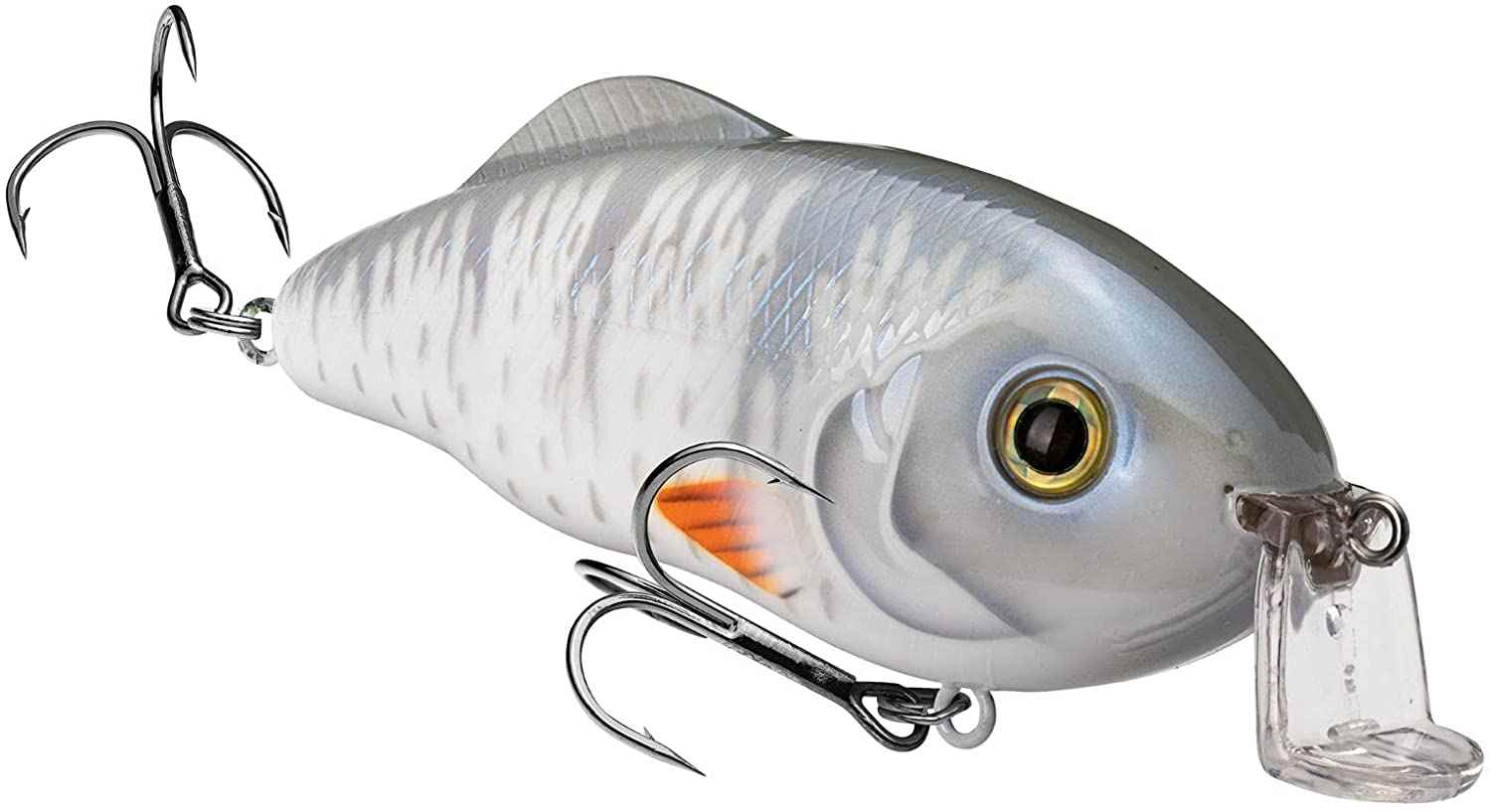
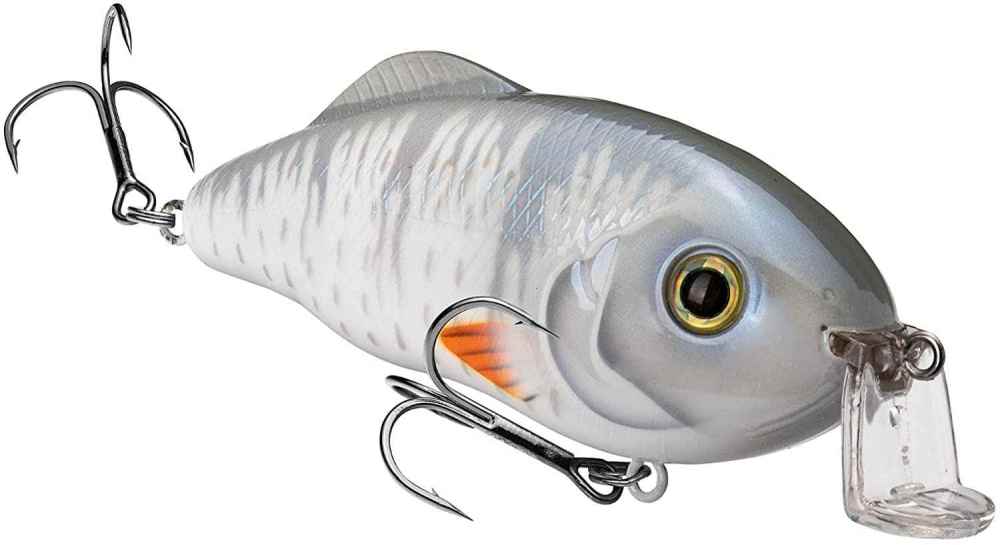
I know there is the bass pro one but would an L bill shad rap behave the same? I think at some point someone was throwing an L bill lure, discovered that it came through weeds well and decided to make the strike king hybrid hunter. These have an erratic action where they will veer off once they touch a weed and then return to true. Its like a hunting bait but has got to touch grass to do it. Very cool baits that get bit a lot. I'm a big fan of both the strike king and bass pro baits with a slight preference for the bass pro bait. Anyone fish these and the shallow shad raps over weeds? I like the options for a balsa, plastic, jointed or 5" super size shallow shad rap. If it wasn't the shallow shad rap, then what did start this L bill and weed discovery?
.jpg.7c4bcbf00b32d2ba5c46404c0a1436ad.jpg)
.jpeg.6c9407c3c714f3af552715106374ccfd.jpeg)
-
They have a carbon fiber ring separating the two pieces of cork. I'm guessing it gets a pass because the "no full cork" requirement is there to filter out old fashioned looking rods and the Orochi are far from that despite being full cork. Just my guess.
-
Megabass valkaryie in mh or h. It's a 60% graphite 40% glass mixed material. Fishes like a mod fast graphite rod and turns to butter once a fish is on. People who know a lot more about what makes for a good bladed jig rod than me have been raving about it and I finally caved and got one. I fished it for the 1st time the other day and I am in love. What a rod. Its not like a glass stick at all until you hook a fish then it acts like it has a 2nd hidden action and become more moderate.
-
Cheap safety scissors. They shear braid like "braid scissors" but are cheaper.
-
Back the spool tension off. Set it for zero spool tension and never touch it again.
-
If you fished the bait you would remember it based on his description. I figured it out but I also used to fish them a lot years ago.
-
7:1
-
Have you looked at any of the Japanese seabass rods? I know more than a few have 8-9 foot light and ml casting rods. You'd have the reference the bait range to see if any would be a good fit. Major craft crostage comes to mind. They have a seabass crostage "LL" for 5-20 grams.
-
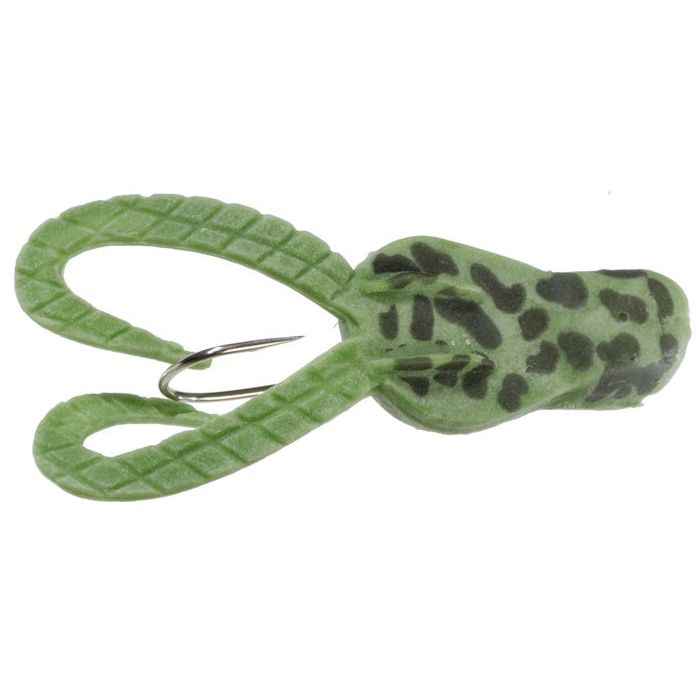
Strike king grass popping frog? I used to catch a lot on it like 20 years ago. It was the only popping type frog at the time I could find. I used to pop it in duck weed and caught a lot of bass. Theh are very light weight and react with soft plastics. They're made from a squishy floating solid rubber material.