MassBass
Members
-
Joined
-
Last visited
Everything posted by MassBass
-
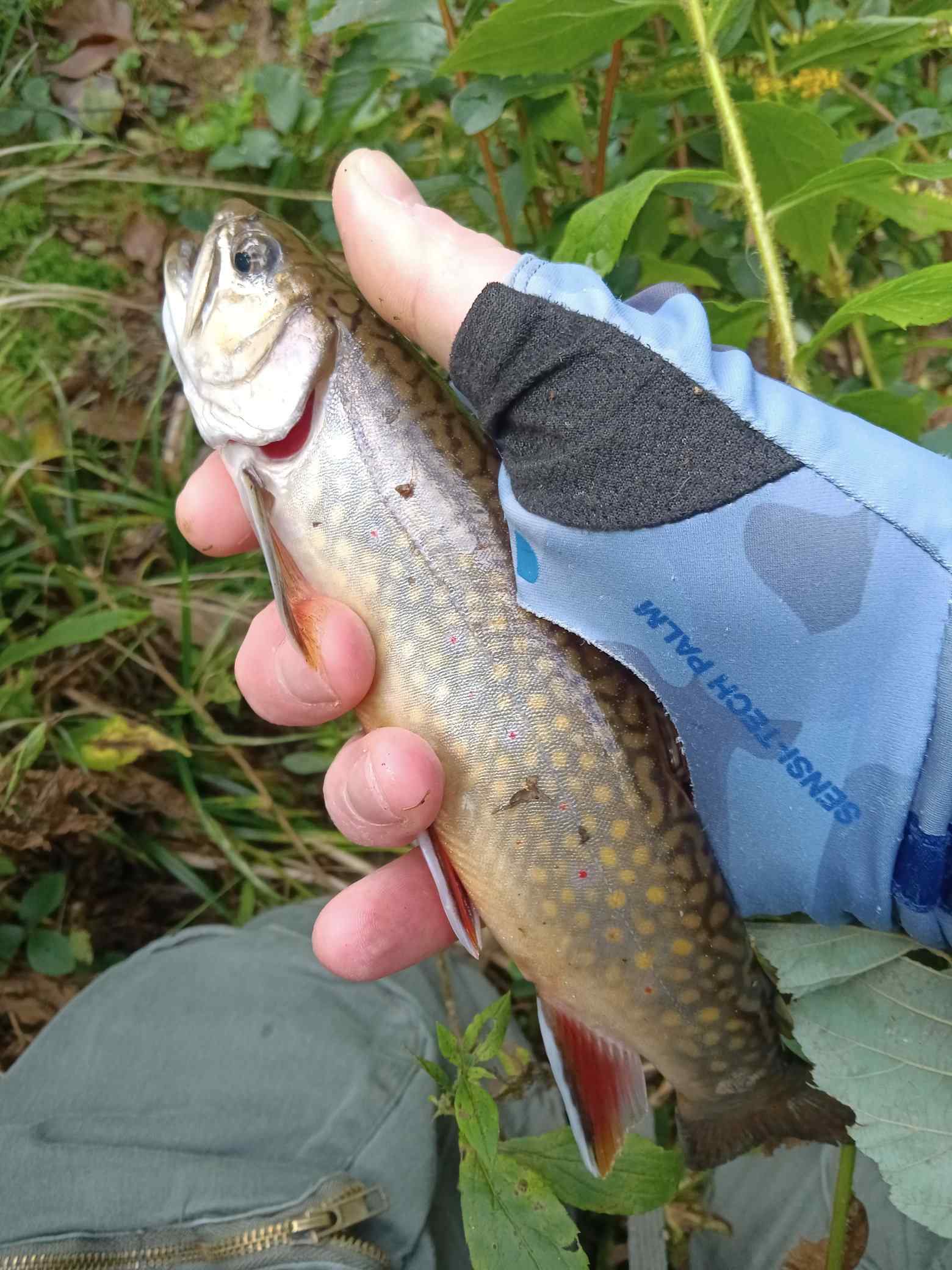
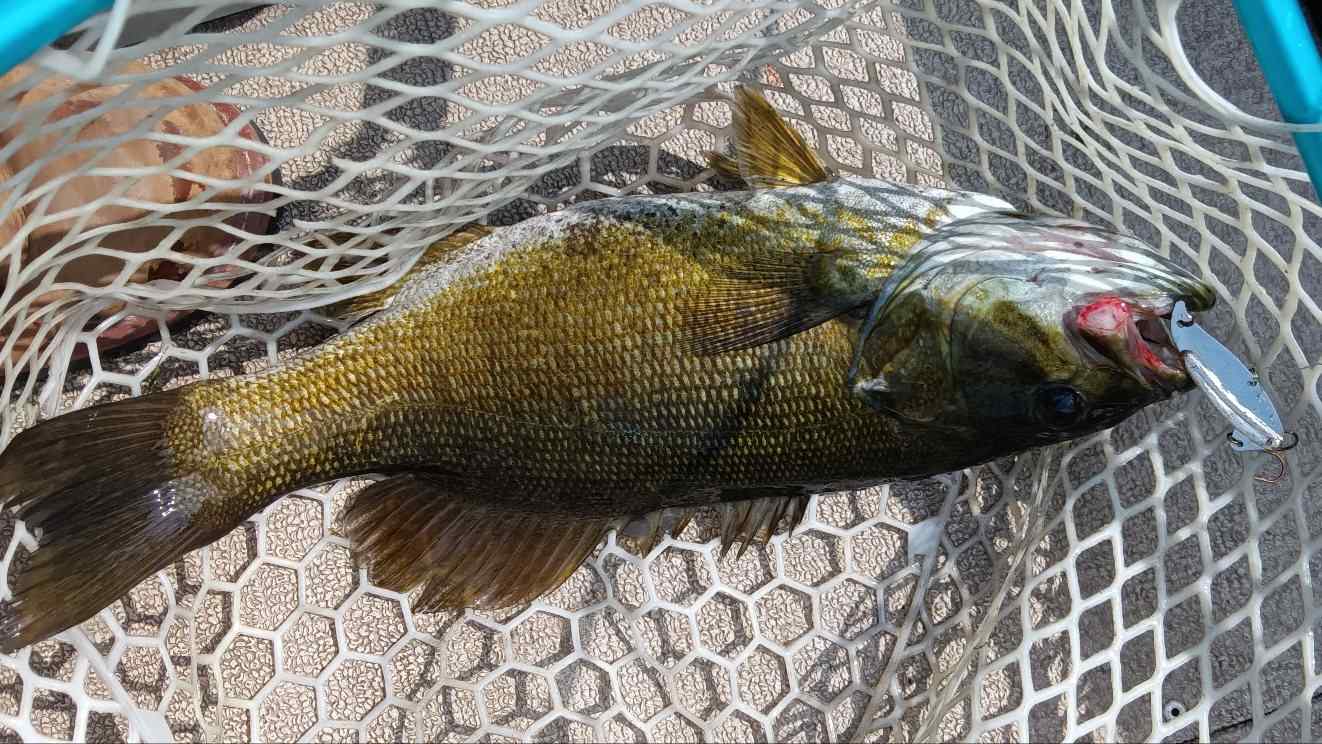
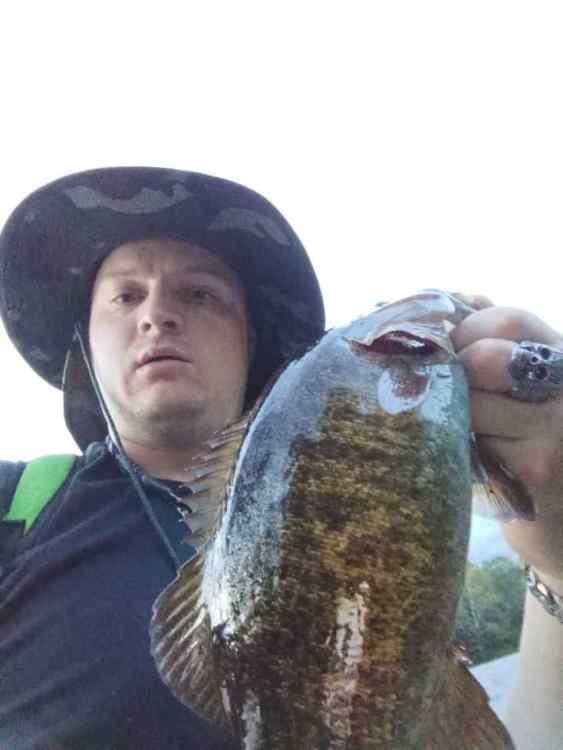
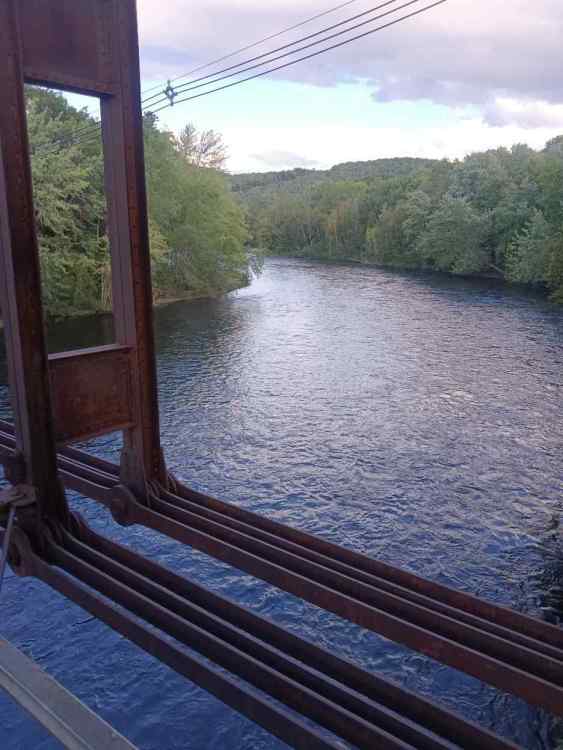
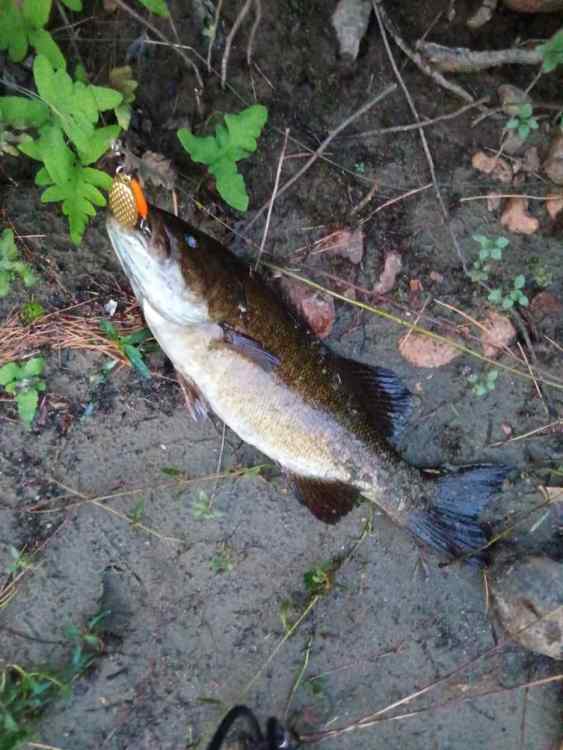
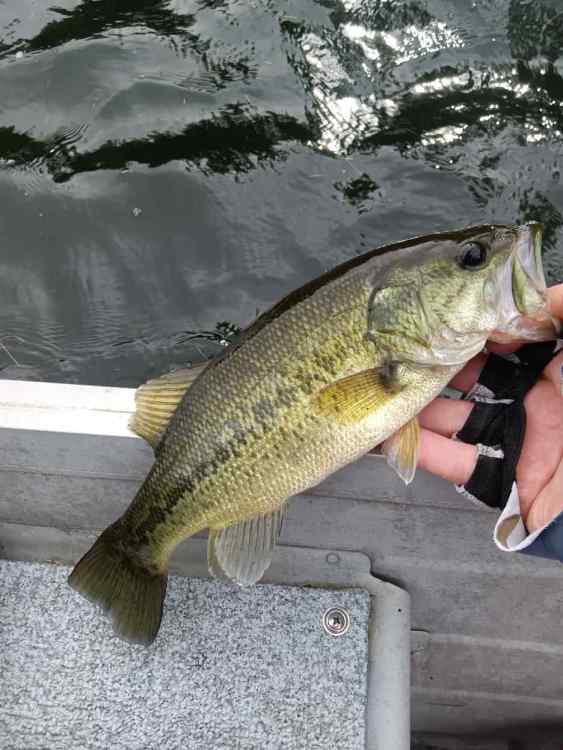
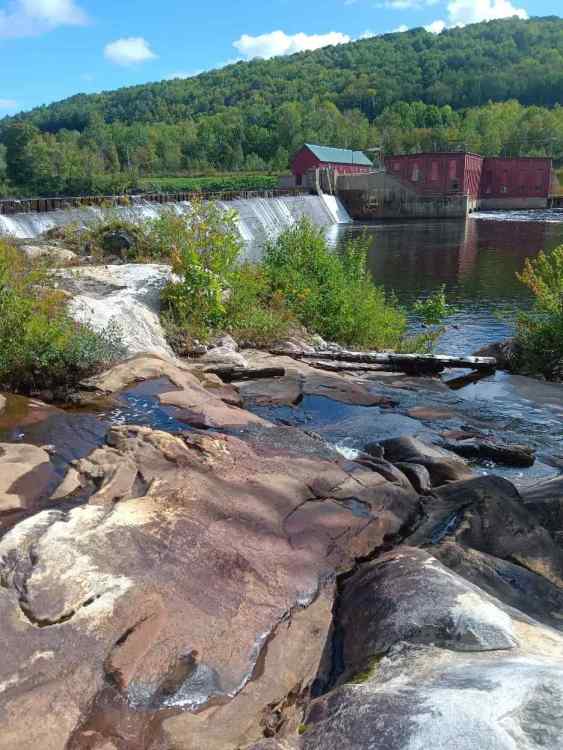
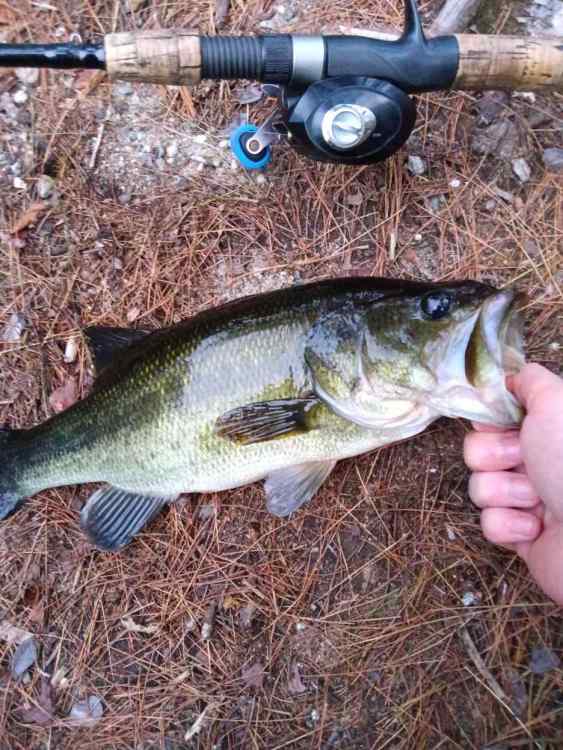
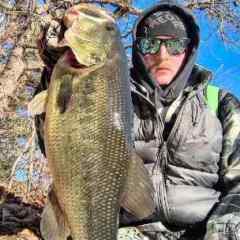
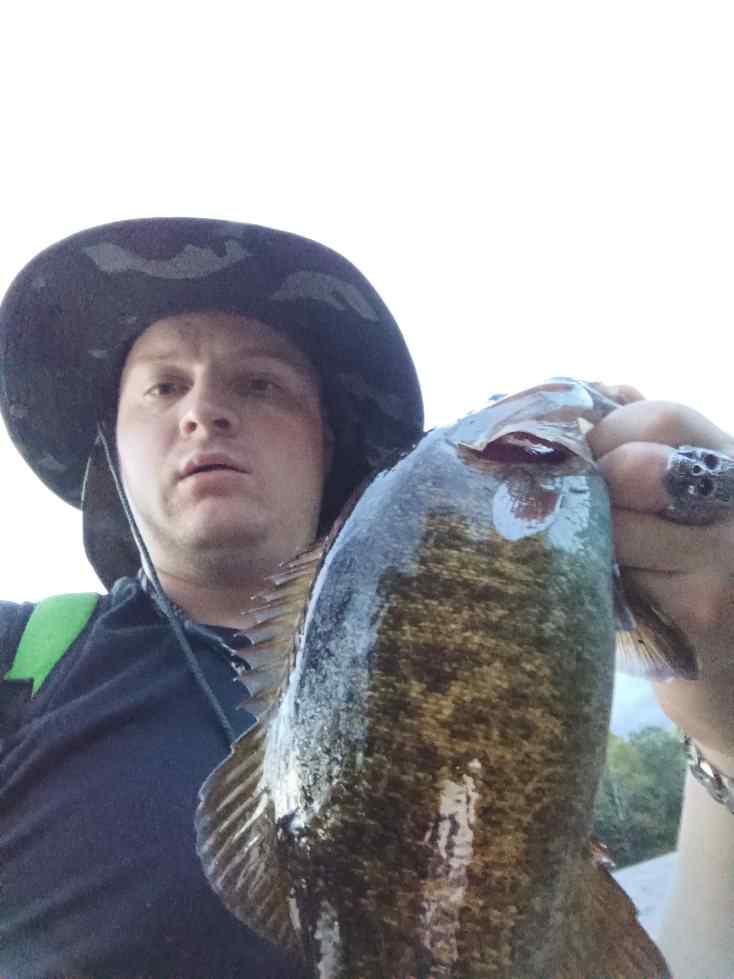
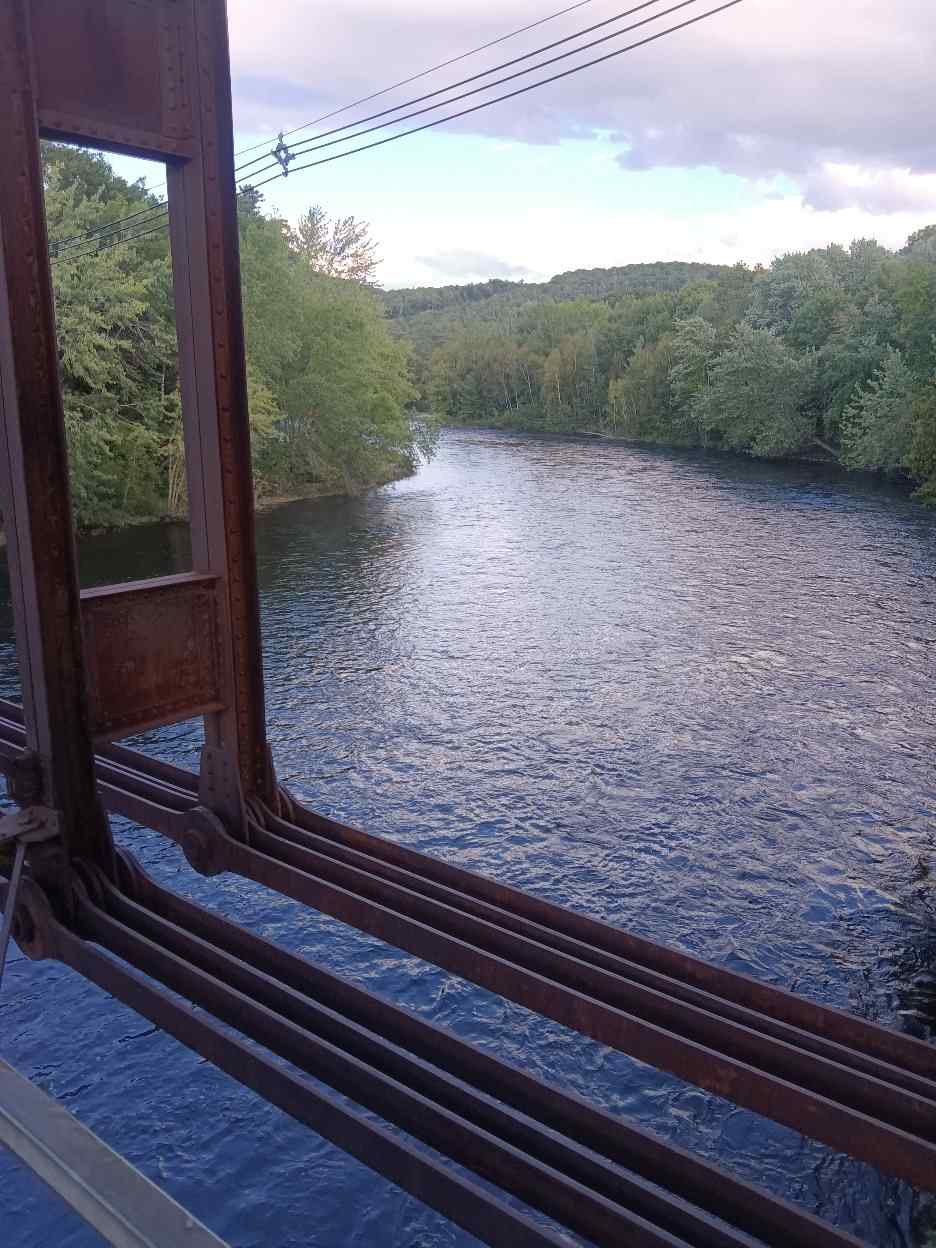
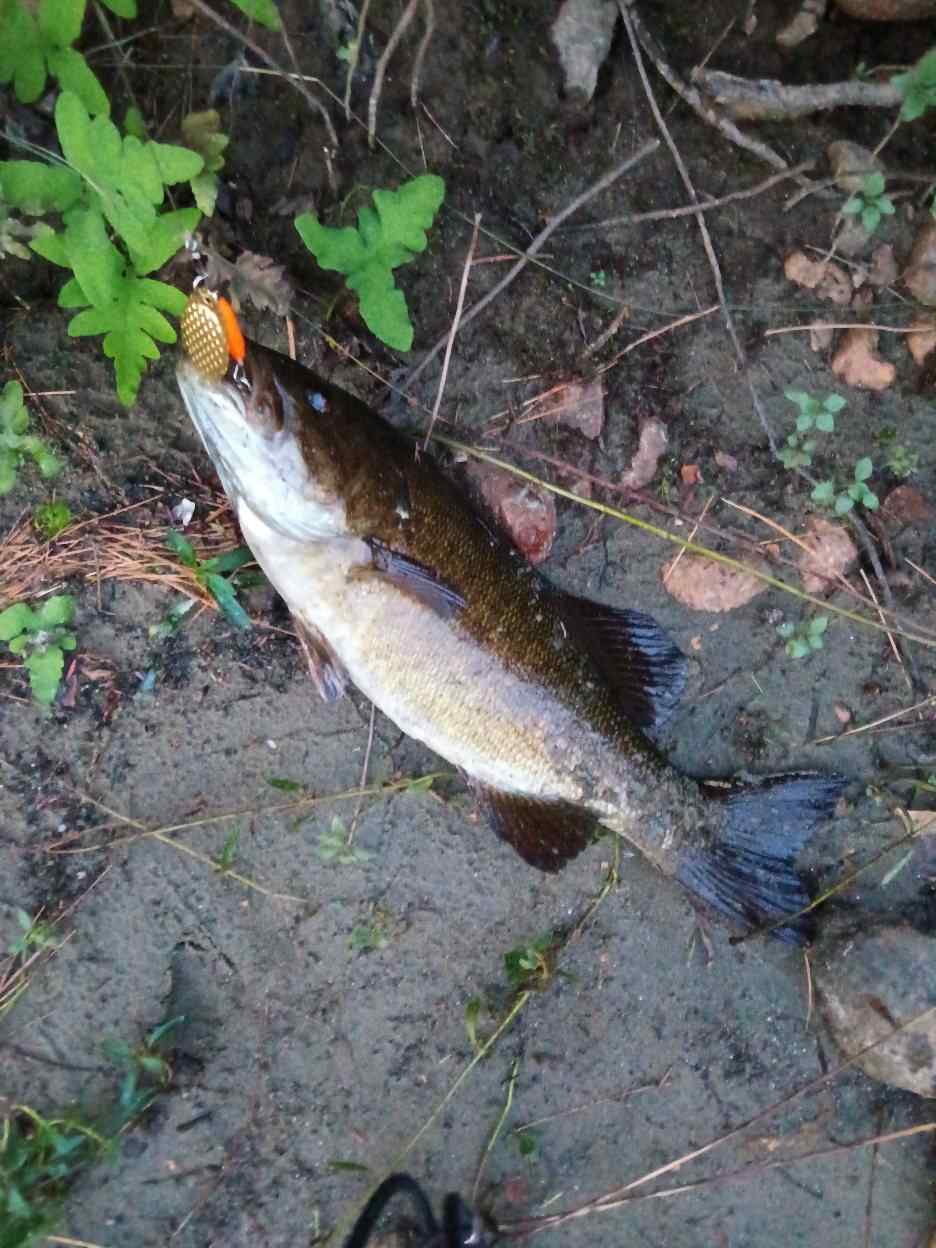
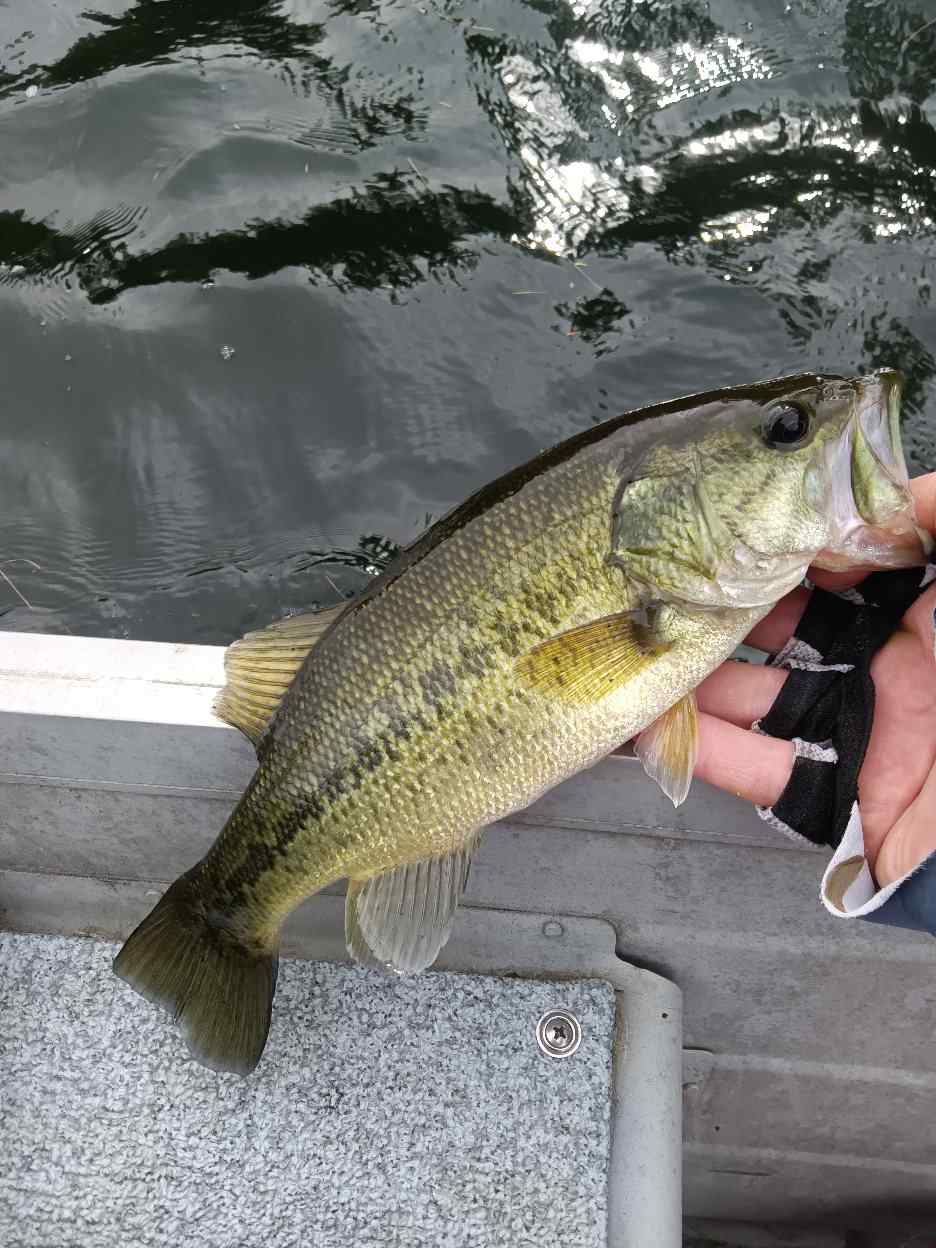
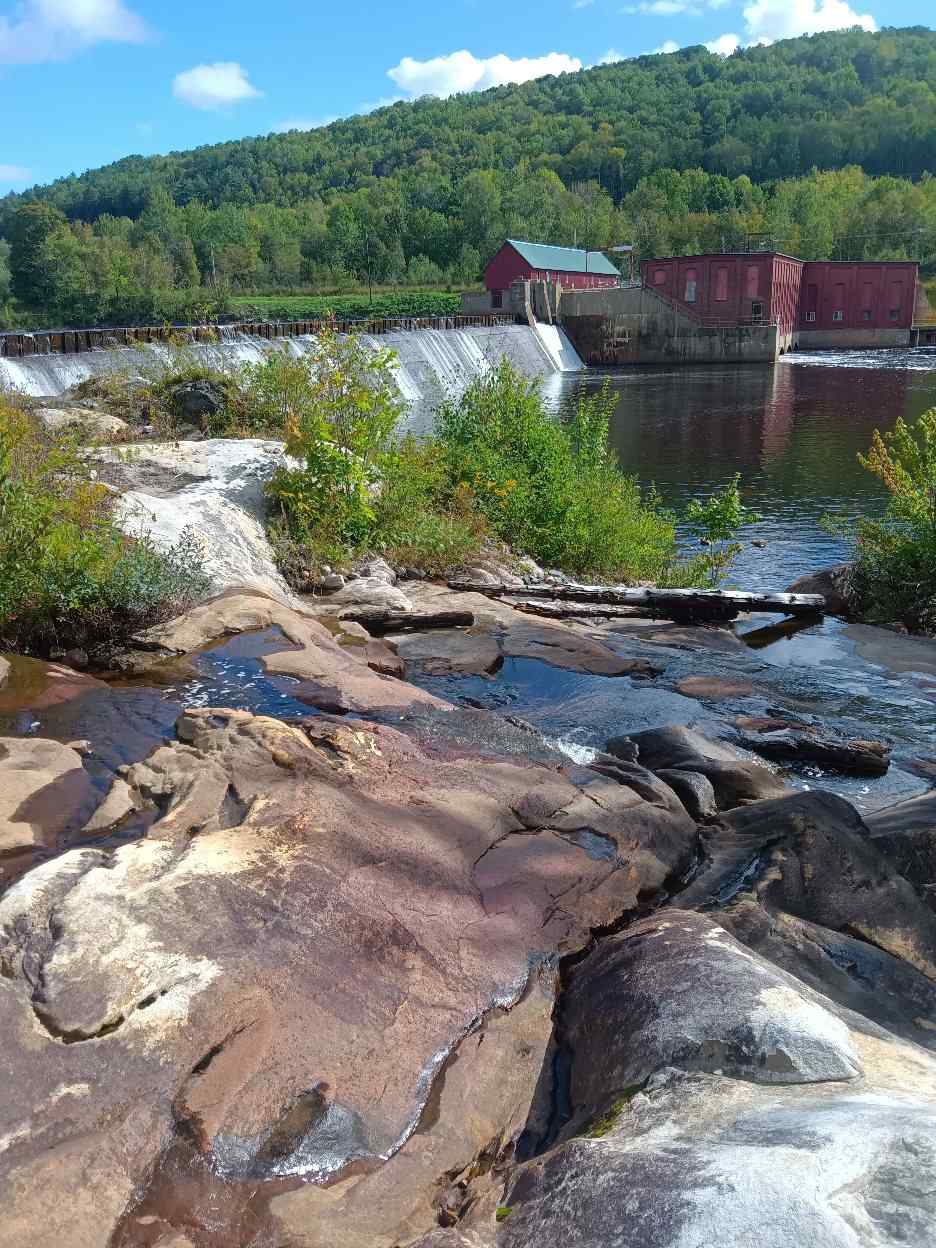
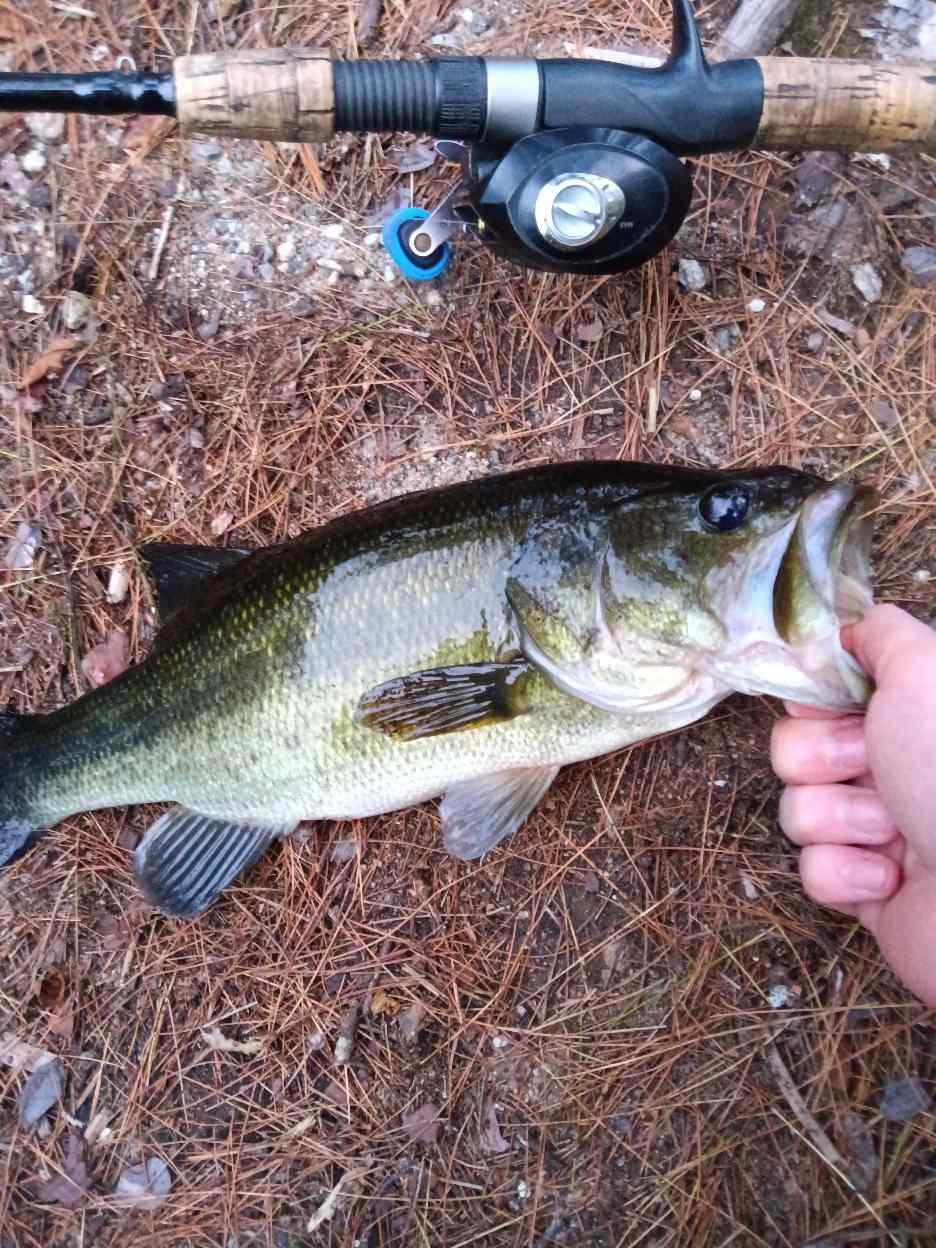
Further north from The Saco river, through the White Mountain National park, I came upon a village where I would make my lodging. Behind the hotel, a cut of the river flowed past high and mighty. I took a couple casts, but the current seemed so fast here, ripping the whole way down with few features. I set off the next morning on my first honest attempt, pulled into an old picnic area up river, but was unimpressed with the water, and the land was marshy. Something one should know about the mighty Androscoggin, there are many, many dams and hydroelectric facilities in both ME and NH. Sometimes three dams or more in a short stretch of river. One can only imagine the power of the river, and the strong runs of fishes, in a time before all the dams. Further upriver from the stagnant picnic area I found a little park near a dam. Being a weekday in September, no one was here, but out on the rocks near the dam overflows there was evidence of fishing waste. The shore was conducive to ratting, however with the terrain of awkward and obtuse boulders unique to New Hampshire. A bit downstream I found a small brook that opened into a shallow flat of the main river. Here I would catch two brook trout, which made the day, and probably made me into more of a trout angler. I would try more downstream, but not much to show until the walk back where I caught some small smallmouth. Later that day I went back to the edge of town where I saw a parking lot for a hiking trailhead. It already seemed late in the day and I didn't know how long I would last. It was a stretch unobstructed by dams, and the current was ripping fast. I was rather surprised to catch a micro smallmouth right away, enough to tell me that there are fish in this intimidating current. I crossed, lost a fish that looked like a herring, interesting, and then started getting some scrappy smallmouth. I decided to venture downstream from here. The September sun in the north country casted a dark shadow over the woods. A solitary tent stood in the thickets, quiet, dark. The bush was thick and the bank was steep. I found a good spot to cast, and I was getting smallies almost every cast, including a very big fallfish that was to crazy to get a picture of. I think it was the current- these fish were wired. The next spot I came upon was like an old-school, backwoods bonanza. There was a big hydroplant on a small tributary, setting up a long isolated pool that at its end connected to the main river with it's furious current. Near this point the current was forming a whirlpool, and the action was fast and furious. They would let the bait get up near the bank- then decide to smash it. Smallmouth, with a fallfish and a big river pickerel that jumped off mixed in. Dozens of smallmouth, they were not giant but big enough for good sport. This was with a spinner, now it was getting dark and I wanted to try a topwater to maybe draw a big bite. I put a popper on, and the action was silent. Not a bite. This was curious and despite the epic action, left me thinking. As a stranger out in the dark backwoods, I had to get back to the trail and out of there. On a cloudy morning with a distant hurricane swirling, I set off to meet my buddy to fish a lake in Maine, where we had great success a time before. The lake is a water supply, and half the lake is closed off by a line of spaced out buoys. You wouldn't believe this. The first time we were there, when we caught a near 4lb sm, 4 and 5 lb LM, and lost a couple big sm, we had unknowingly drifted into the forbidden zone. ALL the big bites were in the forbidden zone. So this day, if we were going to break the law, we would be knowingly breaking the law, which felt different morally. So we stayed on the legal side of the pond, and I caught about 20 dinks on a spinner. My comrade who uses big baits blanked. It's like all the big fish in the lake are positioned in the forbidden zone, and they don't see lures. I knew the first time we were there it just seemed too good. They were untouched lake bass. On the way back to my lodging, I stopped by a park near a swampy place, where I hoped to have easy luck for some chain pickerel. On a few casts I ended up pulling a real nice largemouth. I drove off into the low sunset, along the dark waters of the mighty Androscoggin, an uncharted stretch where many mysteries might swim.
.thumb.jpg.8881c49c13f68efbfa679fa580437e60.jpg)
-
I want to make a more thorough write up if my recent time in the north country, and post some bass pics. There is a place somewhere between NH and Maine where the river runs brown with smallmouth.
-
If the state stocks something, then you can say yeah, it was introduced. Like European (Common) carp. It is not even originally from Europe, it was native only to Asia but was widespread in Europe by the time of classical Greece. This fish was stocked by the US government as a food source during the Great Depression, never caught on as table fare but did a thorough job rooting up everything in the rivers and probably totally and permanently changing the system. So who is the guy that stocked a foundational sized population of Pike in the Columbia river basin, or did it in the Alaskan bush, or even did it up in Maine. Did they ever catch him, anyone ever come forward and claim their fame?
-
I don't think it's always bad actors spreading fish, what if fish have ways of spreading on their own, through high water events and floods, travel through brackish or even salt water, birds, fish just migrating on their own? For example Northern Pike. Who is to say it is all these bad actors, 'bucket biologists' spreading Pike, when really in most cases it just seems to be an expansion of its natural range? Systems change, climate changes, maybe some expansions or contractions of species is natural. For example brook trout. A close relative of the Arctic Char, they need cold, clear water. If the climate changes this species will naturally contract, and a more warm water specie like smallmouth bass will quickly fill the habitat if given a chance.
-
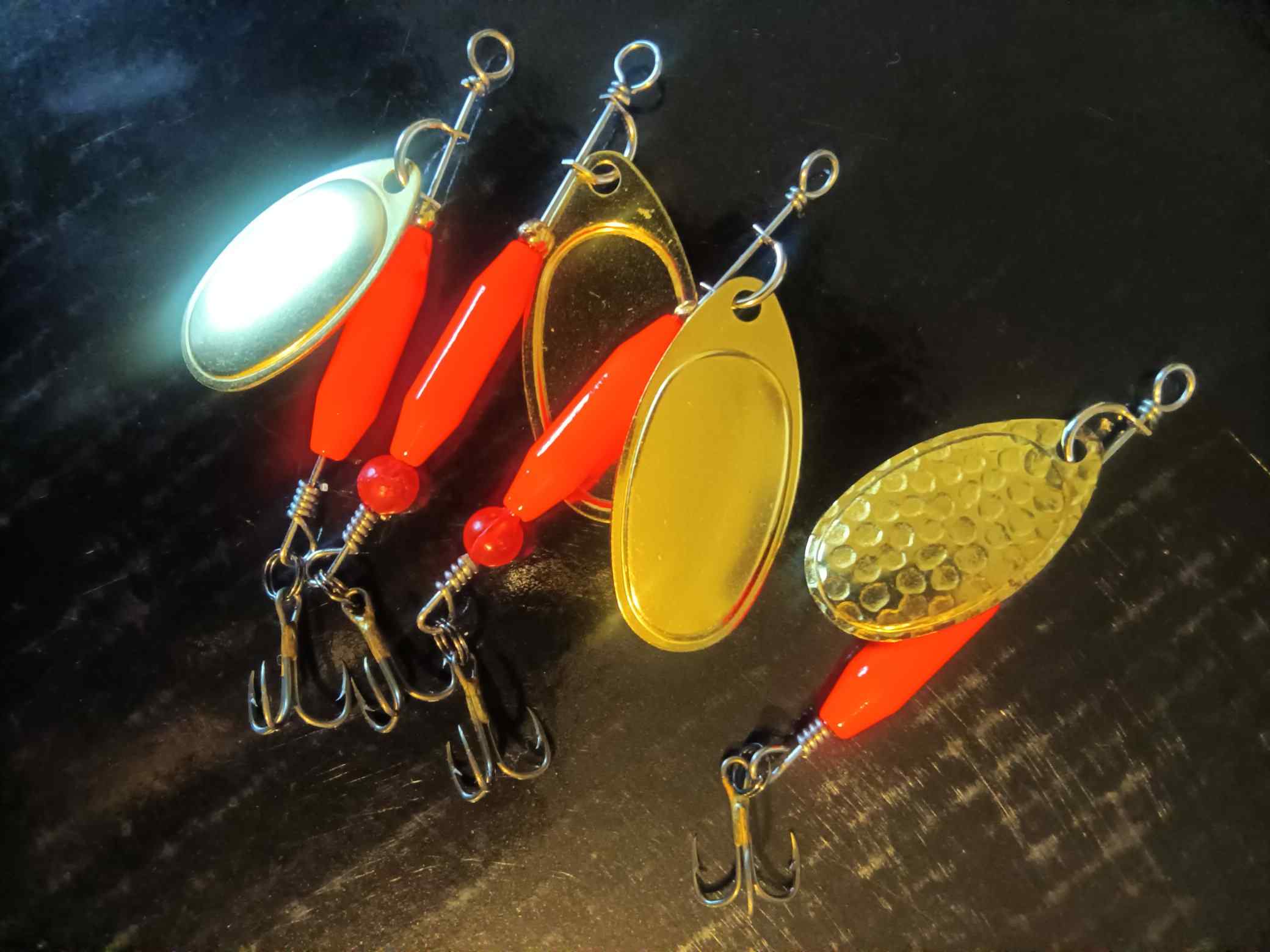
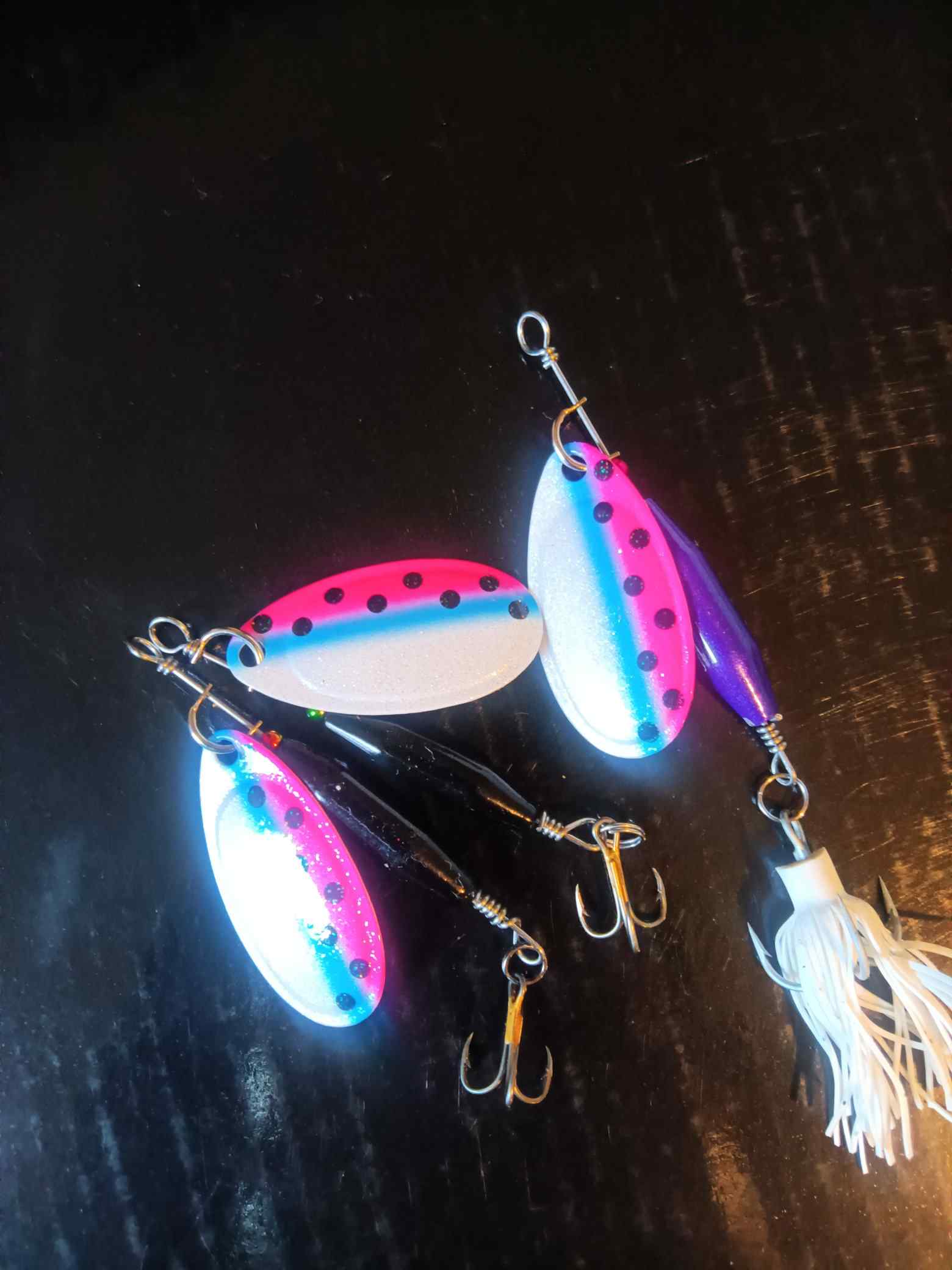
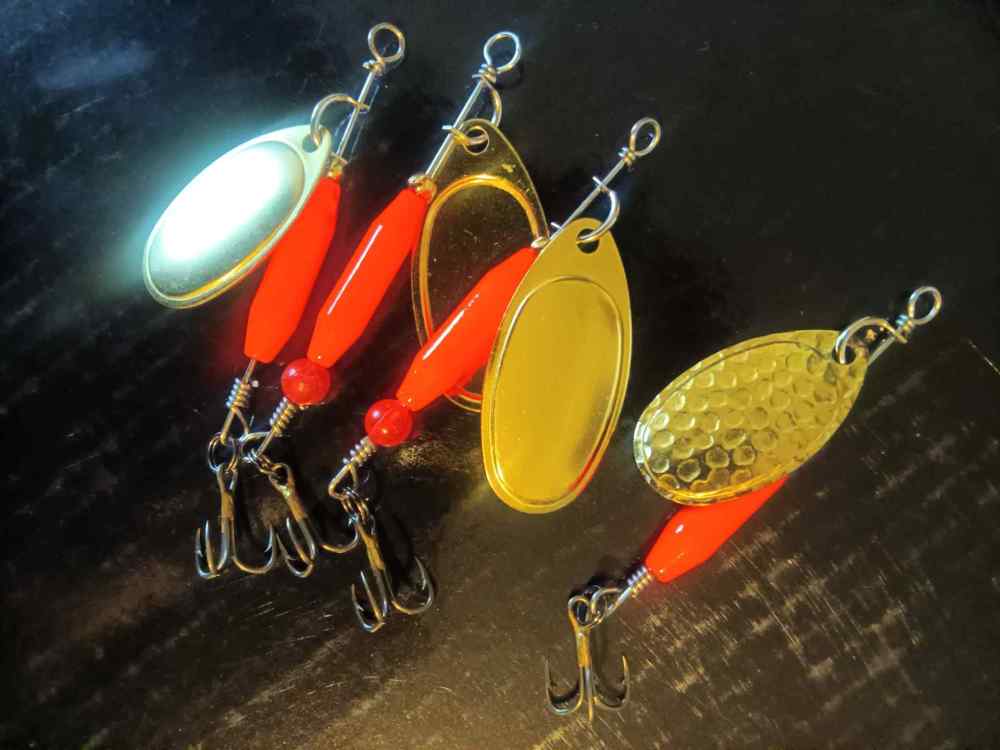
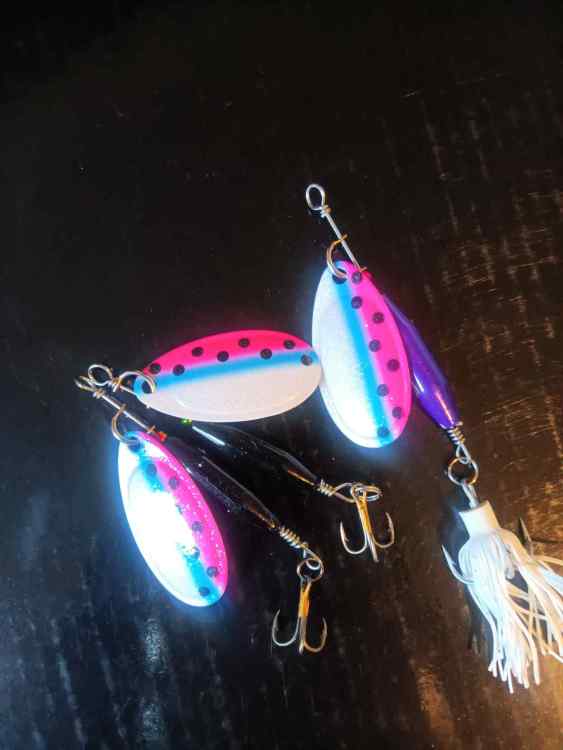
I believe it is called 'cowgirl' style. I built some myself but they had a sticky start up on the retrieve. Maybe I will try your idea. Here is a couple proven patterns I made more of recently.
-
Maybe this a sign your success with musky has become a holy endeavor, of biblical proportions. If I were you I would gear up for the next state record.
-
What kind of clevis is that?
-
Fair weather fishermen don’t catch fish. Overcast with a cold drizzle pushed by a slight wind; conditions were perfect. We motored out into the lake. Largemouth were biting, hitting topwater baits in shallow water, with a preference for spots that had a combination of stumps, weeds, and main lake proximity. We came up with an idea to troll up to the other end of the lake to find similar shallow habitat. I was trolling a floating rattlebait, which rides close to the surface, despite the depth being 15ft or more. Some average bass were caught on the troll, and then it hit. Like every story of a true giant, they first think their bait is snagged on the bottom. There's no way to snag this lure out here. I could feel the tail beat- it’s a fish! I knew it was a fish, but I could not bring it in. The captain motored over near it, with net in hand, it was something huge just staying on the bottom. With my fighting angle now right over the fish, I muscled it, and the 20lb test fluorocarbon leader broke like cheap floss. The mainline was lighter than that, but the leader had broke on a fray. Soon after a big mass of weeds floated to the surface. A giant pike, maybe, had taken the lure and buried into the weeds like an anchor. Suddenly the lake seemed bigger, we like mere humans upon a dark sea, where surely there be monsters below. As the cold front stalled we motored off into the calm.
-
I have a tale of woe of some great fish that got away, something huge, it was a legendary experience will not be forgotten. In a lake with Pike in central Maine
-
Welcome. I have two round made in Sweden Abu. There is plenty of Northern Pike on this side of the Atlantic to
-
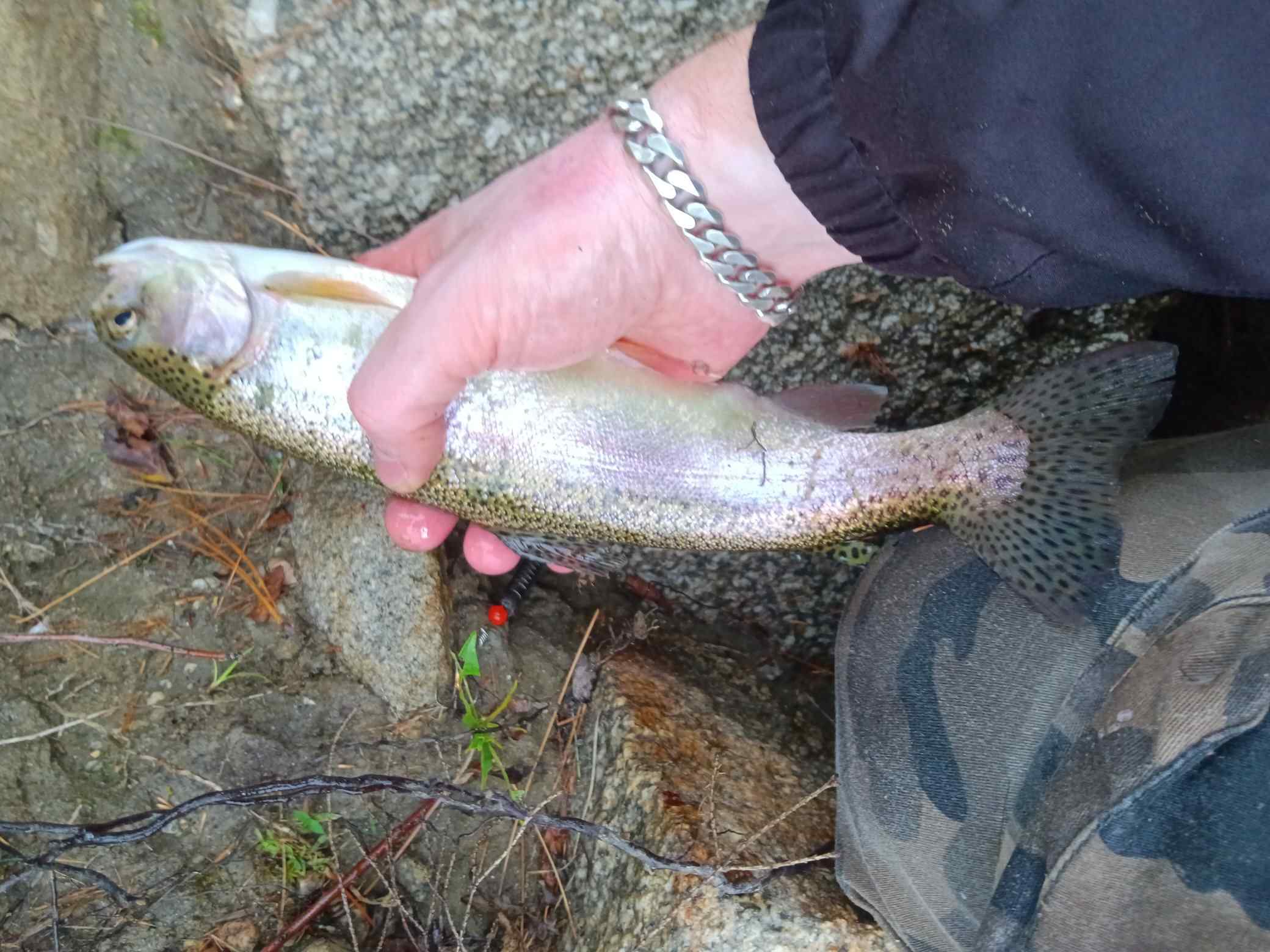
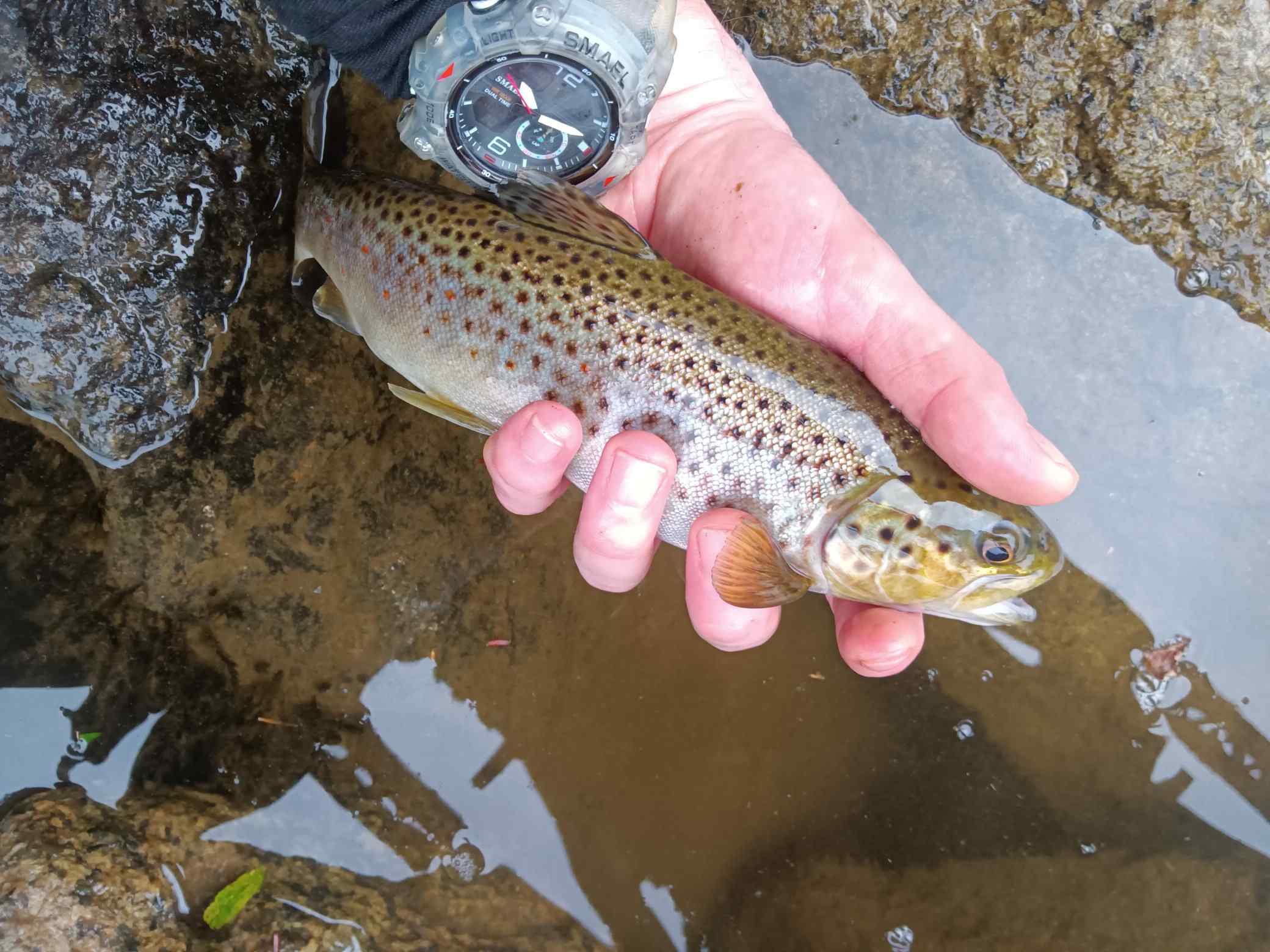
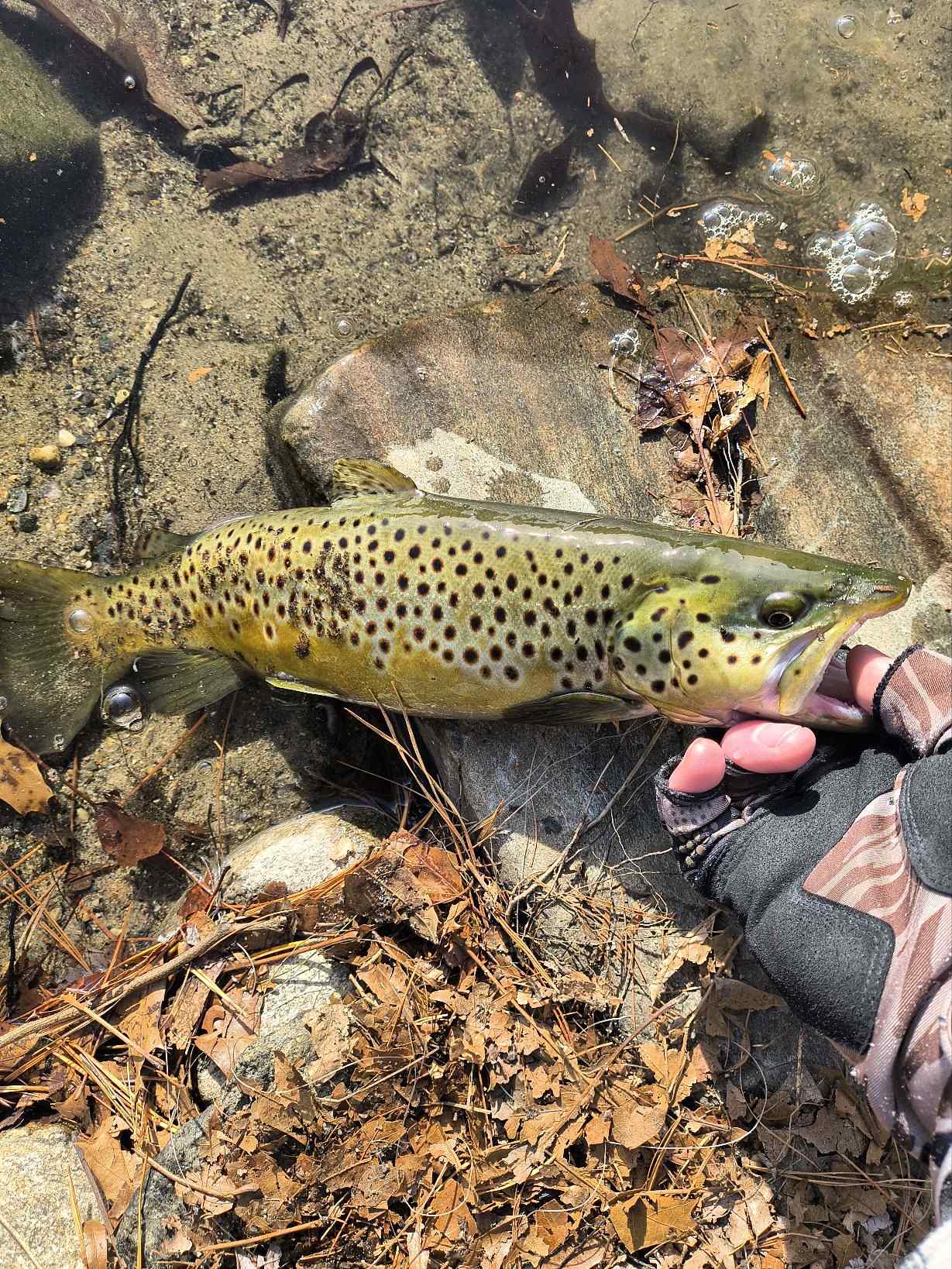
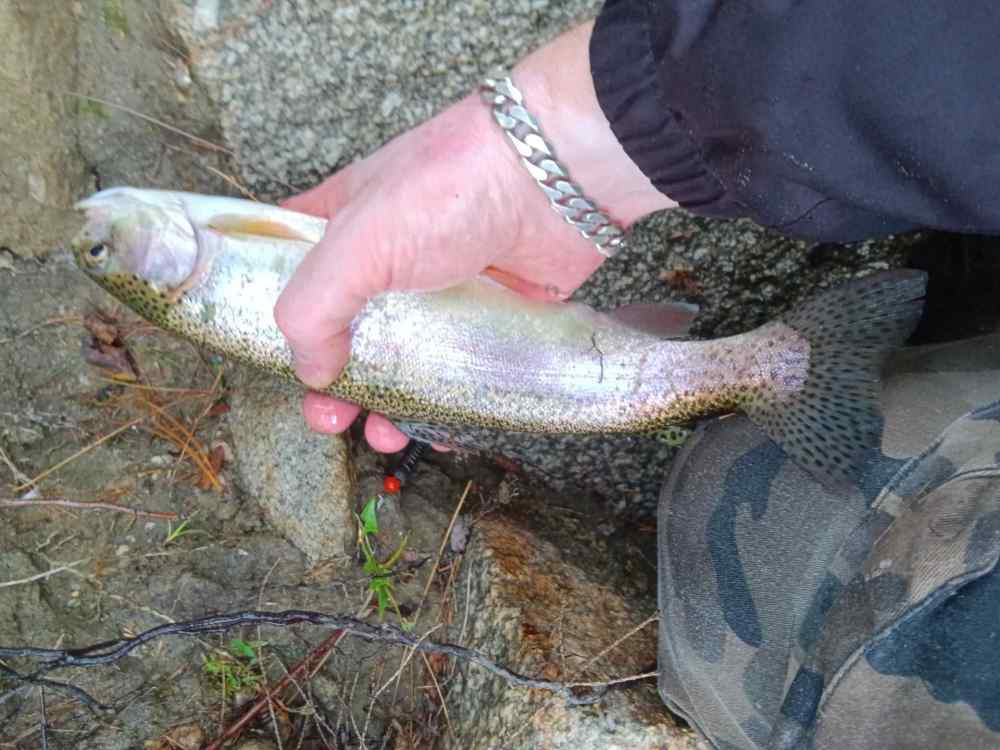
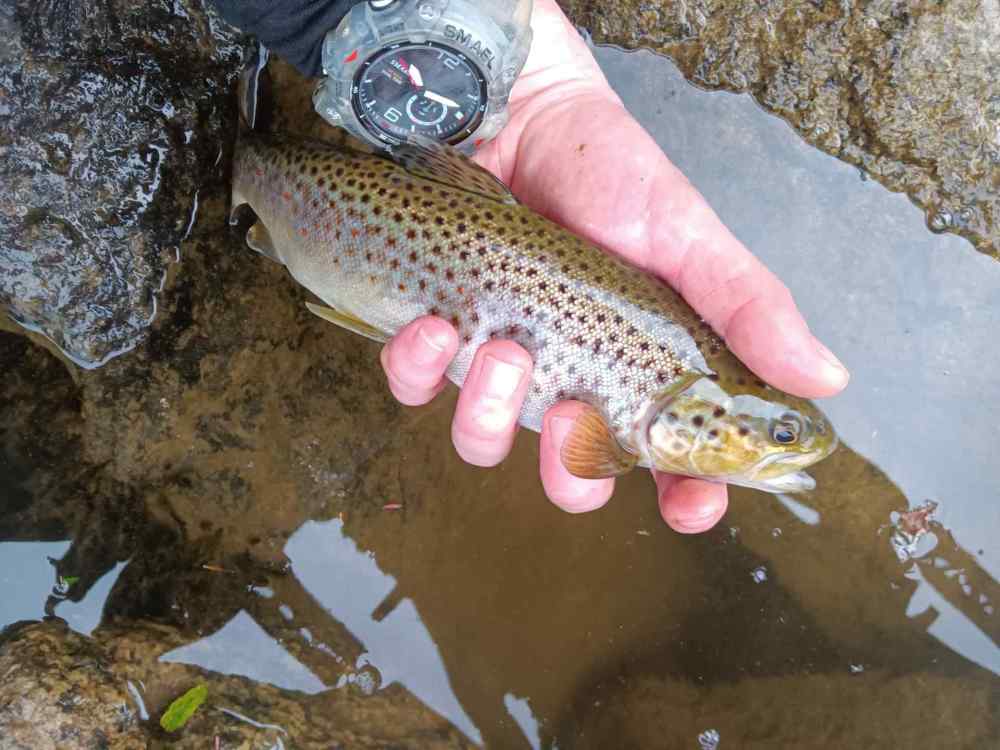
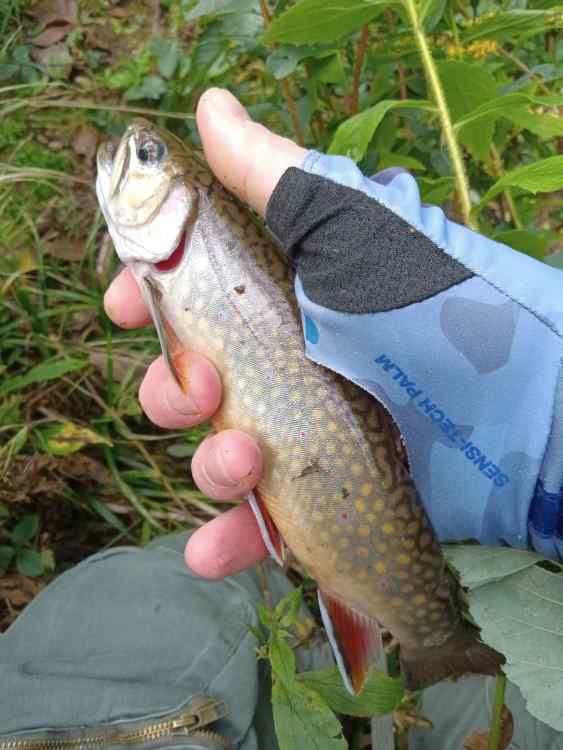
I set off into the unknown of the Mt Washington valleys in NH, for a river rat campaign. I was very excited to have success with some wild and native trout. On the open river. The rainbow and brown came from the same hole, got another rainbow to with an early release. Two on spinners, one on jerkbait. Further north to the Androscoggin, I caught two brookies on a spinner. These fish were probably totally wild and native, near the main river nonetheless.
-
If there is some kind of bait fish beyond yellow perch, the silver minnow/shad/alewife type, creeks and any kind of water flowing into the lake will position this type of bait fish in the fall and smallmouth should be near. Keep in mind yellow perch isn't always the bait fish, they are aggressive and piscivorous and are sometimes feeding on the same bait as bass.
-
All around good color for most baits in most conditions. Problem is the pattern isn't flashy and doesn't catch fishermen as much as the more gaudy patterns. I believe in black topwaters at night, black spinnerbaits in muddy water and night, anything imitating a bug or craw in black, float and fly black fly, black chatterbaits, and black spinners when conditions are clear and bright. Basically black patterns stand out in low visibility, but look natural in good visibility.
-
If you look at the native range of the chain pickerel, it overlaps the densist part of the American eels' migration. In the old days there was always a connection between big pickerel and eels. In ponds known for big pickerel, the eels were so numerous that they could be caught through the ice on live minnows. That is unheard of today. There is also stories of people seeing the eels and their slime trails in the woods, on their migratory crusade. Further evidence I think is how pickerel react so aggressively to a snakey, erratic presentation- throw one of those slug go ss fished erratically and the pickerel will go nuts. The American eel run is a shell of what it has been historically, and has been for decades.
-
The habitat preference of pickerel and largemouth mostly overlap, but on one end you have largemouth which will often go to main lake, open water spots, and with pickerel they will go even further into the weeds than largemouth, shallow swamps, back of marinas, etc. When they are together they will go for the same prey, I agree that in lakes with a lot of good cover and a consistent forage base you see quality pickerel and big bass. Usually it is a lake big enough to naturally resist overpopulating and stunting. The stunted pickerel can be a real problem in some ponds. I have a theory it may be due to years of poor eel runs.
-
Ok, well I won't go to the tackle box every spot, if it is obvious that good spots seem empty, then I will try something else and then maybe if that is successful backtrack to those 'empty' spots. The river I live near now, the challenge is the big bite. So I may be getting bites on something, but have to decide if I want to try something else to draw a bigger bite or continue what I am doing (where there is still some potential for a big bite).
-
Night fish don't count.. hehehe
-
Yes, but you can usually cover water on any river. I think bigger rivers you can actually slow down more and soak each spot more thoroughly, any moment a fish could swing in from somewhere else. A small river that you can cast across and see each pool, it's less likely that pool is going to suddenly show a fish after you have already initially tried.
-
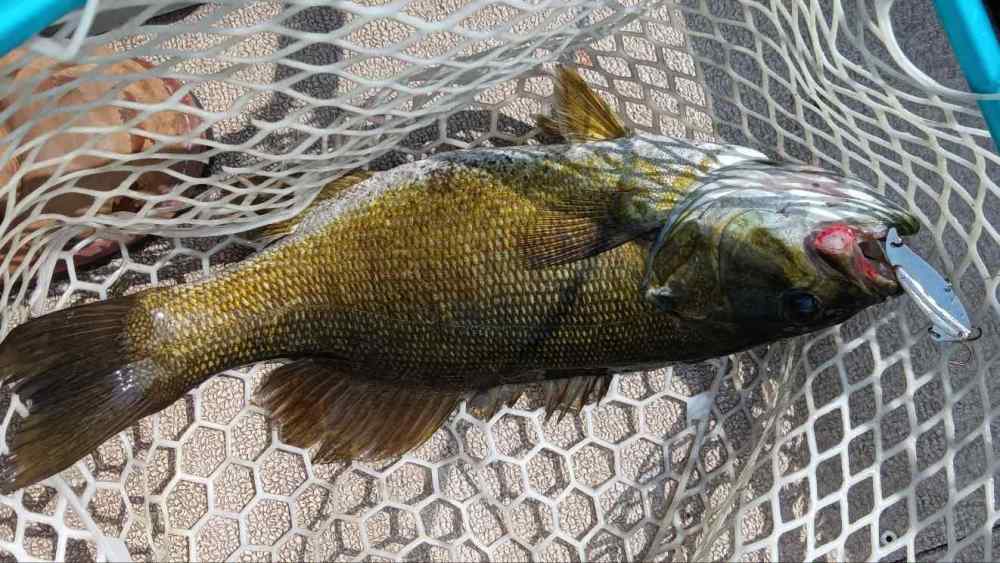
Thanks for bumping my old thread...I have something to add, I got into some big smallies on a blade bait, but in July.
-
I rarely go to finesse in a river. Sometimes for example low water, mid summer, bluebird sky, I will use a tube. Otherwise I am always starting with a presentation that will allow me to cover water, draw some reactions, and then adjust if needed. For bank fishing that is usually a spinner or spinnerbait. You might go to the river after a time away, and find there is some x factor you have to deal with, like high water, floating weeds, etc
-
Smallmouth love live worms. Worms are easier to keep alive than minnows, easier to find than helgramites, and stay on a hook better than crayfish. The best presentation will be with the worm near the bottom. Even directly on the bottom, a cruising smallie will find it on their patrol. If you want to use a drop shot, I would suggest a short line to sinker. Otherwise a basic Carolina rig/ catfish rig will work. Cast it out and wait for a take.
-
Troll walleye crankbaits
-
I have a fishing buddy that years back got big into swim baits. Really big swimbaits. Keep in mind we were fishing in MA not CA or FL. I used to say things like 'what are you gonna catch on that?' After showing me 4lb+ fish on almost every outing, I don't talk anymore. So yes, big baits will help get big bass
-
Look at the striped bass market
-
Where I grew up on a main-lake island, when the sunrise was very bright and would immediately trigger a stiff breeze, that was kind of a bad omen. Also sometimes lure choice would matter. Go-to would always be a walk bait, but once in a while it would be a popper day. As a general rule, if the top water bite is on, usually you know quick. If it is slow but still top water conditions try a different top water lure.
.jpg.94f6fd426438e4027597eafc4320464c.jpg)