



bulldog1935
Super User
-
Joined
-
Last visited
Everything posted by bulldog1935
-
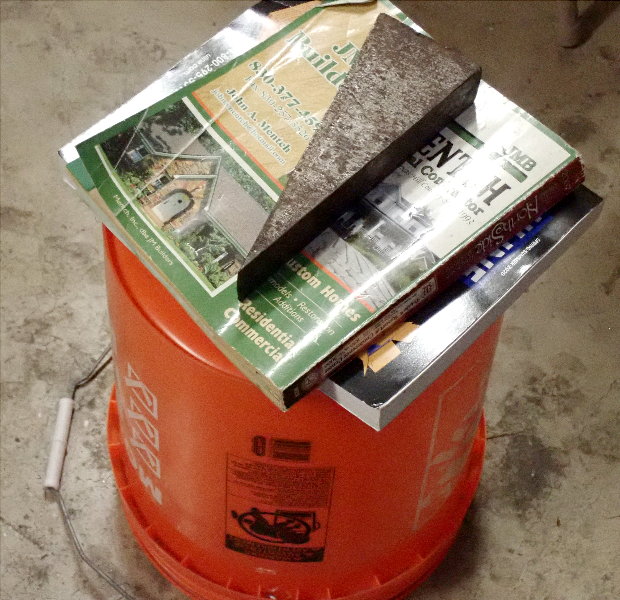
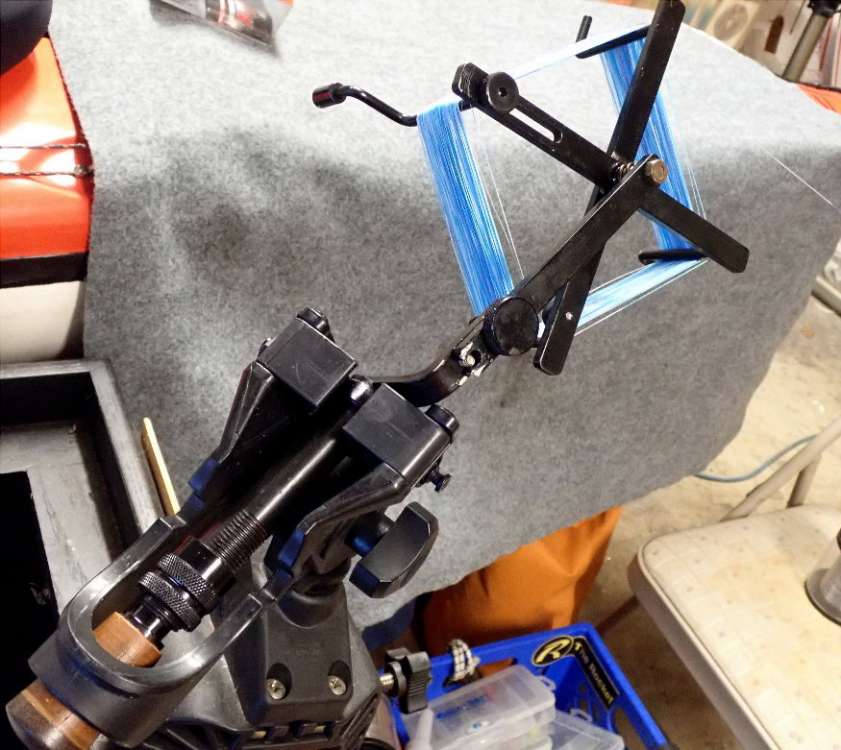
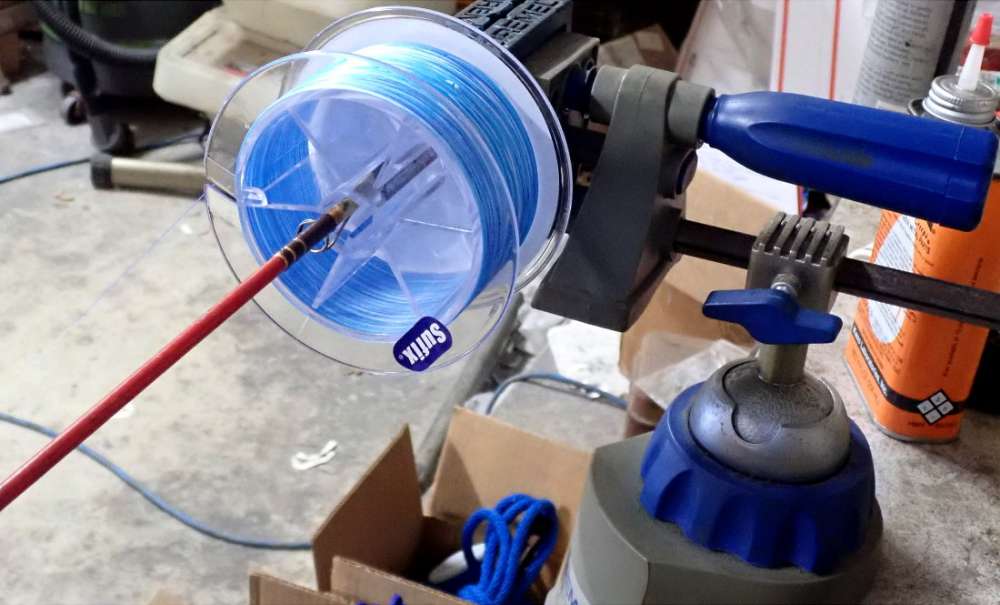
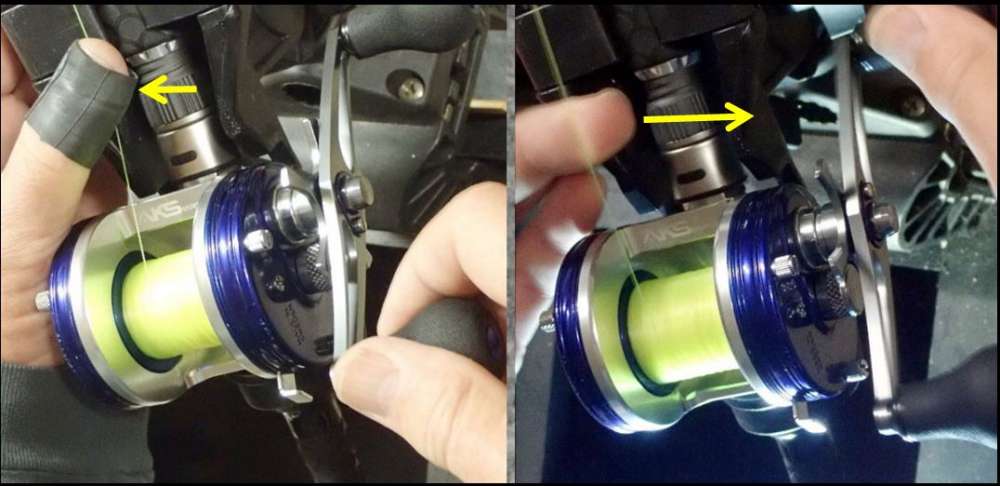
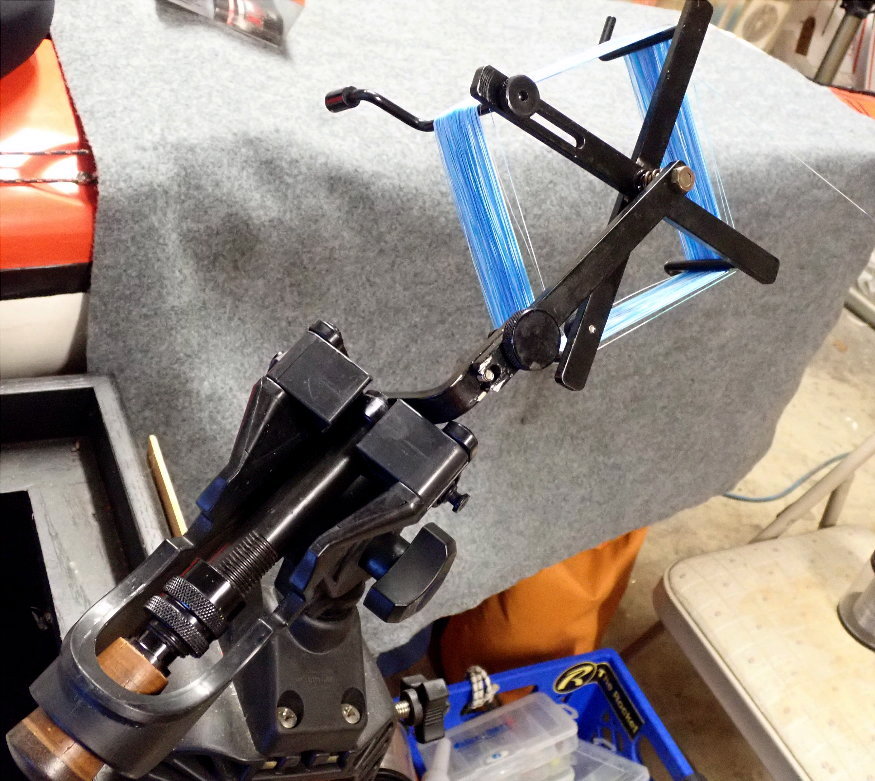
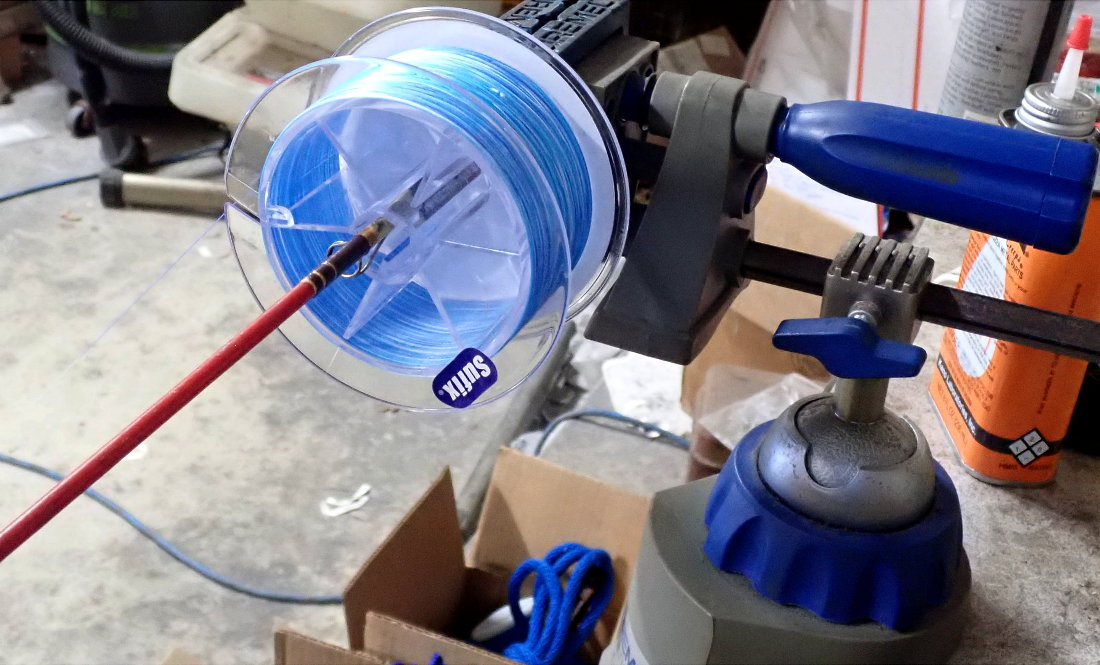
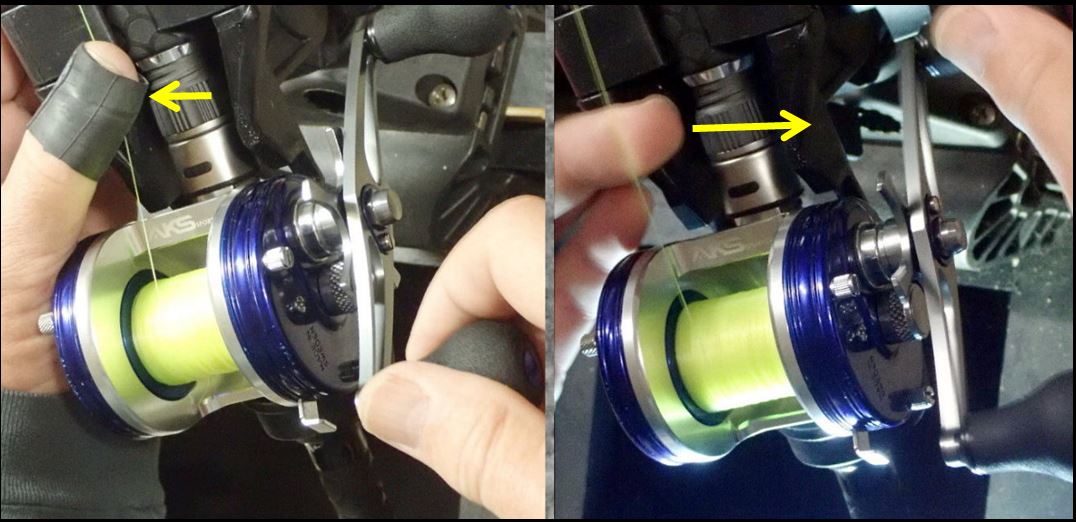
I never trust spooling machines with my reels, but spool everything at home. I put the rod in a rod holder, and run the line through a phone book, sitting on top of a 5-gal bucket, and with a weight on top - I can slide the steel wedge around to dial in the amount of tension on the line. For fluoro on a spinning reel, the source spool goes on on the ground with the spool label up. For all braid and all line on a baitcaster, the source spool goes on an axle in a bench vise. In reverse without the weight, I can take the line off the reel, in complete control of the line tension, spool up the old line onto a line winder to easily dispose it, or even move it to a different reel. Here, I put the line winder in the rod holder, and I'm returning the line to the original source spool - this actually goes pretty quickly, because you can roll the original spool with both palms, and even level wind it by rolling one rim at a time.

-
My buddy Jimbo, who used to tournament bass fish before he became a trout wizard, keeps track of fish numbers with a pocketful of Jolly Ranchers. He eats a candy every 5 fish and counts the wrappers at the end of the day. That way, his count is only 1 to 4 since the last candy.
-
I fished through many favorite reels. They're just not made to last indefinitely. I haven't thrown one away, not even my '71 Mitchell 300 from high school that I fished through the gears in 4 years on fall Spanish macks at the jetties. I have a storage box with those memento reels.
-
I can dis-recommend a don't buy braid - KastKing - tried it because it was inexpensive - way too hard and abrasive - relegated it to deep backing. Otherwise, I routinely grab Seaguar and Sufix 832 from Amazon (Owner, Tactical Angler, lures) - especially with Prime, I think you can trust what Amazon stocks in their warehouses.
-
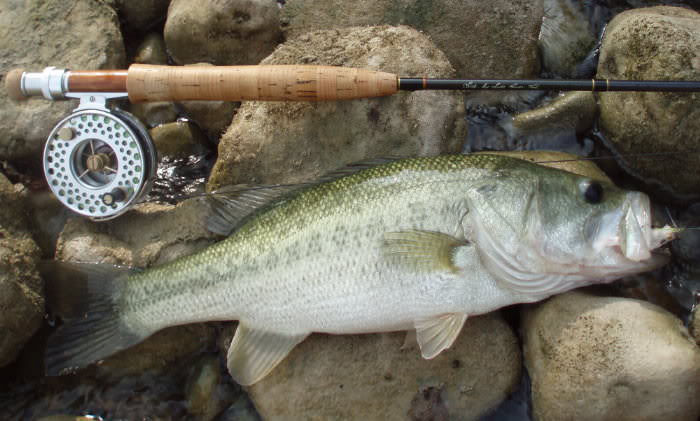
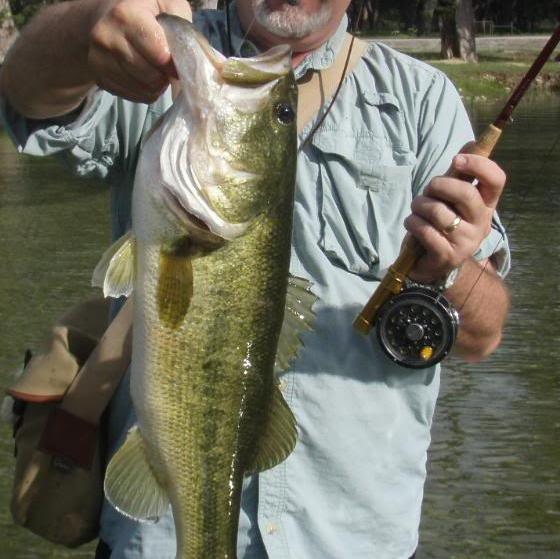
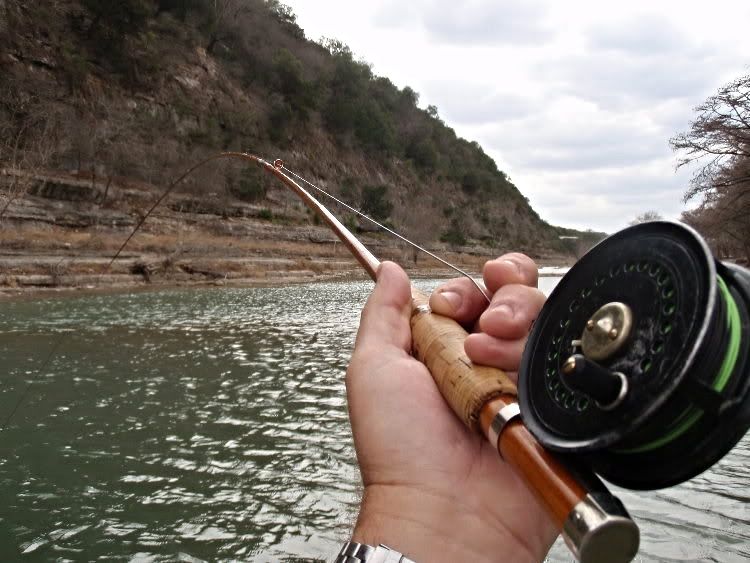
I'll provide the strangest answer to this question. 70's Vince Cumings Water Witch and 1930 click-pawl Medalist. The super-progressive glass fly rod is rated 6/7-weight, but will dry-fly fish a 3-wt, and becomes a different rod with every line weight in between. Happens to be my PB bass sight-fished on the Sabinal River. yeah, that's me with the stogie
-
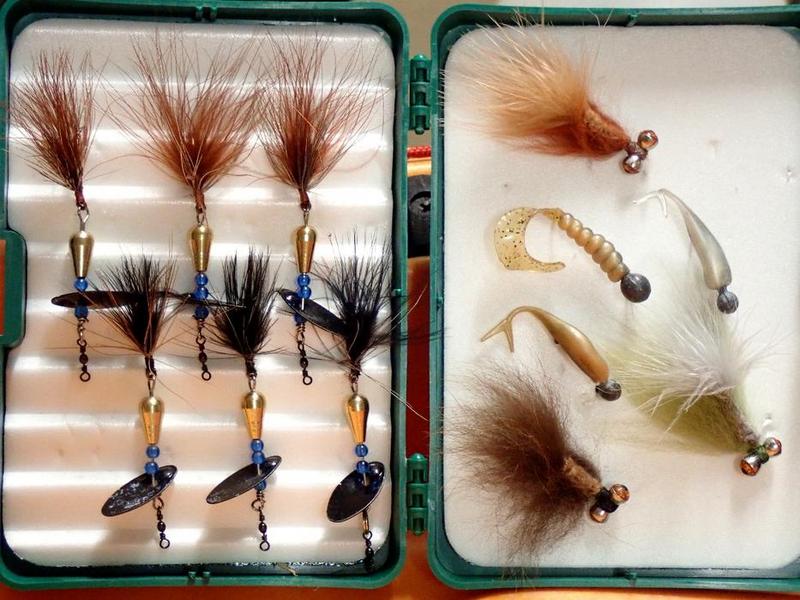
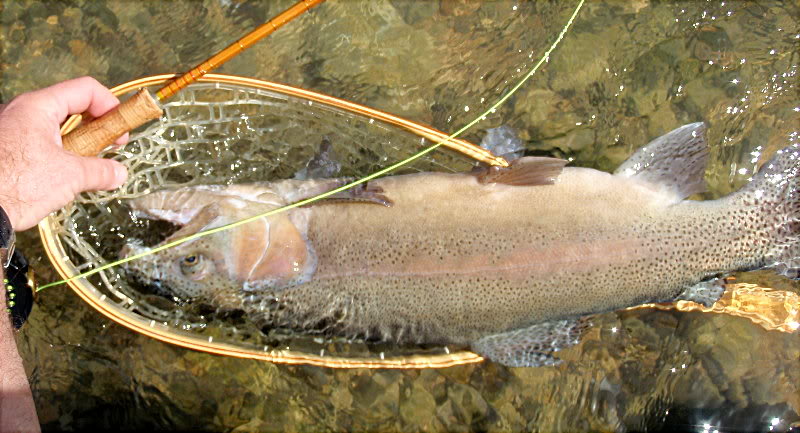
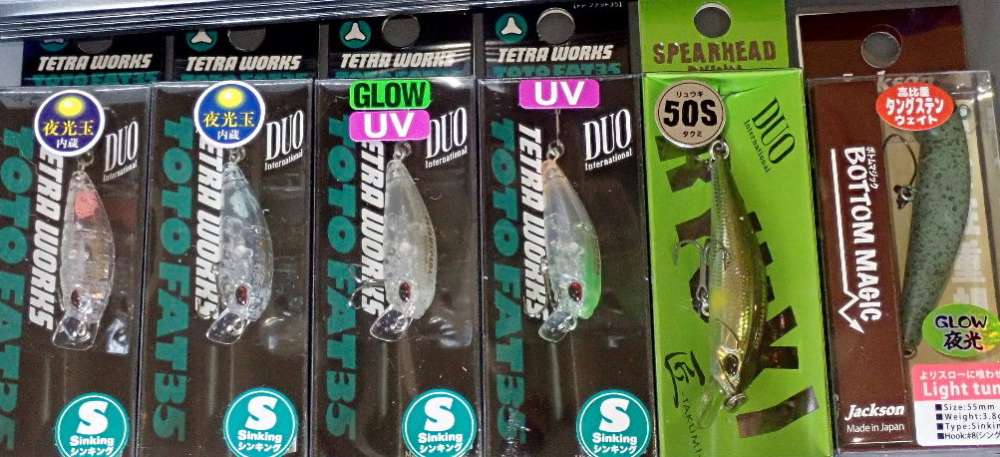
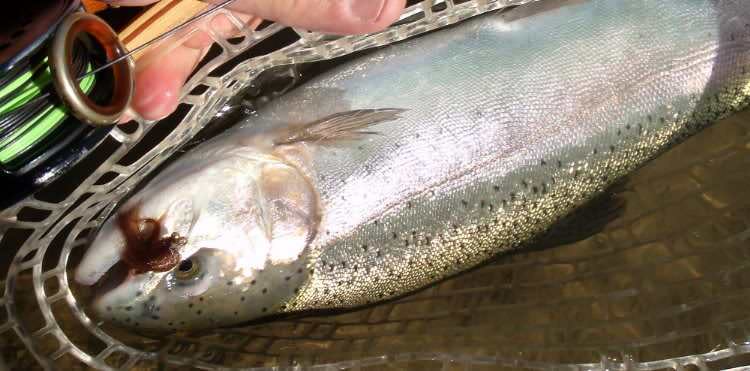
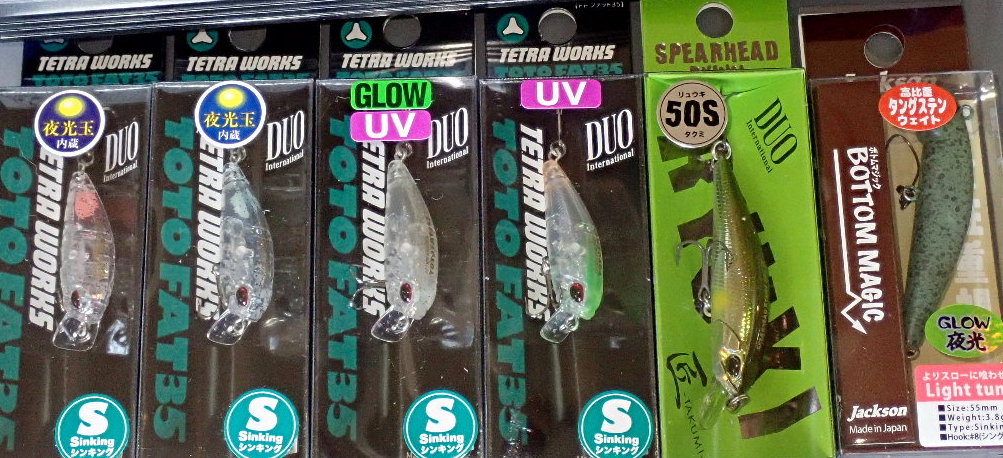
Here's my loaner box for spin-fishing friends on the Guadalupe tailwater, with my home-made single-hook spinners. Back when my dad could don waders and join me in the river, he did very well on these. We have trophy water with single barbless hook regs, and my home-made spinners are single hook. Small jigs, cats whiskers tied on barbells for casting weight. Once they discover crayfish, our holdovers can get pretty beefy. This happens to be a PB, and was taken on a size 22 midge. The Japanese make tiny plugs and spoons just for trout fishing and long casts on UL. I bought these diminutive sinking plugs for winter seatrout, imitating glass minnows, but they would be just as effective for rainbows and browns. The plug on the far right is just for bottom bouncing. In our crowded tailwater, can always find a spot in the wide, deep, tannin-bottom pools where the water is barely moving. Here with the fly rod, I bottom-bounce big trout using a Teeny sinking line with weightless bead-chain-eye cats whiskers and whistlers. It's really a white bass technique, but all game fish will chase the mudballs bottom bouncing produces, and usually pick up the fly/lure when it's sitting still. Speaking of the effectiveness of bottom bouncing. One opportune spring white bass spawning run, fishing into a flagstone pool and standing on the pinch-point gravel bar they all had to cross to get upriver, I landed 50 white bass on consecutive casts. White bass were spawning all around me on the gravel bar. Another December day at a narrow tide pass to the Gulf, landed 40 flounder on consecutive casts (probably could have caught more, but it was a cold 15-mi boat ride back home). Of course, you pay your dues to hit these days.
-
the way kayaks sold in 2020, look for good craigslist buys in 2021. My very smart buddy Josh put this spreadsheet together for pretty much all the kayaks out there https://docs.google.com/spreadsheets/d/1H3POyxp2QTpH8YNZQ3OQUMrt43Oaup9hLa4CF-UUQd8/edit#gid=0 if you check the spreadsheet filter views, they include the following choices: Pedal Driven Self explanatory, these are kayaks which either come with or have the option to add a pedal drive. Lakes Length is between 11' 06" and 14' 01". Capacity is greater than 325 lbs (based on a 200 lbs paddler). It either has a rudder or has the option to add one. Coast Length is greater than or equal to 13' 00". Width is less than or equal to 30". Capacity is greater than or equal to 325 lbs (based on 200 lbs paddler). It either has a rudder or has the option to add one. Rivers - Large Kayaks for fishing the Brazos or Lower Colorado for example. Length between 11'02" and 14' 01". Width less than or equal to 38". Weight less than or equal to 105 lbs. Capacity is greater than or equal to 325 lbs (based on 200 lbs paddler). Rivers - Small Kayaks for the Upper Guadalupe, Frio, etc. Length between 10' 00" and 13' 00". Width less than or equal to 38". Kayak weight less than or equal to 90 lbs (easier for portaging). Capacity is greater than or equal to 325 lbs (based on 200 lbs paddler). Camping These are kayaks which offer higher weight capacities for carrying gear for over night camping trips. Length between 10' 06" and 14' 01". Capacity greater than or equal to 425 lbs (based on 200 lbs paddler). All Purpose These kayaks are ones which should be considered if you can only own one kayak and plan on fishing the coast, rivers, and doing overnight camping trips. Length Length between 11' 06" and 14' 01". Width less than or equal to 36". Capacity greater than or equal to 425 lbs (based on 200 lbs paddler). It either has a rudder or has the option to add one. < $1,000 Self explanatory, these are kayaks with MSRP's equal to or less than $1,000. < $750
-
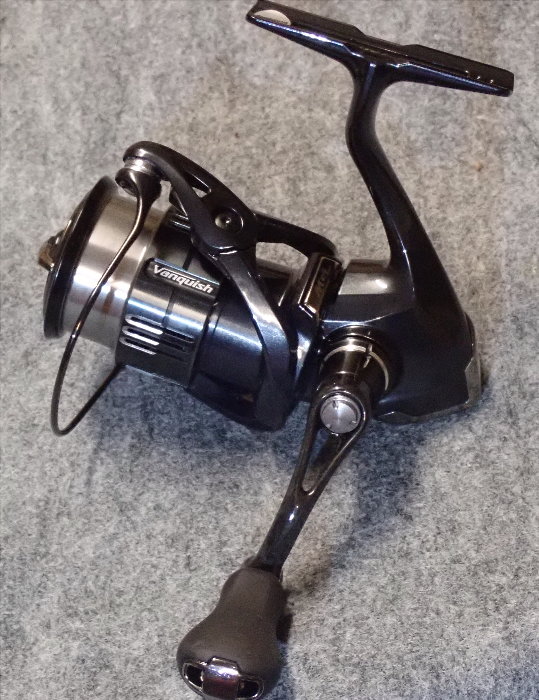
don't do it, stick to the 1000 and 2000 size, which is the mix of Stella, Vanquish and CI4+ parts. A friend on FFR pre-ordered Vanford 500 and was disappointed with what his wait and $200+ got him. No worm drive, instead locomotive, no long stroke - the 500 drive is literally a Nasci with a part left out - missing the bottom crossbar in the oscillation yoke, which is how they reduced drive inertia in this size. (ok, it's actually the JDM '16 Soare 500 with a facelift) I would definitely buy a $40 Tica Cetus or $80 Daiwa MR750 over the Vanford 500. Also note, they don't offer the Vanford 500 size in JDM - it's only offered to the US. https://www.jpfishingtacklenews.com/shimano-20-vanford/ If you want to see his takedown photos and comments, they're on fiberglassflyrodders forum, the page Another Spin on Glass, topic titled Shimano Vanford 500 size. I fish a Vanquish C2000S, Stradic C1000S and Stradic C2000SHG side by side. The lightness of the Vanquish belongs on my shocking-lightweight Yamaga Blanks 83 TZ Nano rod, but 25-g heavier 8' Black Hole rockfish and either of the little Stradics makes a workhorse finesse combo. and no, the Vanford will not be able to out-cast the Stradic. '18 Stella, '19 Vanquish, '19 Stradic, '20 Twin Power and '20 Vanford in the same sizes all cast the same distance because of the common spool stroke - the spools (and most parts) interchange between all these reels.
-
At least Tarantino will give it a happy ending.
-
Wes Craven
-
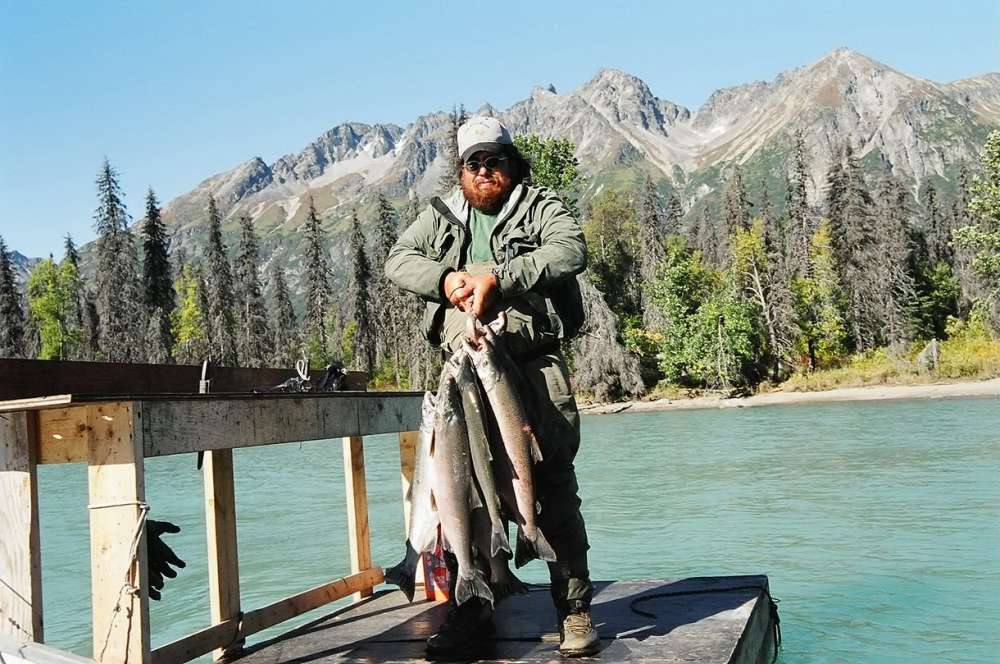
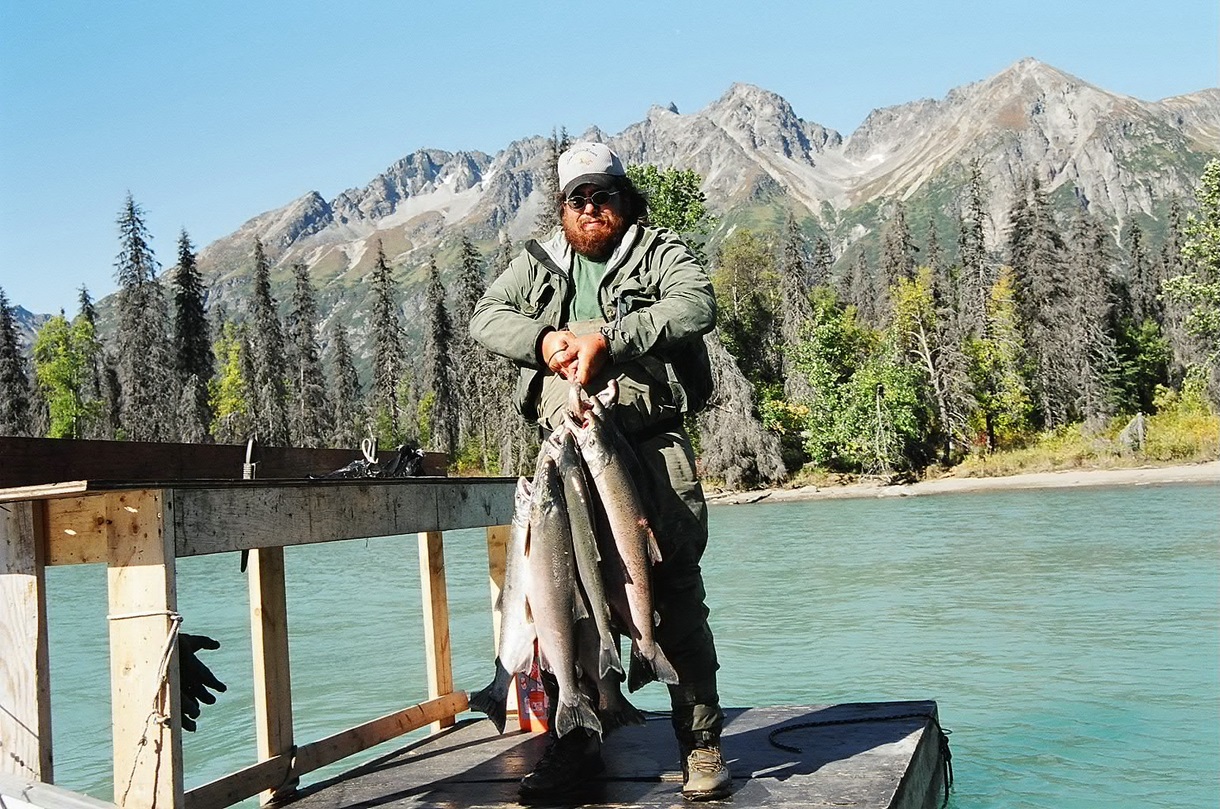
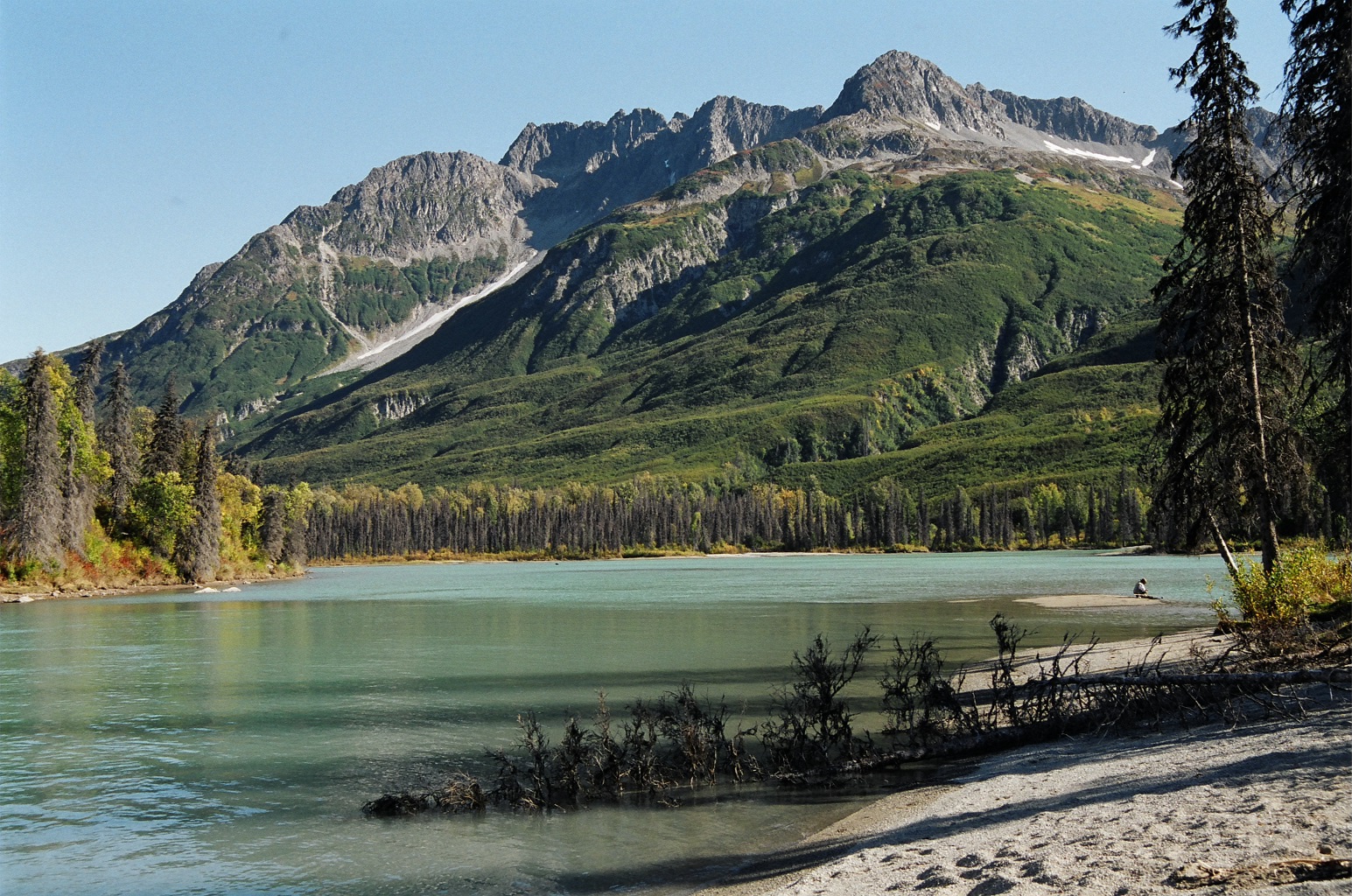
some velvety Fujichrome Crescent Lake in Lake Clark National Forest, AK it was a good August day for silvers

-
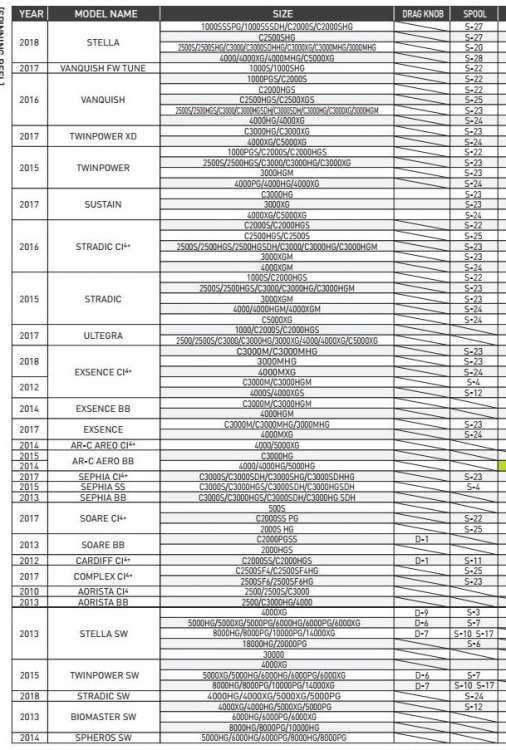
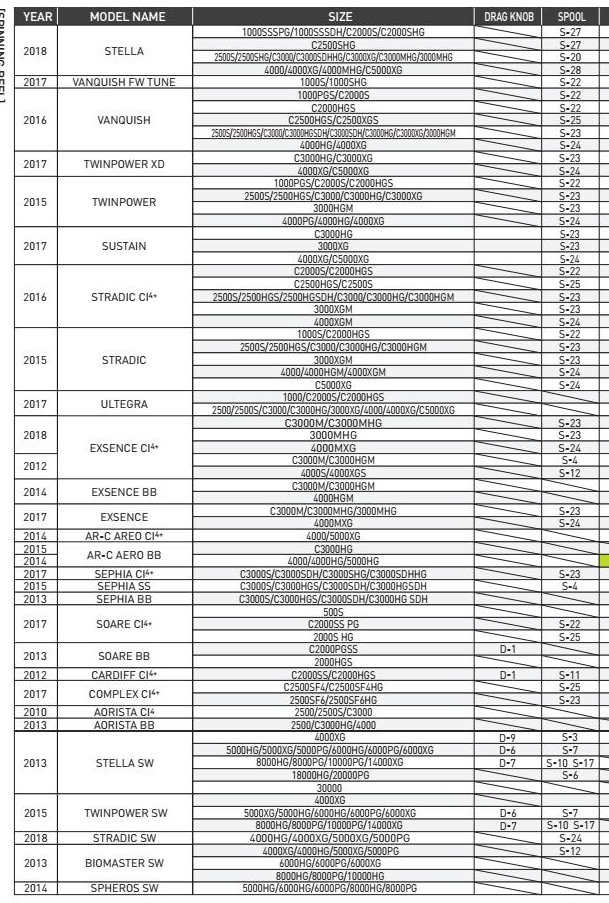
If you check Hedgehog OEM spools, you should be able to match your reel to whatever depth spool you want to fish. That's another thing nice about Shimano, they have a spool number system and chart that lets you move spools around easy.
-
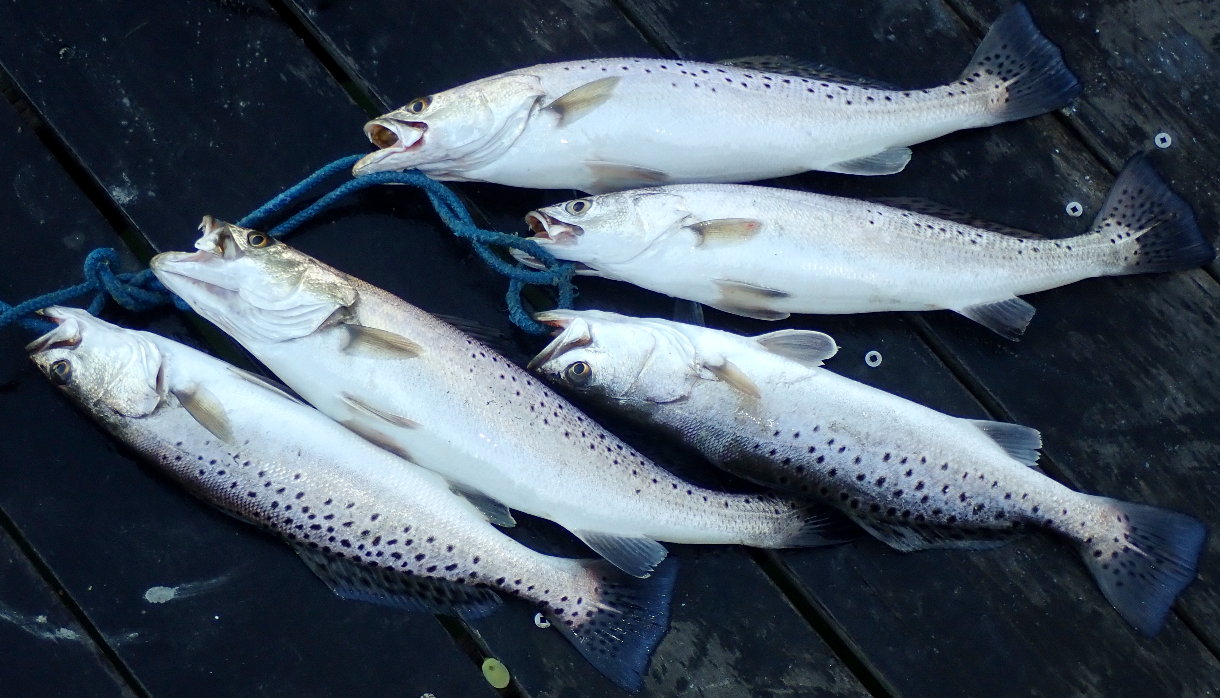
Hi Gary, Tica began offshore reels in Taiwan in the late 60s. Daiwa's history is Olympic-Seiko, making reels even before the war, copying every reel made just about anywhere, and in the 60s before the Daiwa name, they were the Daisy in Daisy-Heddon. I still recommend the Tica Libra SX1500, the right spool depth for lighter lines and long spool stroke for long casts, with the line management to handle it. The weight in that size is not an issue, and compares with Stradic FL2500. The Tica Samira worm drive and fully sealed reels beef up quite a bit, but the simpler, lighter Libra is part of why I prefer it. Except for the extreme Shimano smoothness, the simple and strong Libra design performs very well - it's still Very smooth - you notice a little inertia when you engage the selective IAR. What got me started on Tica was 12 years ago, bought the diminutive Cetus SS500 to match my first Takamiya salt XUL rod, and it fished that long in the salt, with 22" and 23" specs under its belt, until I retired it just this year for a JDM Stradic C1000S on the rod. The Cetus was my first experience with modern computer-balanced spinning reels. Before that, it was Penn 4200SS. As I mentioned in my first post, loaned the second Takamiya 7'9" UL with the Libra SX1500 to my buddy last month and he had a blast with a spec bag limit.
-
The best forums through 2020 have been where moderators up front barred any covid threads and posts. Where they didn't, fishing went out the window, and local blame politics about who was preventing access (tourism) became the only content. What we all really wanted and often needed is a respite from current events. Hats off to BR admin and moderators for giving this place the attitude that forum members keep up.
-
If you guys really want to know how a $100 reel is made so you can evaluate for how you plan to use it, you should get inside them with someone who knows. .
-
I recommend Major Craft rockfish rods to anyone wanting to try salt UL. These aren't imported to US, and always a JDM buy. My buddy Lou has the 7'6" Crosstage Rockfish solid-tip XUL matched with Stradic FL1000, and can't put it down. They make a lot of rod at any price level, always nicely finished. Their offshore rods and lures are imported to US and sold by Tackle Direct and Tackle Warehouse, along with the Nanoace at Tackle Warehouse. Don't think you can go wrong with Major Craft at any price level, and will bow to @BaitFinesse on the specific rod he tried and doesn't recommend, and I haven't tried, either.
-
comprehension, maybe. I'd say most everyone who fishes braid finds it easier to cast and cast farther, fish with less effort. but anyone who backlashes braid finds it more difficult to deal with. When I loan a spinning reel, it's most always fluoro, and they most always get the fluoro under the spool - imagine with braid.
-
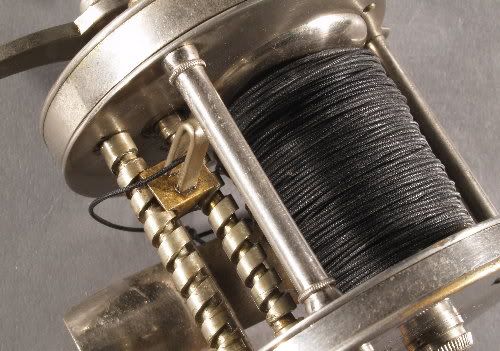
Phil, I simply shared with you a photo of Shakespeare's 1896 LW patent, a webpage of alternate freespool design, and up front stated there was no exception with what you posted. Unlike this twin-screw LW 1896 patent (here on c. 1909 Shakespeare Model B), Marhoff's 1908 LW patent, also owned exclusively by Shakespeare for the following 20 years, is the worm gear + pawl that we all recognize today. Pflueger and Shakespeare remained continuously in court over patent infringement claims from 1914 until Shakespeare bought Pflueger in 1962.
-
next time that happens, rotate the spool backwards (wind direction) with your thumb. You were just in a bad angle on the freespool ratchet mechanism. Abu's are terrible about this.
-
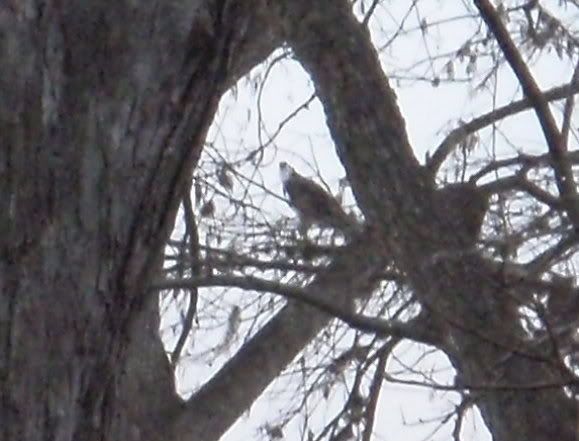
I didn't post this yesterday because I had already posted daily. Driving to my sister's house for Christmas dinner yesterday, the out of town route, came across a bald eagle eating his prey on the road shoulder - he didn't spook far away, still guarding his meal. Bald eagles winter here, especially along our creeks, sometimes see them when bicycling the greenways, and especially trout fish with them on our cold tailwater.
-
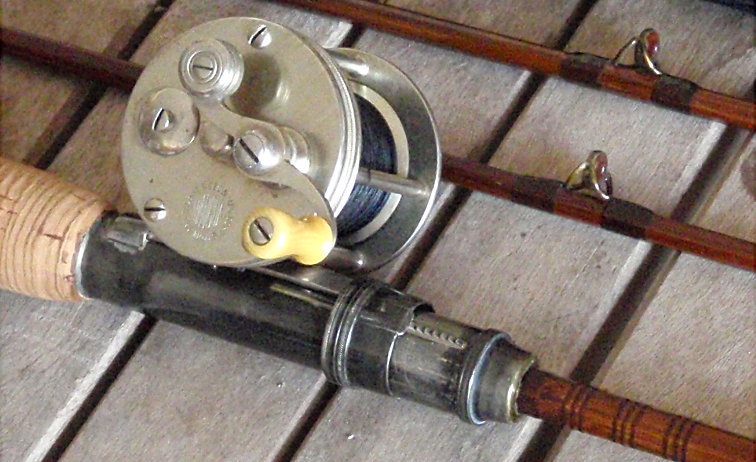
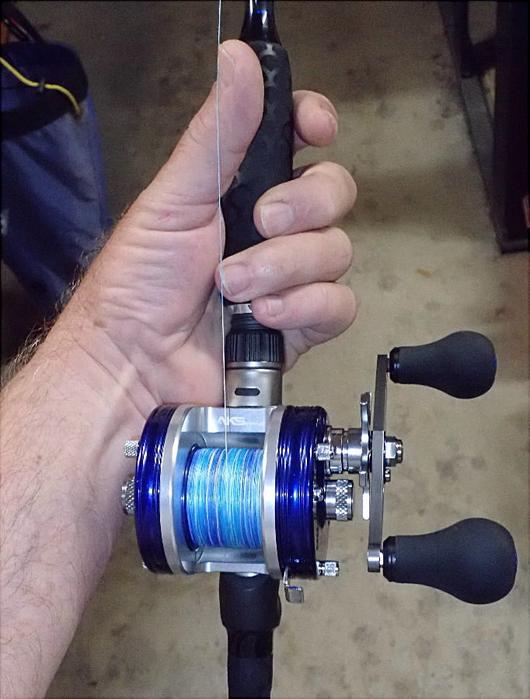
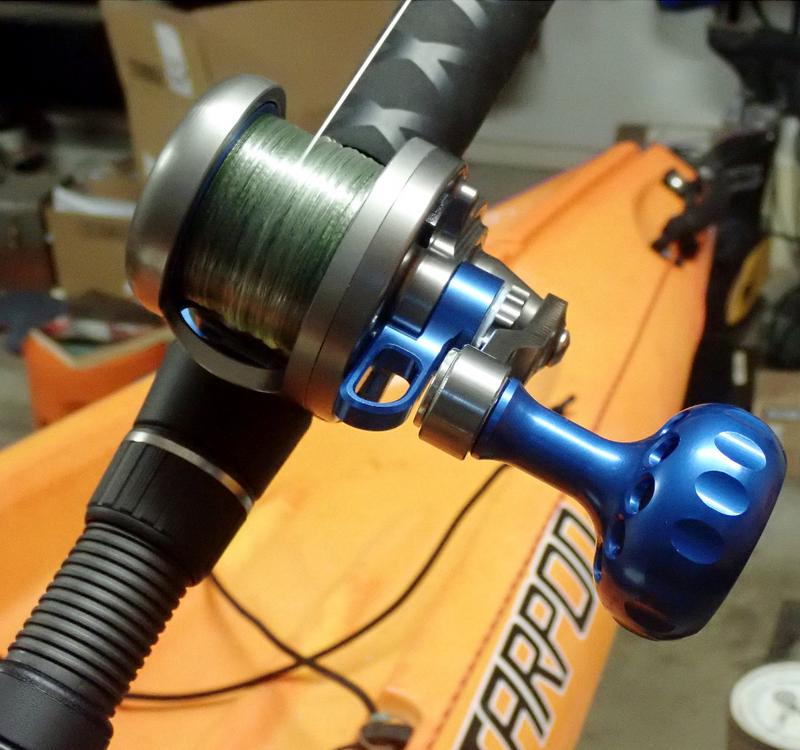
Even the best Non-Freespool + non-level-wind (NLW) reels of 100 years ago will out-distance modern level winds. Modern level winds are getting closer, especially with braid, and they're obviously more convenient for bass fishing. The old stuff can be fun to fish, or just yard cast to work on your casting skills. Besides trolling reels, NLW reels have always included tournament distance casting reels, which are choice reels to take to the surf, especially if you enjoy casting these reels over heavy spinning tackle. The only time you may miss LW is slowly laying hand level wind when you first load the reel, though this expectant task can be satisfying, as well. Especially with braid, even retrieving a 100-yd cast with one one of these doesn't need a lot of attention, because line stacking isn't significant. The line tends to hunt the spool low spot and level wind itself. After the day is done, with either the antique or the new NLW, you can restore hand level wind in your working line using a line winder. Many people cast their Avet and Seigler lever drag reels all day, both inshore, and offshore jigging (the salt version of drop shot), even though the design is essentially a trolling reel. No LW, not even a mechanical freespool - you simply relax the main drag all the way to freespool. The aftermarket reel tuning guys make mag casting brakes you can retrofit even to these. 400 yds braid under that heavy fluoro working leader has made these big-drag reels very small.
.thumb.jpg.8bcc5da37816c072727805d5619979b5.jpg)
-
Largemouth fit right in the stillwater ecosystems of reservoirs, and are native in a large area of the country. Native habitat for smallies is moving water, though they do very well in colder reservoirs. Smallmouth also readily interbreed with spotted bass, as the fish and game bureaucracies in states with endemic spotted bass species have learned the hard way.
-
It will form a nice spool arbor, though with plenty of air gap. Using a line capacity calculator, a Super Duty G spool holds 140 yd 12-lb mono, or 325 yd 20-lb braid. The mass of mono/fluoro backed spool is definitely lower, because there's more air in the backing space. the density of fluoro is a bit more than monofilament nylon, which is just barely over that of water - I'll be back when I have braid density - it's not something they want to publish... Regardless, the finer diameter braid packs more efficiently on the spool, so the mass/spool-depth of braid is greater. ... found it - braid density is 1.8 times water density, while mono density is 1.15 I'm finding a range on fluoro density, anywhere from 1.4 to 1.7, but I'll add I'm very happy with my spooling result, and especially with my deep-spool casting result. Here's the spool calculator for stacking different lines
-
Just this year after playing with my Abu CTs and braid (modified shallow spools just for braid), decided to switch all my baitcasters to braid. The only backlash in 3 years on my Super Duty was where the line wrapped the rod and I didn't know it. If you can't cast with that level of reliability, you don't want braid - yet. I've even had fluoro cut itself from old backlash, but braid certainly will. On the water, mono/fluoro backlash is much easier to recover. In making the swap on my deep spools, used 25-yd 25-lb Red fluoro tippet (0.47 mm) for backing, so that my working 20-lb braid (832, 0.23 mm) was under 200 yd. The idea is keeping the mass of the line down to keep the spool inertia down. Seaguar Red Label fluoro is also on sale everywhere - they sell 200-yd reel charge spools in 12-lb.
-
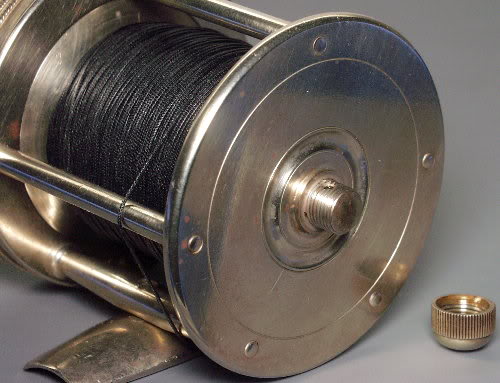
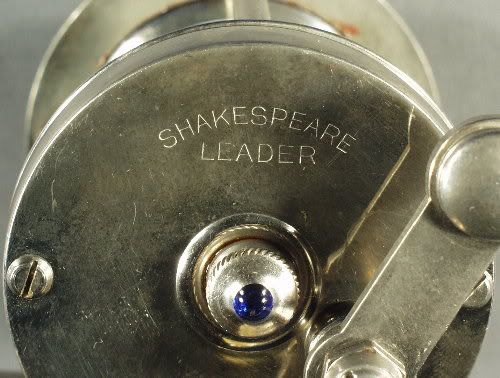
these are simply free-spinning bronze bushings for the spindle in the side plate, with a larger oil reservoir outside the plate - see the oil hole - and fixed agate bearings for the spindle ends. You might be able to make out the flattened agate on the end above. The highest grade Meeks used ruby and sapphire bearings instead of agate. The fixed jewels and oil reservoir are what makes this different from threaded caps containing a jewel (or glass) bearing that moves on the cap threads typical of all the other reels with adjusting spindle end tension. This is a blue glass bearing in the threaded end cap - tightening the cap loads the bearing on the spindle end. As the spindle turns faster under load, the oil can't completely film the spindle, and oil pressure acts as a braking force. Oil whirl instability is a bearing vibration mode, and you can hear it when you cast an oiled Meek, Talbot or Welch Heddon. If you read the mechanical analysis below, the "disturbing force" is the jerk of initially starting the spool in a cast - with oil whirl acting as a centrifugal brake. Note that a normal thin oil film won't produce this, but you need the supply of an oil reservoir. Normally, the shaft rides on the crest of an oil pressure gradient, rising slightly up the side of the bearing somewhat off vertical at a given, stable attitude angle and eccentricity. The amount of rise depends on the rotor speed, rotor weight and oil pressure. With the shaft operating eccentrically relative to the bearing center, it draws the oil into a wedge to produce this pressurized load-carrying film. Figure 1. Oil Film Within a Journal 1 If the shaft receives a disturbing force such as a sudden surge or external shock, it can momentarily increase the eccentricity from its equilibrium position. When this occurs, additional oil is immediately pumped into the space vacated by the shaft. This results in an increased pressure of the load-carrying film, creating additional force between the oil film and shaft. In this case, the oil film can actually drive the shaft ahead of it in a forward circular motion and into a whirling path around the bearing within the bearing clearance.



.jpg.bd98a9f24aa1577feb352655cd509444.jpg)