casts_by_fly
Super User
-
Joined
-
Last visited
Everything posted by casts_by_fly
-
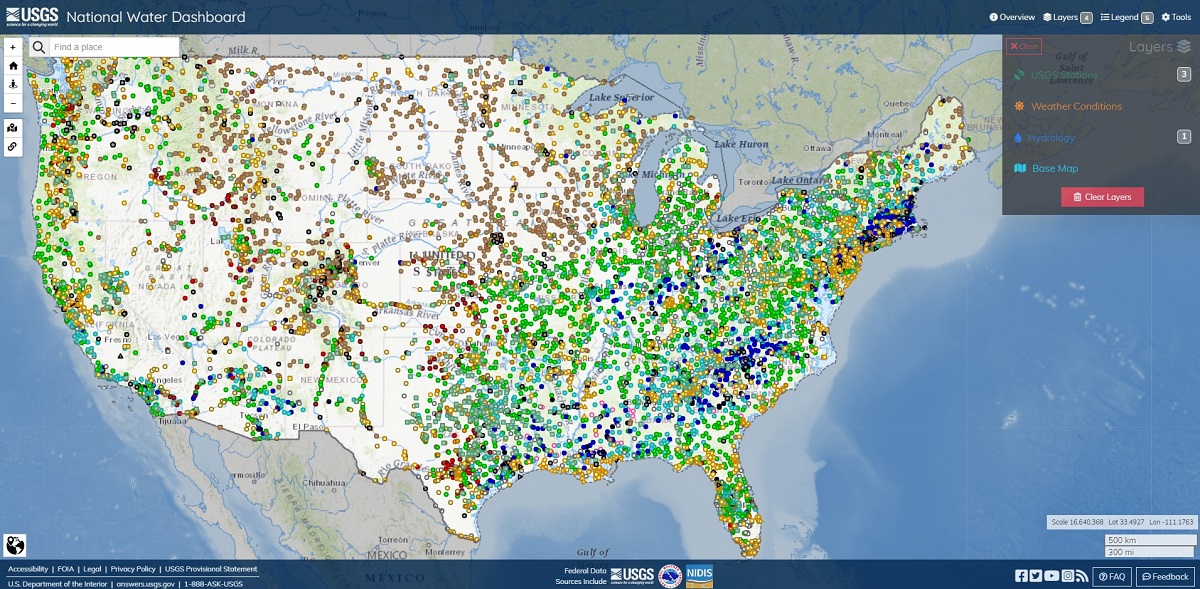
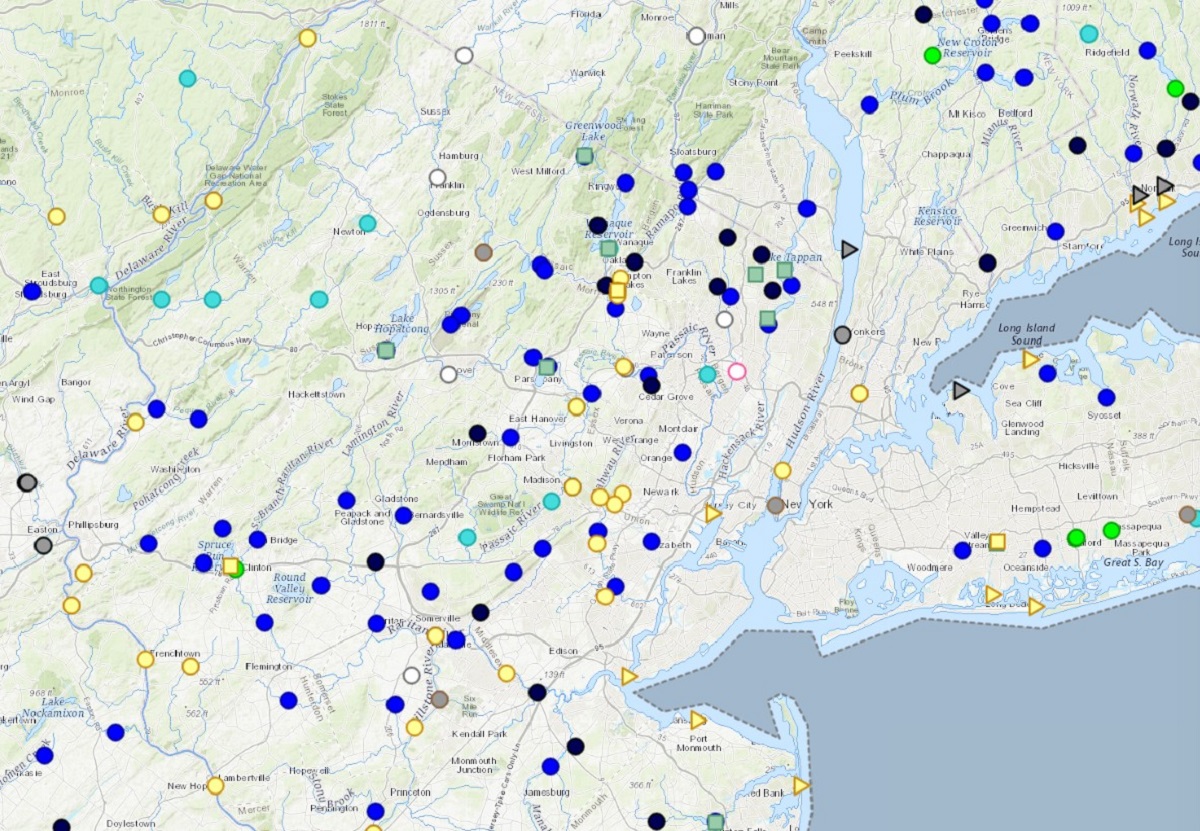
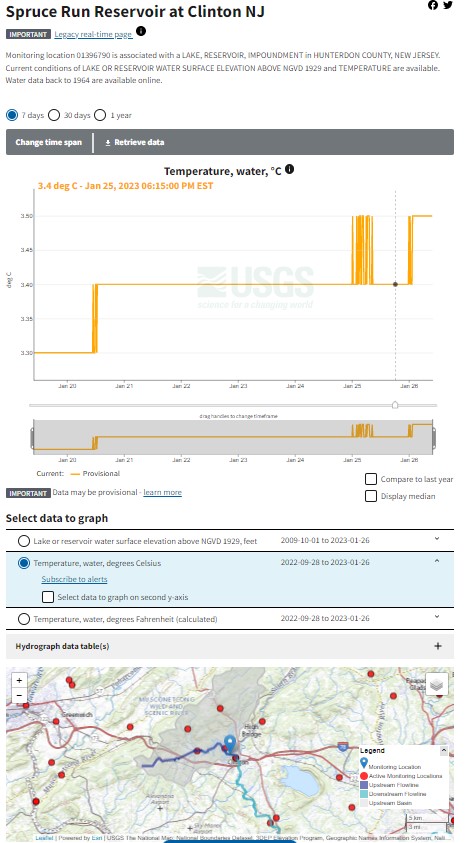
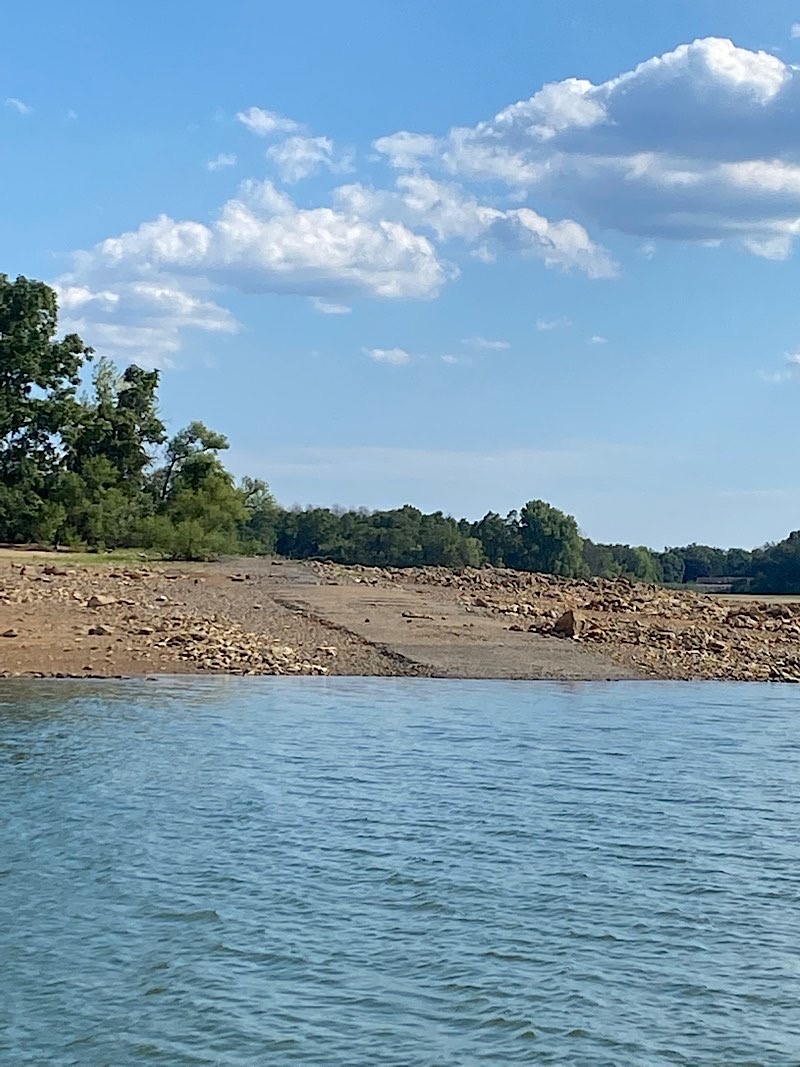
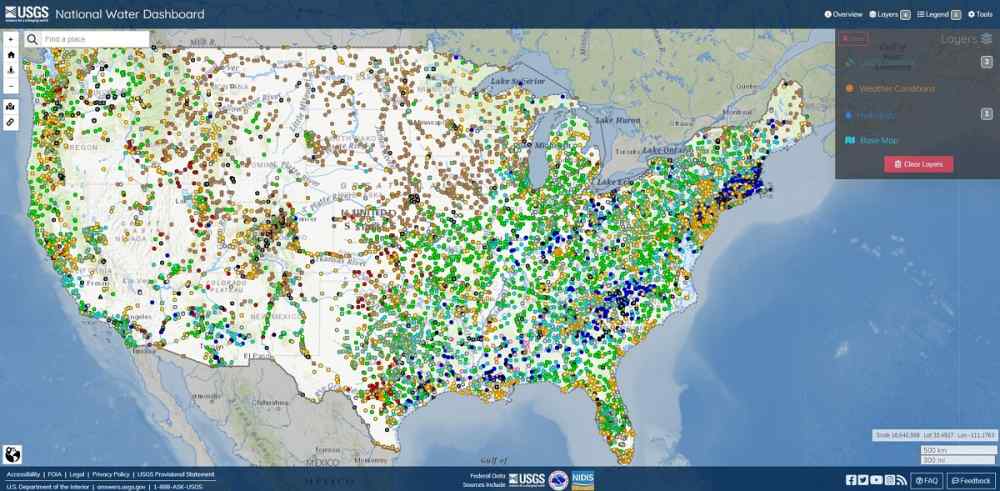
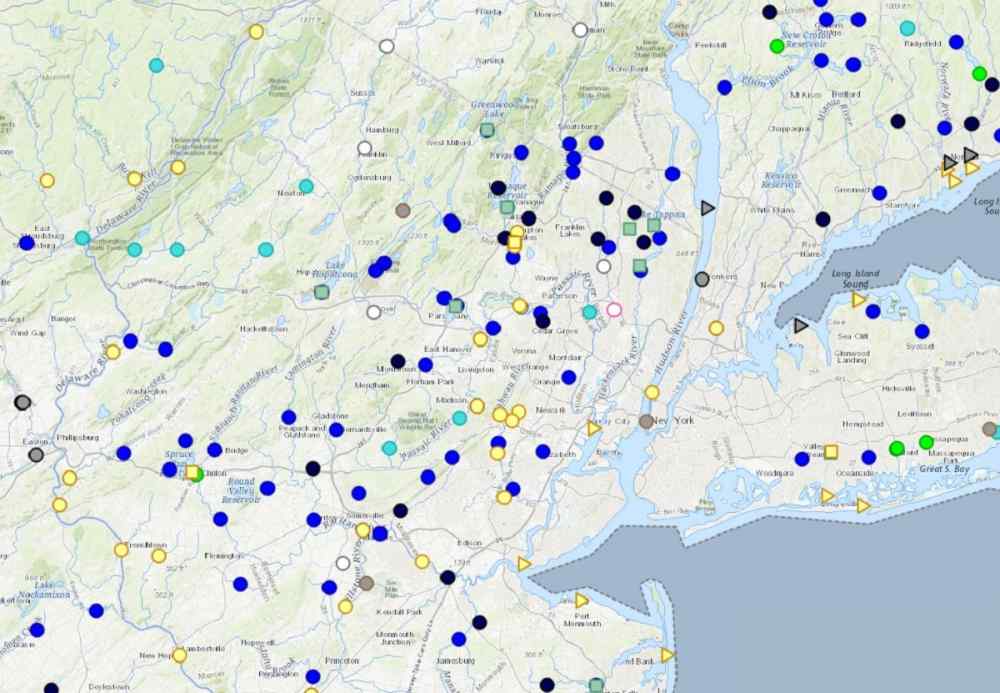
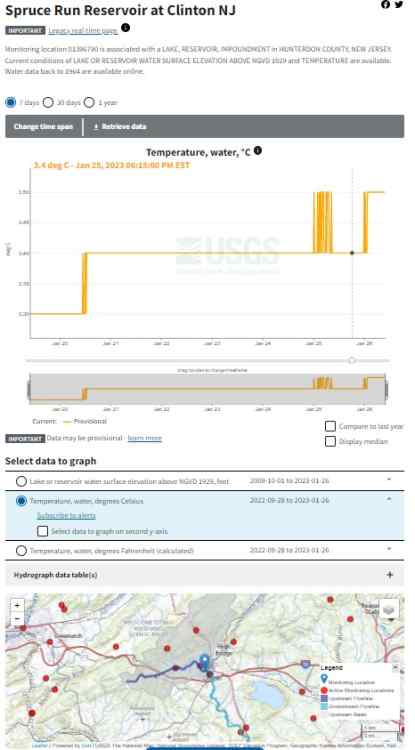
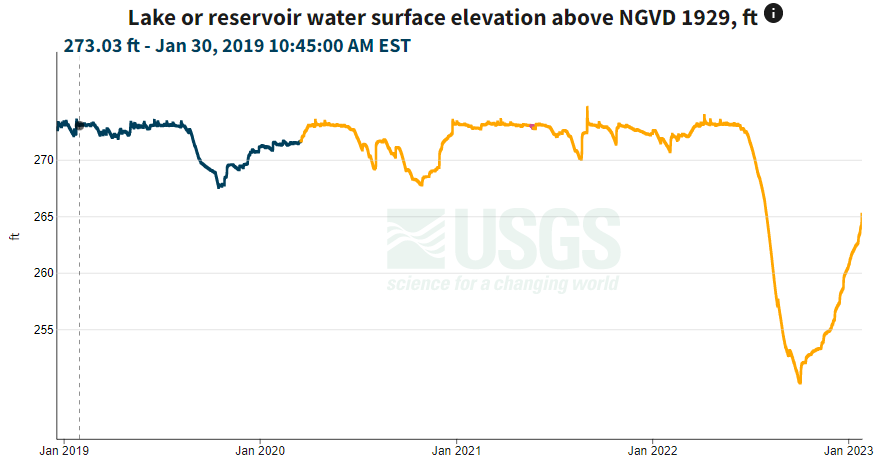
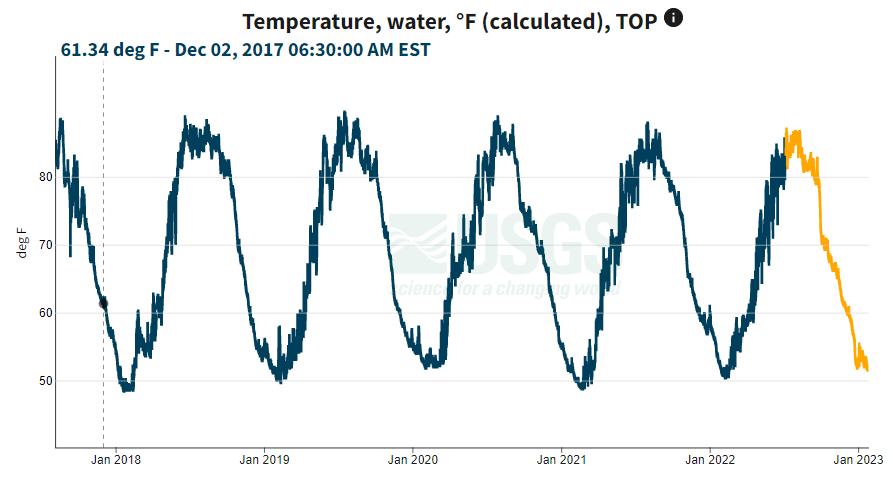
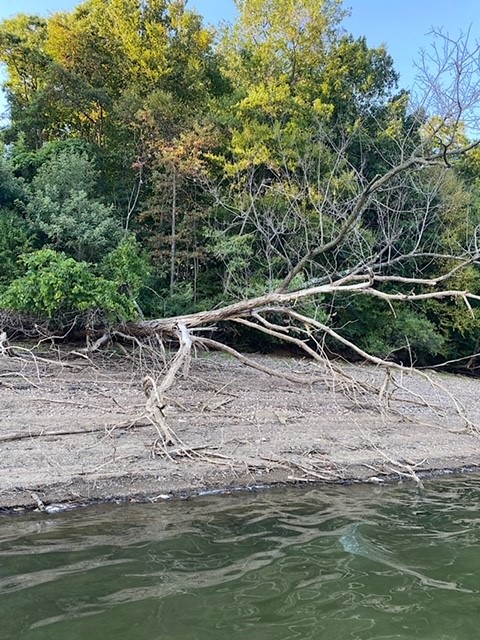
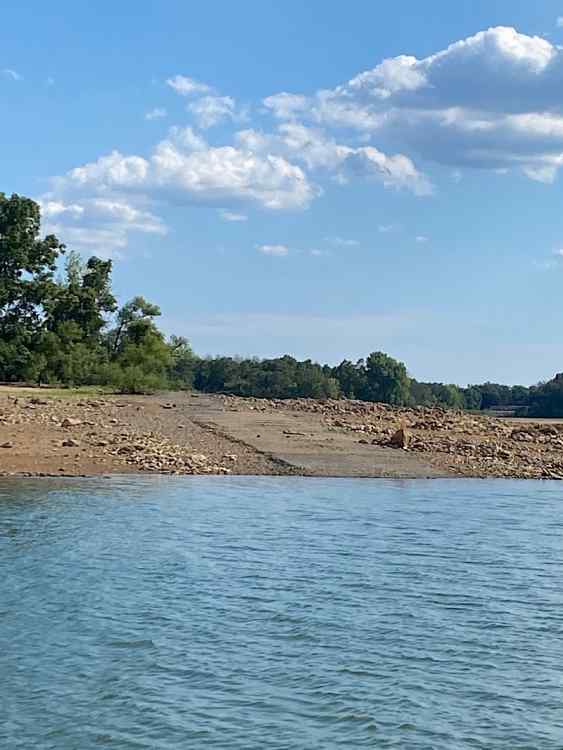
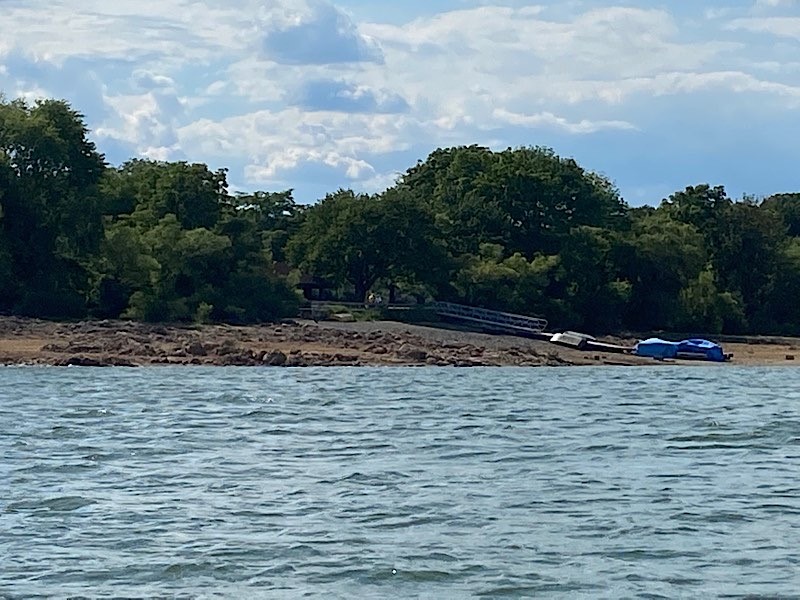
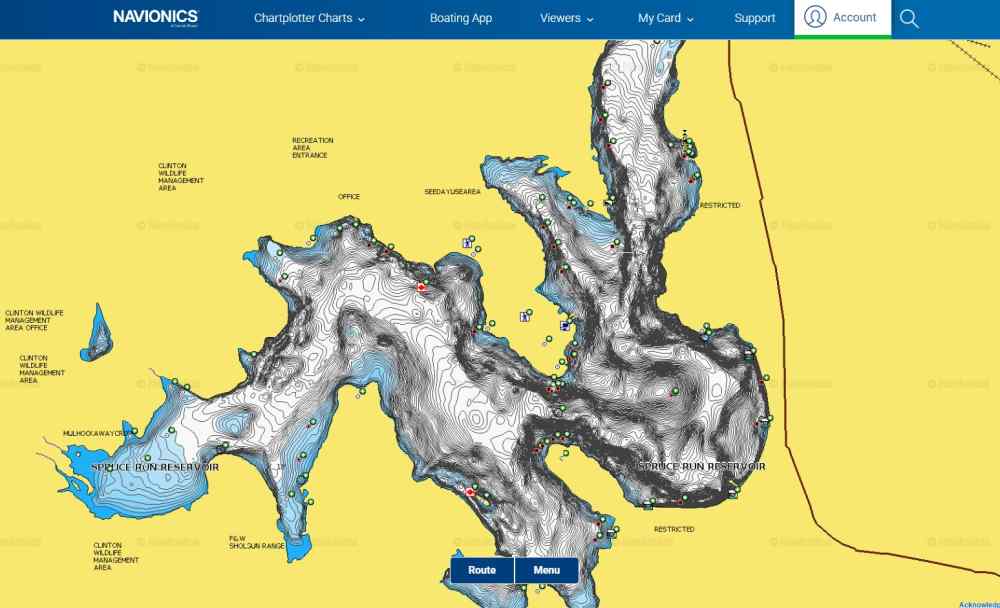
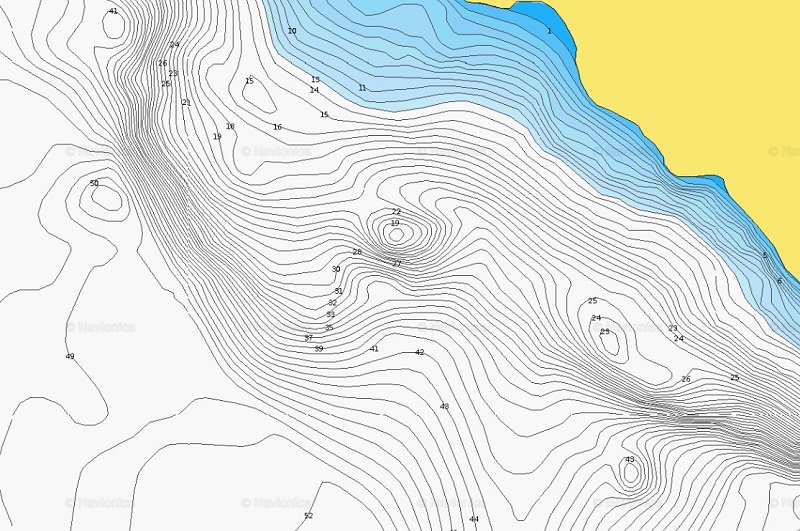
Hi All, In a few other threads I've used some online tools to help others understand their lakes and what was going on with them without actually being there. I realized that not everyone will have seen all of the things available online so I wanted to have a reference thread that people could come back to. For background, I'm an engineer and like data and interpreting data. I'm also a bass fisherman. If you polled my bosses and my fishes, I'm probably a better data person than bass fisherman. So I'm not telling you how and where to fish in this thread. I'm not saying that 51 degrees is magical number when fish bite. I'm just saying that if you want to know whether your lake is at your own magical temperature and height, here are some tools to find out. Also, I know a lot of tools, but I definitely don't know all of them. New ones come out all of the time. I'm only going to reference ones that I know and use. There are a few more that I've tried and they haven't worked out so I won't mention them here. First up is USGS. You might have seen USGS monitors on buoys in your lakes, in roadside ditches, or various other places. There are tons of different monitors for lakes, streams, rivers, canals, and estuaries/coastlines. They measure things like water height for simple ones all the way up to pH, fluorescence (for algal bloom monitoring), sediment, or anything else deemed important enough to check in that station. In the past, the data has been available, but the online interface has been very text and table based. Its now in a great graphical web interface. Every station has its own web page. The national map has layers, toggles, and other data overlays. Let's look at some examples: USA Hydro Map This is a broad map of the full US with some station data that I use, specifically, I've turned on streamflow (status), surface water (lakes), and water quality (temp). Each dot is a station and tells its own story. Each has a shape representing the type of station- circles (streams and rivers), squares (lakes), diamonds (springs), etc. The colors represent where the stream flow is relative to normal this time of year. Black/blue is really high, greens are normal, red is low. There are other color indicators but the main other one I use is yellow which represents a station monitoring temp. Looking at the map from today (above), you can see where rain has hit the north east, south east, and south recently. You can see that everything from Wisconsin to Montana and down to Nebraska is largely icy (the brown dots are 'affected by ice'). You can see California streamflow has largely recovered from the recent floods. Getting more specific I'll use NJ as examples. This is my saved link view. I have the same stations turned on for the above map, but its zoomed to my region. From here, I'll navigate to various station maps to see what is going on with each. You'll notice there aren't many lakes with temperature monitoring, so there is a little interpretive work needed. Streams can begin to inform, but you need to consider if you just had a heavy cold rain, low water and lots of sunshine, etc. Lake and stream levels are also useful to understand what conditions you're going to see when you get there. From this map I can see that the streams are flooded and the lakes should be gaining water. If you are interested, you can add other layers such as topography, street maps, even public transport maps. Want to know the closest trainline to your lake? Its there. You can look at the hydrology and which rivers and streams flow into which lakes. Does your lake barely change when it pours down rain? Check how big the catchment area is of the streams that feed it- its probably small. One lake that I monitored a lot this year is spruce run (you can see it in the bottom left of the map- square dot). I started fishing it last year. Its 1300 acres of mixed cool and warm water fish- smallies, largemouth, hybrid stripers, pike, panfish, trout (washed in from streams above), herring forage. Its restricted to 9.9 hp so a good kayak lake (negligible pleasure boats). Good fishing. It's also used to supplement waterflow to the downstream river (south branch raritan) in times of low rain. Last year we had about 1" of rain over 60 days, so there was a lot of supplementing. As I mentioned, each station has its own USGS page. This is it for Spruce run lake (very zoomed out): The base data is current conditions for the past week which is fine if you want to know right now info. But you can do a lot more with it. One point of data doesn't make a trend, but you can expand the data to as far back in time as the data was measured. This lake only installed temperature last year, but if you wanted to see approximately when you hit that magic temp, expand the time span to be 5 years. Here's a temperature example for Lake Murray (SC) for the past 5 years or so. If I'm looking for 60 degree water, that's the first or second week of April in the spring. Planning a trip? Look for lakes around it with similar characteristics. You could use lake Murray as a decent proxy for Santee Cooper (that's what I was looking at). Surface elevation is useful too. Spruce is nominally full at 273'. You can see the clear flat top to the graph in that area. You can also see the normal summer reduction about 8' low in past years. 2021 was a reasonably wet summer so it stayed pretty full and steady. Last year though, it went off a cliff. That was the second lowest its been since data started here. How do you use this info? Well to start, get familiar with your lakes that have monitoring and you can start tying data to actual conditions. We don't have a ton of lake monitoring here, but I know if Spruce is down 10', the natural lakes around here will be down at least a foot (and when spruce was 20' low the natural lakes were 2' low with no outflow). Also, for the monitored lake, you can start building other information. First, you can tie water level to actual fishing conditions. I fished the lake at full pool in April and May. I have a pretty good idea where fish are holding at that water level. When I went back in august, it was about 10-12' low. It later bottomed out at 22' low. Do you take pictures of your lakes on your phone? If so, you have a treasure trove of data available to you. Here are some pics from my visit in August where you can see what's normally covered in water. I have a lot more of things you'd have never known was there. I can now tie the dates on the pictures to water levels. The waterline in these pictures is at nominal 11FOW at full pool. The tree comes above the water, but now I know if its full pool there is a lot more under there than you can tell. I often take pictures of my Humminbird either when taking pictures of fish or of the lake. That helps confirm water temps vs USGS and for a given date. The next tool to tie in is Navionics online. Many of you will know navionics from your fish finders. There is also an app (paid I think). The online version is free. https://webapp.navionics.com/?lang=en#boating@2&key=maeyFfv`kP I've found navionics online to be the most accurate depth data of any of the online tools. It may miss some detail on lakes with limited data, but generally it is very close. The more popular the lake the better the data. How do you use it? For me, its two things: 1- scouting on lakes I've never fished and 2- finding patterns with varying lake levels. Scouting is obvious and discussed elsewhere. If you want to fish bluff walls, sloping points, of big flats you can find them. The clever thing is using USGS data and Navionics to see what those areas look like now. Navionics will let you set safety depths where it highlights various depth ranges. The app is even better for it and allows multiple ranges and colors. Below is the same spruce run at 12' low. Anything in blue is dry land. Want to target dropoffs that go from 10' to 20'? Just use the contour data and subtract 12 from the numbers. On the map you'd look for 22'-32' at full pool. Here would be some likely places (I graphed fish there when it was the water level). The data can't tell you that fish are there or that your intuition is right. It can help you narrow down the places to look though. If you're using the free versions, you can then just drop some pins in google maps and confirm precise locations with your boat's electronics. There are other water resources available on the net. The US Army corps of Engineers is one. The data is sometimes fragmented by region and not as simple as USGS. I've linked to the Detroit region and great lakes below. If you have a specific Corps lake, google is your friend. California uses lakes for water supply and the local water control boards have water data as I found in the thread with Darth-baiter. Here is one example of the same. https://cdec.water.ca.gov/index.html There are other online resources available and if you have a good one, please post it below and what you do with it. If you can't get out on a lake or have minimal time available, sometimes online scouting is just what you need to be ready when you are there. thanks, Rick
-
For a temporary fix, grab a piece of card from a box of cereal or some other type of packaging. Single or double layer the size of a reel foot and stick it between the foot and seat. Sometimes the metal on a reel foot can be thin from top to bottom and the reel seat hits the ends of the foot before the top of the foot. You’ll know that’s the case if when screwing down the lock nut you get a pretty firm stopping point and not a build up of tension.
-
When I was young and in college I drank a lot of cheap beer and whiskey/amaretto/midori sours. I started drinking wine after I met my wife because her parents like to go to local wineries (not good wine mind you). It wasn’t until after we moved to the uk that I started exploring more. The local wine shop did a semi annual tasting with all of their suppliers. £5 to enter and all you wanted to drink wine and spirits of whatever they brought. The rub was that the guide book around the event was also an order form, so you put your name on the front and checked them off as you went. Between that and the other local shop that had a hundred bottles of gin and that many more of scotch, we got to explore a lot. Then living in London during the cocktail explosion of the last 10 years meant ready access to modern cocktails. Now that we’ve moved back to the us, tequila and bourbon are more readily available (and better value than gin and scotch). There is also so much craft beer here that the selection is overwhelming. We’ve never stopped drinking wine. all of that is a long way of saying I agree, though not that everyone’s journey is the same order or even linear. On any given night (that’s not dry January) I might have a neat scotch or tequila, a mixed drink with tonic, a short cocktail, or a light beer. It’s just whatever mood I’m in at the time and how much effort I want to put into it. A 25 year old scotch is nice sometimes, but I’m also just as likely to pour crown apple over rocks.
-
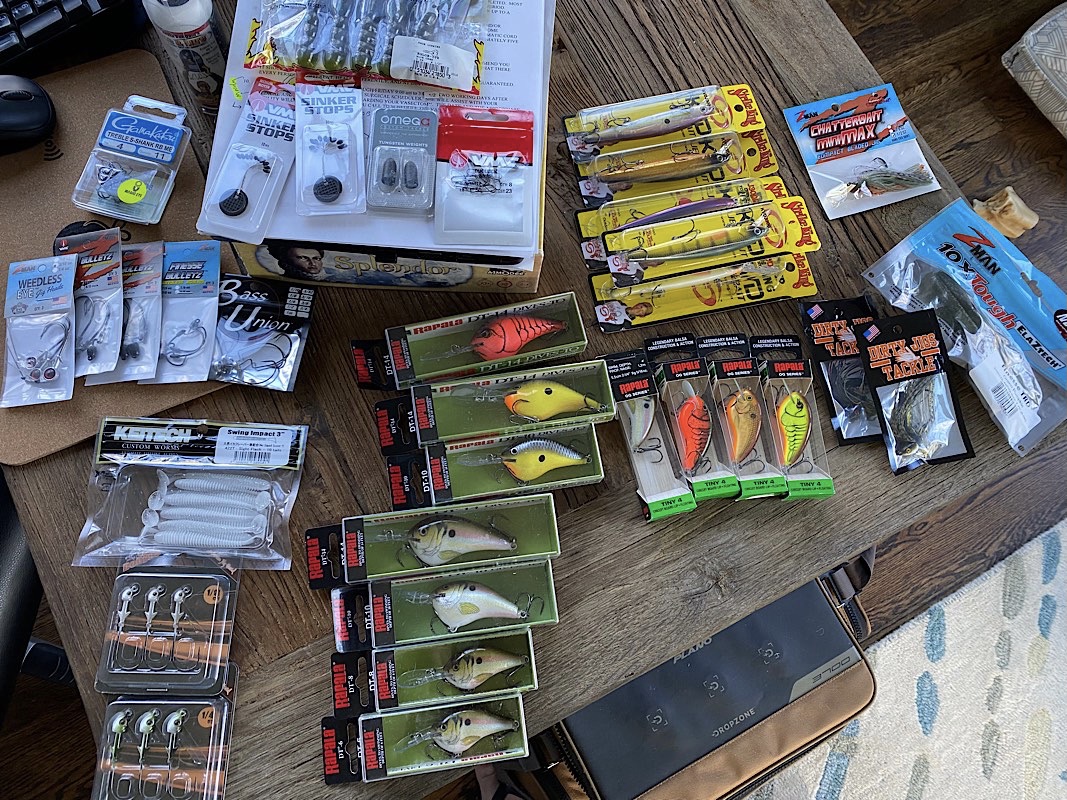
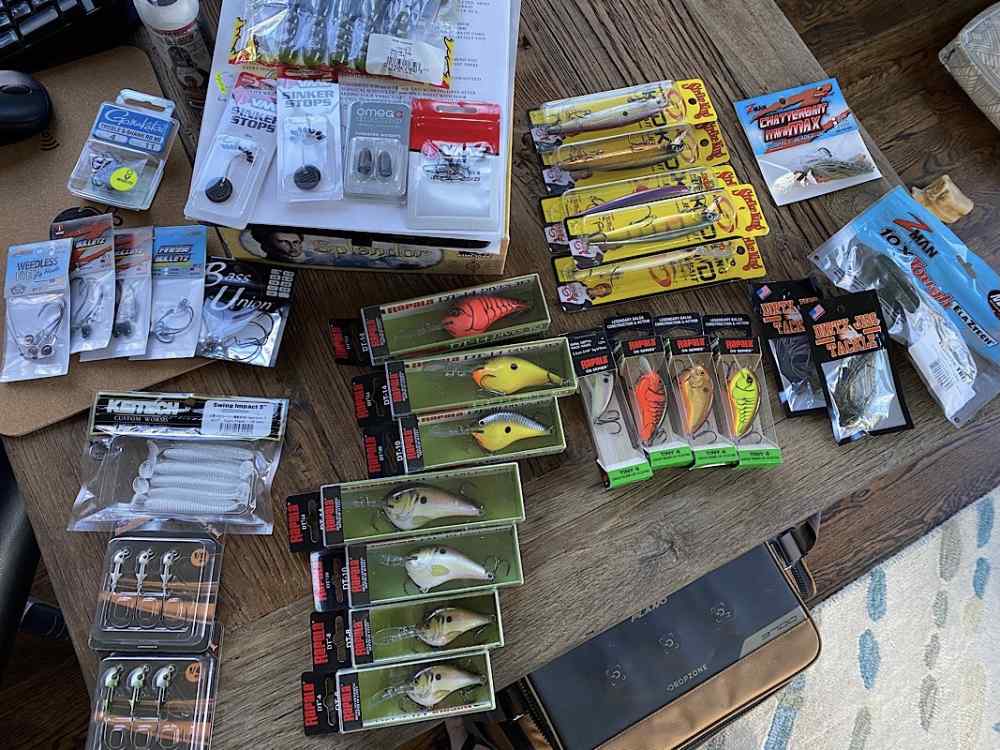
Already got most of my stuff in. Nothing crazy. Some dt’s to fill out the colors and sizes I needed. Some og4 because I loved the 6 last year but couldn’t fish them in some places. Some new hotheads for various purposes. A thing or two to try. I have an order for sieberts to get in this week.
-
Its between the tenderlioin and the ribs. Its the muscle that holds the diaphram in place. And yeah its a really nice steak if (1) you can find it to buy and (2) you cook it fast and lightly. The French call it Onglet and its a common steak for steak frites. Another to look for if you have a good butcher is feather blade. The cut comes from between the rib primal (ribeye, prime rib) and the round primal (round steak, round roast) and the meat sits under the scapula. The feather blade steak is a small part of the feather blade that's right on the edge of the cut. It has a great meaty flavor and cooked right it is fall apart delicate.
-
We have really clear water and plenty of grass. If untreated (lots of the lakes around here are lakehouse lakes and they get treated), 20' deep water will have surface weeds. One place I was graphing last year had surface weeds in 20' and had 20' of weeds growing off the bottom in 30' of water. For me, I don't bother with the deeper water as much. I know the fish are there, but I don't have the patience to sort through it. I'll stick to the 12' depths or so where I can find edges. I'll do my usual- start with something on top or near the top that's moving. Then something through the middle of the column that's moving. Then drag something along the bottom edge. A DT6-10 if its a clean straight edge, a chatterbait or spinnerbait if its a rough edge. A swim jig is great if you want to drop it into the grass holes or swim it through the edges deeper.
-
I think I've got the lake figured out too. At one point he shows it on his Helix unit. Its zoomed out enough you can't see too much detail, but if you have an idea where he is you can match it up. You're right on the single hook, but its not live bait. There are actually 3 points in the video he missed hiding it.
-
He does do an impressive job in his video editing. He was pretty careful in not showing it when unhooking fish and keeping his back to the camera. However there are a couple small glimpses throughout the video to give you some clues and there is one spot where you can see just what he's fishing. I'm not going to post a pic and out him here, but its possible to see it.
-
We'll just call it Mendechuck west then.
-
yeah, I'd say that's pretty impressive... Any idea where he was fishing? Doesn't look great lakes. Given the lake levels it looks like California. I can't watch the full video right now so I don't know if he's said it verbally.
-
Ruth's Chris is a good standard for a steak. Morton's has always been good also (though I haven't been to one for a while now). Capitol Grill might be better than both, but I have different timeframes of reference so it wouldn't be fair to say definitively. All are comparably priced.
-
I had an old Berkley two button scale that must have been 15 years old or maybe more. It finally conked out last year and I bought the baker from TW. For $27 I thought that's about the best value for what I need. I'm not fishing tournaments so I'm not worried about an ounce here or there if its out (except for the 4lb 15oz bass last year that I wanted to weigh just an ounce more). I already had the rapala gripper so I took the hook off and added a split ring with the gripper.
-
I don't know about everyone else but if we're talking steak and talking about primal steaks listed in the poll then the only answer is grilled with the highest heat you can make. It can be a charcoal grill, gas grill, broiler or pan sear but those techniques all fit in the same category for me- red middle and crusted outer. sauce on the side. the only exception to that is prime rib since you have to roast the whole rib roast and then slice it down. Bit of a different animal there, but its in the poll.
-
you’ve at least had half of one. A porterhouse is a strip steak plus a piece of filet separated by a bone and all cooked as one. my issue with porterhouse and t-bones (same steak more or less) is that I want my strip medium rare and my filet rare. I also prefer more fat marbling than either usually offer. a good quality ribeye will have some large chunks of fat but most of the fat should be evenly marbled through the steak. Then when you cook it, go one level further to render that fat. That’s why I will get a ribeye medium but other steaks medium rare or rare. Then again, if you prefer a tenderloin (fillet) they you’re probably on the lower marbling and less chew side for your preferences.
-
A thick cut ribeye that is a perfect medium is hard to beat. I do mine with a reverse sear method and use the smoker with light smoke to get it to 110 internal before cranking it up and searing each side. That’s usually enough for a perfect fat render and bright pink middle the whole way through with a good crust and char on the outside. add a nice red wine and you’re talking about my death row meal.
-
Yes, all accessories should be on the cranking battery. the cranking battery will have one or two wires on it. If two, one goes to the motor and one to a fuse panel or connecting block. If one, then it will go to a block first and then split out from there. If there is a master off switch, it will be the first thing coming off the battery (and then the wire might split from there to go to the motor and fuse block). trolling motor will be wired in series. You can pull up a diagram, but the negative from one battery will be hooked to the positive on the other. Then the remaining two terminals will be the main connections. The negative should just be one heavy wire coming back from the TM. The positive might have a master switch as the first thing coming off the battery before it goes up to the trolling motor. There should also be a separate set of wires from each bank of the charger. Each battery will have its own positive and negative charging wire to each bank.
-
Batteries are in a tray and strapped down fresh new heavy gauge wire connecting the tm batteries trolling motor works big motor has power/will fire the starter Graphs all turn on house lights work
-
Looks like you've come up 70' of elevation in the past month and are basically at full pool now (and starting to top out). Given the time of year you'll probably get some more rain to bring it up more but I think its fair to say that you have a much bigger lake to fish now. Not sure when you're spawning period is (march/april?) but there is going to be a lot of light vegetation along the shoreline for the fish to tuck into. Should make for some good fishing.
-
In the last elite series up there, guys were throwing back 3.5 lb fish without even having a limit in the livewell just in case one died and they had to weigh it. All of them said in interviews that 20 lb per day wasn't going to get it done and they were targeting 25 lb to really do anything.
-
If its a dedicated motor battery charger for a 100 AH battery, then yeah I'd go with a 10 Amp. Most wall sockets in houses are only 15 amp so even if you got a 20 you might not be able to use it fully.
-
start with frogs or toads over the top (because I like topwater fish, so if they are going to eat that then that's my preference). Depending on how thick the grass is a swim jig horizontally through it and a texas plastic dropped into holes.
-
I'll do a bit more than that, depending on how the fish are doing that day. If the fish are hungry and really aggressive, then sure keep covering water. But that's maybe 20% of the days on the water. More often than not they are in a neutral mood and aren't going to hit the fish thing that comes through. If I'm fairly sure there should be a fish in a tree I'll cast a couple times on each side with a moving bait and if nothing there I'll drop a jig or plastic on its head. You can still fish them fast- just pick a spot on the tree, pitch it in and let it hit the bottom, 2 shakes, and repeat for another part of the tree. hit each crotch you can see in the tree and work down along any long straight piece of trunk. If a fish won't hit a moving bait or a jig, then I'll leave it.
-
This is the 14.8V battery I was referencing. Its NMC, not LiFePo, so its a different battery chemistry. Working voltage is 12-16.8 rather than 12.8 +/- 2. https://ampedoutdoors.com/collections/lifepo4-battery/products/30ah-lithium-battery-14-8v-nmc-with-charger
-
I'd say you found the pattern- fish fast and keep moving. That's my favorite way of doing things. Pull up to a spot or stretch of bank and have 5 rods laying on the deck. Throw them all and move on. When you fished the same lakes on another day, did you catch fish from the same spots as the previous days? In the laydown example for instance, does that laydown hold them each time you go (albeit only one of them) or do they keep moving?
-
This would be my answer too. I have one tied on from the first day I start fishing in the spring which is usually 40 degrees. I haven't fished the big blade very hard yet, though I do have a big one rigged up with a big keitech for something I want to try. For me, a chatterbait is a < 10' bait most of the time (and I'm fishing a 1/2 oz most of the time). They are hard to fish deeper than that unless you're yo-yoing them (which is a thing in itself). I will be throwing some 3/4 and 1 oz tremors this spring in deeper water to get down to 15' or so. I'll fish a chatterbait and a lipless crankbait side by side depending on the water. If there is grass its a chatterbait first, if its rock I'll throw the lipless first. The other is always on the other rod.