
Team9nine
Super User
-
Joined
-
Last visited
Everything posted by Team9nine
-
Just got this notice in my inbox for anyone interested. Might hold off buying until sale goes into effect.
-
Both are secondary points in my book...actually, you could consider the red one a tertiary point.
-
It's a specific technique, not just a jighead. Kramer On Dartheads
-
-
I think the only rods that would explode in the cold were the old 100% boron rods in the 80s/90s. Wasn't an overly common occurrence, but they were much less able to handle stress and abuse. When they went, "they blowed up real good" ?
-
t recent discussion with some good suggestions. I'd say 1/2 oz. is probably considered the standard or most often thrown. https://www.bassresource.com/bass-fishing-forums/topic/211549-blade-baits/?tab=comments#comment-2378130
-
-
Used to catch fish Seriously though, they are much more common in Europe. Usually used in small sizes as I mentioned where "eyes" are questionable or not possible. Also common among match fishermen who will tell you they are lighter and present bait better.
-
Zero stock ...but good luck to those that can go (we're frozen over here) ?
-
Called a spade end hook. You use a whipping knot to attach it to your line, somewhat similar to snelling. Typically they are very tiny hooks, too small to actually have an "eye" created that line can pass through and attach.
-
-
I'd also go with small Storm Swim Shad
-
Ah, yep. In that regard, Tom Mann was sort of the outlier. The other three all came from highland type lake backgrounds where finesse and light line fishing was very common, even developed. Tom being in Alabama where big line for big fish was the norm was sort of an outlier by preferring to fish his baits on an oversized spinning outfit, including his big Jelly worms. Good stuff
-
I think the G-finish baits all had to be one color, bait and bill, because of the way they were made. Pretty certain they made a G-finish brown craw, but just giving a best guess. It does appear to have the brighter G-finish shine to it than the normal brown craw.
-
-
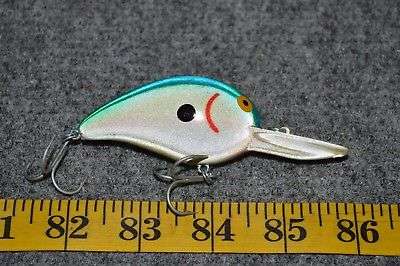
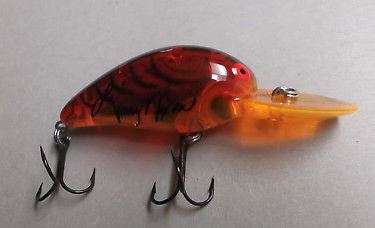
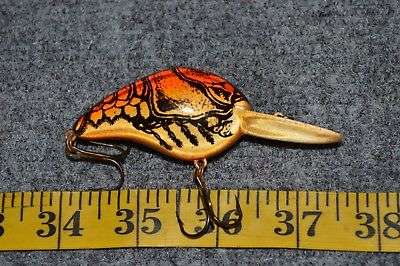
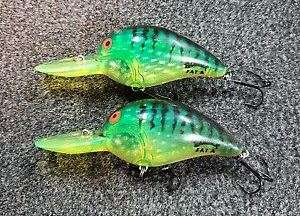
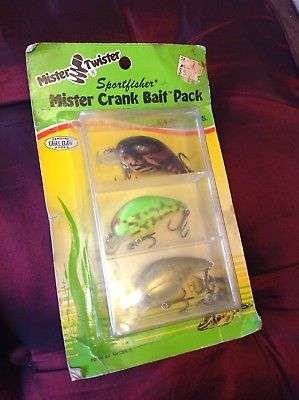
Some of the older ones did, especially the "Bill Dance" labeled versions. The only other option I can think of that it might be is an old K-Mart generic that was sold labeled as "Mister Twister," but they copied the same photoprint finish as the Bombers (see last pic).
-
That's all I buy and use now days. Yellow in PP and Neon Lime in 832. Have compared those two against red, green, and smoke on my waters and seen no difference in quantity or quality of fish, so I now go with the easiest line to see, as I believe that's a distinct advantage.
-
832 is good stuff. It and regular PP are the only two brands I use...still use a lot more regular PP though, but braid doesn't go on my baitcasters except for 1 or 2 specialty setups.
-
Bomber Fat A - Dark Brown Crawdad
-
You could easily go down to 10# or even 8# and be fine. CXX breaking strength is so mislabeled (understated), it isn't funny. I've seen test data showing that their "10 pound line" (around .014x diameter) breaks around 20 pounds.
-
Lol - novel? Mini-series? ? I'm copy/pasting everything into Word and editing/cleaning everything up, chapters, etc. It will be a "book" when I'm done with it - haha ? Enjoying the read...
-
Just finally got around to reading this newest addition to the saga last night and wanted to add a couple comments to clarify on the Buck stuff highlighted above. Buck's purpose was to create a set of guidelines to follow that would allow anyone to be able to go to a lake, anywhere in the country, and quickly figure out where it made the most sense to concentrate their efforts so as to be able to put some fish in the boat. In that regard, "the home of the fish is deep water" became the first guideline. What this simply means is that in this case, where we are referencing a natural lake, the first thing you look for on your map is, where is the deep water in the lake? On a natural lake, those are almost always holes or basins. Every hole or basin, and there are often several of them, has the potential to house it's own population of fish, almost like a lake within a lake, if you will. Once you identify these basins, you then look for the structures, breaks and breaklines adjacent to these areas the fish would most likely use during the different times of the year [weather and water conditions, along with seasonal movements will determine what depth (shallow, deep or somewhere in-between) and where in these areas the fish will be located]. You would want to check out ALL the deep basin areas if you had the time, but if you didn't and you had to prioritize, you would start with the deepest one. You're playing the odds in thinking that it most likely offers the best chance at the biggest or most fish, at least until proven otherwise. Now, that doesn't mean the fish will always be in the deep water, or just how deep they will be, or even that they'll be on the bottom in these areas...they could easily be suspended over the deeper water in some cases, or maybe migrated on up to a weedline or even scattered over an adjacent flat. Doesn't matter - you figure all that out when you start methodically fishing the areas, which you should do from the shallows out (another guideline). But what you don't do is just go randomly running around the lake fishing everything that looks good or every spot someone told you to check, and end up coming off the water not knowing much more about the lake than when you first started. With just a few trips/days and a methodical system, you should be able to get many of the answers as to what makes a particular lake "tick."
-
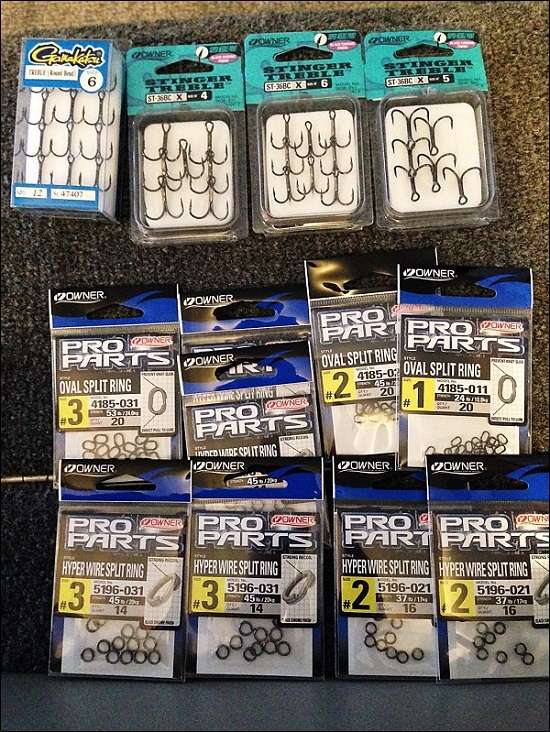
Do the same every year. My TW order just came in. Specifics will be obvious...Size 2s and 3s will cover most typical bass baits.
-
Pretty much this ^^ If you look at the results from the first Costa even on Lake Amistad TX, you'll see the average bass caught (801 weighed in) was just 1.9 pounds, 86% of the field each day couldn't even break 10 pounds, and only 3 guys were able to cash a check (130 guys entered) with a 3 pound average or better per bass. By focusing only on the top few guys every day of an event, you get a skewed picture of what is really being caught across the entire field. Most pros are catching and weighing in smaller bass most of the time. Since there are only a handful of guys competing on any given day in MLF, you see these very normal catches across the whole field that normally never make or get coverage in a traditional BASS or FLW event, though they happen all the time.
-
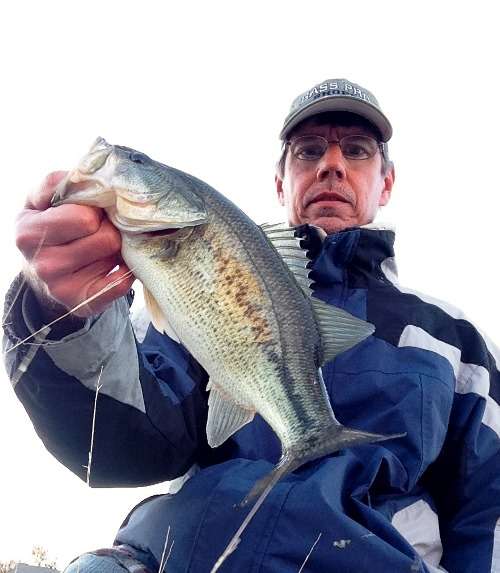
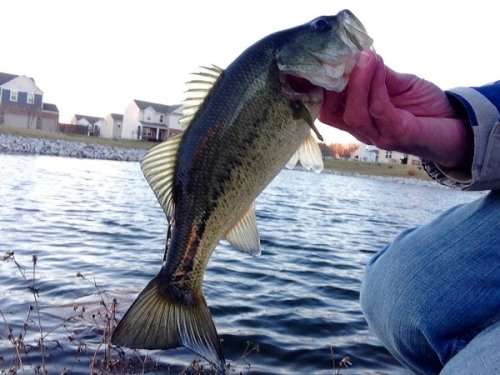
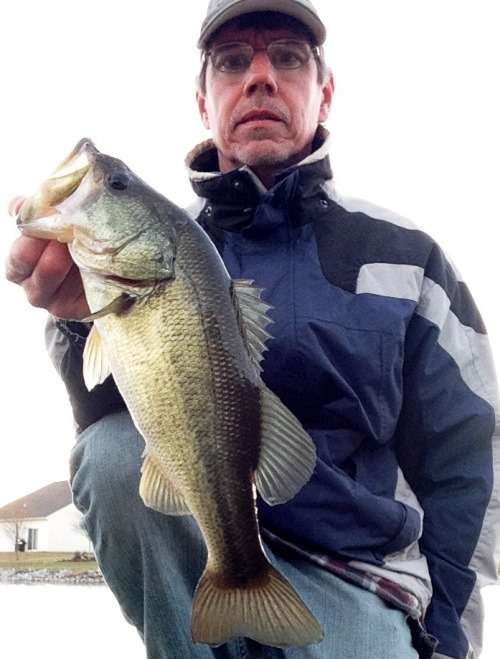
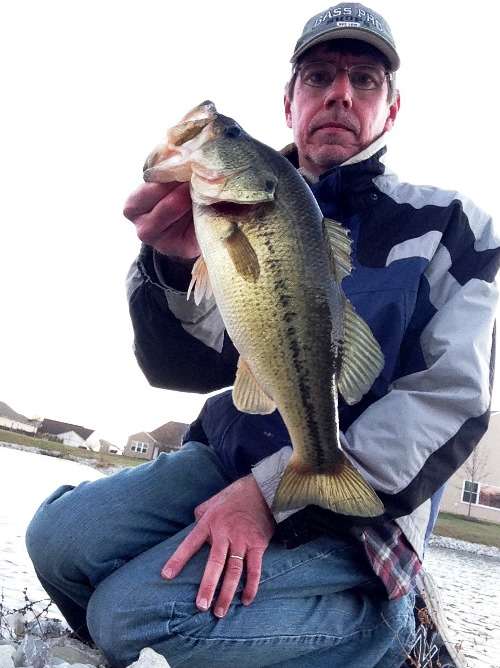
A heavy dusting of snow today, and highs only in the 20s. We'll be freezing up everything as soon as the wind stops blowing and we get a calm night. But, snuck out yesterday before everything went to hell and managed to stretch the string a few last times