
Team9nine
Super User
-
Joined
-
Last visited
Everything posted by Team9nine
-
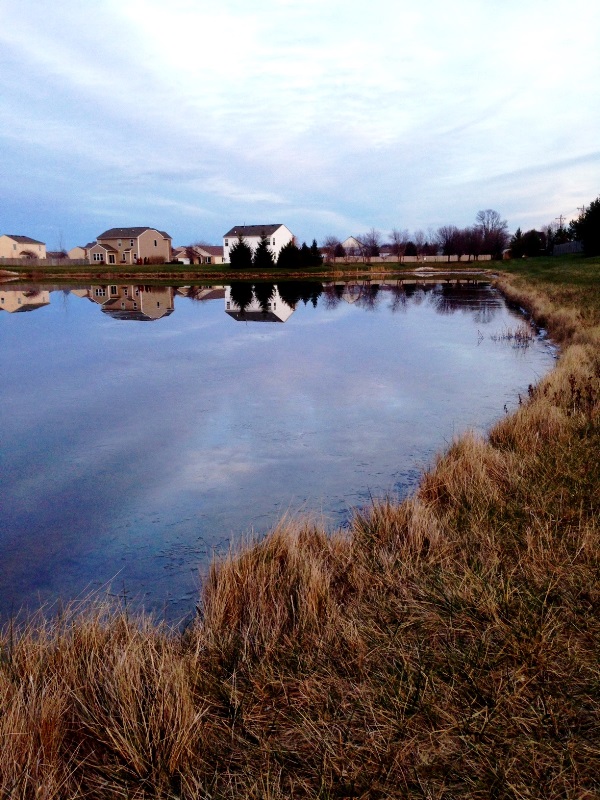
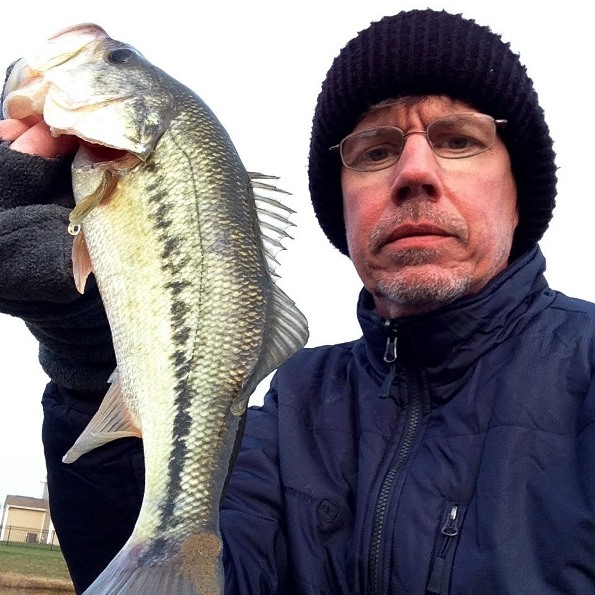
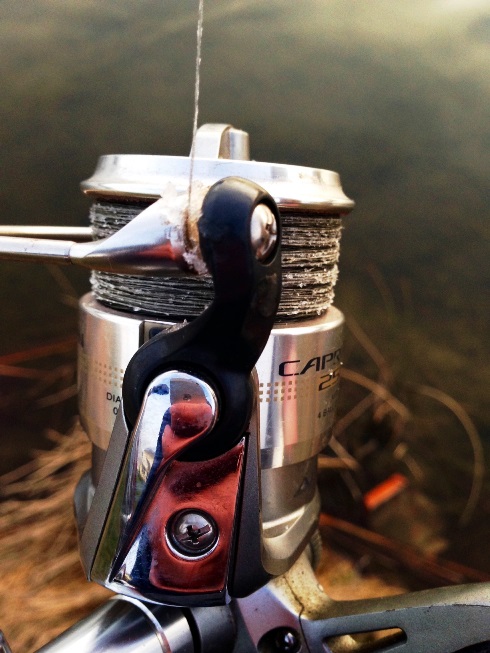
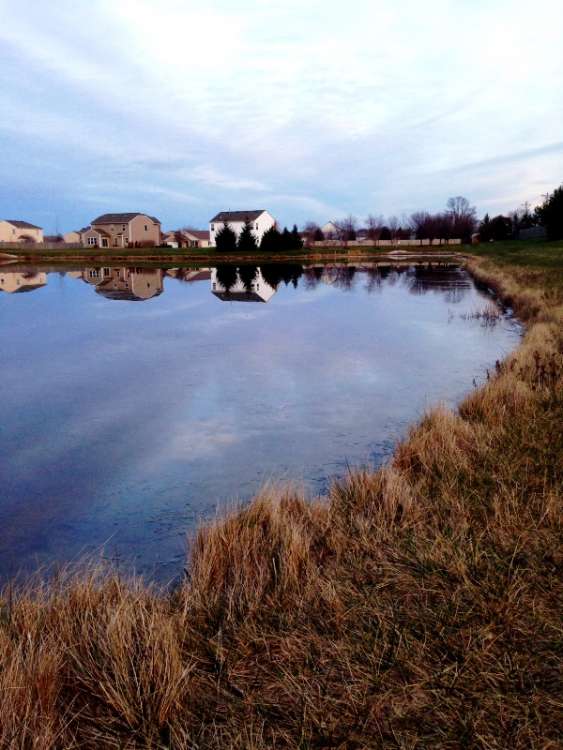
I've spent a lot of time on the water over a lot of years, but this afternoon, I had one of the coolest things I've seen happen on the water in a long time. We've been toying with ice-up conditions here in central Indiana for the past week or so. Yesterday, a pond near me that I drove by was 95% iced over even though the air temps hit 40+ degrees. Today, when I drove past it coming home, the pond was 95% open water. I grabbed a rod and walked over to the pond with about an hour of light still left. The air temp was 31 degrees, and there was not a stitch of wind. I knew something was a little different when I walked up to the pond and saw a small group of geese in the far corner. The small waves they made swimming to the bank and trying to get out of the water looked like they were moving across the pond in slow motion - liquid ice. I walked to the back end of the pond toward the deepest water and started fishing. There was a little bit of ice still edging the bank a few inches out, but not much. I was able to catch a couple bass, which made the trip worthwhile in itself (it's never too cold). However, as the sun set and the air temp started to drop even more, a super cool thing happened...the pond started to freeze over right before my eyes. At first, it started out as just a patch or two of ice floating just off the bank. I didn't think much of it. But as the minutes passed, those little ice islands grew bigger. Then I noticed the small shoreline ice lining the bank had grown out into the water, now extending in feet, not inches off the shoreline. Soon, whole corners of the pond were basically skimmed in, all this within about 20-25 minutes. I was able to hook a bass as this was going down on a long cast toward the middle of the pond, and the last 15+ yards of bring him in was like pulling him through a slush mug (giving my age up with that one). He actually made a path through the skim ice. It finally got to the point where I couldn't cast without my line freezing every time I lifted the rod and raised it above the waters surface. It was supercooling the lake water to the line on exposure, like ice does on a power line. At that point, I simply walked away with a grin
-
Definitely fish - most likely something smaller like baitfish because you aren't seeing any real strong returns in yellow...unless you're sensitivity is too low, but I doubt it. School fish like white bass make very similar returns, but usually much stronger unless you just catch the edge of them. Some glare in the photo, so hard to say for certain. Weaker returns on the left hand side of the screen, stronger on the right. Fish will arch in downscan mode, also. Just depends on length of time (boat speed, fish moving, etc.) and distance from transducer.
-
At his website, RichZ.com ("Bass at the drop of a shot").
-
There's a reason you can only find them on Ebay these days lol
-
I've done it with large Spoonplugs, but pretty much always avoided it with most every other crankbait. I could possibly see it working well with Traps. Theory and reality sometimes don't mesh. Try it and let me know how many you miss/lose
-
You're overthinking this...and getting questionable advice from wherever it's coming from. I'd put RichZ up there near the top of list of the best dropshot anglers around. He's written what many consider the gold standard for dropshot articles - Just over 6,000 words long, and the word "horizontal" doesn't appear even once!
-
No difference to me because both actions are part of the exact same process on the basses part, one just occurs later, but they both begin with the strike. They strike, they taste/feel, then they swallow or reject. We can't always control or predetermine what the outcome will be or how fast the process will occur, but my bigger point is that there are certainly some baits where immediately setting the hook on detection, whether by feel or by sight, is not the wisest thing to do, topwaters/frogs as just one example. With some other baits, the opposite is true. I guess that I don't consider "always set the hook ASAP" as a good all-around rule. Just an observation or...?
-
It's not always as straightforward as 'set as soon as you can.' That works for some baits and some situations, but certainly not all. Likewise, the fact that bass can inhale and exhale something that fast doesn't mean they do (or will). I've had plenty of bass hold baits for upwards of 45 seconds or more before finally dropping the bait, and we've all had fish that swallowed a bait - those don't come back out.
-
You can go to most any materials website, or in some cases the parent company website and find the density data. Can also straight Google the answers. UHMWPE, trade named Spectra or Dyneema for most all fishing lines is around 0.95 gm/cm3, whereas most nylons (PA) are around 1.14. Water is generally considered 1.0. Fluorocarbon (PVDF) is around 1.78. Both mono/nylon and braid will float because of water surface tension, but push a piece of the nylon down and it will continue sinking. Do the same with most braids and they float right back up to the top.
-
-
Time to check again, Mick unless you're just being generous with rounding. And this braid absorbing water thing that many others have also previously posted is not true. Spectra and Dyneema water absorption is practically nil. What is actually happening is water getting trapped or adhering to the tiny spaces in the weave, fibers or coating.
-
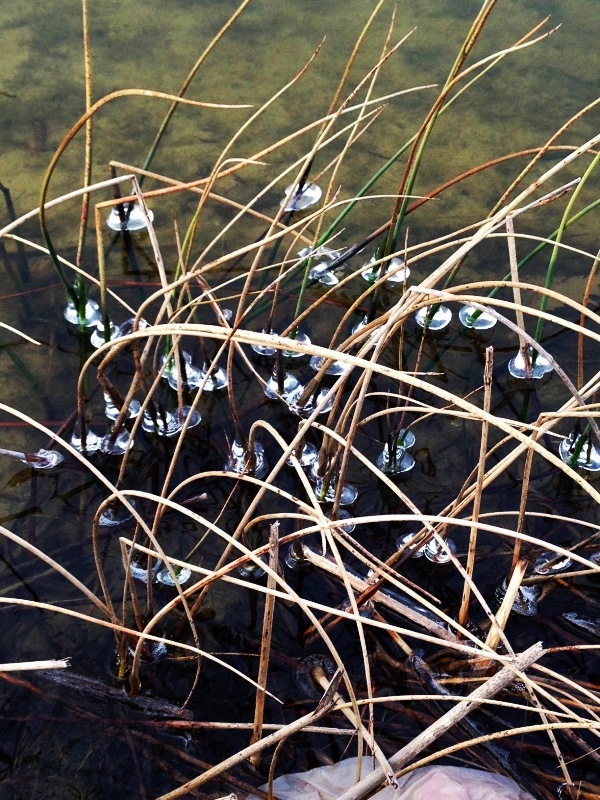
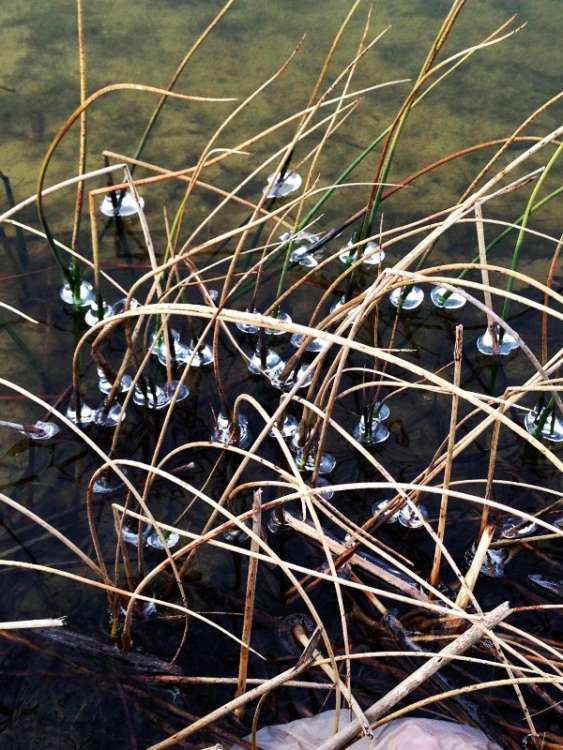
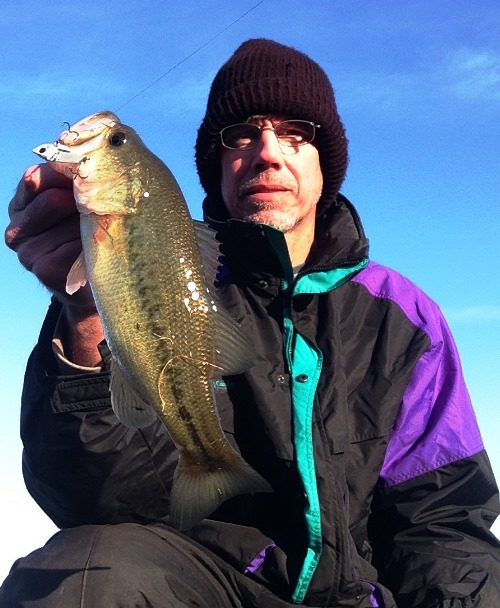
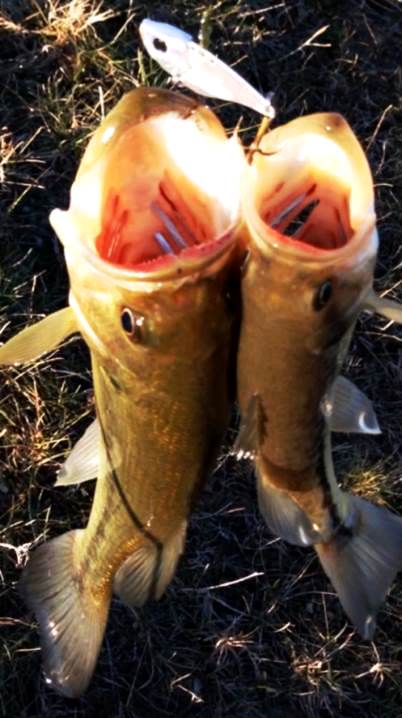
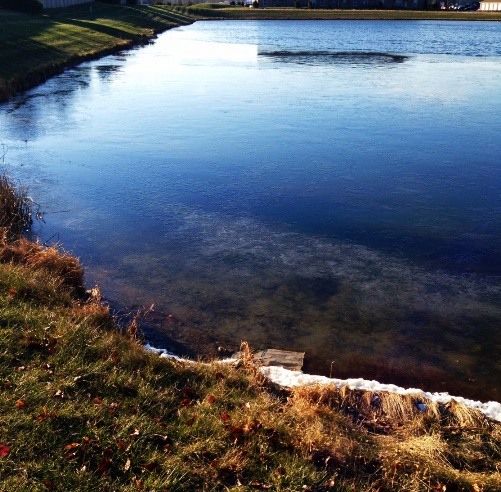
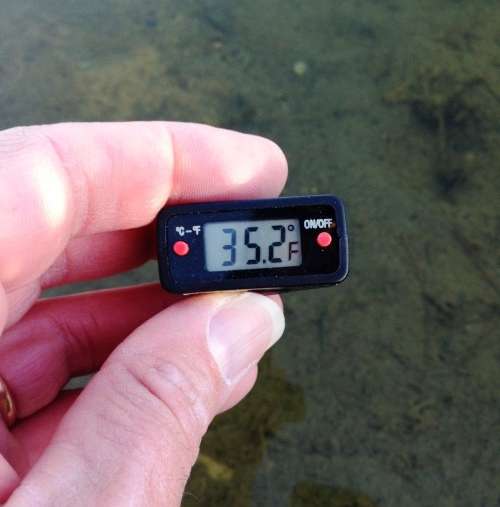
Notice all the ice on the small lake I was at this afternoon. Also notice the water temp. Even got a double on my first bite - It's never too cold!
-
Very cool! Not terribly old (mid 1980s), and still available on eBay for collectors, usually $17-$20. Since its out of the package, I'd throw it and try and catch some fish with it ? Reminds me a lot of the old Spence Scout, which is the bait that got Strike King started and on the map back in 1966. https://www.fieldandstream.com/blogs/lateral-line/2013/08/vintage-tackle-contest-spence-water-scout#page-2
-
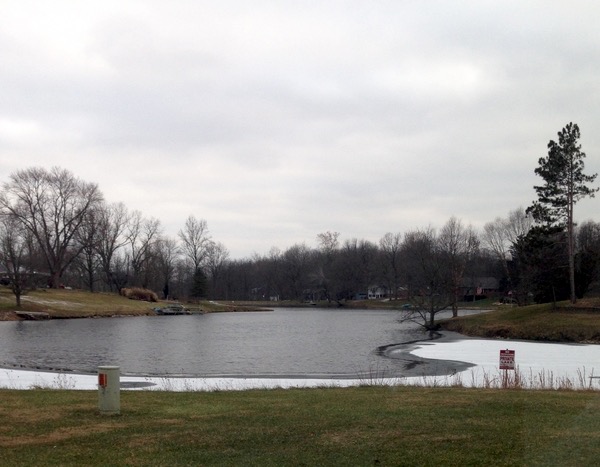
We're slowly losing the battle around here...
-
I kid you not, I owned one of those kits back around 1970-1971 and remember making all those critters. The one I had you actually molded all the body parts and could then "assemble" them to create whatever type bug you could imagine in you head. Bill Plummer is one of my favorites. Whitefish Press sells a book written about Bill by one of his close friends that has a lot of interesting details about the man. For instance, he developed several other lures for HH, but none were as popular as the frog. The frog made him a millionaire. He was also very much against tournaments.
-
Always fun researching old bait and fishing history, but almost impossible to literally track down exact "firsts" since so much came from tiny local startups before being mass produced by larger companies, hence giving the impression of being the originator of something...plus the small local stuff usually is poorly documented (history wise). Here's a link to more on the Mister Twister bait, the Hawg Frawg. H&H started in 1959, and interestingly, both it and Mister Twister, which patented the twister tail in 1972, were Louisiana companies, so I'm sure there's some connection to the design in question between these two companies and locale. http://bassfishingarchives.com/retro-ads/the-start-of-the-toad-invasion
-
Good idea, but too late for my buddy who already broke 3 rods this year on his boat cleats lol
-
Back in the day, and I'm guessing @Catt could confirm this, we didn't have a lot of jig terminology options. I believe it was Stanley Jigs that first intentionally marketed and labeled "casting" jigs and "flipping" jigs. Casting jigs had lighter wire, smaller hooks and a longer shank with more of an O'Shaunessy style hook. Flipping jigs were beefed up wire and sizes, and more round bend design with a larger gap, but a shorter shank. Casting jigs tended to be thrown on lighter line (and casted) due to design, while Flipping jigs were for a more vertical approach (pitching and flipping), heavier line (including the first super braids) and heavier cover. These same original jig concepts are still alive and well in the walleye world, also.
-
You did the right thing
-
This ^^ or just under. Might be different in your area, but around here, you pretty much need to be almost 20.5" to be a legit 5lb bass unless you're just blatantly oversized. You're fish looks solid and healthy, but not ridiculously fat. My final answer: 4.9 to 5.2 pounds
-
Sadly, I had to work all day Monday The fish in the pic was caught just north of gazebo out in the mouth of where the clubhouse cove meets the main lake. It had 3 weeks to move across the cove mouth and around Statue of Liberty. Maybe, maybe not. My fish was shorter also, I'd guess about the same length as yours. That's why it didn't grab my attention immediately after i caught it outside of it's belly. It was only after looking at the pics at one did I realize just how big/out of proportion that fish was.
-
Good job, IF. Looks like I was a day too early Makes me wonder now if we caught the same fish...? Ate a 110 also about 3 weeks ago out there. Was with a friend on his boat, so had no scale at the time.
-
Most likely become a slow riser...though other things like line type and size come into the overall equation. jerk bait physics - You can do what I did, if you want, to replicate this and see exactly for yourself. Simply fill up a large bucket or other container with water of varying degrees, then drop your baits in there and see what happens. In this case, I used a very wide range of water temps (42 - 110 F) to try and exaggerate these differences. Every bait, at a given temperature, will either float, sink, or suspend somewhere in the water column. The important thing to know is how to adjust for whatever a particular bait happens to do. Here are the basics; The colder the water, the slower a bait will fall through the water (if your jerkbait sinks), or the easier/faster it will rise if a floater. The warmer the water, the faster your sinking bait will fall through the water, or the slower it will rise back to the surface if a floater that is pulled under. So, for example, in any given water temperature, if you have a bait that sinks slowly instead of suspending, you can A) mark that bait to be fished in colder water temps, B.) change out the hooks to some that are slightly thinner and lighter, C) increase the size of your line to create more drag, or D) use a mono or braided line instead of fluorocarbon. On the other hand, if you are fishing a bait that has a tendency to rise slightly, you either can, A) weight it slightly with suspend strips/dots, B.) increase the size of a treble or two to add weight, C) Change to fluorocarbon line (if not already using it), D) or mark the bait to be used in warmer water temps. Some baits are much more sensitive than others in regards to all these factors affecting their buoyancy. As an interesting side note to demonstrate this concept and how it applies to many more things than just jerkbaits in water. I know a guy who is a small aircraft pilot, and he recently recalled the following story:
-
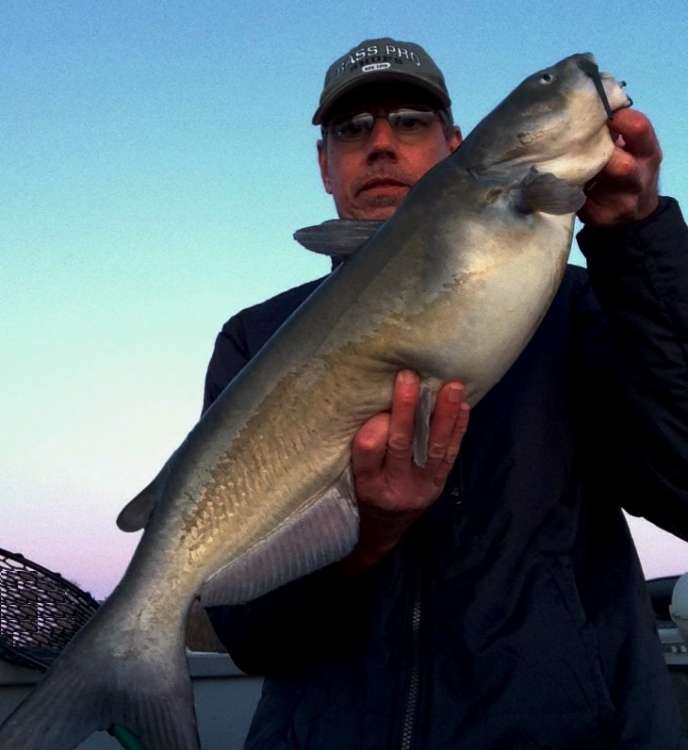
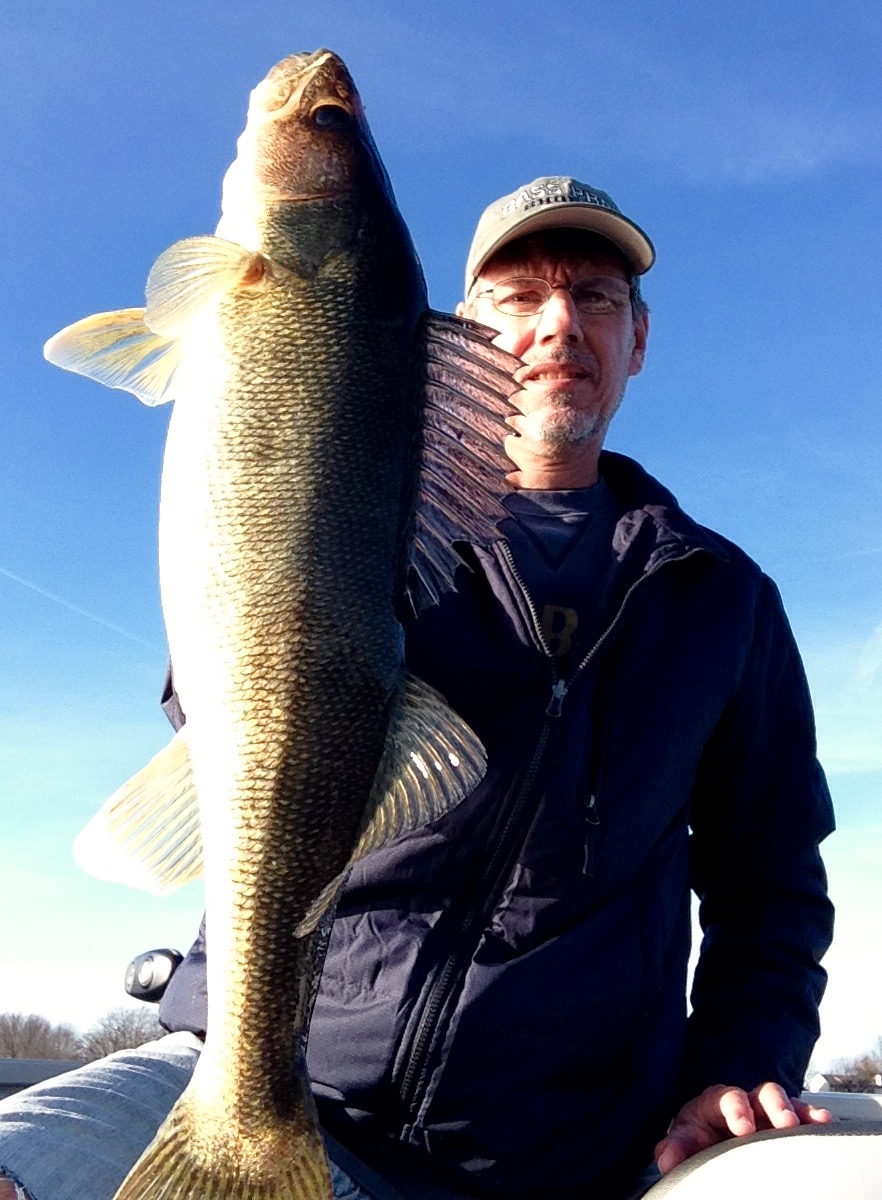
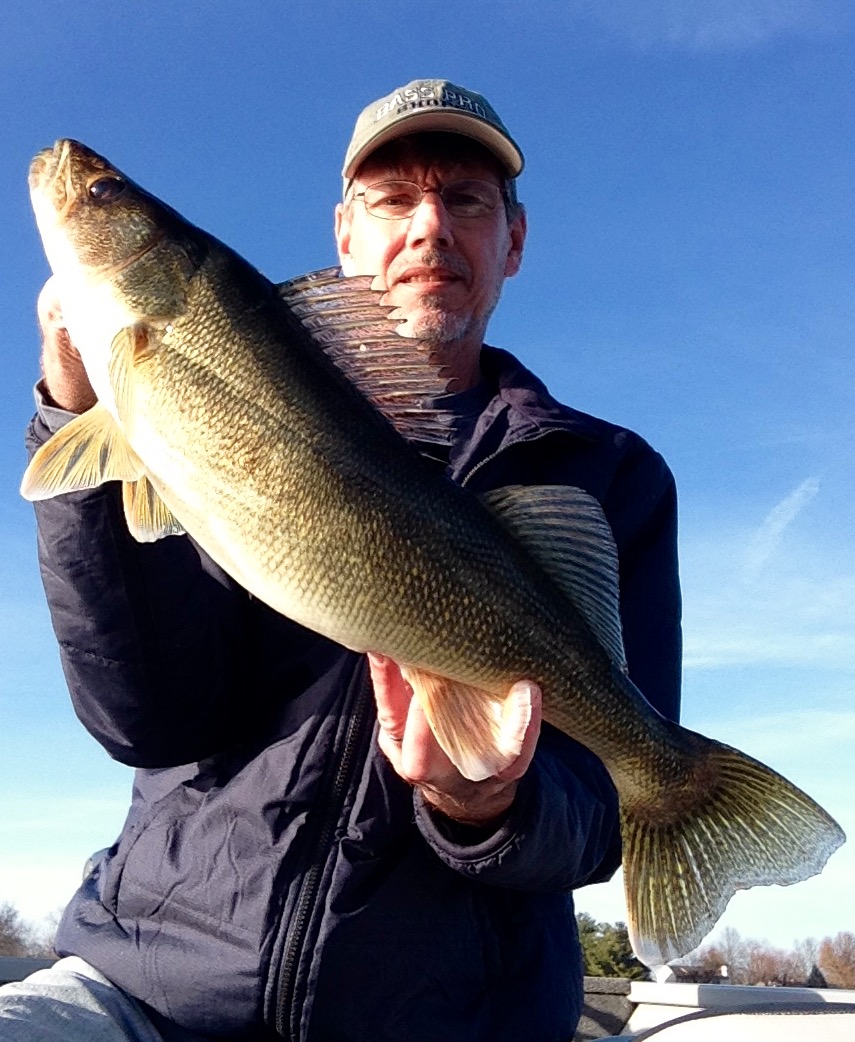
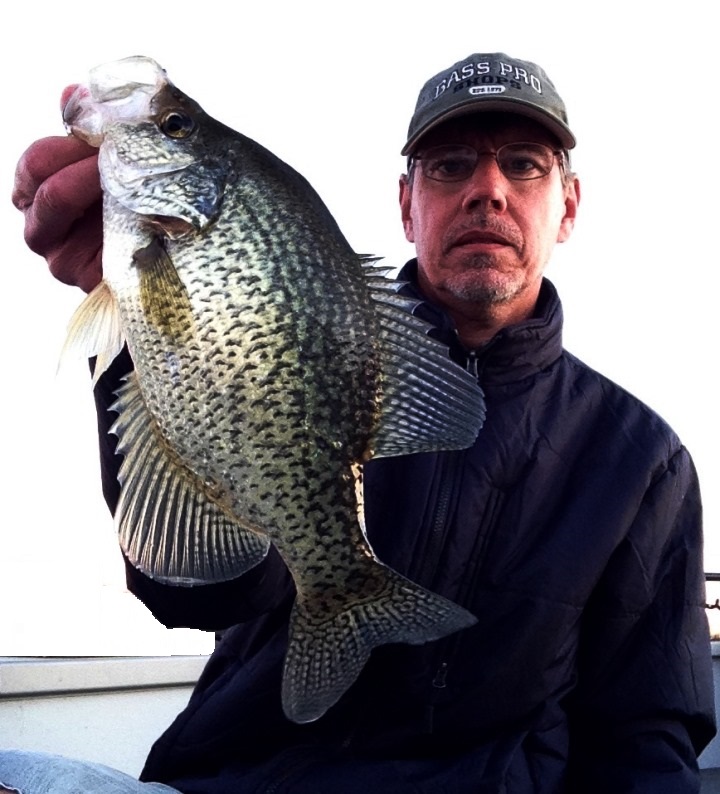
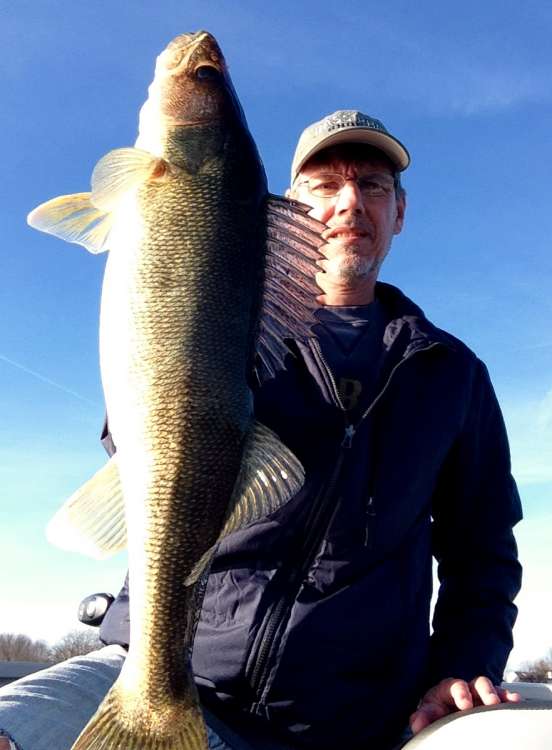
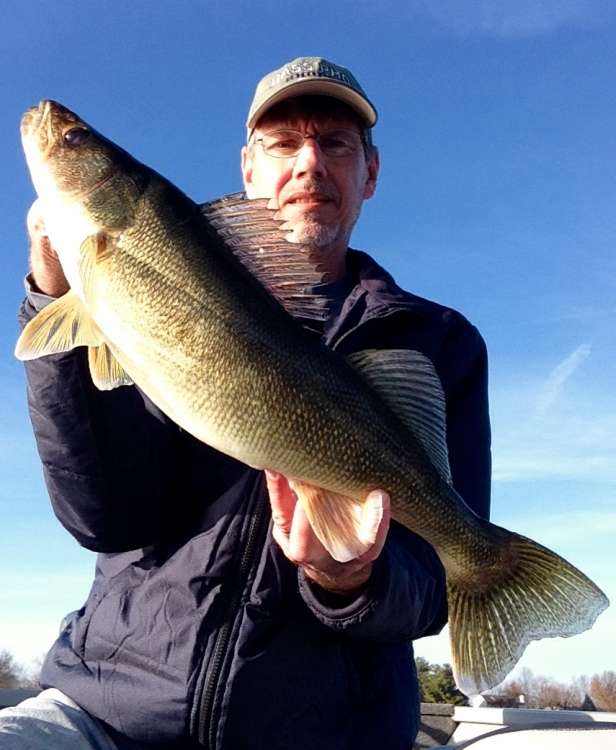
From yesterday, possibly the last open water boat trip for me this year...
-
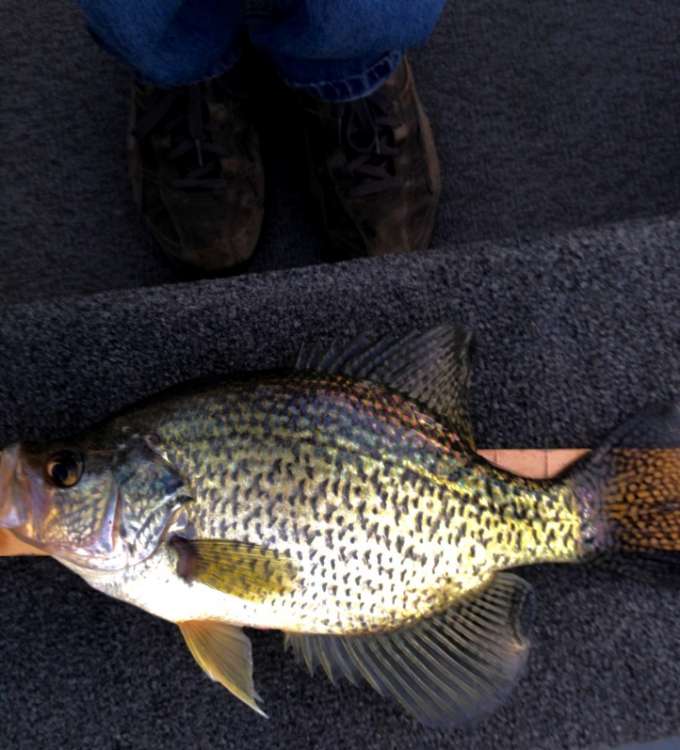
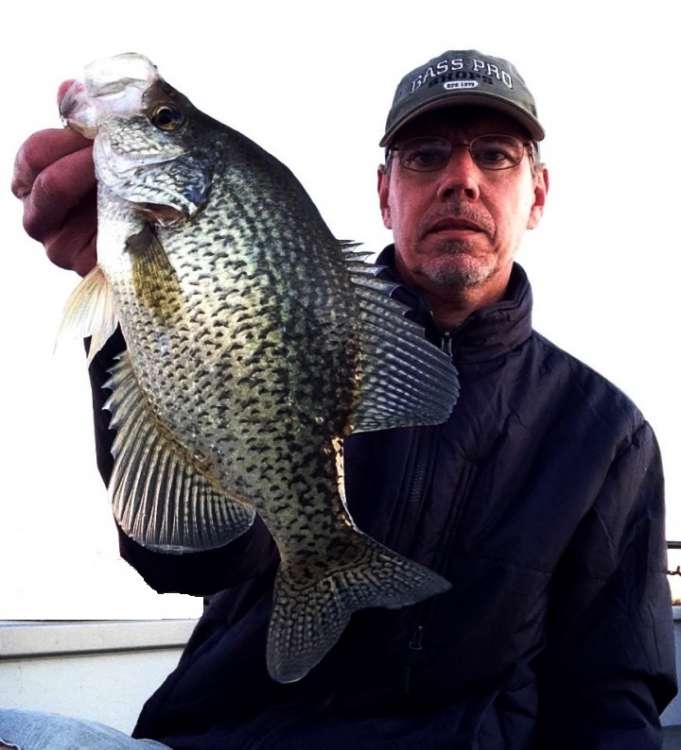
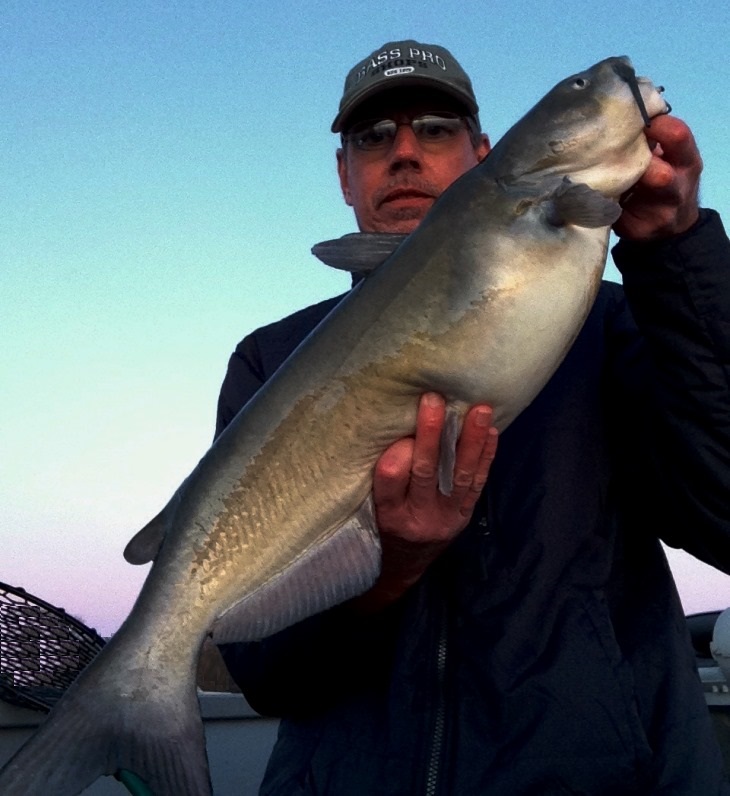
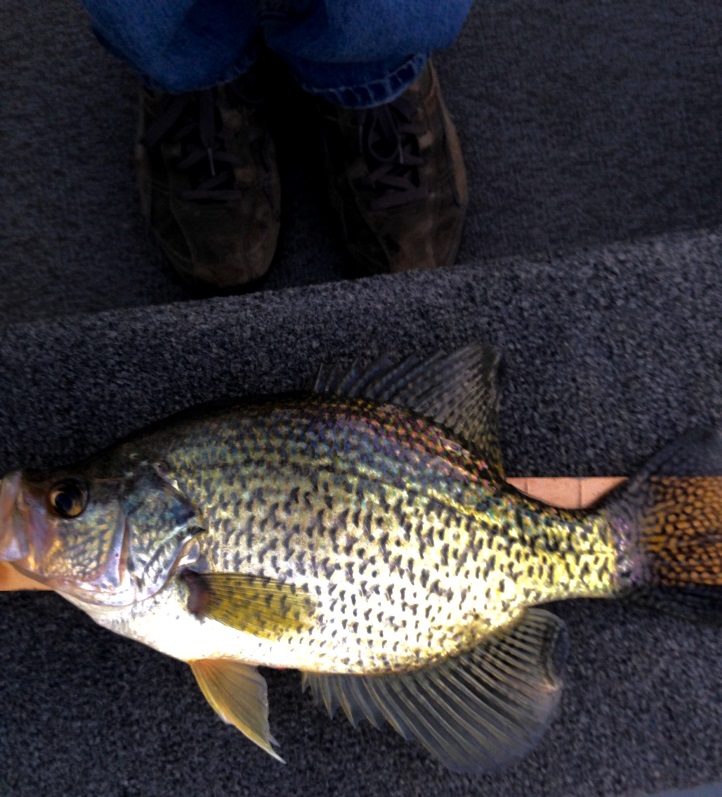
Some bonus fish from yesterday's trip...