Joshua Vandamm
Members
-
Joined
-
Last visited
Everything posted by Joshua Vandamm
-
-
-
My bad. I meant to say I CAN cast without thumbing it much, if at all. Lol I love them...the SV103. I have it in 2 different speeds. Anything over 1/4oz is very easy. And down to 1/16 works well enough also. I still thumb but I don’t need to hardly touch it. And only backlashes when I forget to set the drag..lol
-
-
Just curious if anyone’s has compared these to the daiwa SV? I’ve got 3. I can’t cast those without thumbing hardly at all.
-
Good to save an endangered animal. Maybe not so good to transplant it... point taken tho. How do bass end up in little ponds with no streams or nearby lakes? “Life finds a Way”. I promise you eels are no different. They just arnt equiped to survive as long.
-
Just got 2 of these. When’s the right time of year to fish these? When do ducklings hatch and start swimming? what about rats also? Anyone know what time of year they start being active? thanks!
-
They do think. Not like we do but they have fairly long term memory. Bass especially big bass, learn what to eat and what to avoid from instinct and experience. I agree about 50% but I do think there’s a prey image engrained for every effective Lure other than reaction strike baits. Caddis fly larvae looks like a ned rigs imo.
-
I’m just curious about this stuff. Anyways Berkley’s official position...stumped. They say bass don’t eat worms often if at all. http://www.berkley-fishing.com/Berkley-ae-why-do-bass-eat-plastic-worms.html
-
I’ve seen DNR surveys of local tributaries. Many have juvenile eels as the most prevalent species.
-
Oh yea. Even the Berkley guy (forget his name now) calls it a mystery. Worms don’t swim. They’re hardly ever in water unless there’s a mud slide. Leechs yes. Small worms could like like them, or minnows. Larger worms... Untrue here. Or rather not entirely true. Half of their early life is still in fresh water. They wont last long in reservoirs but I’m sure they wind up in them more than we know. The pic above is from Rock creek. A freshwater tributary. My take away is fish eat them. Basically nothing else to the story. Proving again, they are in fresh waters. That’s certainly a big factor. But I don’t think entirely explains why to seem to love almost motionless worms even.
-
LOL. Eel also perhaps. Close enough. They all look like snakes or eels. There are lots of reservoirs with eels. Juveniles mostly. Doesn’t matter if they’re in all waters or not tho it’d be historically/instinctually hardwired. See above. Many traits and behaviors go back milenia and eons. Even beyond that inherited from a common ancestor.
-
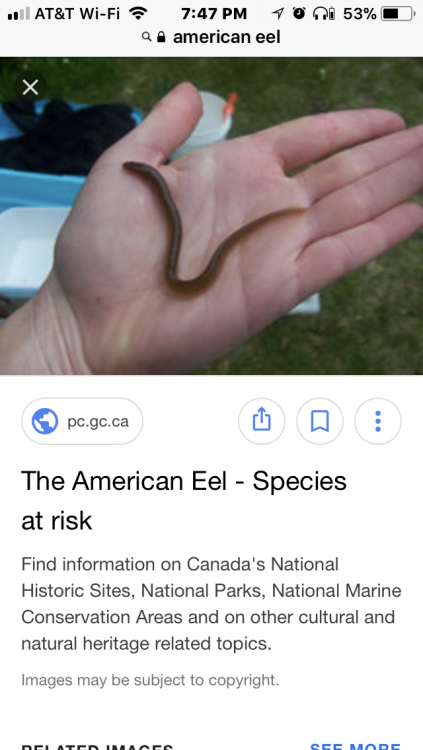
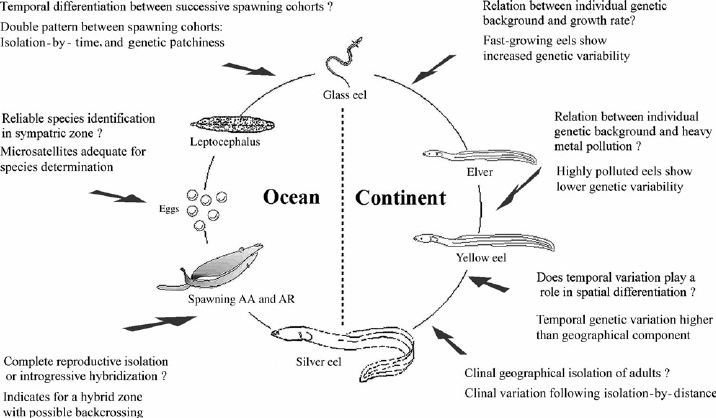
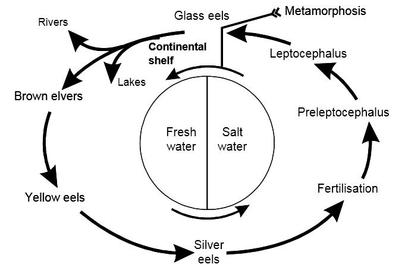
Yeap. Check out the life cycles. The glass eel stage is around 4” and mostly is free floating. Yellow and on in maturity and the are bottom dwellers mainly. Think shakeyhead. ?
-
The great mystery of what plastics worms look like to fish, seems pretty simple to me. What do Trick worms etc look like. Eels!! (Duh)
-
-
That’s bizarre. LOL I swear I had to pay one season then decided it wasn’t worth it. Might of been 2015 but still. ? thanks tho. Good to know! She doths protest too much, perhaps....? ?
-
Since when? In 2016 it was $15 per season
-
Cash is open? If it’s that bad you might tell the office. Since it’s a pay to play lake they should be doing some upkeep.
-
-
Yea dude. I sold my yak a few years ago but that’s what I said pretty much. Trubutaries coves etc. Venture out carefully. I stick to tributaries and the channel. Wasn’t saying paddle out in the main river. I meant out to wider/larger trubaties or mouths. I can see how it could read that way. Definately don’t want to suggest anyone try the paddling the greater Potomac river.
-
Irritability? (For all us parents with teenagers out there). So far, I just haven't seen this. It's common lore, but... I've become a bit skeptical. I say this not only bc I haven't seen it, but bc bass fry at the time of separation are too small for mature bass to eat with any efficiency. Juvenile bass prey on them a lot. Mature bass seem to get interested in them later on, when the now fingerlings break 3+inches. Not saying this doesn't happen. Possibly in waters with higher growth rates of fry/fingerlings, this can happen? Curious, have you seen this Tom? Thanks Just theorizing, but perhaps this is a frustrated males last ditch attempt to Coral wandering fry. Some other species of fish are mouth brooders. They carry the fry in their mouth as they mature. Perhaps they aren’t actually eating them. Just grabbing hold...no hands...
-
It can be intimidating at first. I’d start off in tributaries, bays and harbors. Venture out as you feel more confident.
-
-
@Paul Roberts good idea to change lanes. Thanks! repost/copied: I’m unclear on what the females are doing during the spawn (when they’re not courting and laying eggs). If they continue to spawn with new partners, are they still circling back to guard all their broods? Is there a specific brood they guard more than others in your observations or during a certain developmental stage perhaps? Do they seem to even know which fry are theirs or just guard the ‘zone’ as a kind of team effort? And are they feeding while males guard? I don’t know if anyone has the answers to all of that, but any insights you have are much appreciated!! thanks a ton! -Josh Just a note for all *A bass behavior forum subject or megathread might be good
-
As crowded as it may be sometimes it’s still very good fishing.